
Especificaciones y análisis del Renault ZOE
Power
88HP
Torque
220Nm
Consumption
-l/100
Emissions
-g/km
0-100 km/h
-s
Top Speed
135km/h
Weight
-kg
Price
15,226€
Technical summary
Eléctrico
Automático 1v
FWD
5 / 5 doors
338 L
- L
65 kW
Current
Technical specifications
Engine
Capacities
Detailed analysis of the Renault ZOE Life · 88 CV (2013)
General description
The 2012 Renault ZOE marked a before and after in electric mobility, presenting itself as a bold and accessible proposal for the general public. With its compact design and its fully electric nature, this model sought to democratize the electric car, offering a real alternative for daily city use. Its arrival on the market generated great anticipation, promising a different driving experience and a commitment to the environment.
Driving experience
Driving the 2012 Renault ZOE is a surprisingly smooth and silent experience. The absence of combustion engine noise and vibrations translates into high driving comfort, ideal for urban traffic. The instant response of the 88 hp electric motor and 220 Nm of torque provides remarkable agility in starts and overtakes in the city, making every journey fluid and pleasant. The electric power steering contributes to a feeling of lightness and ease of handling, while the suspension, although not sporty, filters road irregularities well, ensuring a comfortable ride for all occupants. The top speed of 135 km/h is sufficient for most scenarios, although its natural habitat is the city.
Design and aesthetics
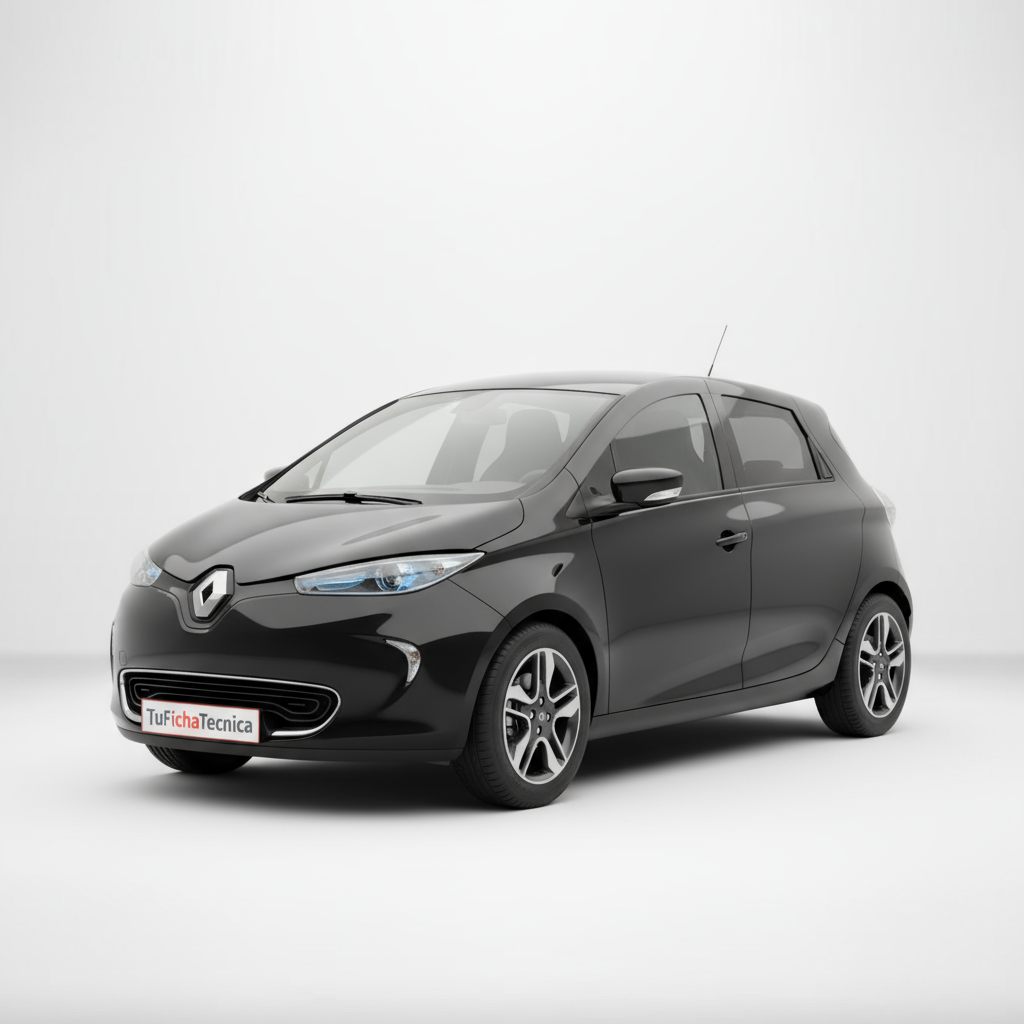
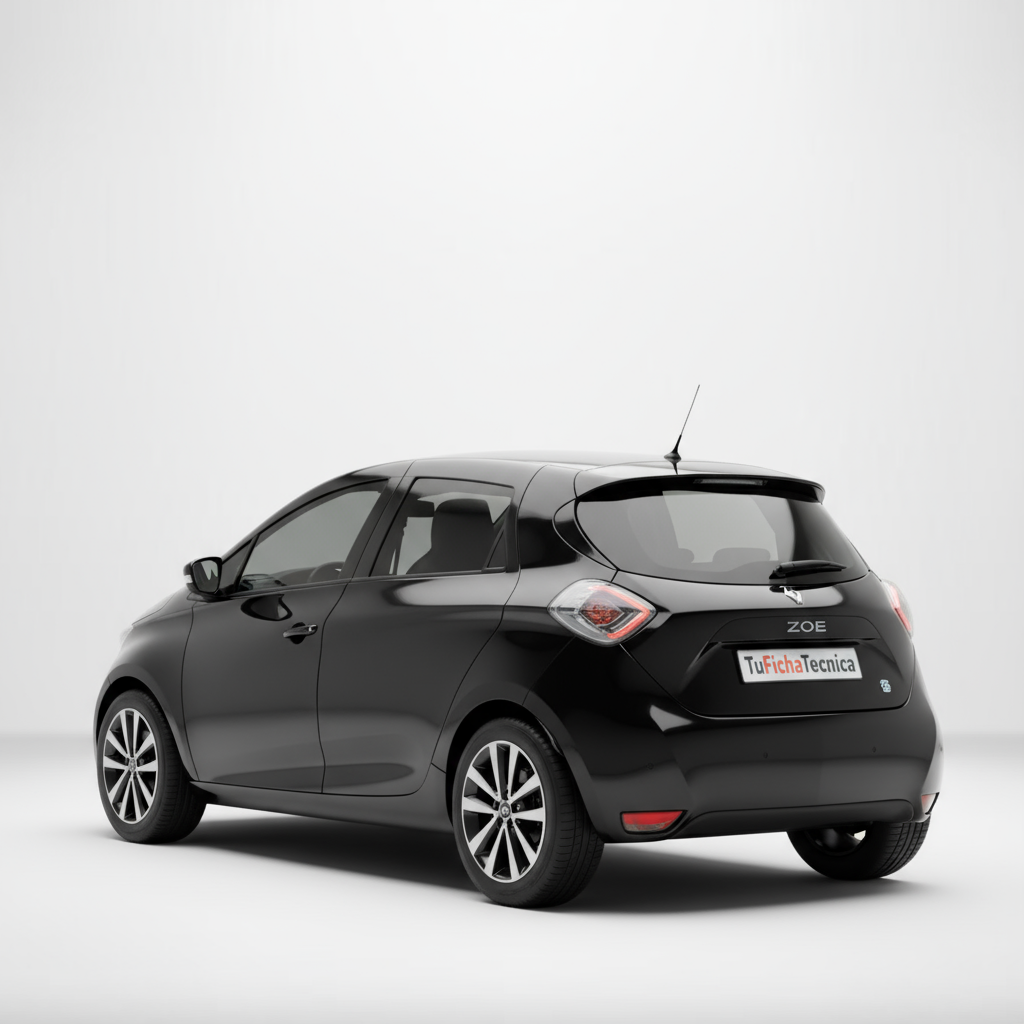
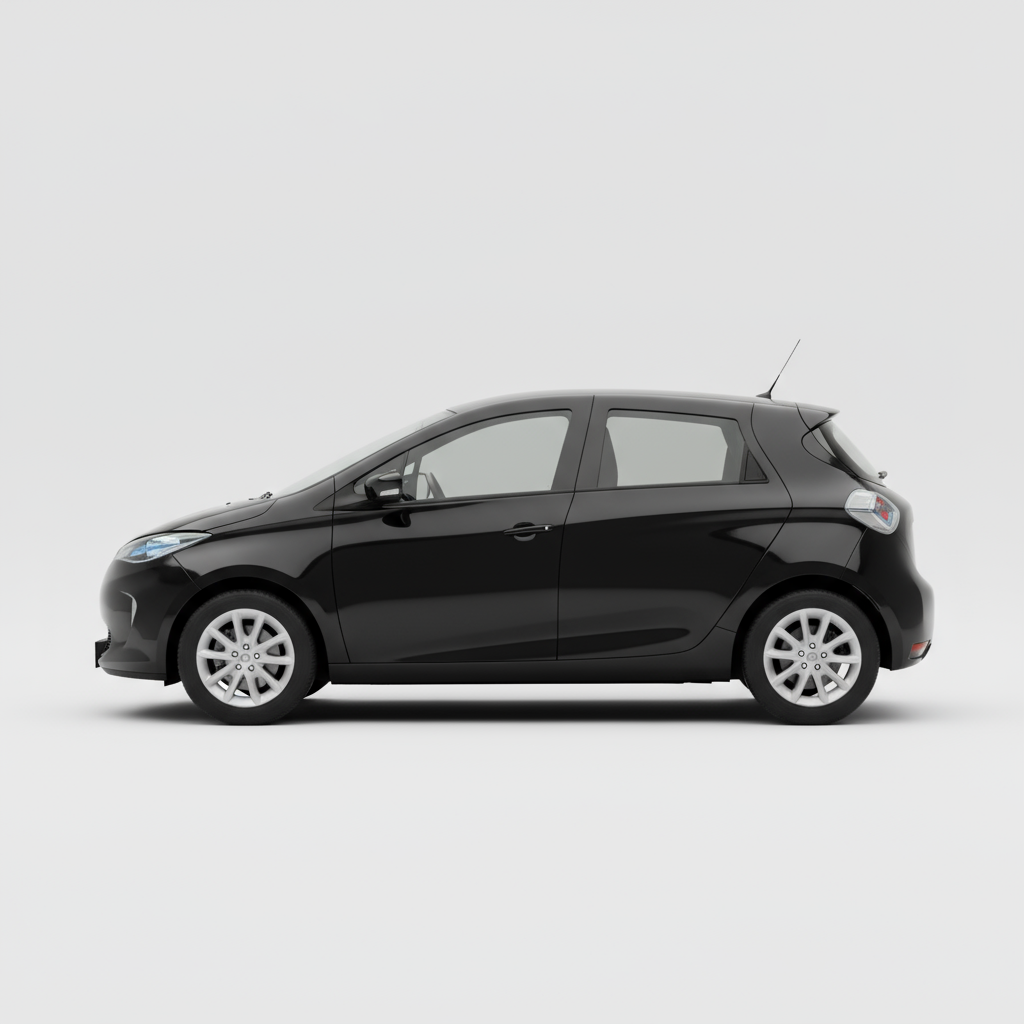
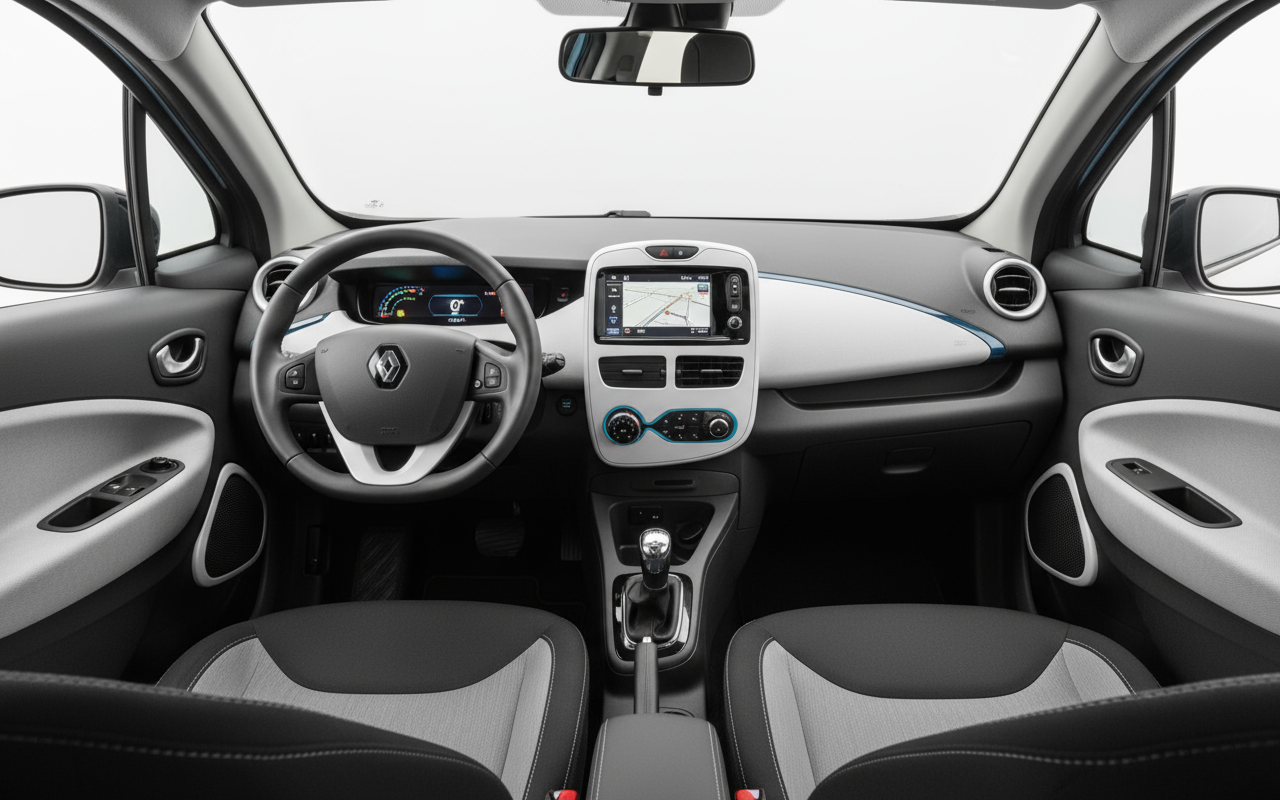
The design of the 2012 Renault ZOE is unmistakably modern and futuristic, even by today's standards. Its fluid and rounded lines, along with the distinctive headlights and integrated front grille, give it a unique personality. The compact dimensions (4084 mm long, 1730 mm wide, and 1562 mm high) make it ideal for the city, facilitating parking and maneuverability. The interior, although functional, features a contemporary style with digital instrumentation that reinforces its technological character. The 338 liters of trunk space are adequate for daily use, demonstrating that functionality is not at odds with an attractive design.
Technology and features
The 2012 Renault ZOE was a pioneer in electric technology. Its 88 hp motor and 22 kWh usable capacity battery, located in the central part of the vehicle, offered a range that, although modest by current standards, was sufficient for urban commutes at the time. Full charging in 9 hours with alternating current made it practical for overnight home charging. The single-speed automatic transmission simplifies driving, eliminating the need for gear changes. Additionally, it incorporated electric power steering and ventilated front disc brakes, with drums at the rear, a common configuration in vehicles of its segment. Its '0 emissions' label positioned it as an environmentally friendly vehicle from its launch.
Competition
At its launch in 2012, the Renault ZOE faced a limited number of direct rivals in the nascent electric vehicle market. Among them, the Nissan Leaf stood out, offering slightly superior size and range, and the Mitsubishi i-MiEV, a smaller model with a more urban focus. Other indirect competitors could be internal combustion urban vehicles, to which the ZOE sought to offer a cleaner and more efficient alternative for daily use. Its price of €15,226 (with discounts) positioned it as an attractive and competitive option within its segment.
Conclusion
The 2012 Renault ZOE was a brave and visionary vehicle that laid the groundwork for accessible electric mobility. Although its specifications may seem modest today, at the time it represented a giant step towards a more sustainable future. Its attractive design, smooth and silent driving, and practical approach to urban use made it an interesting option for those seeking an ecological alternative. It was a car that, with its virtues and limitations, paved the way for the massive electrification of the car fleet, leaving an important legacy in automotive history.