

Especificaciones y análisis del Renault Vel Satis
Power
241HP
Torque
330Nm
Consumption
11.5l/100
Emissions
-g/km
0-100 km/h
8.3s
Top Speed
235km/h
Weight
1720kg
Price
41,800€
Technical summary
Gasolina
Automático 5v
FWD
5 / 5 doors
460 L
80 L
177 kW
Current
Technical specifications
Engine
Capacities
Detailed analysis of the Renault Vel Satis Privilege 3.5 V6 24v Aut. · 241 CV (2002-2005)
General description
The 2002 Renault Vel Satis, in its Privilege 3.5 V6 24v Aut. version, was presented as a bold proposal from the French brand in the luxury sedan segment. With a design that broke molds and a clear commitment to comfort and technology, this model sought to offer a distinctive alternative to the more traditional options on the market. Its 241 hp V6 engine promised solid performance, while its equipment and interior finishes were designed to pamper its occupants.
Driving experience
Driving the Vel Satis 3.5 V6 was an experience marked by smoothness and comfort. The engine, a 3,498 cc V6 with 241 hp, delivered its power linearly and refinedly, associated with a 5-speed automatic transmission that prioritized fluid shifts. Acceleration from 0 to 100 km/h in 8.3 seconds and a top speed of 235 km/h, although respectable, did not seek extreme sportiness, but rather a serene and powerful ride. The suspension, McPherson type at the front and deformable parallelogram at the rear, was calibrated to absorb road irregularities, offering a pleasant journey. However, its weight of 1,720 kg and generous dimensions could make it feel less agile in tight corners, prioritizing stability on the highway. The combined consumption of 11.5 l/100km reflected the power of its engine and its focus on comfort.
Design and aesthetics
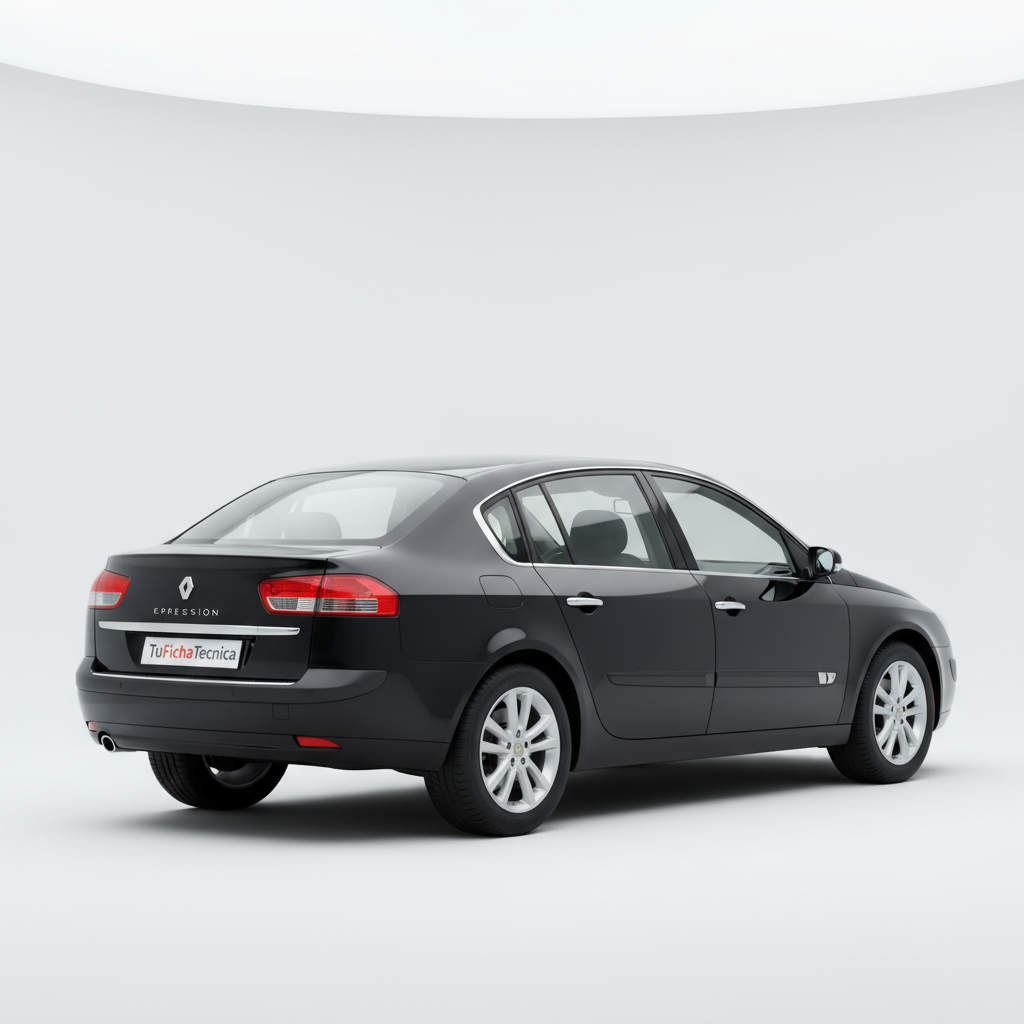
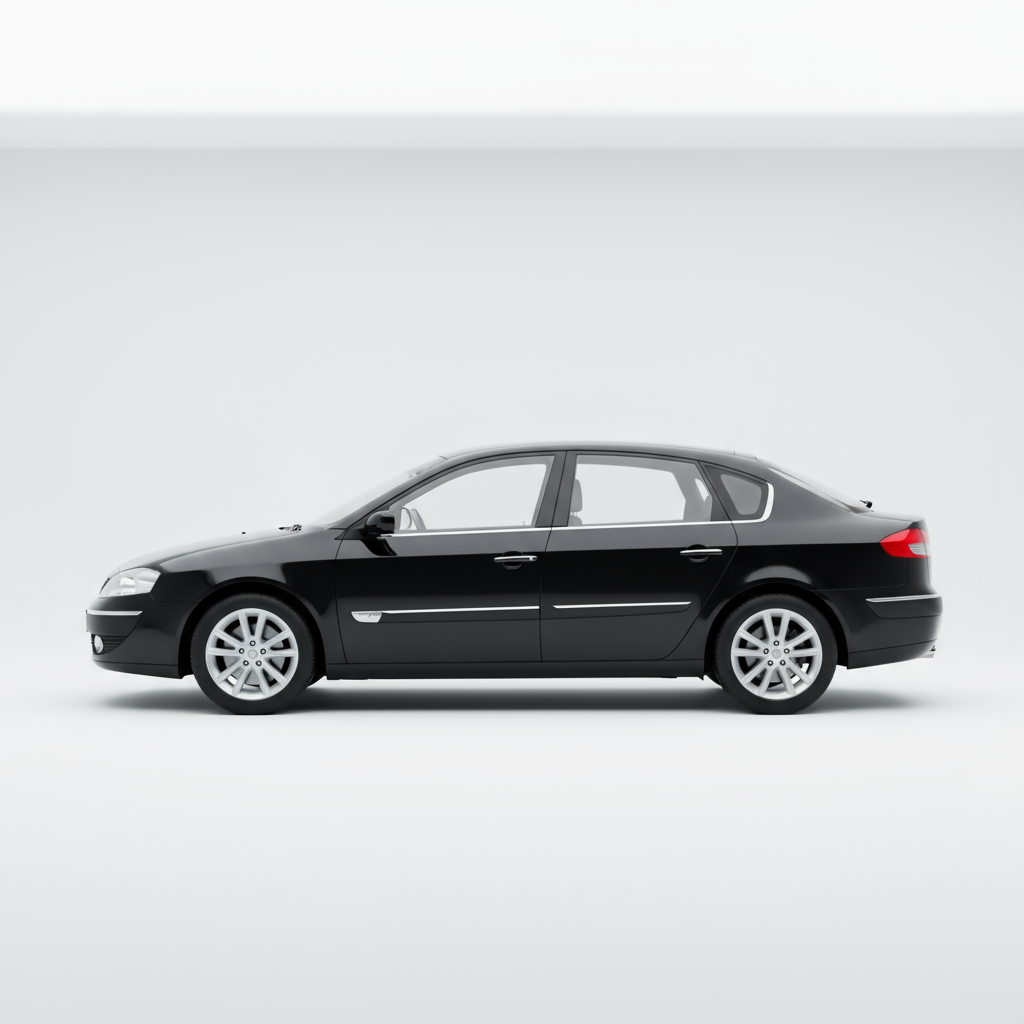
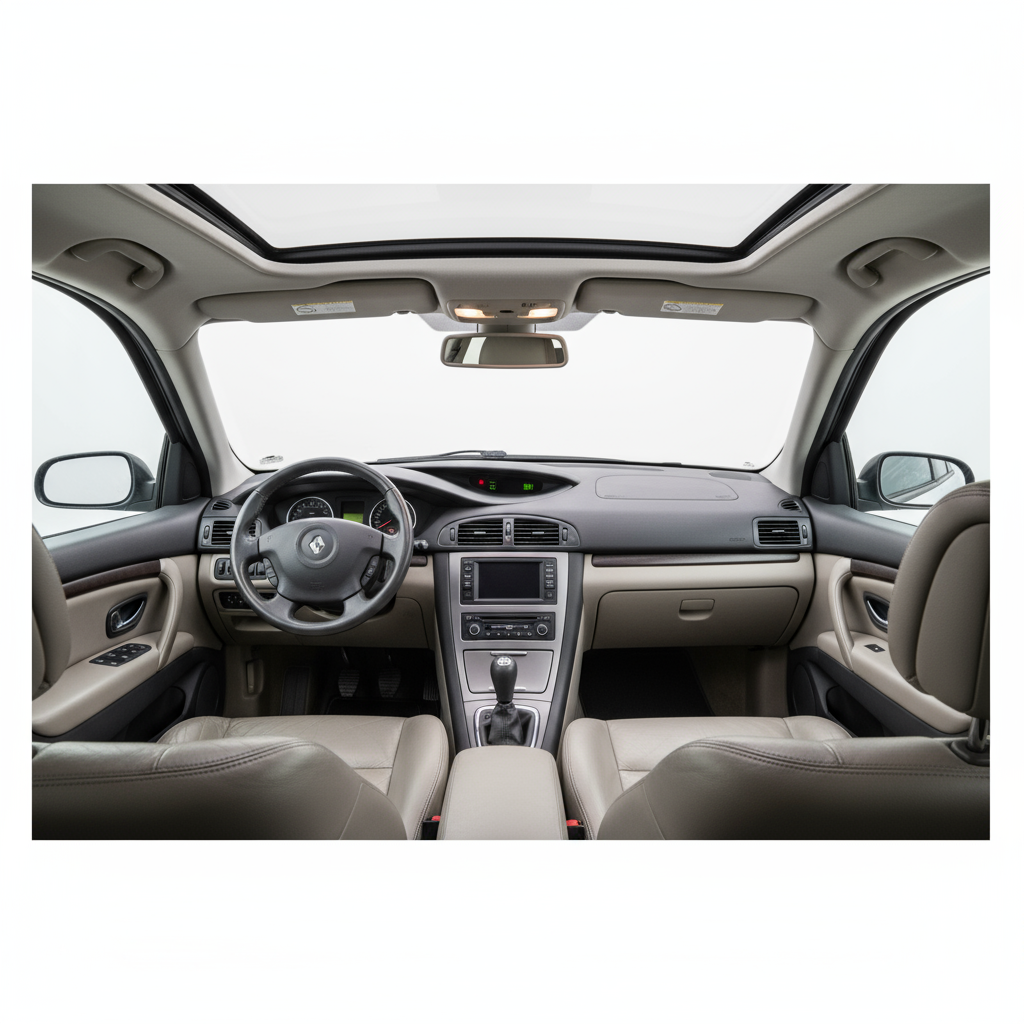
The design of the Renault Vel Satis was, without a doubt, its most polarizing feature. Breaking with the conservative lines of the time, it presented a minivan-sedan silhouette, with a considerable height (1,577 mm) and a raised rear that gave it an imposing and unique presence. Its 4,860 mm length and 1,860 mm width contributed to a robust image. The front, with its distinctive headlights and characteristic Renault grille, gave it personality. Inside, the design was equally innovative, with a spacious cabin and quality materials that sought to create an atmosphere of luxury and well-being. The aesthetics of the Vel Satis left no one indifferent, being loved by some and criticized by others, but always recognizable.
Technology and features
In 2002, the Vel Satis Privilege 3.5 V6 incorporated a series of advanced technologies for its time. The aluminum V6 engine with indirect injection and variable intake was an example of engineering, designed to offer a balance between power and smoothness. The 5-speed automatic transmission efficiently managed the 330 Nm of torque. In the chassis, the 324 mm ventilated disc brakes on the front axle and 300 mm discs on the rear stood out, ensuring good braking capacity. Rack-and-pinion steering contributed to precise driving. Although infotainment details are not specified, it is expected that a model of its category and price (€41,800 at the time) would have complete technological equipment in the cabin, focused on the comfort and safety of the occupants.
Competition
The Renault Vel Satis faced a luxury sedan segment dominated by premium German brands such as the Mercedes-Benz E-Class, the BMW 5 Series, and the Audi A6. It also competed with other European proposals such as the Lancia Thesis or the Citroën C6 (although the latter arrived later). The Vel Satis sought to differentiate itself from its rivals with a bolder design and a focus on comfort and originality, rather than sportiness or traditional status. Its price, although high, positioned it as an interesting alternative for those looking for something different in the large sedan segment.
Conclusion
The 2002 Renault Vel Satis Privilege 3.5 V6 24v Aut. was a car that dared to be different. With a bold design and a luxurious and spacious interior, it offered a driving experience focused on comfort and smoothness, powered by a powerful V6 engine. Although its aesthetics were not to everyone's liking and its consumption was high, it represented a brave proposal from Renault for the luxury segment. It was a car for those who valued originality and well-being on board above conventions, leaving a distinctive mark in automotive history.