
Especificaciones y análisis del Renault Mégane
Power
98HP
Torque
190Nm
Consumption
5.4l/100
Emissions
-g/km
0-100 km/h
12.2s
Top Speed
182km/h
Weight
1210kg
Price
16,498€
Technical summary
Gasóleo
Manual 5v
FWD
5 / 5 doors
485 L
60 L
72 kW
Current
Technical specifications
Engine
Capacities
Detailed analysis of the Renault Megane Break 1.9 dTi RXE · 98 CV (1999-2000)
General description
The 1999 Renault Mégane Break 1.9 dTi RXE is a vehicle that, at first glance, transports us to an era where functionality and economy were fundamental pillars. With its family body, this Mégane was presented as a practical solution for families looking for space and low consumption, without sacrificing the comfort of a passenger car. Its direct injection and turbo diesel engine, with 98 hp, promised adequate performance for everyday use and long journeys, setting a benchmark in the family vehicle offering of the time.
Driving experience
Behind the wheel, the Mégane Break 1.9 dTi RXE offered an honest driving experience without great sporting pretensions. The steering, although not outstanding for its millimeter precision, fulfilled its function in daily driving. The McPherson-type suspension on the front axle absorbed road irregularities with solvency, providing acceptable ride comfort for the time. The diesel engine, with its 98 hp and 190 Nm of torque at 2000 rpm, delivered power linearly, allowing acceleration from 0 to 100 km/h in 12.2 seconds and a top speed of 182 km/h. It was not a car for strong emotions, but for quiet and efficient journeys, where the low consumption of 5.4 l/100km in combined cycle was its greatest virtue. The brakes, with ventilated discs at the front and drums at the rear, offered sufficient stopping power for normal use.
Design and aesthetics
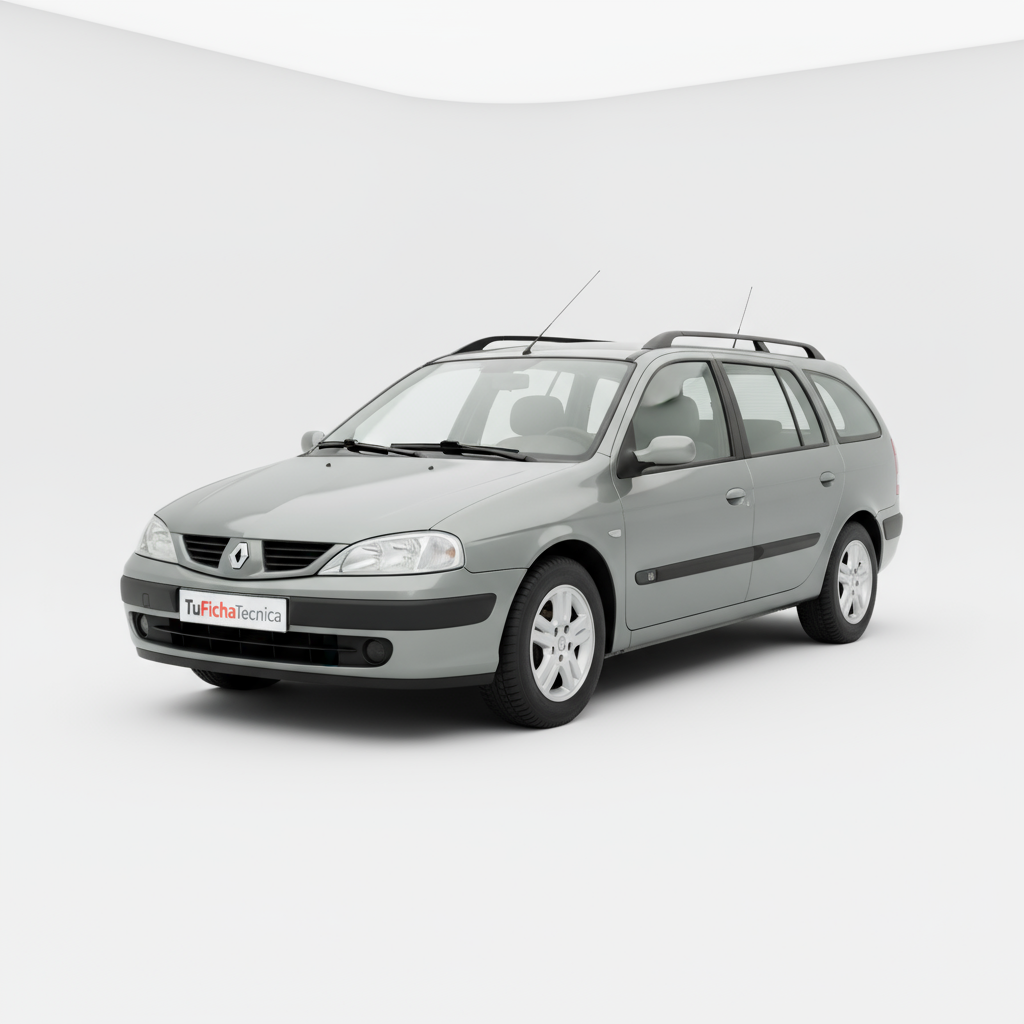
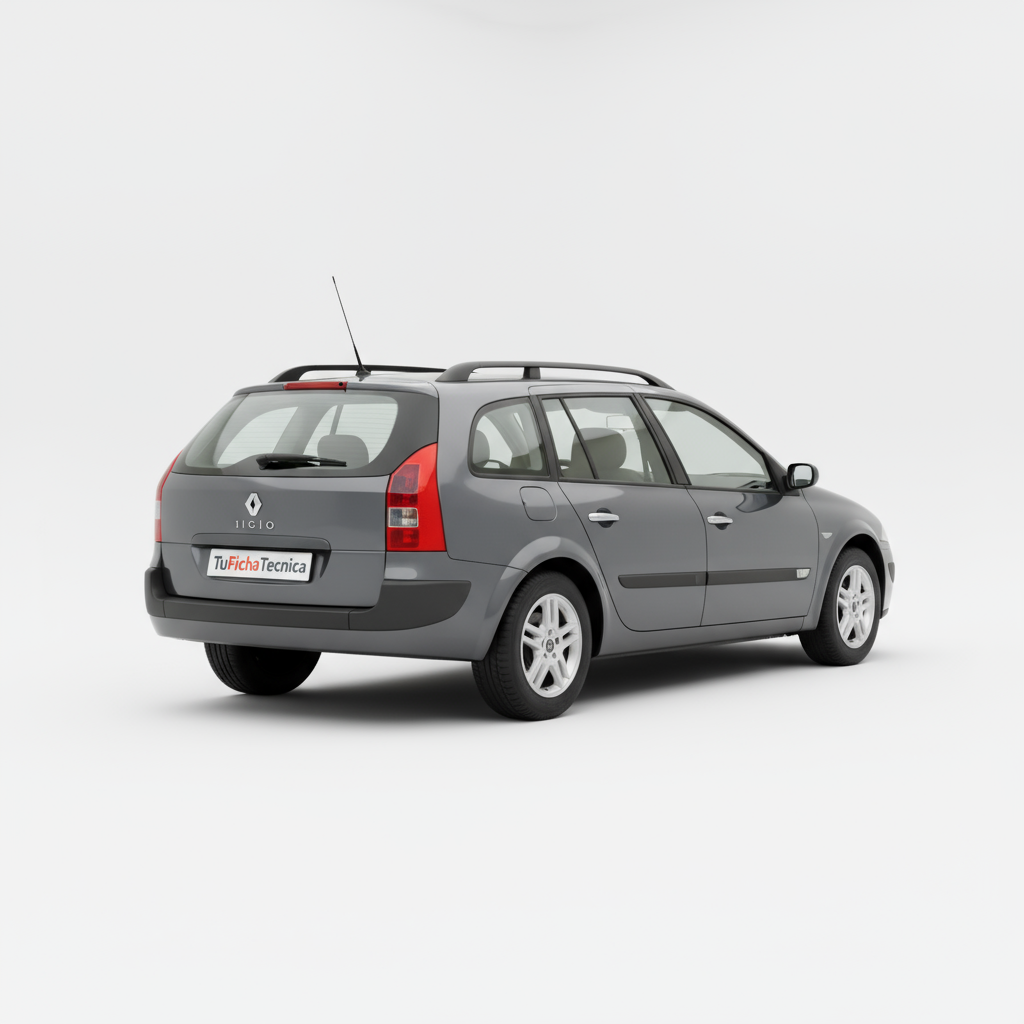
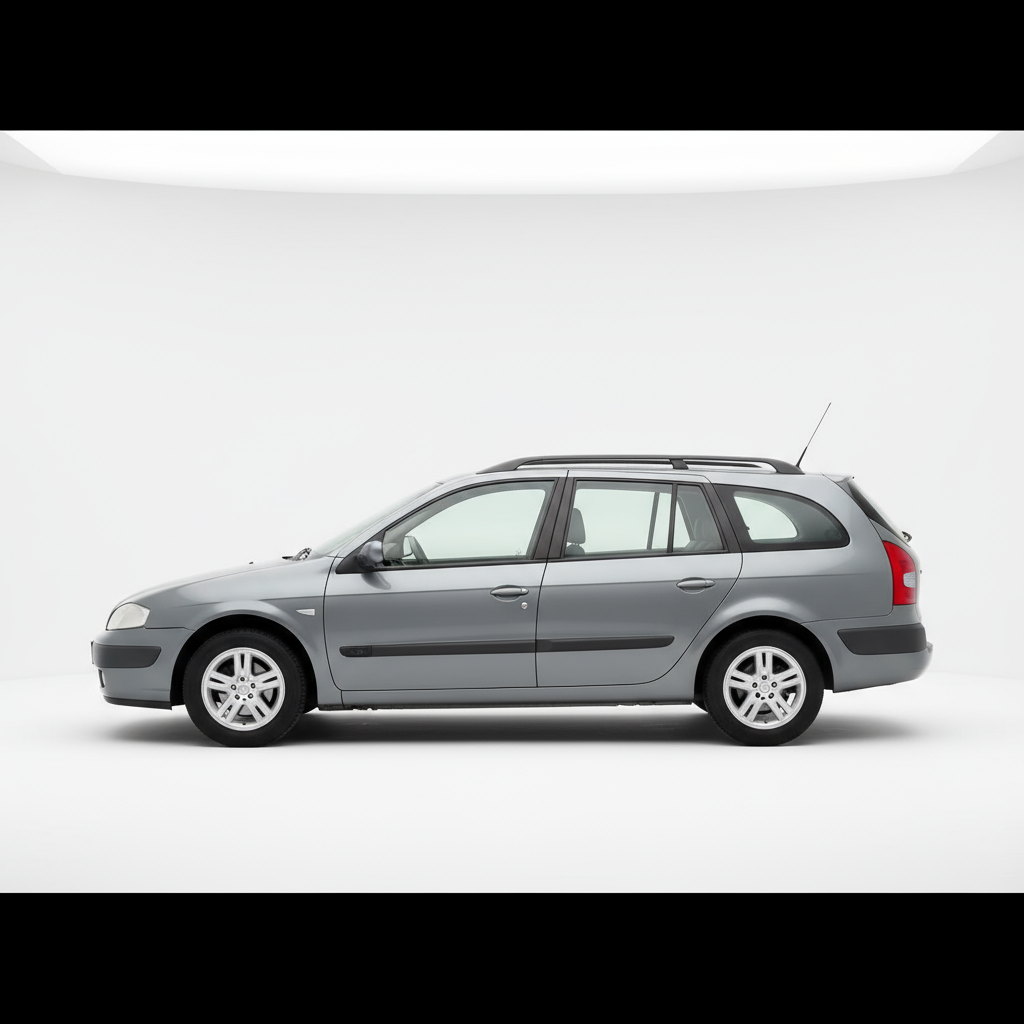
The design of the 1999 Renault Mégane Break was characterized by its sober and functional lines, typical of family vehicles of the late 90s. With a length of 4437 mm, a width of 1699 mm and a height of 1420 mm, its silhouette was designed to maximize interior space and cargo capacity. The front featured the distinctive Renault features of the time, with simply designed headlights and a discreet grille. The rear, with its wide tailgate, facilitated access to a generous 485-liter trunk, ideal for the needs of a family. The 15-inch wheels with 185/60 R15 tires completed a package that prioritized practicality over ostentation.
Technology and features
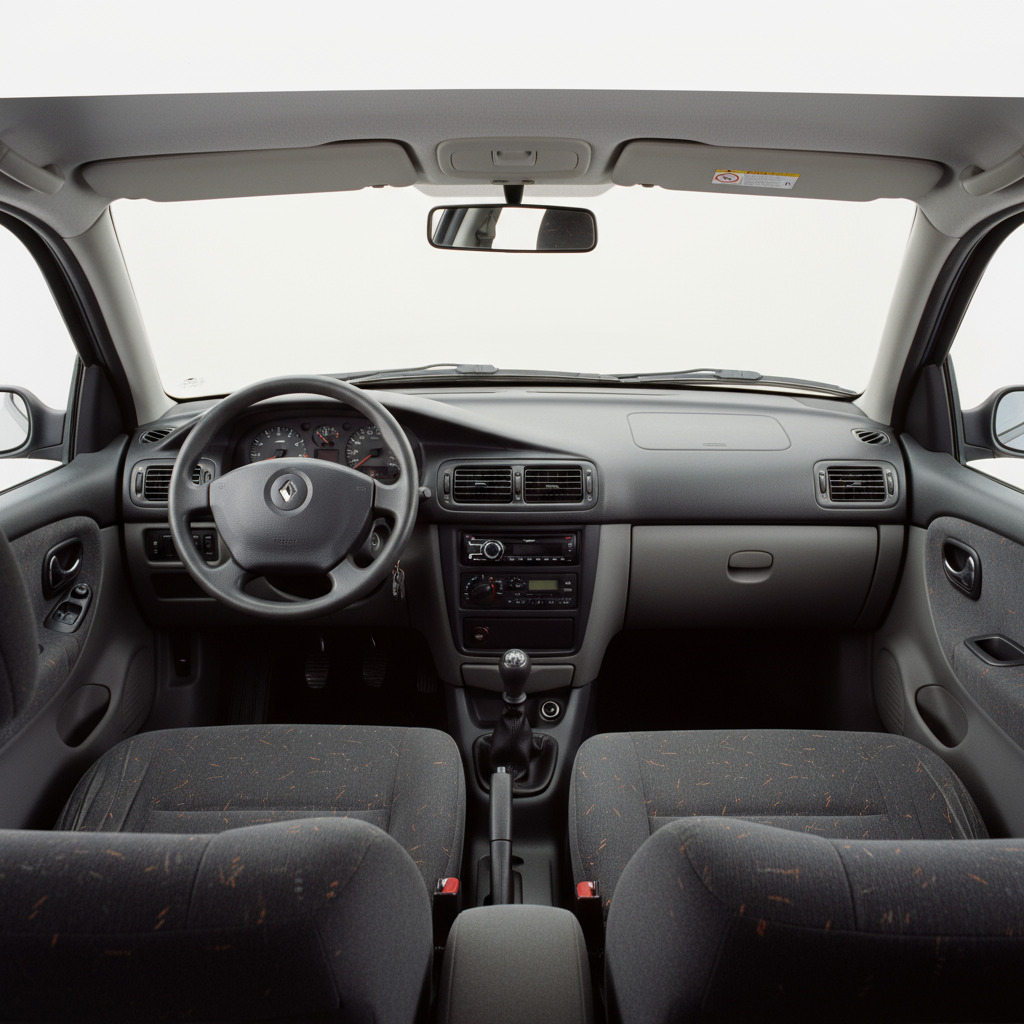
In terms of technology, the 1999 Mégane Break 1.9 dTi RXE incorporated the usual solutions for its segment and era. Its 1.9-liter diesel engine, with direct injection and turbo, was an example of efficiency and reliability. The 5-speed manual transmission allowed precise control over power delivery. Although it lacked the sophisticated current driving aids, it had elements such as power steering and, probably, basic passive safety systems. The instrumentation was clear and functional, providing essential information to the driver. It was a car that relied on proven and effective technology, without risky experiments.
Competition
At the time, the Renault Mégane Break 1.9 dTi RXE faced solid competition in the compact family segment. Among its main rivals were models such as the Opel Astra Caravan, the Ford Focus Wagon, the Volkswagen Golf Variant or the Peugeot 306 Break. All of them offered similar solutions in terms of space, practicality and efficient diesel engines. The Mégane stood out for its overall balance, its ride comfort and its reputation for reliability, which made it an attractive option for those looking for a no-frills family car.
Conclusion
The 1999 Renault Mégane Break 1.9 dTi RXE was a vehicle that more than fulfilled its purpose: to offer practical, economical and reliable family transport. Its functional design, efficient diesel engine and good interior space made it a very popular option in its segment. Although today its features and equipment may seem modest, in its time it represented an intelligent solution for the needs of many families. It is a car that evokes the simplicity and efficiency of an automotive era where utility was the highest priority.