
Especificaciones y análisis del Renault Mégane
Power
102HP
Torque
200Nm
Consumption
5.2l/100
Emissions
-g/km
0-100 km/h
11.5s
Top Speed
188km/h
Weight
1180kg
Price
18,130€
Technical summary
Gasóleo
Manual 5v
FWD
5 / 5 doors
348 L
60 L
75 kW
Current
Technical specifications
Engine
Capacities
Detailed analysis of the Renault Megane Berlina 1.9 dCi Expression · 102 CV (2000-2002)
General description
The 1999 Renault Mégane, in its 1.9 dCi Expression version, presented itself as a balanced and functional option for its time. With its 102 hp diesel engine, it promised a good compromise between performance and efficiency, ideal for daily use and long journeys. Its five-door design made it practical and accessible, establishing itself as a versatile family car in the compact segment.
Driving experience
Behind the wheel of the Mégane 1.9 dCi, the sensation is one of solidity and comfort. The diesel engine, although not an abundance of power, delivers its 102 hp linearly and with a torque of 200 Nm at low revolutions (1500 rpm), which facilitates relaxed driving with good response in the city and on the road. The 5-speed manual gearbox is smooth and precise. The suspension, McPherson type at the front and trailing arm with torsional element at the rear, filters out road irregularities well, offering a comfortable ride for all occupants. The rack-and-pinion steering, although without variable assistance, provides a good connection with the road, making every journey predictable and safe. Acceleration from 0 to 100 km/h in 11.5 seconds and a top speed of 188 km/h are respectable figures for its segment and era, allowing for safe overtakes and a constant pace on the highway.
Design and aesthetics
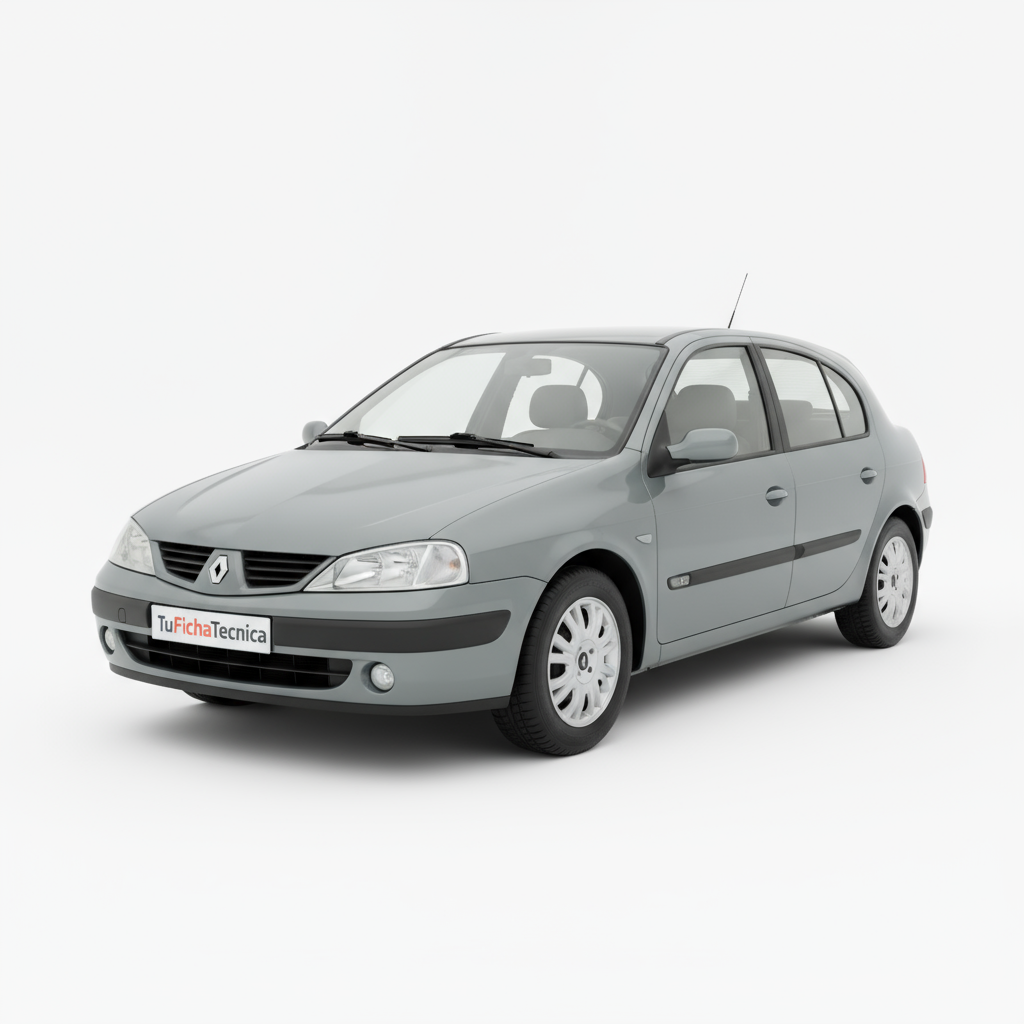
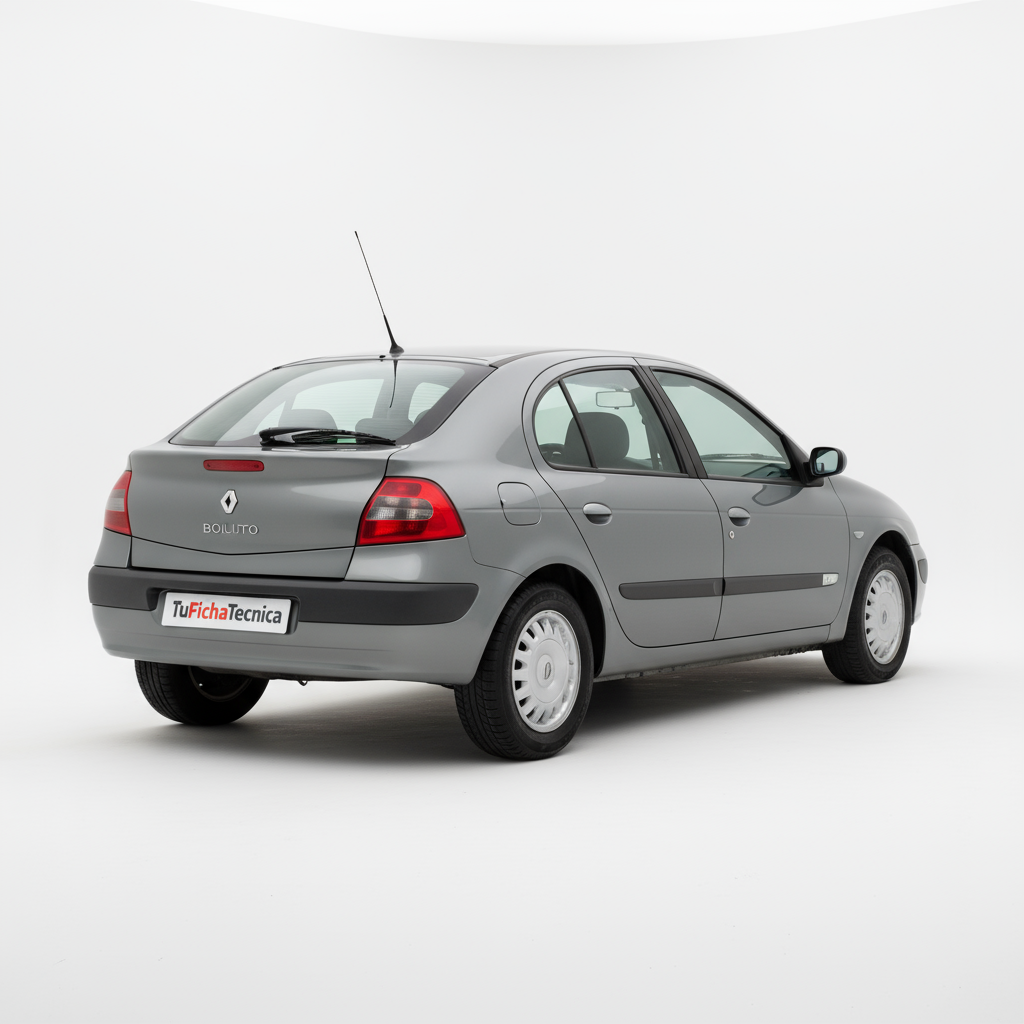
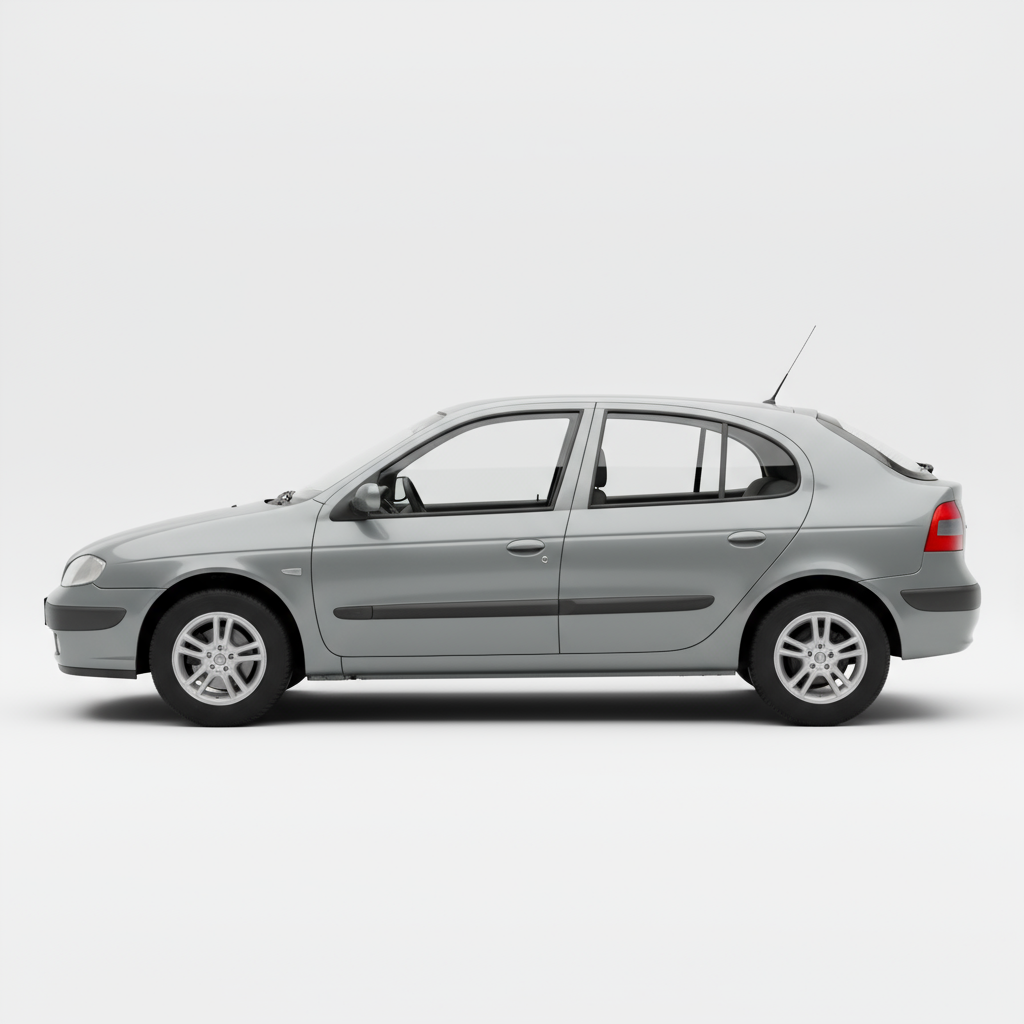
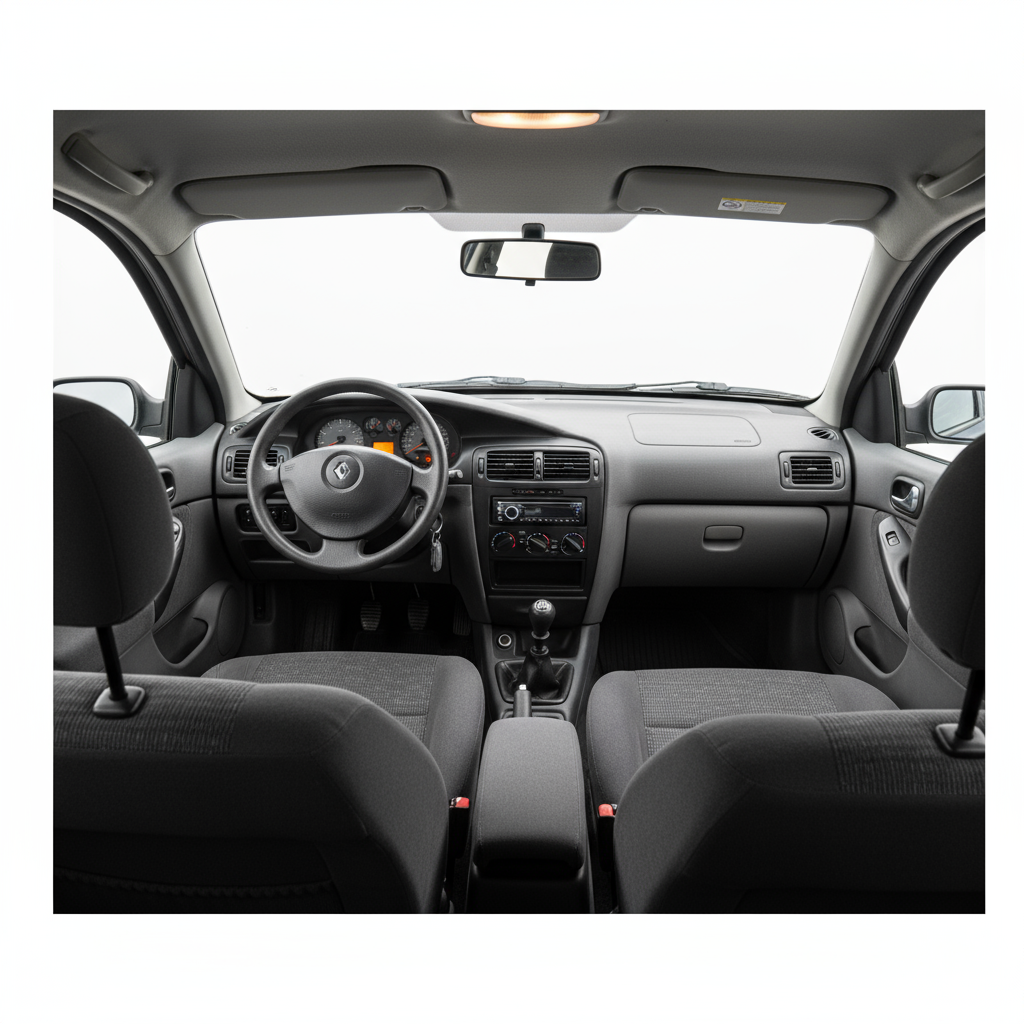
The design of the 1999 Renault Mégane is a reflection of late 90s aesthetics, with soft, rounded lines that seek functionality and aerodynamics. The 5-door body, with its 4129 mm length, 1699 mm width, and 1420 mm height, offers a compact yet spacious appearance. The front headlights are large and wraparound, integrating harmoniously into the front. The rear is simple and functional, with taillights extending to the sides. The 15-inch wheels with 185/60 R15 H tires complement its understated aesthetic. Inside, the layout of the elements is ergonomic, and the materials, though not luxurious, are durable and pleasant to the the touch. The 348-liter trunk is sufficient for a small family's luggage, and habitability is good for four adults.
Technology and features
In terms of technology, the 1999 Mégane 1.9 dCi Expression incorporated advanced solutions for its time. The common rail direct injection diesel engine with turbo was one of the most efficient and powerful technologies available, offering a combined consumption of 5.2 l/100km, an excellent figure. The rack-and-pinion steering, although without variable assistance, was a standard of the era. In terms of safety, it featured ventilated disc brakes of 280 mm on the front axle and 203 mm drums on the rear, a common configuration that offered adequate braking. The independent suspension on both axles, with a stabilizer bar, contributed to good stability and handling. Although it lacked modern driving assistance systems, its equipment was competitive for its segment and year.
Competition
In the competitive compact segment of the late 90s, the Renault Mégane 1.9 dCi Expression faced tough rivals. Among them stood out the Volkswagen Golf IV, known for its build quality and TDI engines; the Opel Astra G, which offered a good balance between comfort and dynamism; and the first-generation Ford Focus, praised for its dynamic behavior. Other competitors included the Peugeot 306, with its characteristic driving feel, and the Citroën Xsara, which prioritized comfort. The Mégane differentiated itself by its focus on comfort, the efficiency of its dCi engine, and a design that, although not as daring as the Focus, was functional and pleasant.
Conclusion
The 1999 Renault Mégane 1.9 dCi Expression was a car that knew how to find its place in the market. It offered a very successful balance between comfort, efficiency, and practicality, which made it a very attractive option for families and drivers looking for a reliable vehicle for daily use and travel. Its diesel engine was a benchmark in consumption, and its design, though discreet, was timeless. Despite technological evolution, this Mégane remains a testament to Renault's engineering of the late 20th century, a car that more than fulfilled its purpose and left a pleasant feeling of solidity and good workmanship.