
Especificaciones y análisis del Renault Laguna
Power
150HP
Torque
320Nm
Consumption
7.7l/100
Emissions
-g/km
0-100 km/h
11s
Top Speed
205km/h
Weight
1555kg
Price
31,950€
Technical summary
Gasóleo
Automático 5v
FWD
5 / 5 doors
475 L
70 L
110 kW
Current
Technical specifications
Engine
Capacities
Detailed analysis of the Renault Laguna Grand Tour 2.2 dCi 150cv Initiale Aut. (2003-2005)
General description
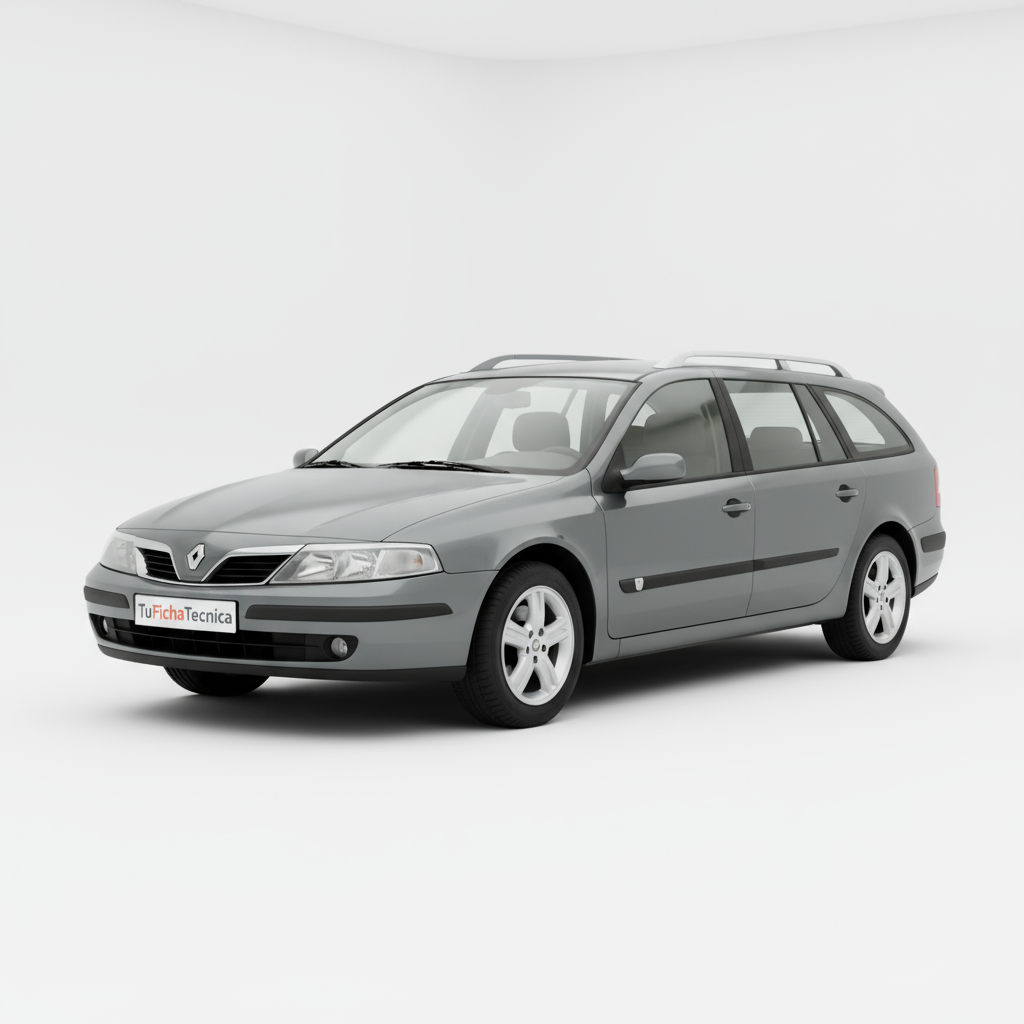
The 2003 to 2005 Renault Laguna Grand Tour 2.2 dCi 150hp Initiale Aut. is a vehicle that, despite its age, still evokes a sense of comfort and practicality. This estate car, with its 150 hp diesel engine and automatic transmission, was presented as an interesting option for those seeking space and comfort on their journeys, without sacrificing a certain level of equipment and performance. Its design, although no longer the most modern, retains a functional elegance that made it stand out in its segment.
Driving experience
Behind the wheel of the Laguna Grand Tour, the predominant sensation is one of smoothness and comfort. The 2.2 dCi engine, with its 150 hp, offers adequate response for most situations, although it is not a car with sporty reactions. The 5-speed automatic gearbox contributes to relaxed driving, ideal for long journeys. The comfort-oriented suspension filters out road irregularities well, making journeys pleasant. However, in fast corners, a body roll is noticeable, reminding of its family focus. The steering, although not the most communicative, fulfills its function in daily use.
Design and aesthetics
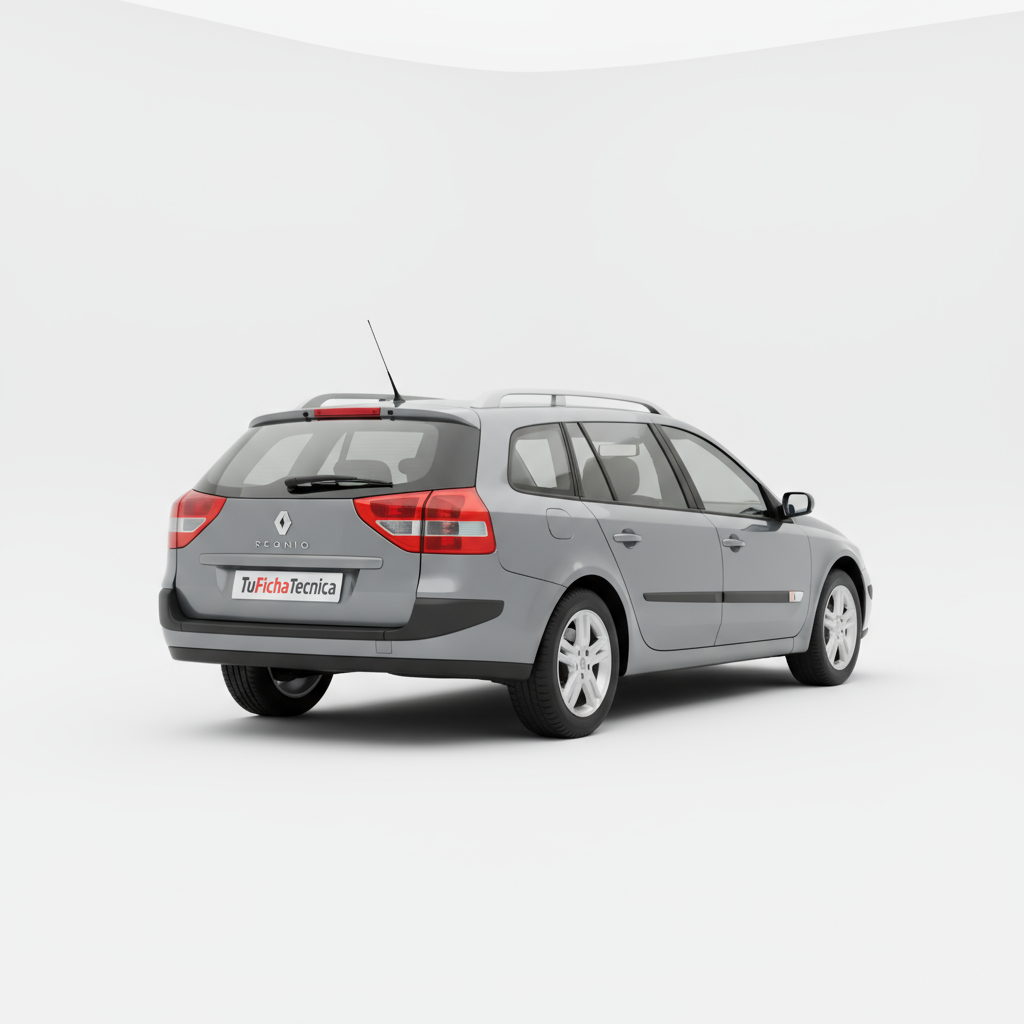
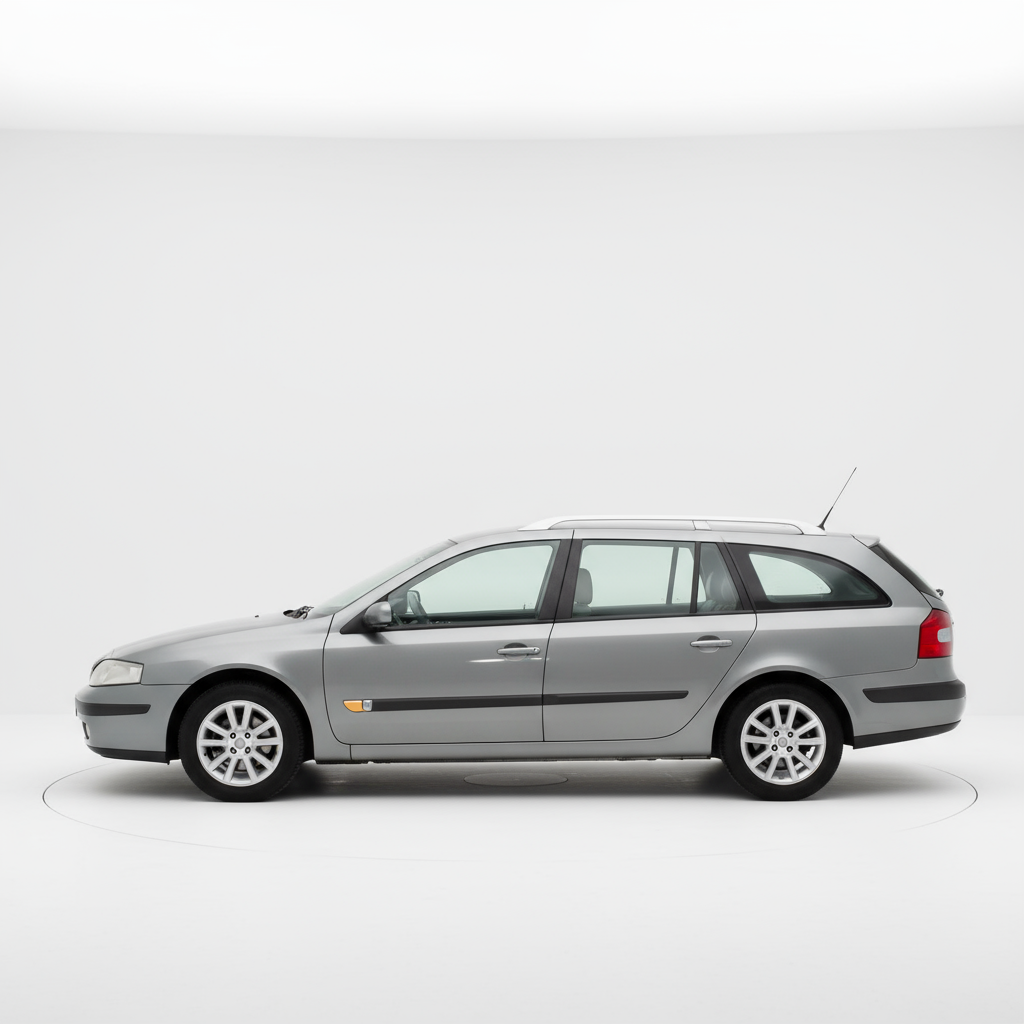
The design of this generation of the Renault Laguna Grand Tour is characterized by its fluid lines and a silhouette that prioritizes functionality and space. The Initiale version, in particular, added details that enhanced its appearance, such as specific wheels and more refined finishes. The front, with its elongated headlights, gave it a distinctive look, while the rear, with a large tailgate, emphasized its vocation as a family vehicle. Although it is not a design that seeks aggressiveness, its aesthetic is balanced and timeless, allowing it to age with dignity.
Technology and features
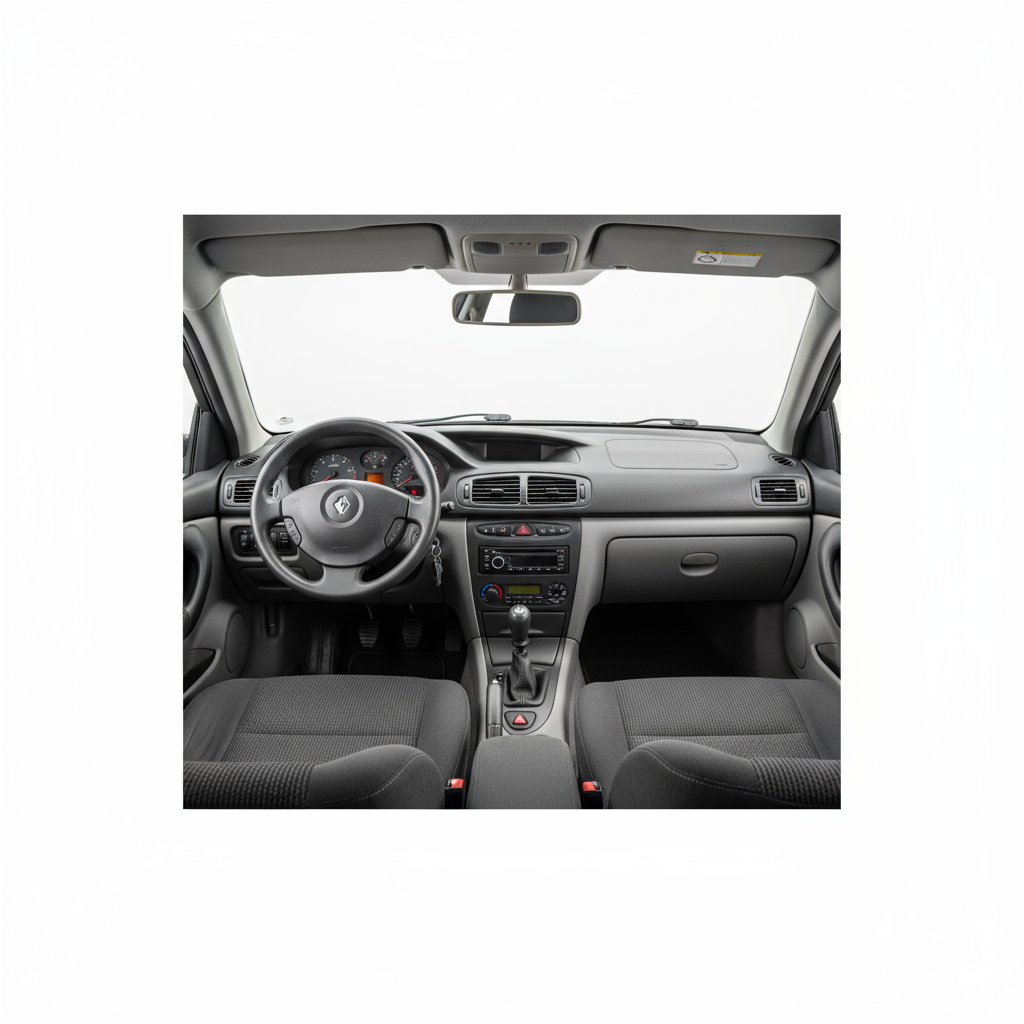
At the time, the Laguna Grand Tour Initiale incorporated technology that sought to improve the driving experience and comfort. The 2.2 dCi engine with common rail direct injection, variable geometry turbo, and intercooler was an advanced propulsion system for its time, offering a good balance between performance and consumption. The 5-speed automatic transmission with torque converter was an important comfort element. Inside, elements such as automatic climate control, a sound system, and, depending on the equipment, navigation systems could be found. Safety was also a strong point, with multiple airbags and braking assistance systems.
Competition
In the segment of diesel estate cars of its time, the Renault Laguna Grand Tour 2.2 dCi 150hp Initiale Aut. faced strong competitors. Among them, models such as the Volkswagen Passat Variant, the Ford Mondeo Wagon, the Peugeot 406 SW (and later the 407 SW), or the Opel Vectra Caravan stood out. Each offered its own virtues, whether in terms of space, driving dynamics, or finish quality. The Laguna positioned itself as an option that prioritized comfort, equipment, and a distinctive aesthetic, seeking to differentiate itself by its softer approach and habitability.
Conclusion
The Renault Laguna Grand Tour 2.2 dCi 150hp Initiale Aut. was a car that managed to combine the practicality of an estate car with a remarkable level of comfort and equipment for its time. Its diesel engine offered good performance for daily use and long journeys, while the automatic transmission made driving easier. Although it was not the most dynamic in its segment, its focus on comfort and space made it a very attractive option for families. Today, it remains a vehicle that can offer comfortable and spacious transport, with an aesthetic that, although classic, maintains its functional charm.