
Especificaciones y análisis del Renault Laguna
Power
98HP
Torque
190Nm
Consumption
5.7l/100
Emissions
-g/km
0-100 km/h
12.7s
Top Speed
177km/h
Weight
1360kg
Price
20,194€
Technical summary
Gasóleo
Manual 5v
FWD
5 / 5 doors
520 L
66 L
72 kW
Current
Technical specifications
Engine
Capacities
Detailed analysis of the Renault Laguna Break 1.9dTi RXE · 98 CV (2000)
General description
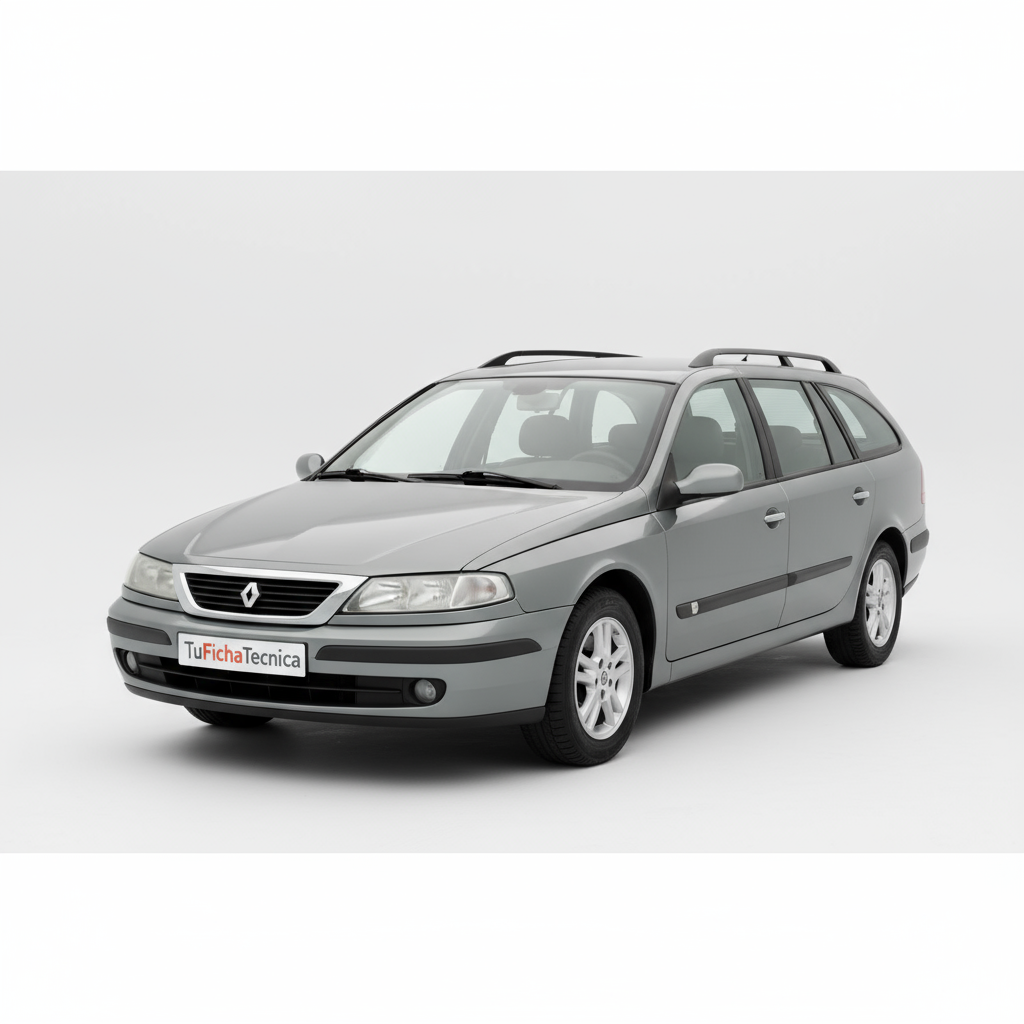
The 1998 Renault Laguna Break 1.9dTi RXE is a vehicle that embodies the essence of practicality and family comfort of the late 90s. With its station wagon body, this Laguna was presented as a sensible option for those seeking space and economy, without sacrificing a touch of French elegance. Its direct injection diesel engine promised efficiency in an era when diesel was beginning to gain ground.
Driving experience
Behind the wheel of the Laguna Break, the predominant sensation is one of smoothness and comfort. The suspension, typically Renault, absorbs road irregularities with a gentleness that invites long journeys. The 1.9 dTi engine, with its 98 HP, offers an adequate response for daily use and for effortlessly moving family loads, albeit without great sporting pretensions. The steering is light and the 5-speed manual gearbox is precise, contributing to a relaxed and predictable driving experience. It is not a car for strong emotions, but for enjoying the journey with peace of mind.
Design and aesthetics
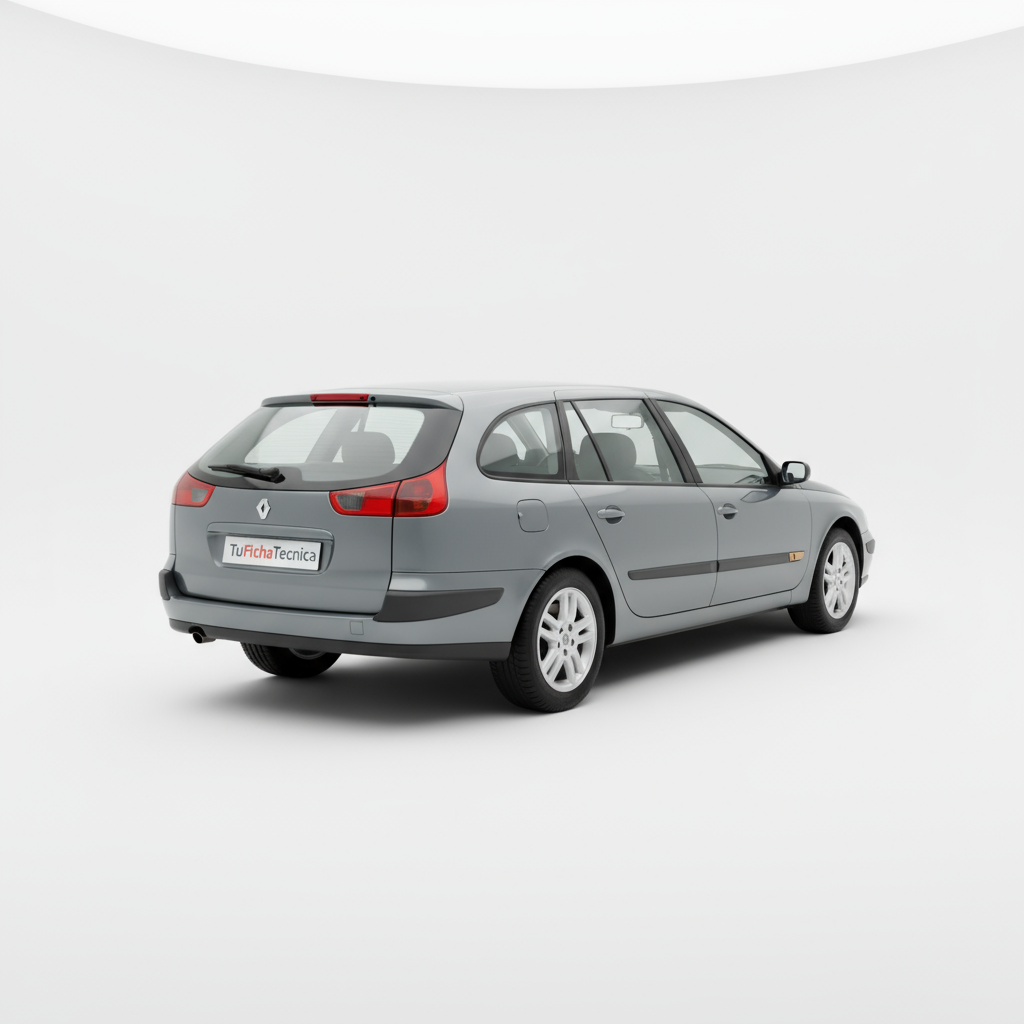
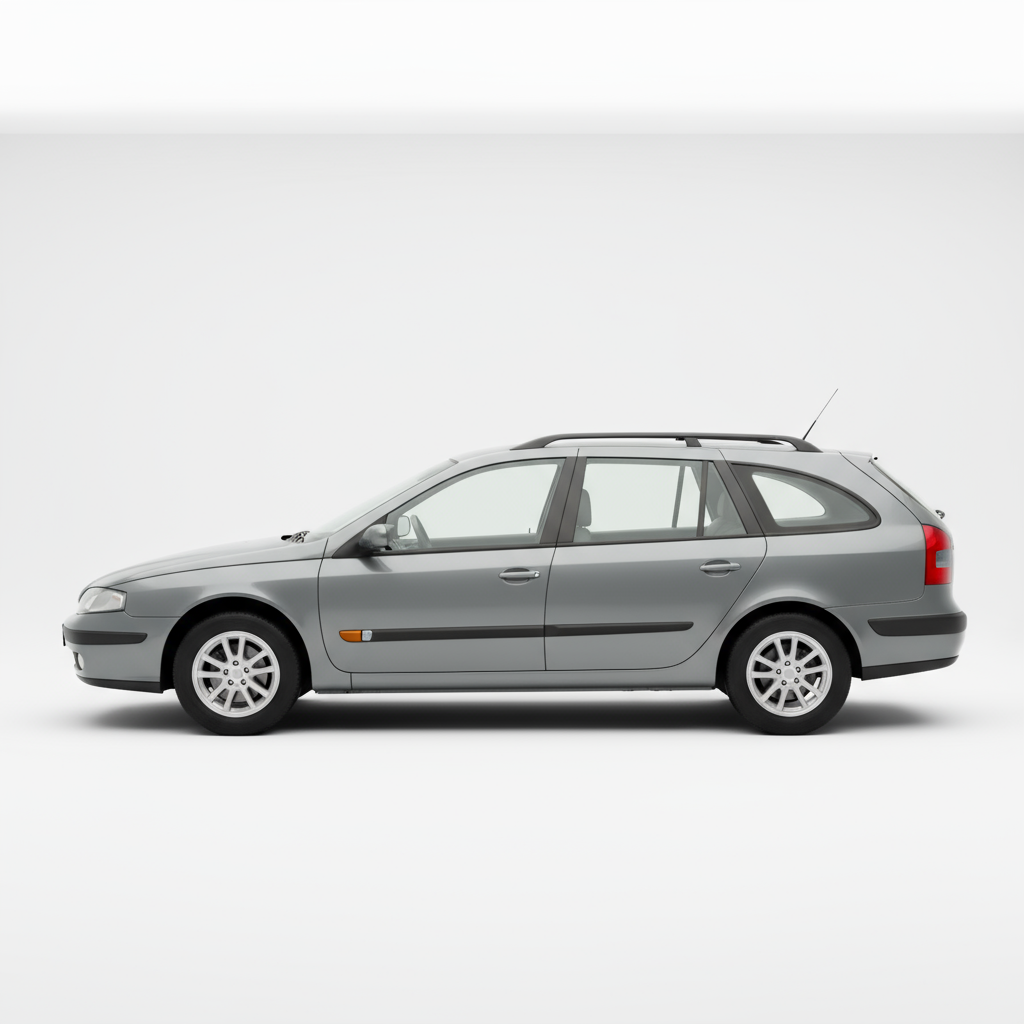
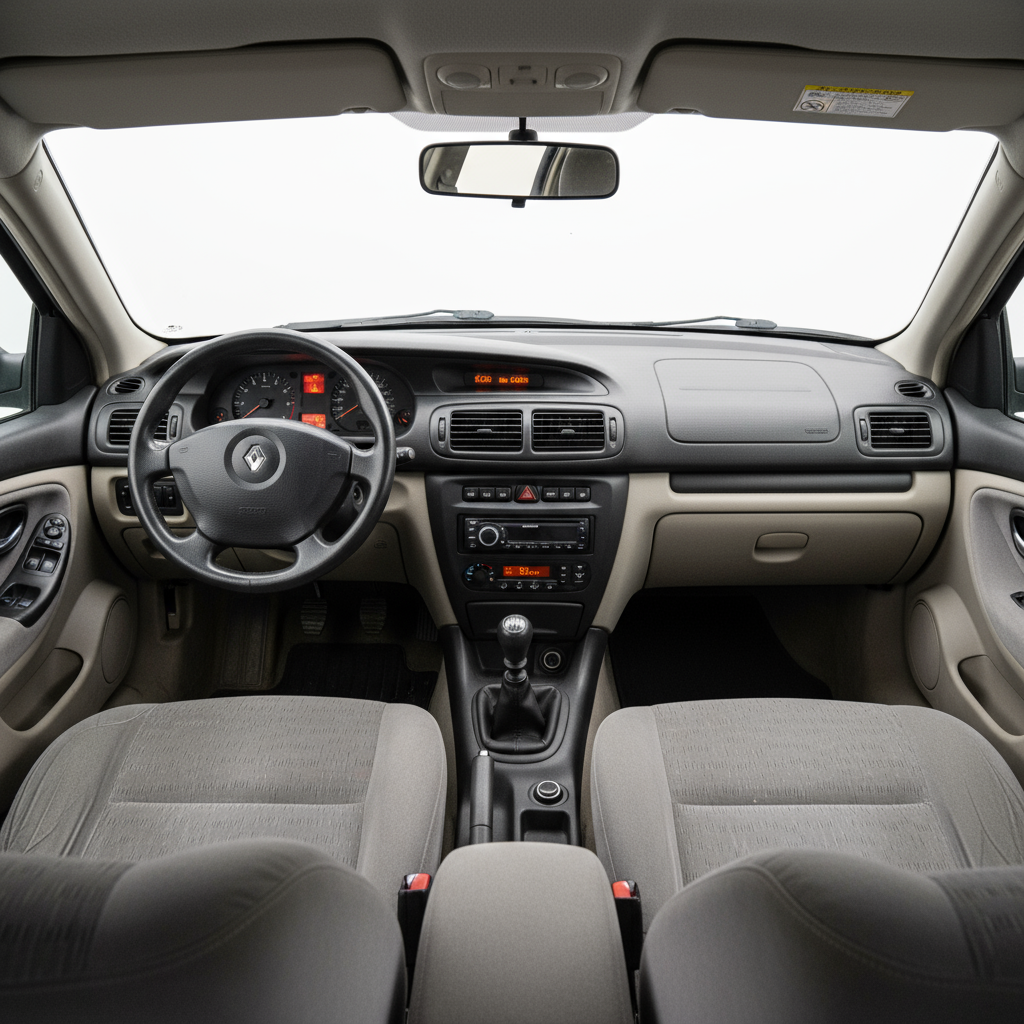
The design of the 1998 Laguna Break is a reflection of its time, with soft and rounded lines that sought aerodynamics and a friendly aesthetic. The station wagon version adds an extended rear that integrates harmoniously with the rest of the set, maximizing cargo space without sacrificing elegance. The generously sized headlights and discreet grille give it a characteristic look. Inside, functionality prevails, with a well-organized dashboard and materials that, without being luxurious, convey a sense of solidity and durability.
Technology and features
In terms of technology, the Laguna Break 1.9dTi RXE incorporated the innovations of its time. The 1.9 dTi engine stood out for its direct injection and turbo, a combination that improved efficiency and performance compared to naturally aspirated diesels. Inside, elements such as air conditioning, electric windows, and a sound system could be found that, although basic by current standards, offered a decent auditory experience. Passive safety was also a point to consider, with airbags and braking systems that sought to protect occupants.
Competition
In its segment, the Renault Laguna Break competed with models such as the Ford Mondeo Wagon, the Opel Vectra Caravan, and the Peugeot 406 Break. Each offered its own virtues, but the Laguna stood out for its ride comfort, distinctive design, and good value for money. Compared to its rivals, the Laguna Break offered a very attractive balance between space, equipment, and road behavior that prioritized comfort.
Conclusion
The 1998 Renault Laguna Break 1.9dTi RXE is a car that, despite the passage of time, remains a testament to French engineering focused on the family. It offers generous space, remarkable ride comfort, and an efficient diesel engine that makes it an ideal companion for long trips or daily use. It is a vehicle that, without sporting pretensions, more than fulfills its function as family transport, leaving a mark of reliability and practicality.