
Especificaciones y análisis del Renault Laguna
Power
150HP
Torque
340Nm
Consumption
5.5l/100
Emissions
144g/km
0-100 km/h
9.5s
Top Speed
210km/h
Weight
1537kg
Price
27,400€
Technical summary
Gasóleo
Manual 6v
FWD
5 / 5 doors
450 L
66 L
110 kW
Current
Technical specifications
Engine
Capacities
Detailed analysis of the Renault Laguna Berlina Privilege dCi 150 FAP · 150 CV (2009-2010)
General description
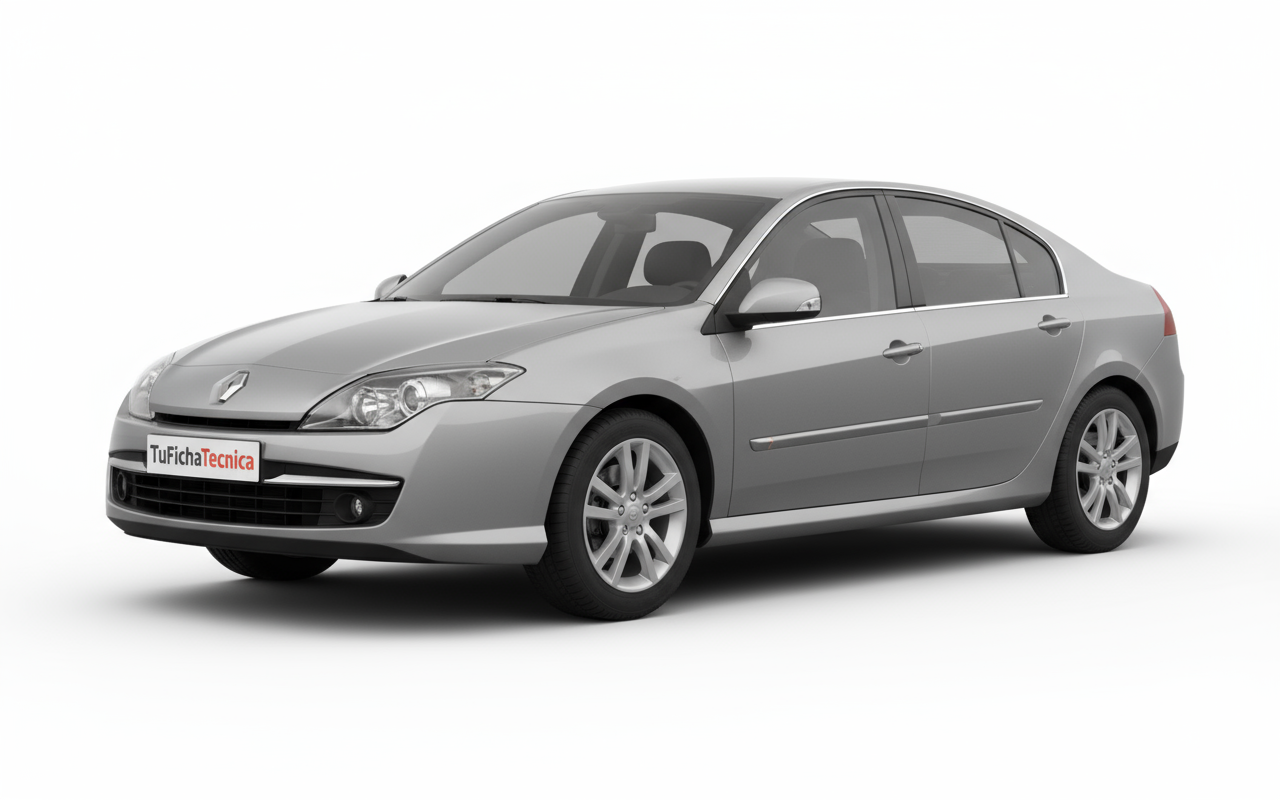
The 2008 Renault Laguna, in its Berlina Privilege dCi 150 FAP version, presents itself as an interesting option within the mid-size sedan segment. With a 150 hp diesel engine and a price of €27,400, this model sought to offer a balance between comfort, performance, and efficiency. Its design, although not revolutionary, provided a sober and elegant image, characteristic of the French brand at that time. This Laguna promised to be a reliable and pleasant travel companion for daily use and long journeys.
Driving experience
Behind the wheel of the Laguna dCi 150, the predominant sensation is one of smoothness and comfort. The diesel engine, with its 150 hp and 340 Nm of torque, offers an energetic response from low revolutions, which facilitates overtakes and highway driving. The 6-speed manual gearbox pairs well with the engine, allowing for fluid driving. The suspension, McPherson type at the front and trailing arm with torsional element at the rear, effectively filters out road irregularities, contributing to a pleasant journey. The hydraulic steering, although not the most direct, provides good assistance and a pleasant feel. In general, the Laguna invites relaxed driving, without sacrificing responsiveness when required.
Design and aesthetics
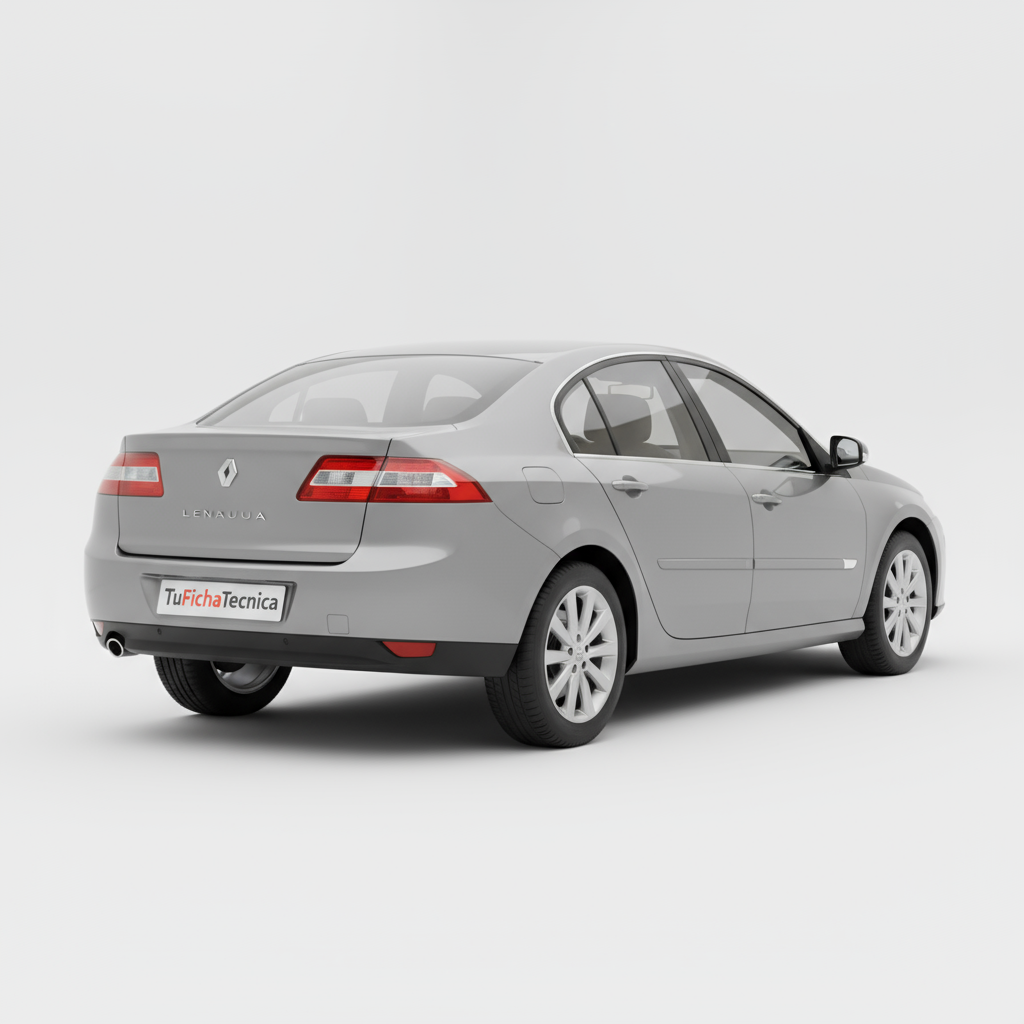
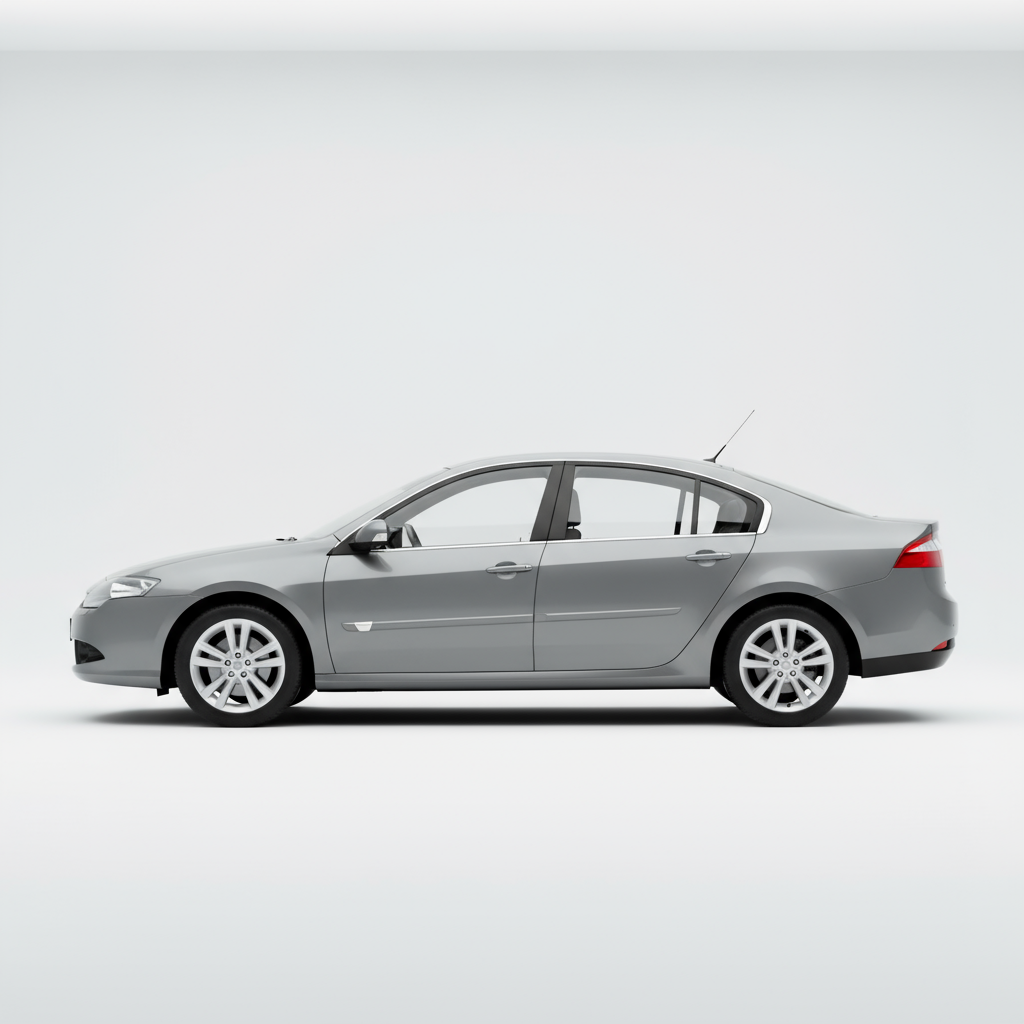
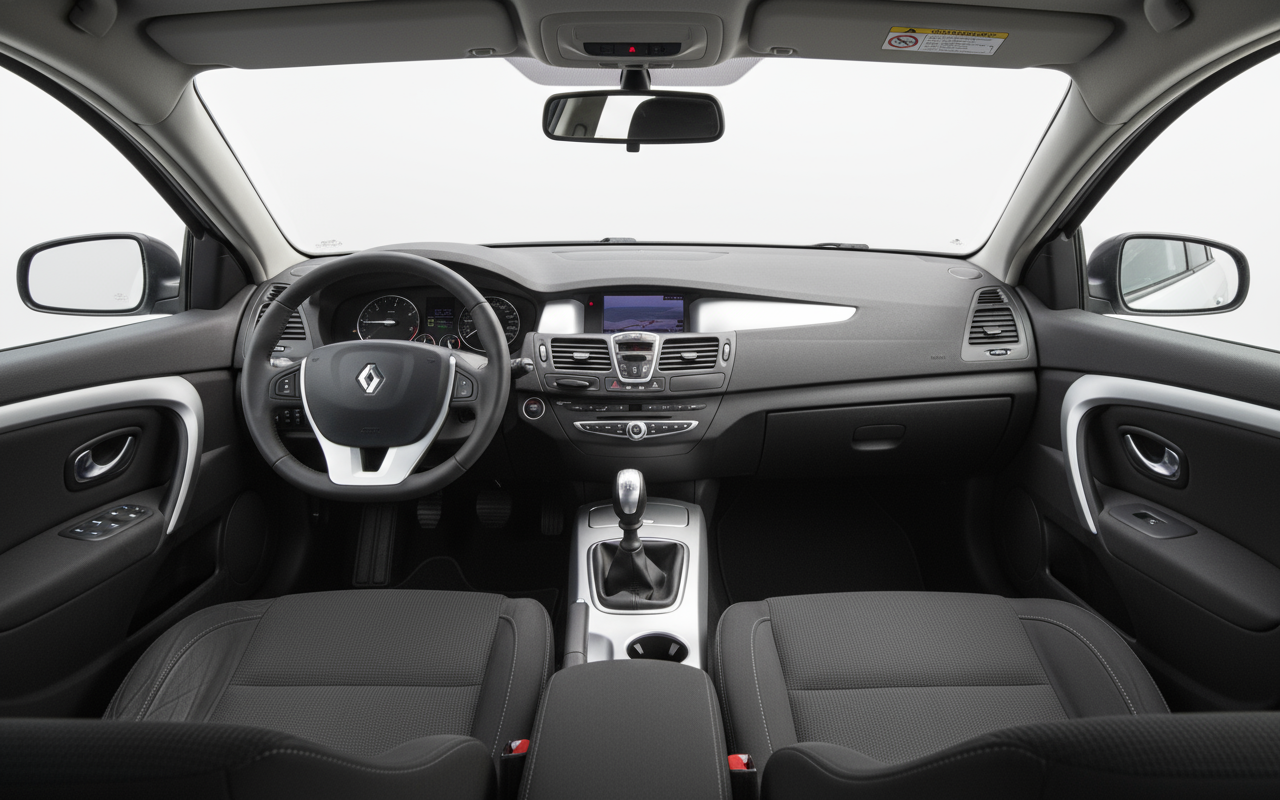
The design of the 2008 Renault Laguna is characterized by its fluid and elegant lines, seeking a timeless aesthetic. The five-door sedan body offers a balanced silhouette, with a front that harmoniously integrates the headlights and a rear that culminates in a practical tailgate. Although it is not a car that seeks to attract attention with its boldness, its design conveys a sense of solidity and maturity. The interior, for its part, focuses on ergonomics and perceived quality, with pleasant-to-the-touch materials and a well-organized dashboard, where each element has its place.
Technology and features
In terms of technology, the Laguna dCi 150 FAP incorporated solutions typical of its segment and era. The 1995 cc diesel engine, with common rail direct injection, variable geometry turbo, and intercooler, was an example of efficiency and performance. The presence of the particulate filter (FAP) demonstrated Renault's commitment to emissions regulations. In terms of safety, it was expected to have comprehensive equipment, including multiple airbags and driving assistance systems. The infotainment system, although not as advanced as current ones, offered the basic audio and connectivity functions of the time.
Competition
In the competitive mid-size sedan segment, the Renault Laguna dCi 150 FAP faced tough rivals. Models such as the Volkswagen Passat, Ford Mondeo, Opel Insignia, or Peugeot 407 were its main contenders. Each of them offered their own virtues, whether in terms of space, equipment, driving dynamics, or brand image. The Laguna sought to differentiate itself by its ride comfort, elegant design, and good value for money, trying to attract buyers who valued comfort and discretion.
Conclusion
The 2008 Renault Laguna Berlina Privilege dCi 150 FAP was a car that, without being a bestseller, offered a solid and balanced proposal. Its ride comfort, the smoothness of its diesel engine, and a discreet but elegant design made it an attractive option for those looking for a sedan for daily use and long journeys. Although it did not stand out for extreme sportiness, its road behavior was safe and predictable. In short, a car that more than fulfilled its purpose, offering a pleasant and functional driving experience.