
Especificaciones y análisis del Renault Kangoo
Power
68HP
Torque
160Nm
Consumption
5.5l/100
Emissions
147g/km
0-100 km/h
16s
Top Speed
148km/h
Weight
1160kg
Price
12,243€
Technical summary
Gasóleo
Manual 5v
FWD
5 / 4 doors
650 L
50 L
50 kW
Current
Technical specifications
Engine
Capacities
Detailed analysis of the Renault Kangoo Campus Combi 1.5 dCi 70 CV (2008-2010)
General description
The Renault Kangoo Campus Combi 1.5 dCi 70 HP, launched in 2006, represents the essence of functionality and economy. This vehicle, with its practical design and efficient diesel engine, positioned itself as an ideal option for those looking for a versatile car for daily use, capable of combining passenger transport with good cargo capacity. Its price of 12,243 euros at the time made it accessible, consolidating it as an intelligent alternative in the segment of light commercial vehicles adapted for family use.
Driving experience
Behind the wheel of the Kangoo Campus Combi, the predominant feeling is that of an honest and unpretentious vehicle. Its 68 HP, although modest, are sufficient to move with ease in urban and suburban environments, offering an adequate response for daily traffic. Acceleration from 0 to 100 km/h in 16 seconds and a top speed of 148 km/h do not invite sporty driving, but rather a relaxed and efficient style. The McPherson-type front suspension absorbs road irregularities well, providing acceptable ride comfort for its category. The rack-and-pinion steering, although lacking the precision of more modern models, fulfills its function, making maneuvers simple. The combined consumption of 5.5 l/100km is one of its strong points, allowing long journeys at a contained cost. It is a car that conveys confidence in its simplicity, ideal for those who value practicality above pure performance.
Design and aesthetics
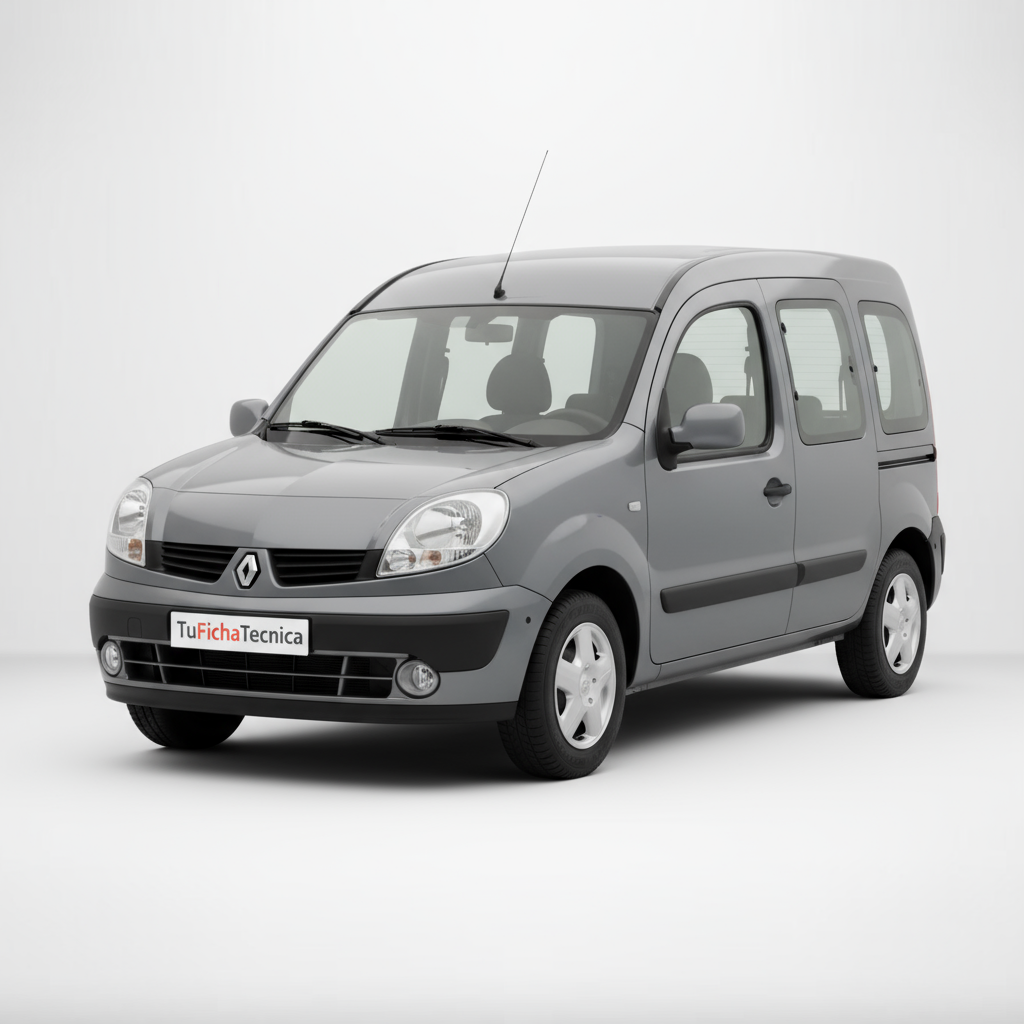
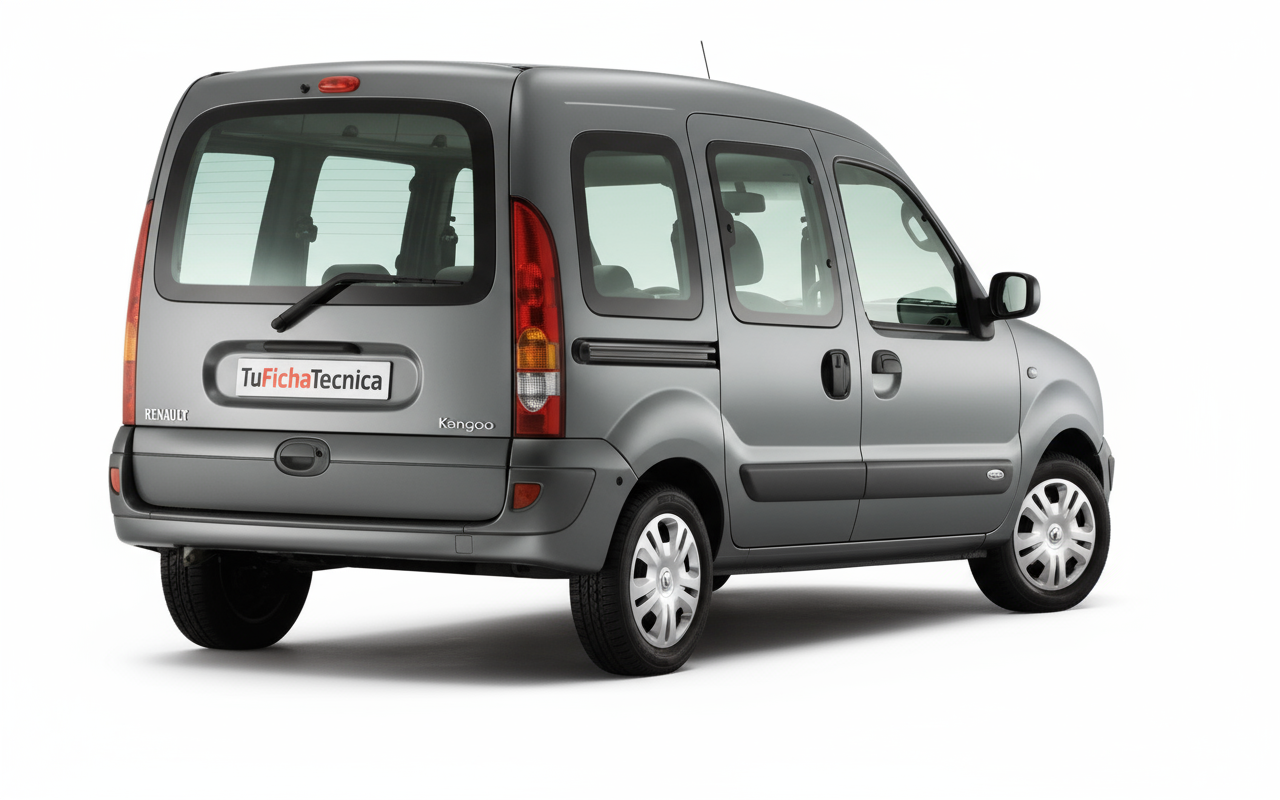
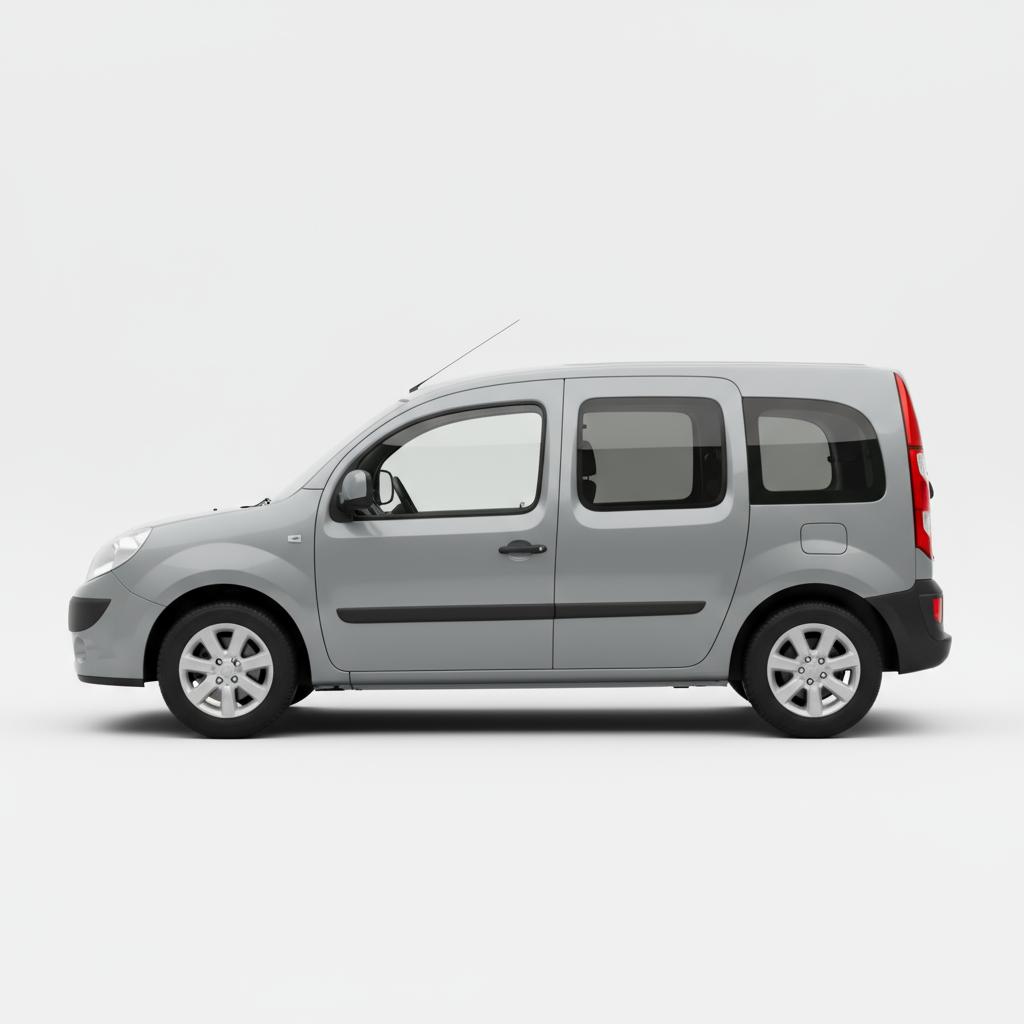
The design of the Renault Kangoo Campus Combi is eminently functional. Its lines are simple and robust, designed to maximize interior space and cargo capacity. With a length of 4035 mm, a width of 1672 mm, and a height of 1800 mm, its silhouette is unmistakably that of a van-derived vehicle, but with a friendlier touch thanks to its Combi finishes. The four doors facilitate access to a cabin that, although not luxurious, is practical and spacious. The 650-liter trunk is one of its great attractions, offering exceptional versatility for families or professionals. The 175/65 R14 tires and 5.5 x 14-inch wheels reinforce its image as a robust vehicle ready for daily work. It is a design that prioritizes utility and durability, without artifice, but with its own personality that makes it recognizable.
Technology and features
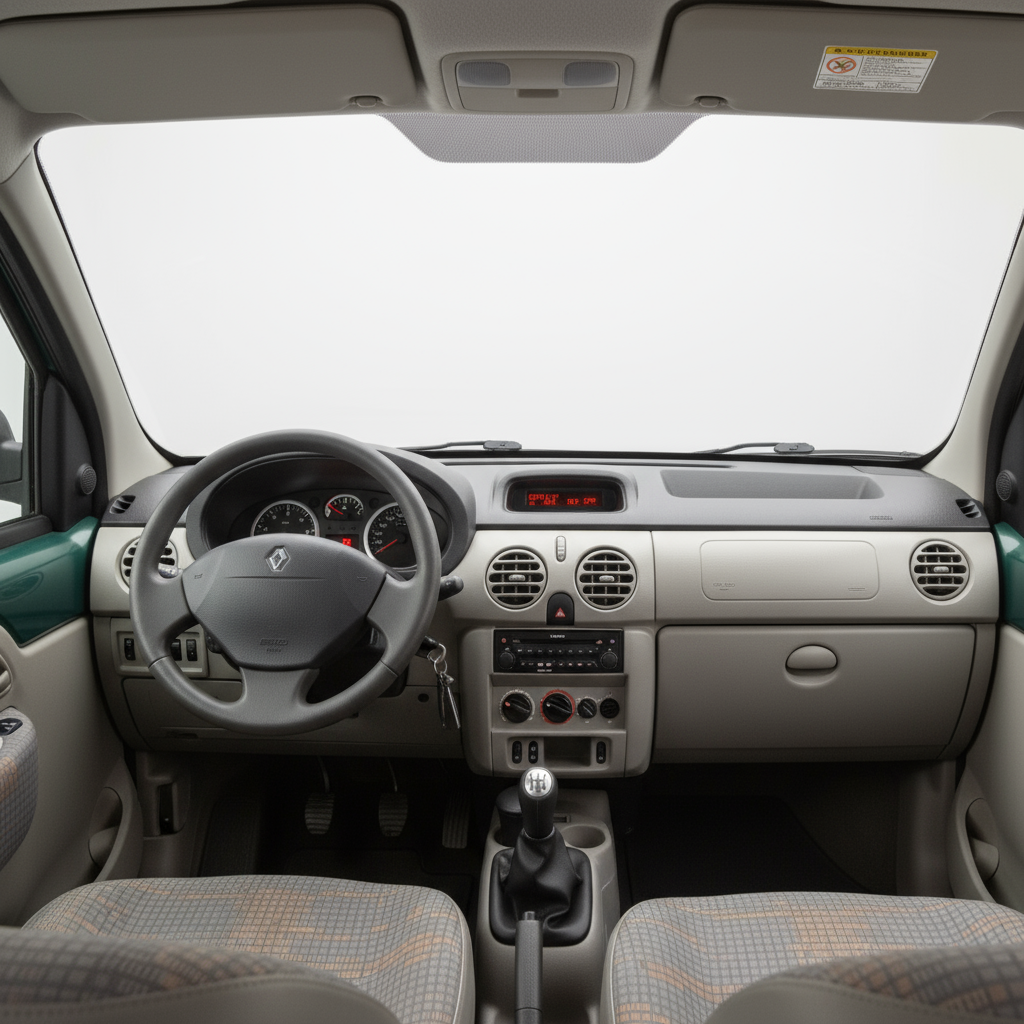
In terms of technology, the 2006 Renault Kangoo Campus Combi 1.5 dCi presents itself as a vehicle of its time, focused on reliability and mechanical efficiency. Its 1461 cc diesel engine, with common rail direct injection and turbo, is the heart of its proposal, offering a remarkable balance between power and consumption. The 5-speed manual transmission is simple and effective, contributing to the durability of the assembly. In terms of safety, it has 259 mm front disc brakes and 228 mm rear drums, a standard configuration for the segment. The McPherson-type front suspension and stabilizers on both axles ensure predictable behavior. We should not expect large touch screens or advanced driving assistance systems, as its technology focuses on the essentials: a reliable engine, a robust transmission, and a structure designed for intensive use.
Competition
In the 2006 market, the Renault Kangoo Campus Combi 1.5 dCi faced direct competitors such as the Citroën Berlingo, the Peugeot Partner, and the Fiat Doblò. All of them shared the philosophy of offering a versatile vehicle, with large cargo capacity and passenger space, derived from a commercial platform. The Kangoo stood out for its dCi engine, known for its efficiency and reliability, and for a design that, although functional, had a distinctive touch. Compared to its rivals, the Kangoo offered a good balance between price, performance, and maintenance costs, which made it a very competitive option for families and small business owners looking for a work and leisure companion.
Conclusion
The Renault Kangoo Campus Combi 1.5 dCi 70 HP is a vehicle that, despite the years, remains a testament to practical and efficient engineering. Its proposal is based on functionality, economy of use, and proven reliability. It is the perfect car for those who need space, versatility, and low maintenance costs, without sacrificing basic comfort. Its diesel engine, although not a prodigy of power, more than fulfills its purpose for daily use, and its interior design maximizes every available centimeter. It is a loyal companion, a vehicle that does not seek to impress, but to faithfully serve its owners, demonstrating that true beauty lies in utility and durability.