
Especificaciones y análisis del Renault Kangoo
Power
75HP
Torque
114Nm
Consumption
7.5l/100
Emissions
-g/km
0-100 km/h
14.3s
Top Speed
155km/h
Weight
1020kg
Price
12,870€
Technical summary
Gasolina
Manual 5v
FWD
5 / 5 doors
500 L
52 L
55 kW
Current
Technical specifications
Engine
Capacities
Detailed analysis of the Renault Kangoo 1.4 RXE · 75 CV (2000-2001)
General description
The 1996 Renault Kangoo 1.4 RXE is a vehicle that marked an era, offering a different proposition in the market. With its 75 hp gasoline engine and a 5-speed manual gearbox, it presented itself as a practical and versatile option for everyday use. Its design, though functional, did not go unnoticed, and its load capacity made it an ideal companion for families and professionals. This model, with its front-wheel drive, promised simple and efficient driving, adapting to the needs of a wide range of users.
Driving experience
Behind the wheel of the Kangoo 1.4 RXE, the predominant feeling is one of practicality and comfort. Its 75 hp engine, while not an abundance of power, more than suffices for urban and road driving, allowing it to reach 100 km/h in 14.3 seconds and a top speed of 155 km/h. The McPherson type suspension at the front and ventilated disc brakes on the front axle, along with rear drums, offer an adequate response for a vehicle in its category. The rack-and-pinion steering, though without variable assistance, provides good control. The combined consumption of 7.5 l/100km made it an economical car for its time, and its 52-liter tank ensured good autonomy. It is a car that, without great sporting pretensions, offers an honest and functional driving experience.
Design and aesthetics
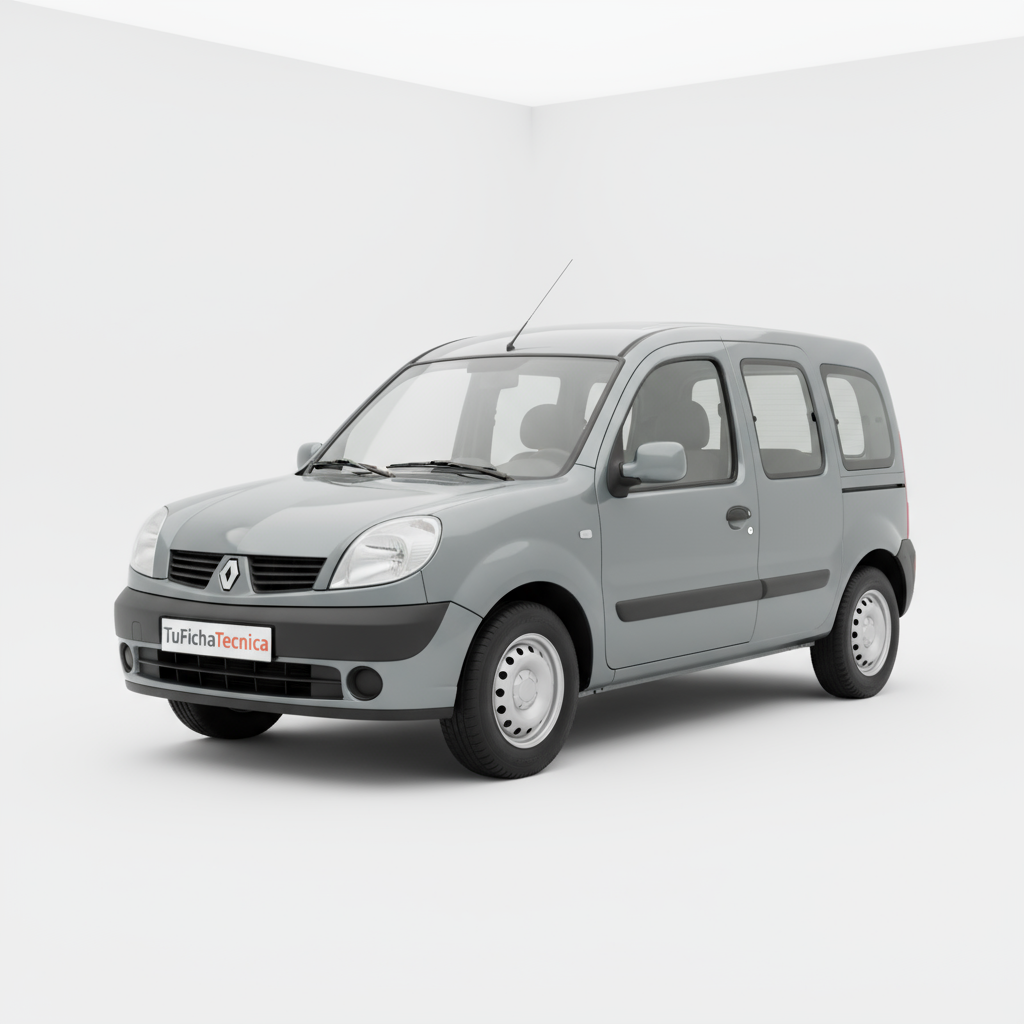
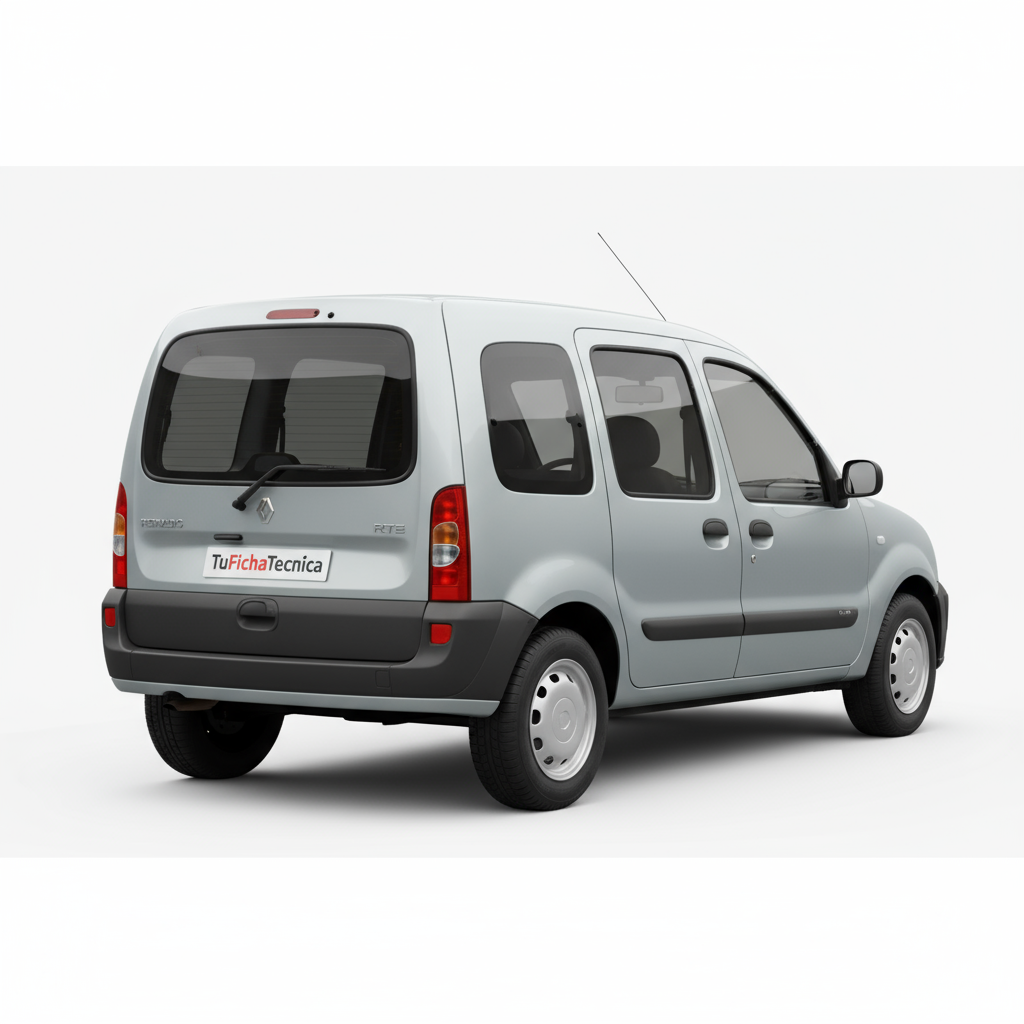
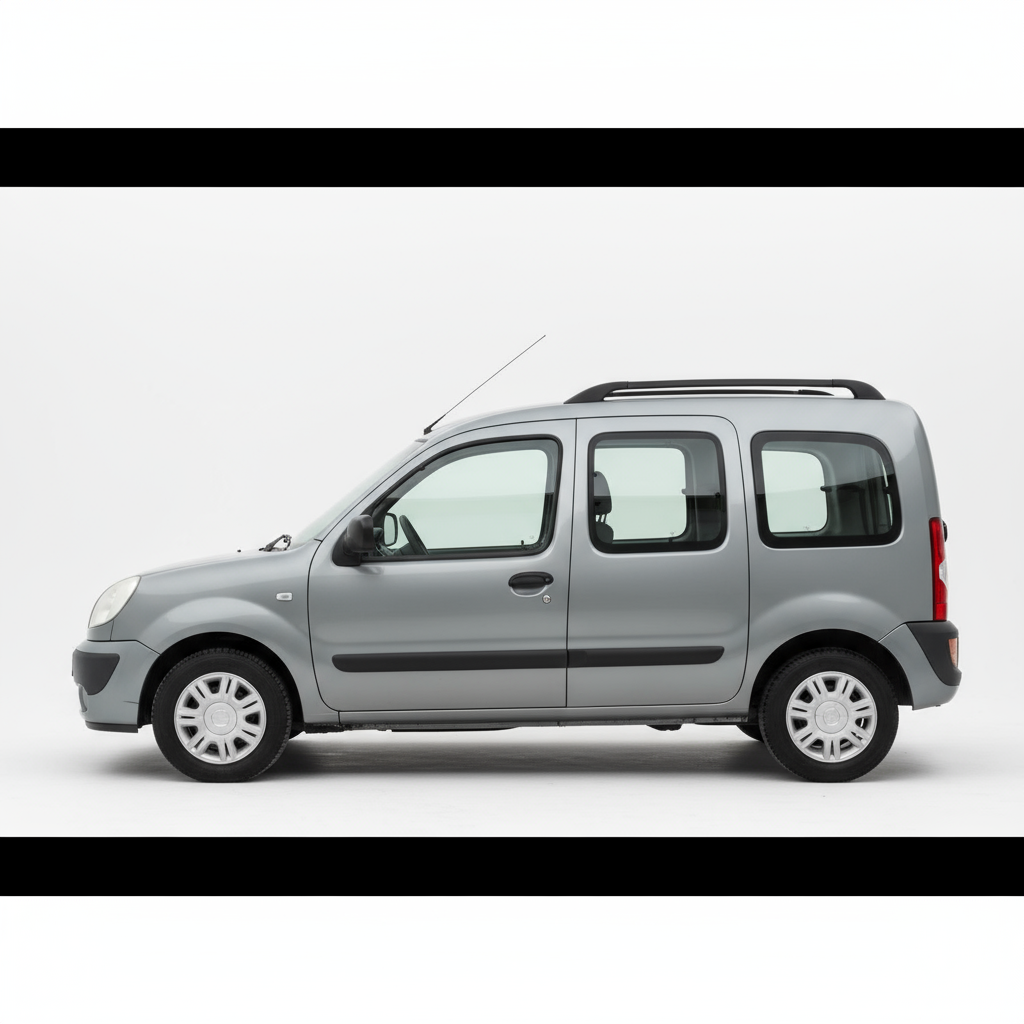
The design of the 1996 Renault Kangoo is unmistakable, with its robust lines and elevated silhouette that prioritizes interior space. With a length of almost 4 meters, a width of 1.66 meters, and a height of 1.82 meters, its presence on the road is notable. The 5 doors facilitate access to a spacious cabin, capable of comfortably accommodating 5 occupants. The trunk, with a minimum capacity of 500 liters, is one of its strong points, offering exceptional versatility for transporting objects. The 14-inch wheels with 175/70 R14 tires complement its functional aesthetic, while its 2.6-meter wheelbase contributes to good stability. It is a design that, although focused on utility, has its own timeless charm.
Technology and features
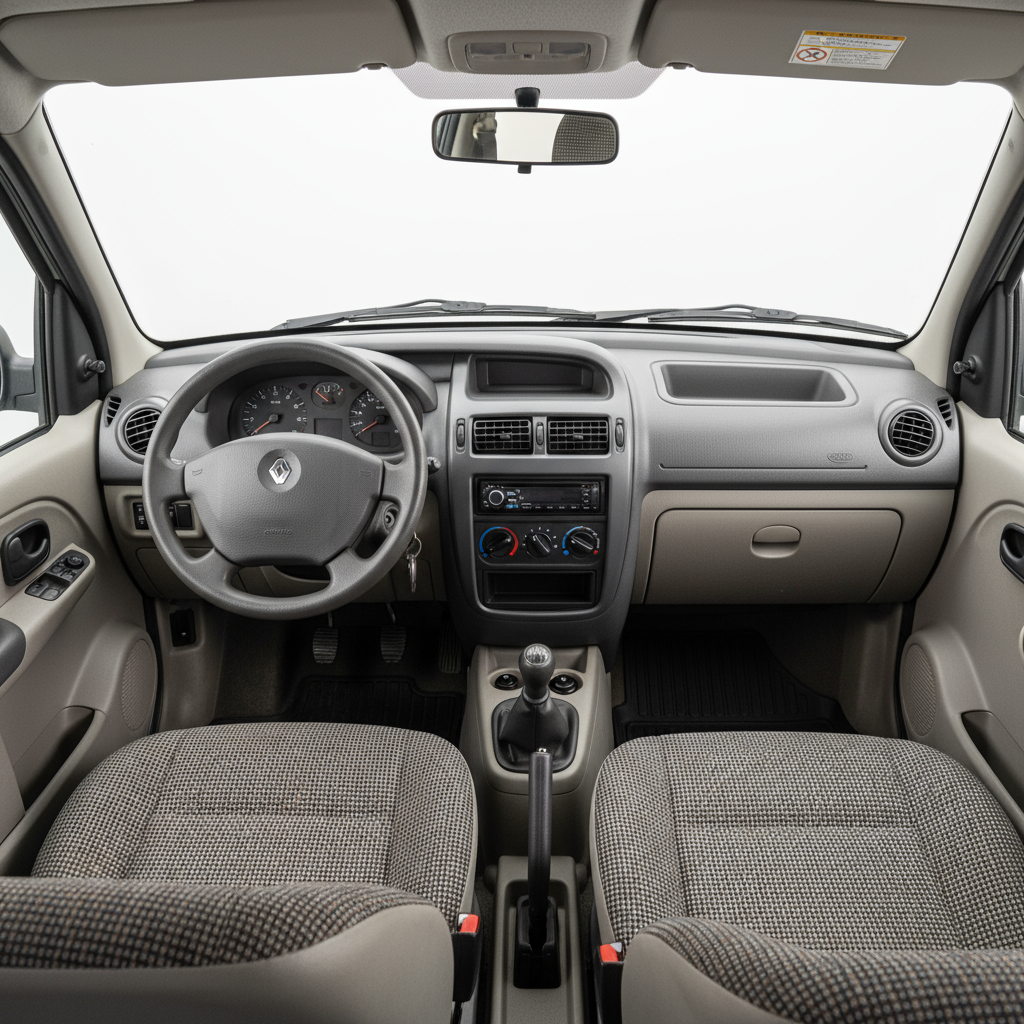
In terms of technology, the 1996 Renault Kangoo 1.4 RXE featured solutions typical of its era. Its 1390 cc gasoline engine, with 4 cylinders and 2 valves per cylinder, used indirect injection, a proven and reliable technology. The 5-speed manual transmission was the norm in its segment, offering direct control over engine power. Although it lacked advanced systems such as Stop&Start or speed-sensitive power steering, its equipment was sufficient for the needs of most drivers. The front McPherson type suspension and ventilated disc brakes on the front axle were standard features that ensured safe and predictable handling. Its technology, though not cutting-edge, was robust and effective.
Competition
In the 1996 market, the Renault Kangoo 1.4 RXE faced competitors such as the Citroën Berlingo or the Peugeot Partner, vehicles that also opted for versatility and space. Each with its peculiarities, they offered alternatives to those looking for a practical and functional car, both for work and for family leisure. The Kangoo stood out for its particular design and its focus on comfort and load capacity, which allowed it to carve out its own niche in an increasingly competitive segment.
Conclusion
The 1996 Renault Kangoo 1.4 RXE is a vehicle that, despite the years, is still remembered for its practicality and functional character. Its combination of a reliable engine, a spacious design, and simple driving made it a very attractive option for those looking for a versatile and economical car. Although it did not stand out for its luxury or its sporty performance, its honesty and its ability to adapt to various situations made it a faithful companion for many. It is a car that, without a doubt, left its mark on automotive history, demonstrating that functionality and emotion can go hand in hand.