
Especificaciones y análisis del Renault Fluence
Power
95HP
Torque
226Nm
Consumption
-l/100
Emissions
-g/km
0-100 km/h
13s
Top Speed
135km/h
Weight
1680kg
Price
20,900€
Technical summary
Eléctrico
Automático 1v
FWD
5 / 4 doors
317 L
- L
70 kW
Current
Technical specifications
Engine
Capacities
Detailed analysis of the Renault Fluence Z.E. Dynamique · 95 CV (2011-2012)
General description
The 2010 Renault Fluence Z.E. Dynamique is a bold and pioneering proposal from Renault in the electric vehicle segment. Priced at €20,900, this 4-door, 5-seater sedan presents itself as an ecological and efficient alternative for urban and suburban mobility. Its 95 HP electric motor and a 22 kWh usable battery promise a different driving experience, marking the beginning of a new era in automotive.
Driving experience
Behind the wheel of the Fluence Z.E., the predominant sensation is one of unmatched smoothness and silence. The absence of combustion engine noise and vibrations translates into exceptional ride comfort, ideal for daily commutes. Acceleration, while not dazzling (0 to 100 km/h in 13 seconds), is linear and sufficient for agile movement in traffic. The top speed of 135 km/h is adequate for most situations, although on the highway it may feel somewhat limited. The electric power steering and the front McPherson suspension, along with the rear torsion beam suspension, offer a balance between comfort and stability. The battery's location at the rear contributes to a low center of gravity, improving the feeling of stability on the road. However, the battery's range, with 22 kWh usable, can generate some anxiety on long trips, requiring careful planning of recharges.
Design and aesthetics
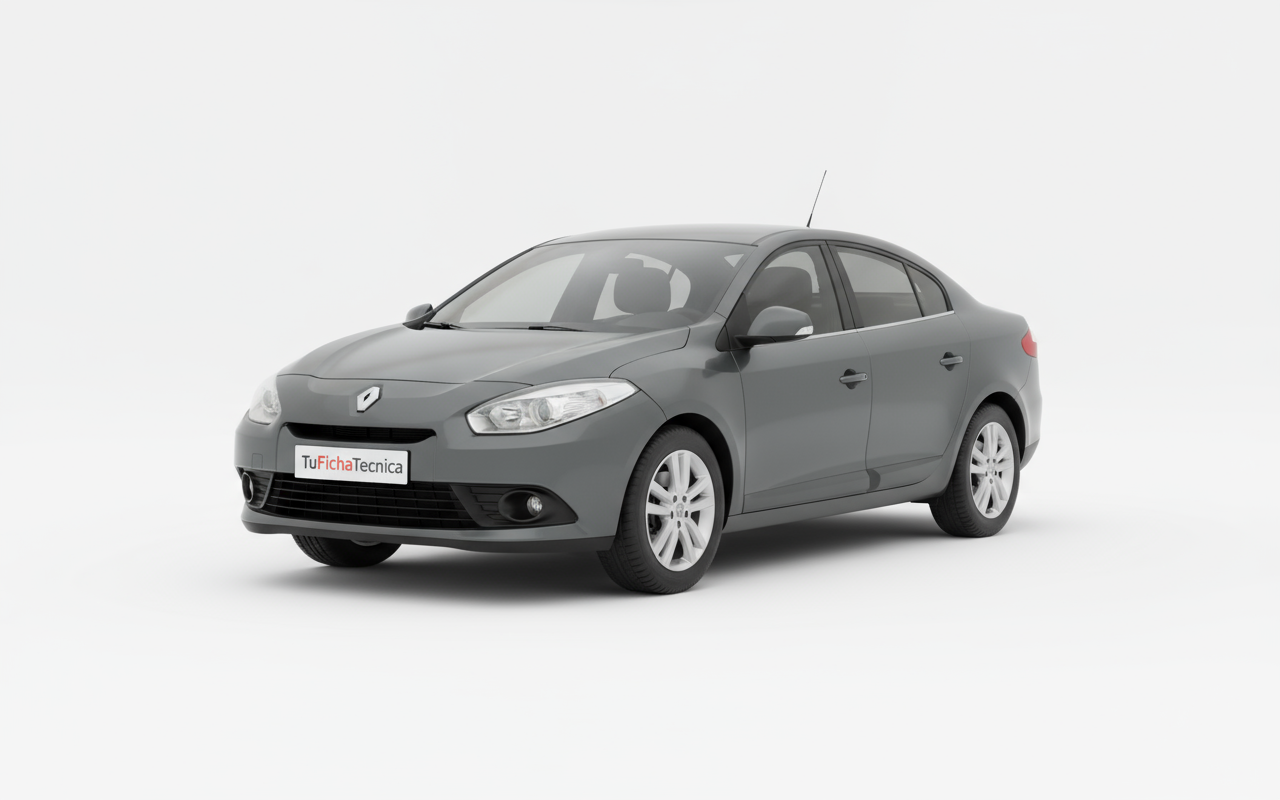
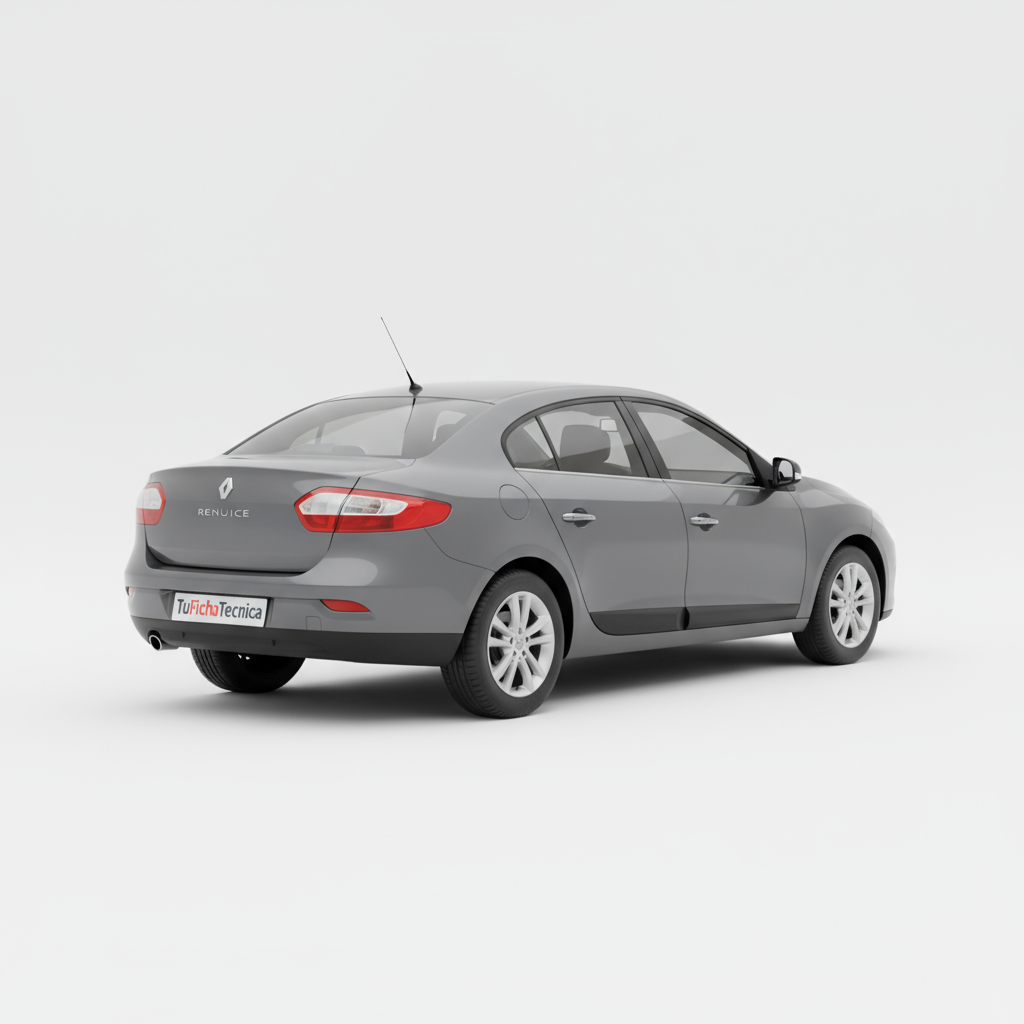
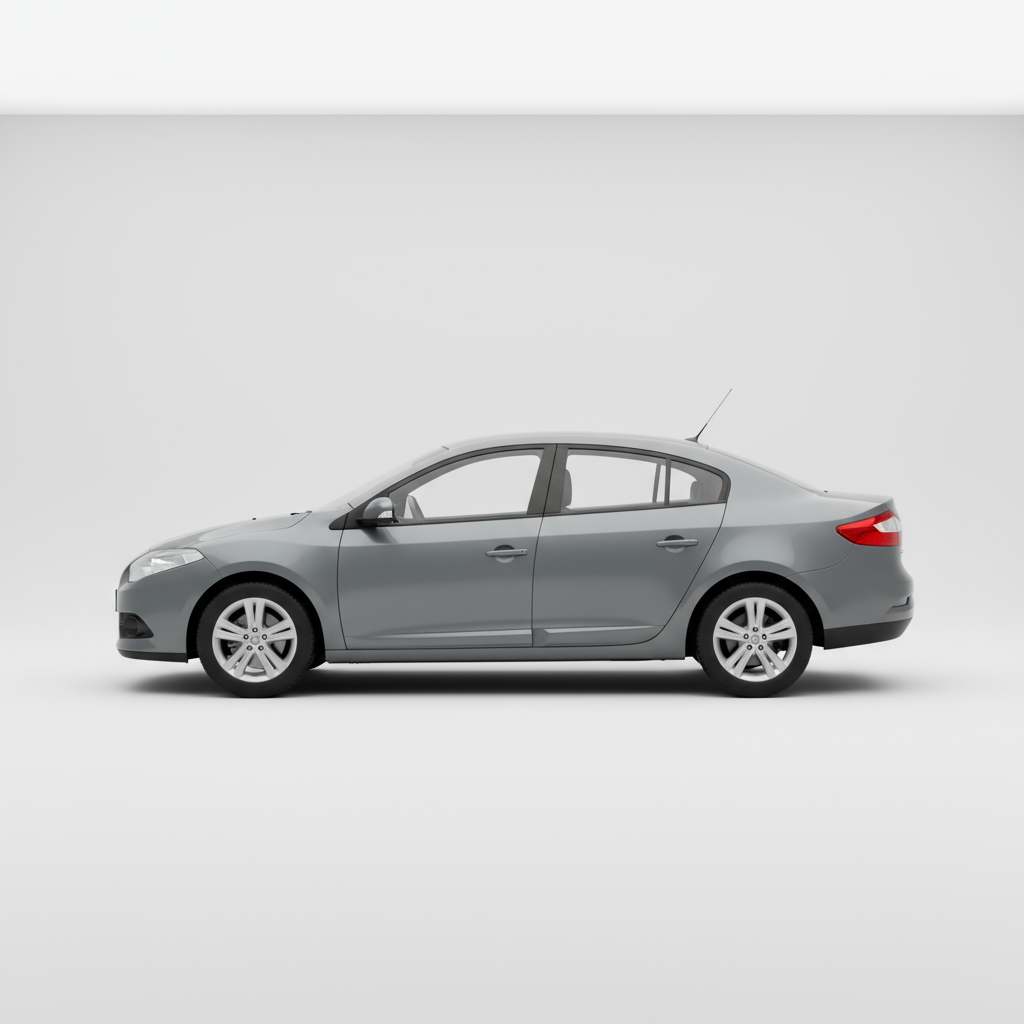
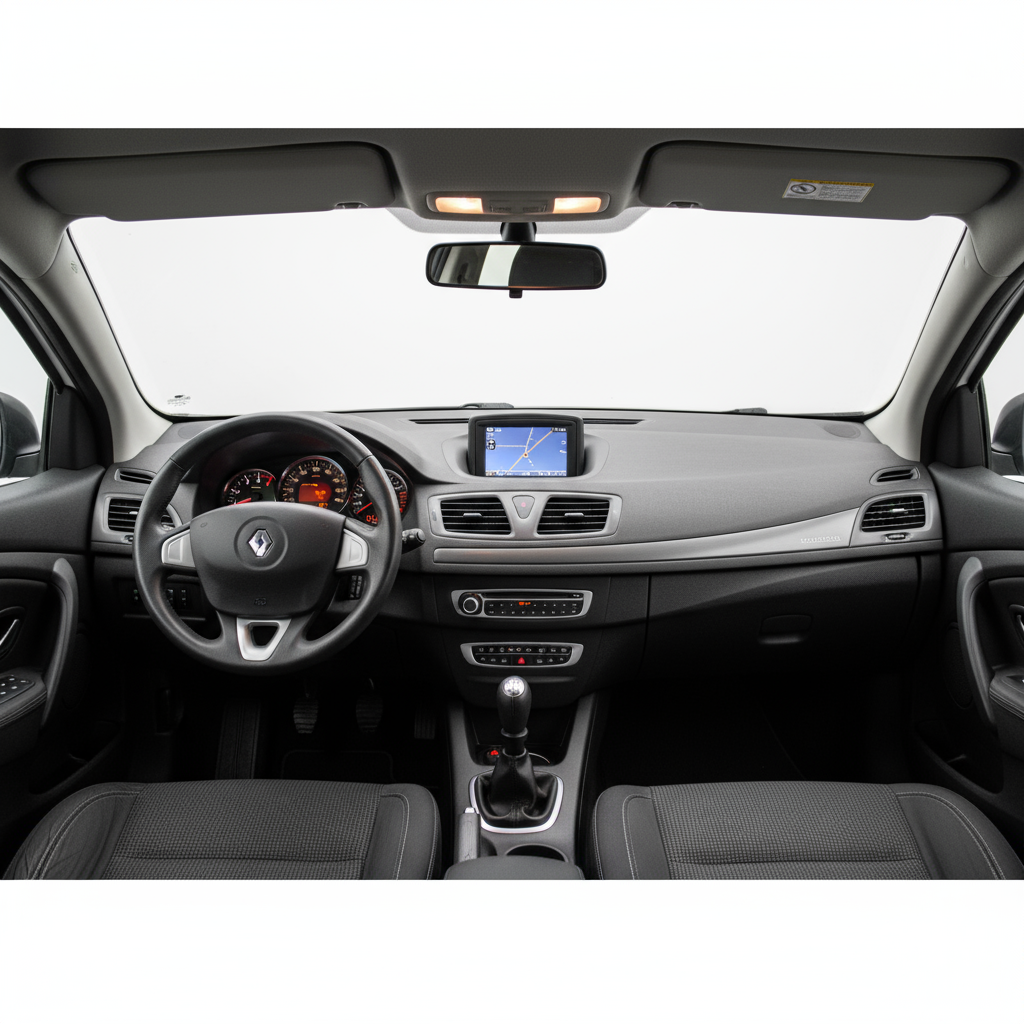
The design of the Renault Fluence Z.E. Dynamique is based on the aesthetics of the conventional Fluence, but incorporates distinctive details that identify it as an electric vehicle. Its lines are fluid and elegant, with a classic sedan silhouette that seeks aerodynamic efficiency. The dimensions, with 4748 mm long, 1813 mm wide, and 1458 mm high, give it a notable presence on the road. The interior, although functional, feels somewhat sober, with materials that fulfill their purpose without great fanfare. Habitability is good for five occupants, although the trunk, with 317 liters, is compromised by the battery's location, which limits its cargo capacity compared to a similarly sized combustion sedan.
Technology and features
Technology is the heart of the Fluence Z.E. Its 70 kW (95 HP) electric motor and 226 Nm of torque offer instant response and uninterrupted driving thanks to its single-speed automatic transmission. The 25.87 kWh gross (22 kWh usable) lithium-ion battery is the key component, providing the necessary energy for its operation. The charging system, although it does not have DC fast charging, allows a full recharge in approximately 10 hours with alternating current. Electric power steering and disc brakes on both axles (ventilated front) ensure safe vehicle control. Despite being a 2010 model, it incorporates elements such as the DGT's '0 emissions' label, highlighting its commitment to the environment.
Competition
At the time, the Renault Fluence Z.E. faced an incipient electric vehicle market. Its main rivals were models like the Nissan Leaf, which offered a similar proposal in terms of electrification, albeit in a hatchback format. Other indirect competitors could be plug-in hybrid vehicles or even compact combustion sedans that offered a similar price, but with more consolidated range and charging infrastructure. The Fluence Z.E.'s proposal was riskier and pioneering, seeking a specific market niche for those who valued electric mobility above all else.
Conclusion
The 2010 Renault Fluence Z.E. Dynamique was a brave attempt by Renault to democratize the electric car. It offered a smooth and silent driving experience, with a functional design and innovative technology for its time. However, its limited range and the incipient charging infrastructure at the time, along with a somewhat reduced trunk, made it a more suitable option for a specific public with very specific mobility needs. Despite its limitations, it laid the groundwork for future electric vehicle developments, demonstrating Renault's commitment to sustainability and innovation.