
Especificaciones y análisis del Renault Fluence
Power
95HP
Torque
226Nm
Consumption
-l/100
Emissions
-g/km
0-100 km/h
13s
Top Speed
135km/h
Weight
1680kg
Price
19,800€
Technical summary
Eléctrico
Automático 1v
FWD
5 / 4 doors
317 L
- L
70 kW
Current
Technical specifications
Engine
Capacities
Detailed analysis of the Renault Fluence Z.E. Expression · 95 CV (2011-2012)
General description
The 2010 Renault Fluence Z.E. Expression marked a milestone in Renault's commitment to electric mobility. This sedan, derived from the conventional Fluence, was presented as an ecological and silent alternative for everyday use, with the promise of emission-free driving and reduced running costs. Its arrival on the market generated anticipation, positioning it as one of the first mass-produced electric vehicles in its segment, albeit with the limitations inherent in the technology of the time.
Driving experience
Behind the wheel of the Fluence Z.E., the experience is notably different from that of a combustion car. The absence of engine noise and vibrations creates an atmosphere of calm and sophistication. The power delivery of its 95 hp is instantaneous and linear, offering smooth yet sufficient acceleration for urban and suburban traffic. Electric power steering and suspension, designed to absorb road irregularities, contribute to a comfortable and relaxed drive. However, the 22 kWh battery range, with a usable capacity of 22 kWh, can generate some anxiety on long journeys, limiting its use to shorter, planned trips. The top speed of 135 km/h is adequate for highways, but battery consumption skyrockets at those speeds.
Design and aesthetics
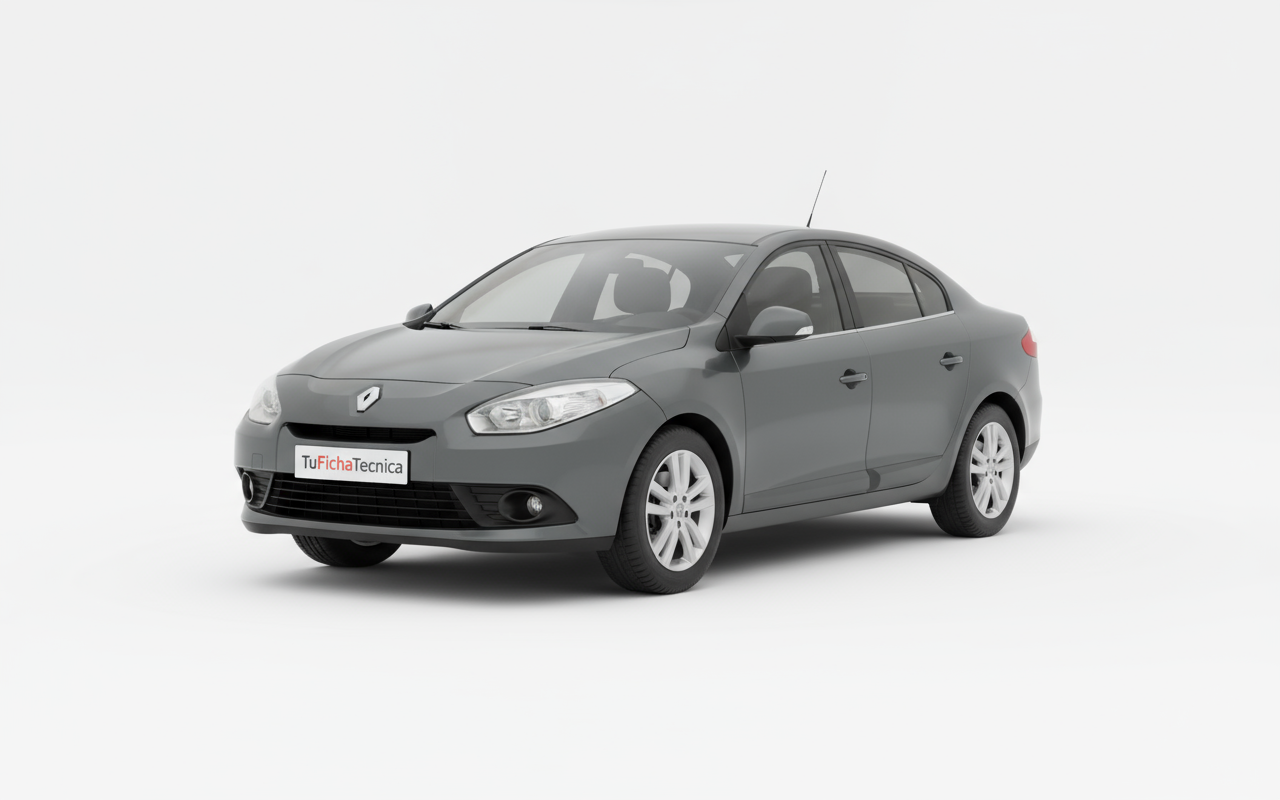
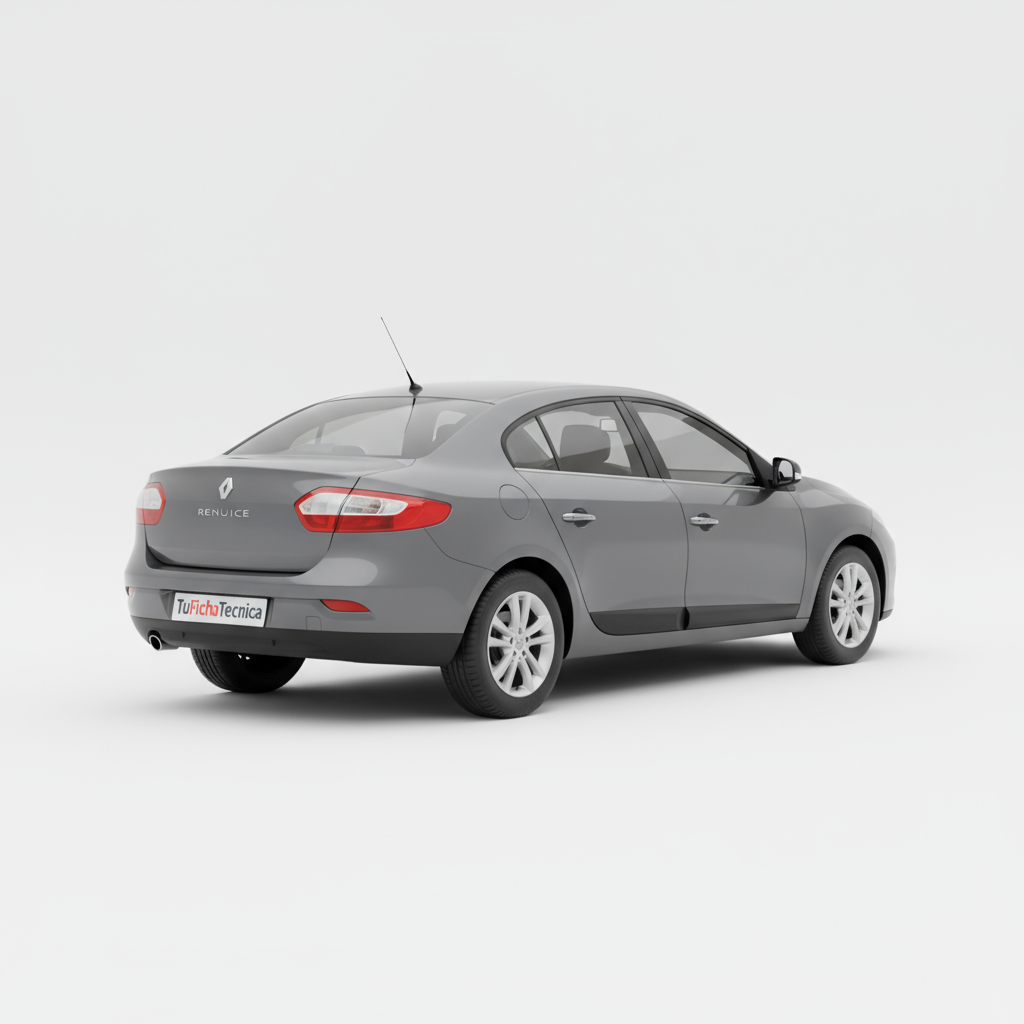
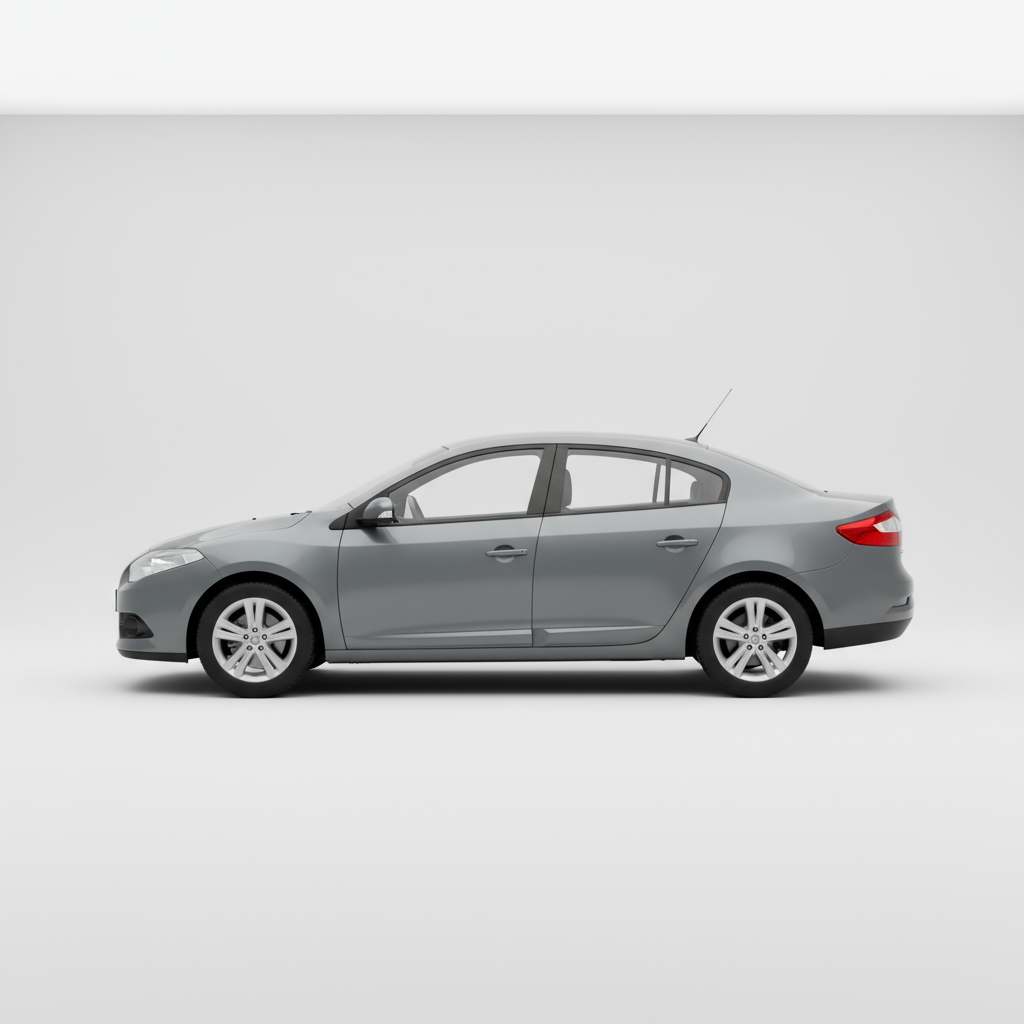
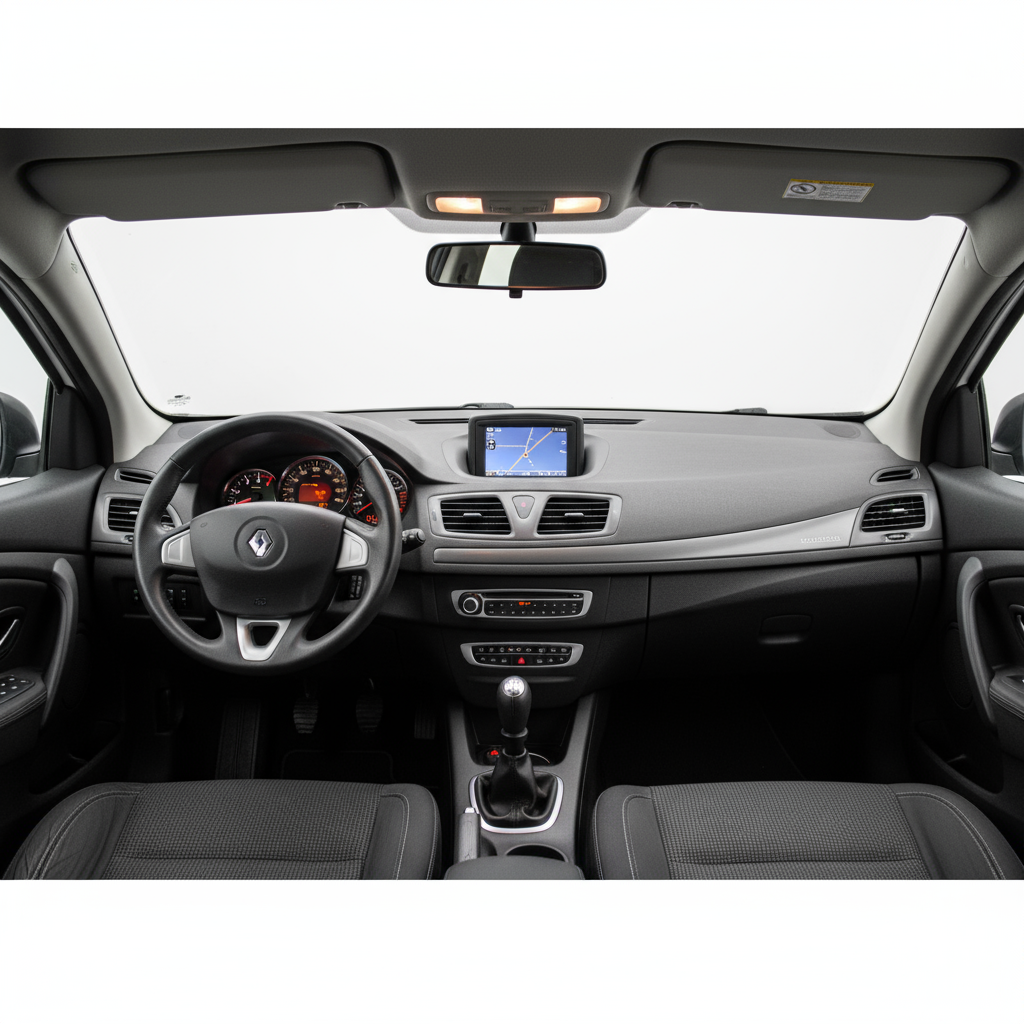
Aesthetically, the Fluence Z.E. maintains the sober and elegant lines of the combustion Fluence, with some subtle modifications that identify it as an electric vehicle. Its four-door sedan body and dimensions (4748 mm long, 1813 mm wide, and 1458 mm high) give it a distinguished presence. The interior design is functional and spacious, with seating for five occupants. The trunk, however, is reduced to 317 liters due to the battery's location in the rear, a necessary compromise to integrate electric technology into an existing platform.
Technology and features
The technological heart of the Fluence Z.E. is its 95 hp (70 kW) electric motor and its 25.87 kWh (22 kWh usable) lithium-ion battery, strategically located in the rear. This configuration allows it to reach a top speed of 135 km/h and accelerate from 0 to 100 km/h in 13 seconds. The single-speed automatic transmission simplifies driving, eliminating the need for gear changes. A full charge of the battery with alternating current (AC) takes approximately 10 hours, making it ideal for overnight charging at home. Although it lacks DC fast charging, its technology at the time was a step forward in the electrification of transport.
Competition
At its launch, the Renault Fluence Z.E. faced a nascent electric vehicle market. Its main rivals were models like the Nissan Leaf, which offered a similar proposition in a hatchback format, and other smaller electric vehicles or those with more limited ranges. It also competed indirectly with plug-in hybrid vehicles that offered greater flexibility in terms of range. Its electric sedan proposal differentiated it, seeking to attract those who valued the space and comfort of a traditional car with the advantages of electric propulsion.
Conclusion
The Renault Fluence Z.E. Expression was a brave attempt by Renault to democratize electric mobility. It offered a quiet and comfortable driving experience, with a familiar design and a practical approach to daily use. Although its range and charging times were inherent limitations of the technology of the time, it laid the groundwork for future developments in the field of electric vehicles. It is a car that, despite its challenges, left an important mark on the history of electric automotive, demonstrating that an emission-free future was possible and accessible.