
Especificaciones y análisis del Renault Clio
Power
90HP
Torque
131Nm
Consumption
7.6l/100
Emissions
-g/km
0-100 km/h
12.9s
Top Speed
175km/h
Weight
980kg
Price
12,201€
Technical summary
Gasolina
Automático 4v
FWD
5 / 3 doors
255 L
50 L
66 kW
Current
Technical specifications
Engine
Capacities
Detailed analysis of the Renault Clio 1.6 Proact 3p · 90 CV (1998-2000)
General description
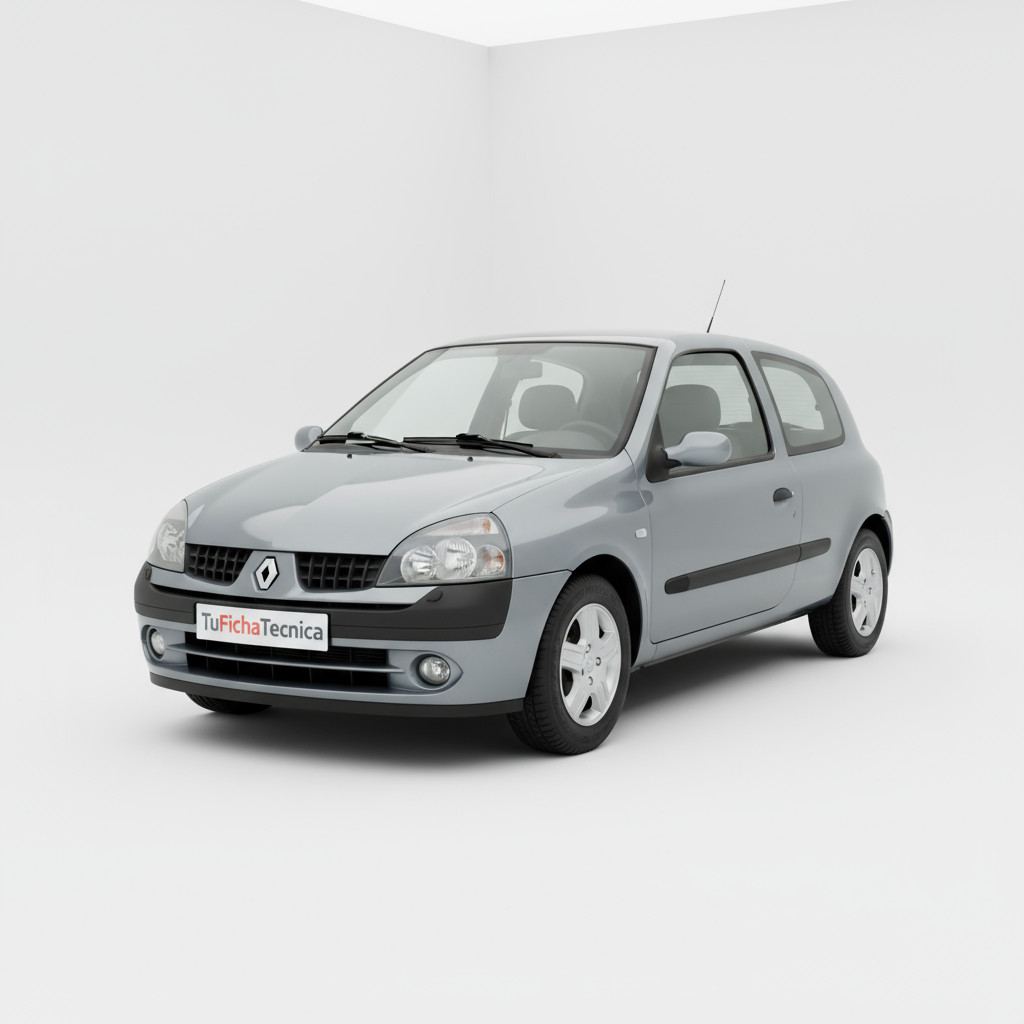
The 1998 Renault Clio 1.6 Proact, in its 3-door version, is a car that evokes the essence of an era. With a 90 HP gasoline engine and a 4-speed automatic transmission, this Clio promised comfortable and hassle-free urban driving. Its price of €12,201 at the time positioned it as an accessible option for those looking for a compact and functional vehicle.
Driving experience
Behind the wheel of the Clio 1.6 Proact, the predominant sensation is one of relaxed driving. Its 90 HP, delivered by a 1.6-liter engine, offer sufficient response for everyday use, albeit without great sporting pretensions. The 4-speed automatic transmission, while not the fastest, contributes to a smooth driving experience, ideal for urban traffic. The suspension, McPherson type at the front and trailing arm at the rear, filters road irregularities well, providing remarkable comfort for its segment. The steering, although lacking the precision of more modern models, fulfills its function in the city. On the road, its top speed of 175 km/h and acceleration from 0 to 100 km/h in 12.9 seconds reveal a car designed for calm journeys, where efficiency and comfort take precedence over pure performance. The combined consumption of 7.6 l/100km is reasonable for the time and type of transmission.
Design and aesthetics
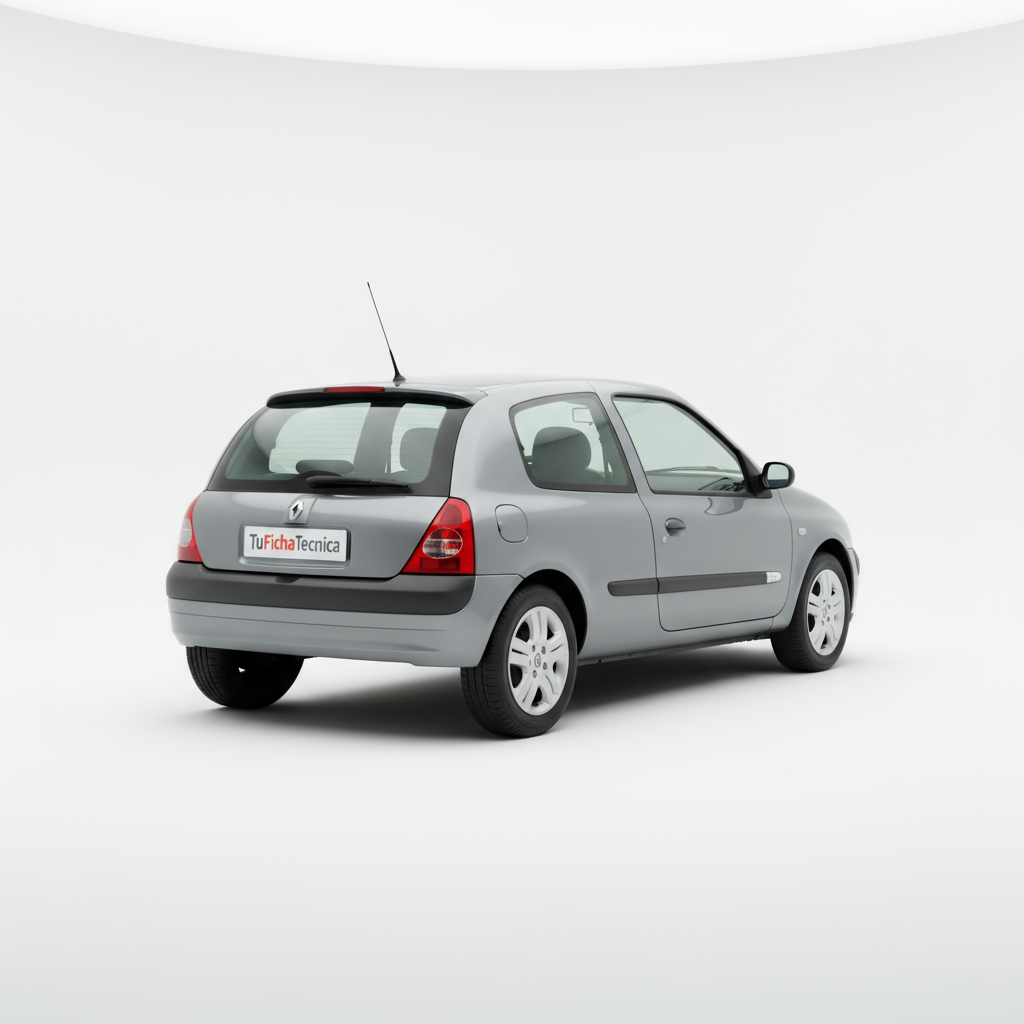
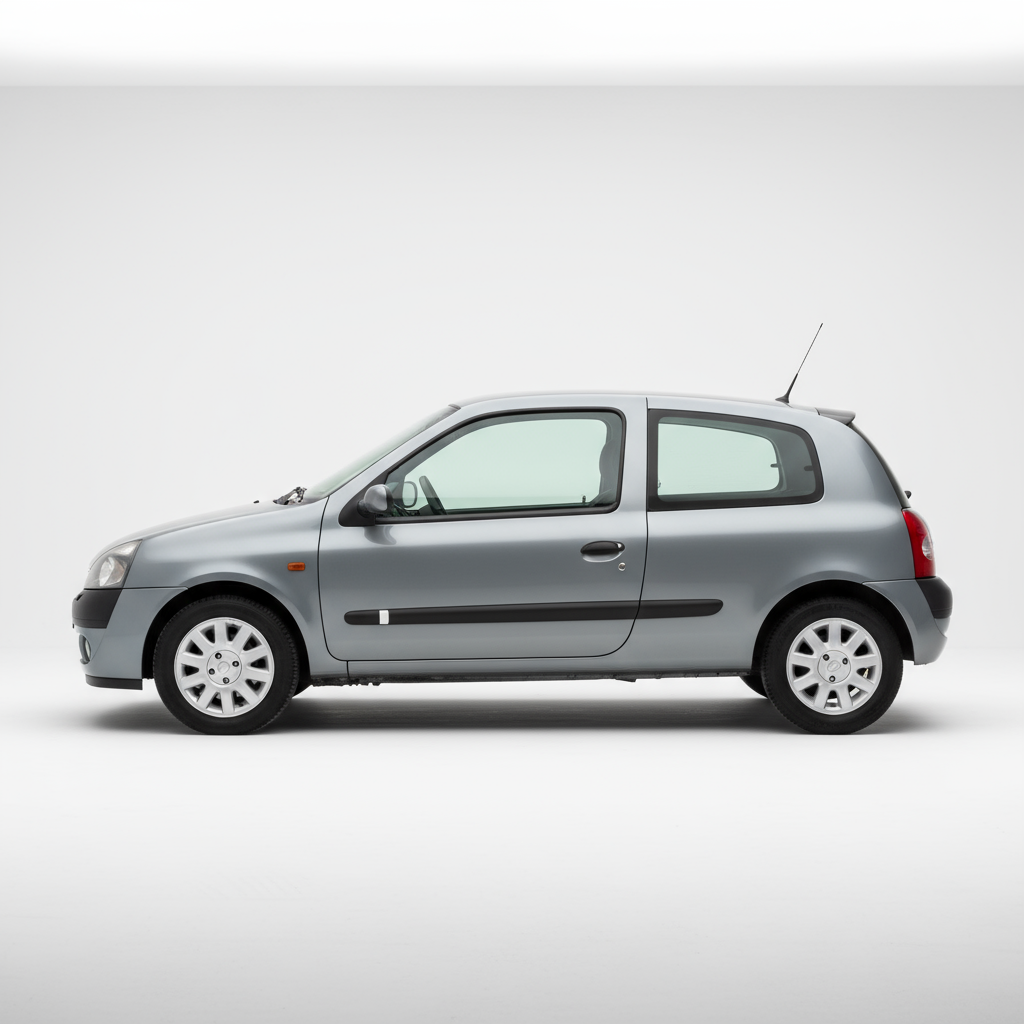
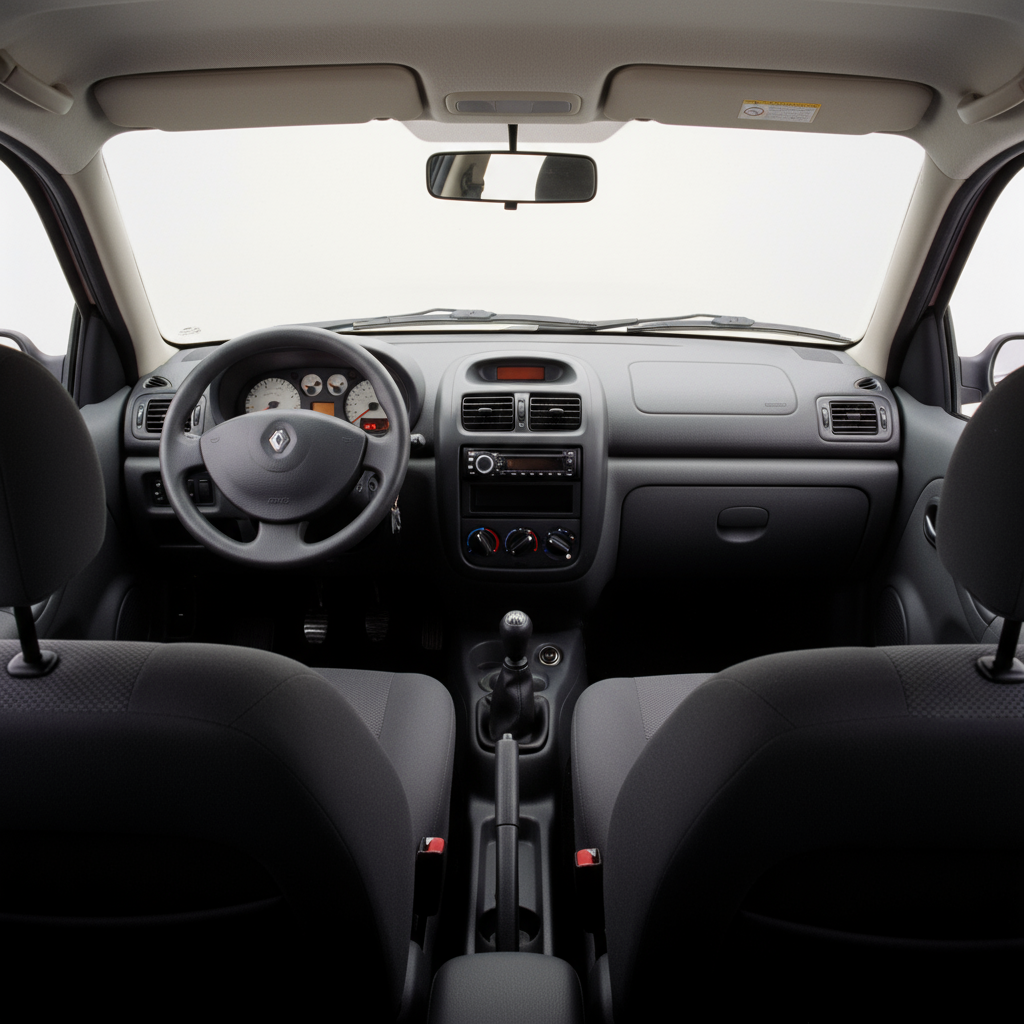
The design of the 1998 Renault Clio is a reflection of its time, with soft and rounded lines that give it a friendly and compact appearance. The 3-door version accentuates its youthful and urban character. Its dimensions, with 3773 mm long, 1639 mm wide and 1417 mm high, make it agile in the city and easy to park. The 255-liter trunk, although not the largest, is sufficient for daily needs. The interior, functional and without great luxuries, is designed for practicality, with a clear arrangement of controls and good visibility. Despite its age, its aesthetic remains recognizable and, for many, evokes a certain nostalgia.
Technology and features
In 1998, the Renault Clio 1.6 Proact incorporated the technology expected for a car in its segment. Its 1598 cc gasoline engine with indirect injection and 4 in-line cylinders, along with an aluminum cylinder head and an iron block, was a proven and reliable configuration. The 4-speed automatic transmission, although it may seem basic today, represented significant convenience at the time. In terms of safety, it had ventilated disc brakes at the front and drum brakes at the rear, a standard configuration. The suspension, with stabilizers both front and rear, contributed to good stability. However, it lacked many of the driving aids and infotainment systems that we take for granted today, which makes it a car of mechanical simplicity that many value.
Competition
In its time, the 1998 Renault Clio 1.6 Proact faced tough competition in the utility vehicle segment. Its main rivals included models such as the Peugeot 206, the Volkswagen Polo, the Ford Fiesta, and the Opel Corsa. Each of them offered their own virtues, whether in design, performance, or equipment. The Clio stood out for its focus on driving comfort, especially with its automatic transmission, and for a design that sought practicality and urban agility. Its competitive price also made it an attractive option compared to its competitors.
Conclusion
The 1998 Renault Clio 1.6 Proact is more than just a car; it is a piece of automotive history that represents the evolution of utility vehicles. With its 90 HP engine and automatic transmission, it offered a comfortable and stress-free driving experience, ideal for urban life. Its timeless design and focus on functionality made it a faithful companion for many. Although today its performance and technology may seem modest, its charm lies precisely in that simplicity and in the reliability it has demonstrated over the years. It is a car that, despite the passage of time, still evokes a smile and a memory of an era where driving was more direct and less digitized.