
Especificaciones y análisis del Renault Captur
Power
131HP
Torque
240Nm
Consumption
6.3l/100
Emissions
142g/km
0-100 km/h
9.6s
Top Speed
193km/h
Weight
1334kg
Price
25,325€
Technical summary
Gasolina
Automático 7v
FWD
5 / 5 doors
422 L
48 L
96 kW
Current
Technical specifications
Engine
Capacities
Detailed analysis of the Renault Captur Zen + TCe 96 kW (130 CV) EDC · 131 CV (2019-2021)
General description
The Renault Captur 5p 1.3 Gasoline with 131 HP, AT7 automatic transmission, and front-wheel drive, is a compact SUV positioned as an attractive option for those seeking a balance between style, functionality, and agile performance. Launched in 2020, this Zen + TCe model stands out for its refreshed design and technological proposition that makes it competitive in its segment. Priced at €25,325, it offers a modern and comfortable driving experience, ideal for daily urban use and weekend getaways.
Driving experience
Behind the wheel of the Captur, the sensation is one of agility and comfort. The 131 HP engine, combined with the 7-speed dual-clutch automatic transmission, offers a smooth and efficient response, allowing acceleration from 0 to 100 km/h in 9.6 seconds and a top speed of 193 km/h. Electric power steering provides excellent maneuverability in the city, while the suspension, McPherson type at the front and torsion beam with trailing arm at the rear, effectively filters out road irregularities, ensuring a pleasant journey. The combined consumption of 6.3 l/100km according to the WLTP cycle is reasonable for its category, which translates into good autonomy thanks to its 48-liter tank.
Design and aesthetics
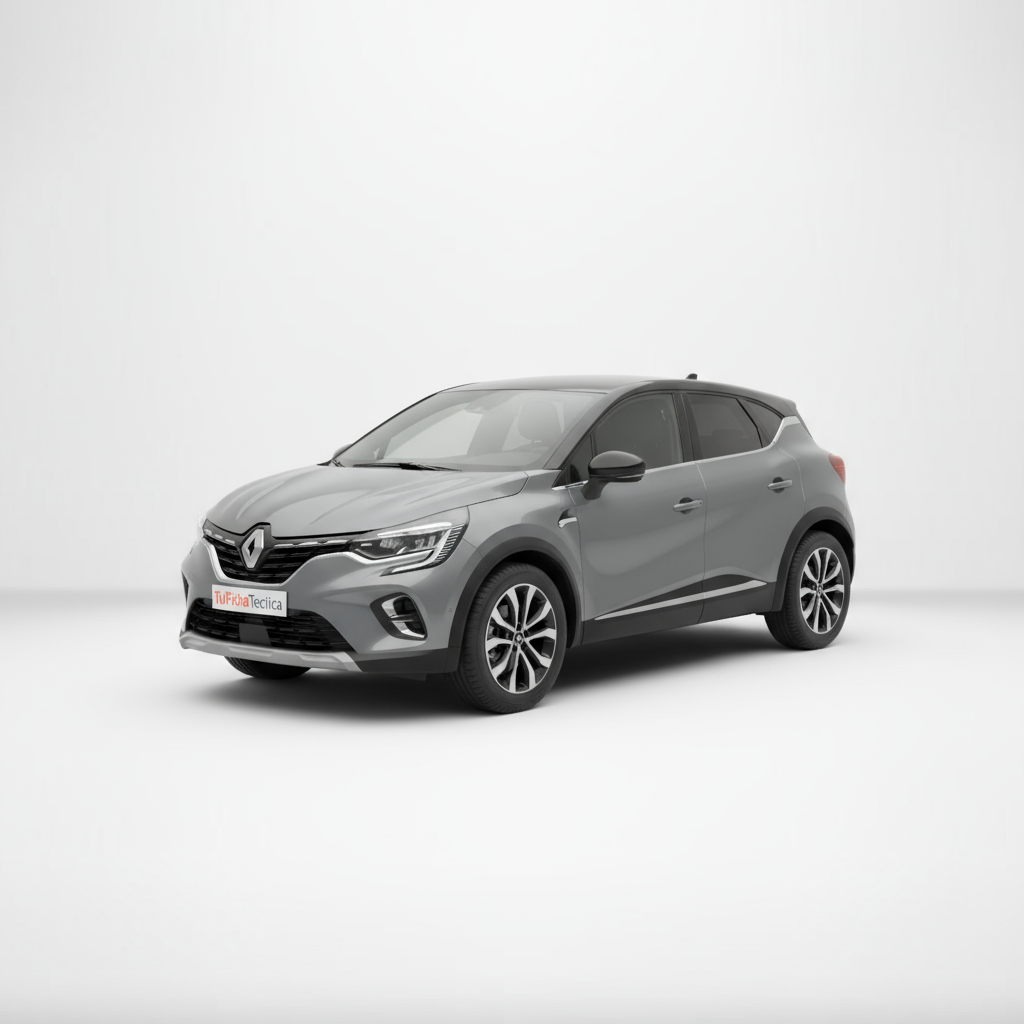
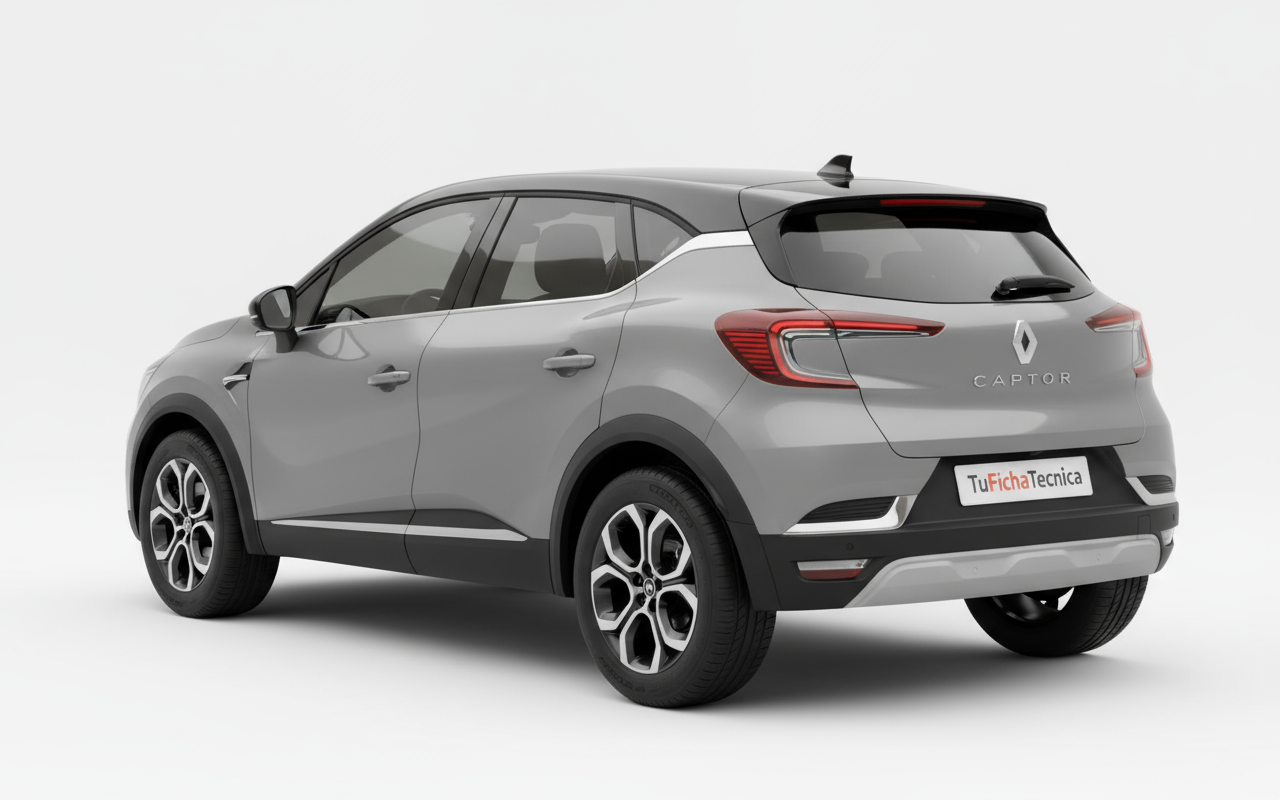
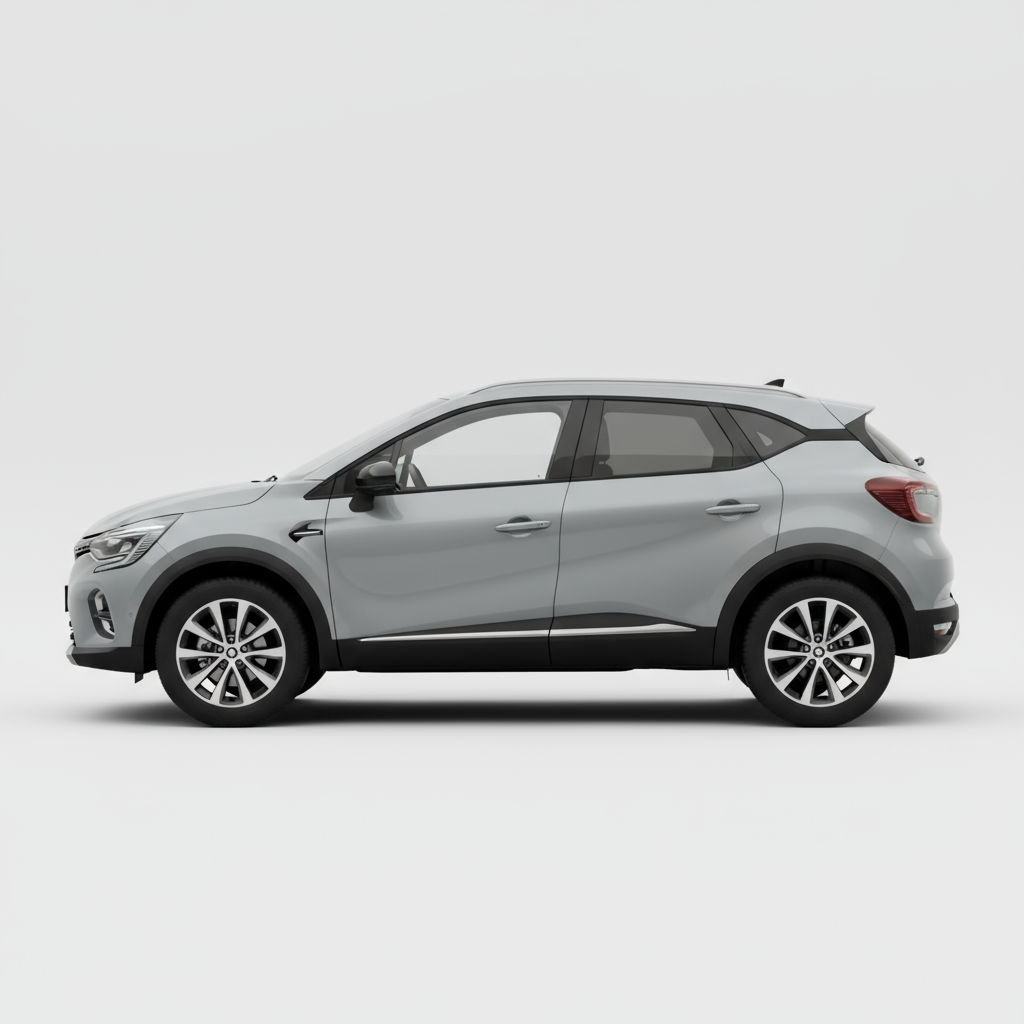
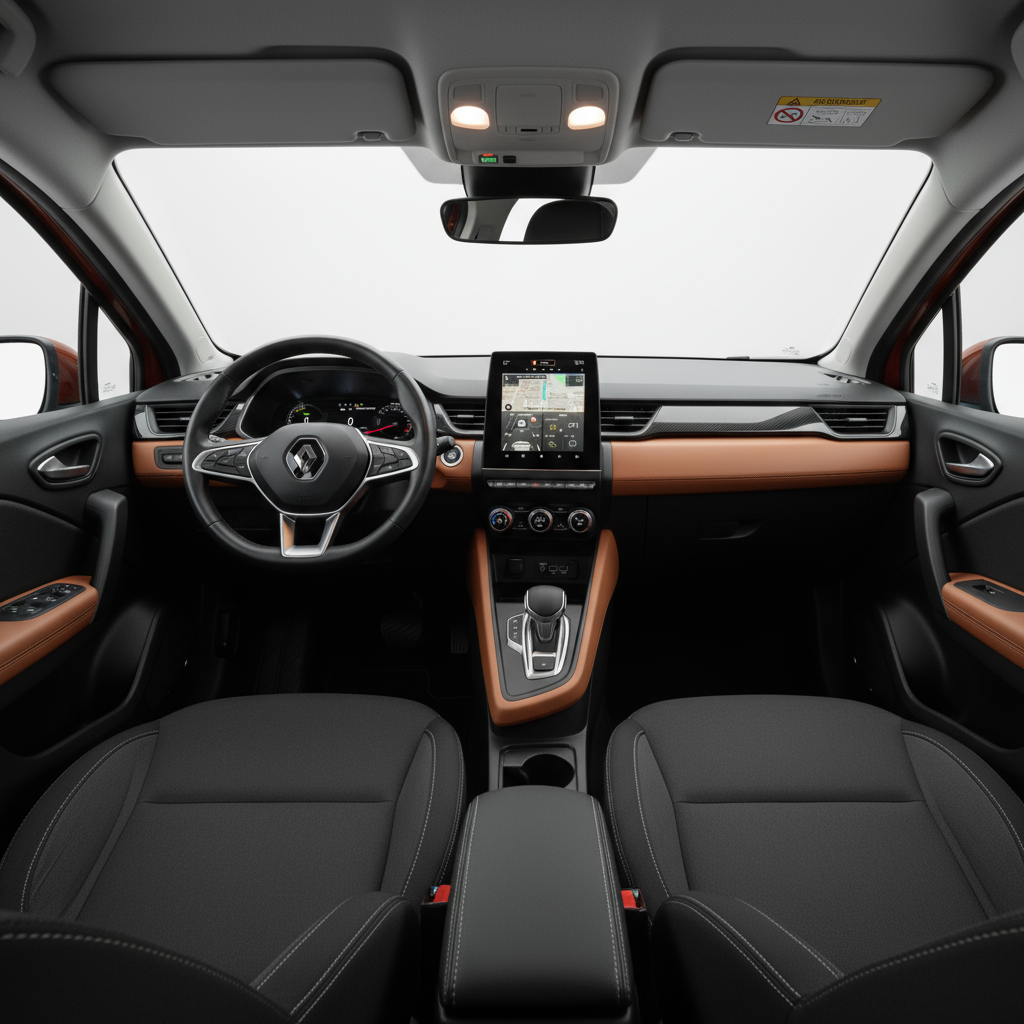
The design of the 2020 Renault Captur is one of its strong points, with a modern and robust aesthetic that distinguishes it in the compact SUV segment. Its fluid lines and expressive front end, with the characteristic 'C'-shaped headlights, give it an unmistakable personality. Dimensions of 4227 mm long, 1797 mm wide, and 1576 mm high, along with a wheelbase of 2639 mm, give it a balanced presence. The interior, with capacity for five occupants, is spacious and functional, with a trunk ranging from 422 to 536 liters, offering great versatility for luggage transport. The 215/60 R17 tires on 17-inch wheels complement its adventurous image.
Technology and features
In terms of technology, the Captur does not disappoint. Although specific infotainment details are not mentioned, the Zen + TCe version usually includes a central touchscreen with advanced connectivity, driving assistance systems, and a digital instrument cluster. The 1.3-liter gasoline engine, with direct injection, turbo, and intercooler, is an example of efficiency and performance. The 7-speed dual-clutch automatic transmission (EDC) ensures fast and precise gear changes. In addition, it features a Stop&Start system to optimize fuel consumption in urban environments. Electric power steering and ventilated front disc brakes (although the rear ones are drum brakes) contribute to a safe and controlled driving experience.
Competition
The Renault Captur competes in a very crowded segment, facing rivals such as the Peugeot 2008, the SEAT Arona, the Volkswagen T-Cross, or the Hyundai Kona. Compared to them, the Captur stands out for its distinctive design, driving comfort, and good value for money. Its 131 HP engine offers competitive performance, and its interior space, along with the versatility of the trunk, position it as a very practical option for families or those who need a vehicle adaptable to different situations.
Conclusion
The Renault Captur 5p 1.3 Gasoline with 131 HP and automatic transmission is a solid and attractive proposition within the compact SUV segment. Its combination of a modern and emotional design, a functional and spacious interior, an efficient engine, and comfortable driving make it a highly recommended option. It is a car that invites you to enjoy every journey, offering a balanced experience between performance and practicality. Its competitive price and technological equipment consolidate it as a strong contender in its category.