

Especificaciones y análisis del Porsche Cayenne
Power
379HP
Torque
300Nm
Consumption
8.2l/100
Emissions
193g/km
0-100 km/h
6.5s
Top Speed
242km/h
Weight
2315kg
Price
88,526€
Technical summary
Híbrido
Automático 8v
AWD
5 / 5 doors
580 L
85 L
34 kW
Current
Technical specifications
Engine
Capacities
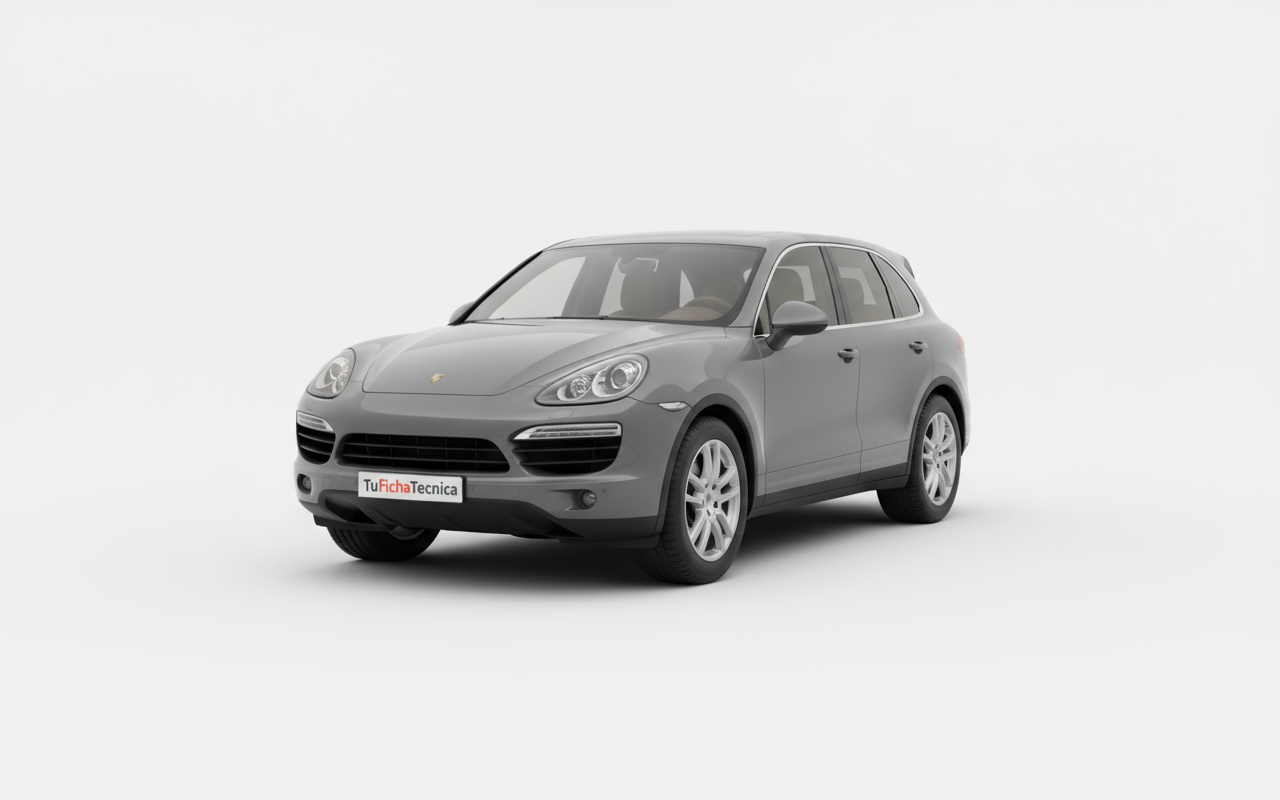
Detailed analysis of the Porsche Cayenne S Hybrid · 379 CV (2010-2012)
General description
The 2010 Porsche Cayenne S Hybrid marked a significant milestone for the brand, introducing hybrid technology to its popular SUV. This model combined Porsche's characteristic power with increased efficiency, seeking to attract an environmentally conscious audience without sacrificing performance. It was a bold gamble that demonstrated Porsche's ability to innovate and adapt to new market demands, while maintaining its sporty essence.
Driving experience
Driving the Cayenne S Hybrid is an experience that blends the robustness of an SUV with the unexpected agility of a Porsche. The transition between the gasoline and electric engines is smooth, almost imperceptible, offering an instant response to the accelerator. Despite its size and weight, it feels surprisingly agile in corners, conveying a sense of control and safety. The combined power of 46 hp, although it may seem modest on paper, translates into an acceleration from 0 to 100 km/h in 6.5 seconds, which is impressive for a vehicle in its category. The engine sound, although more subdued than in its purely gasoline siblings, still evokes the brand's sportiness.
Design and aesthetics
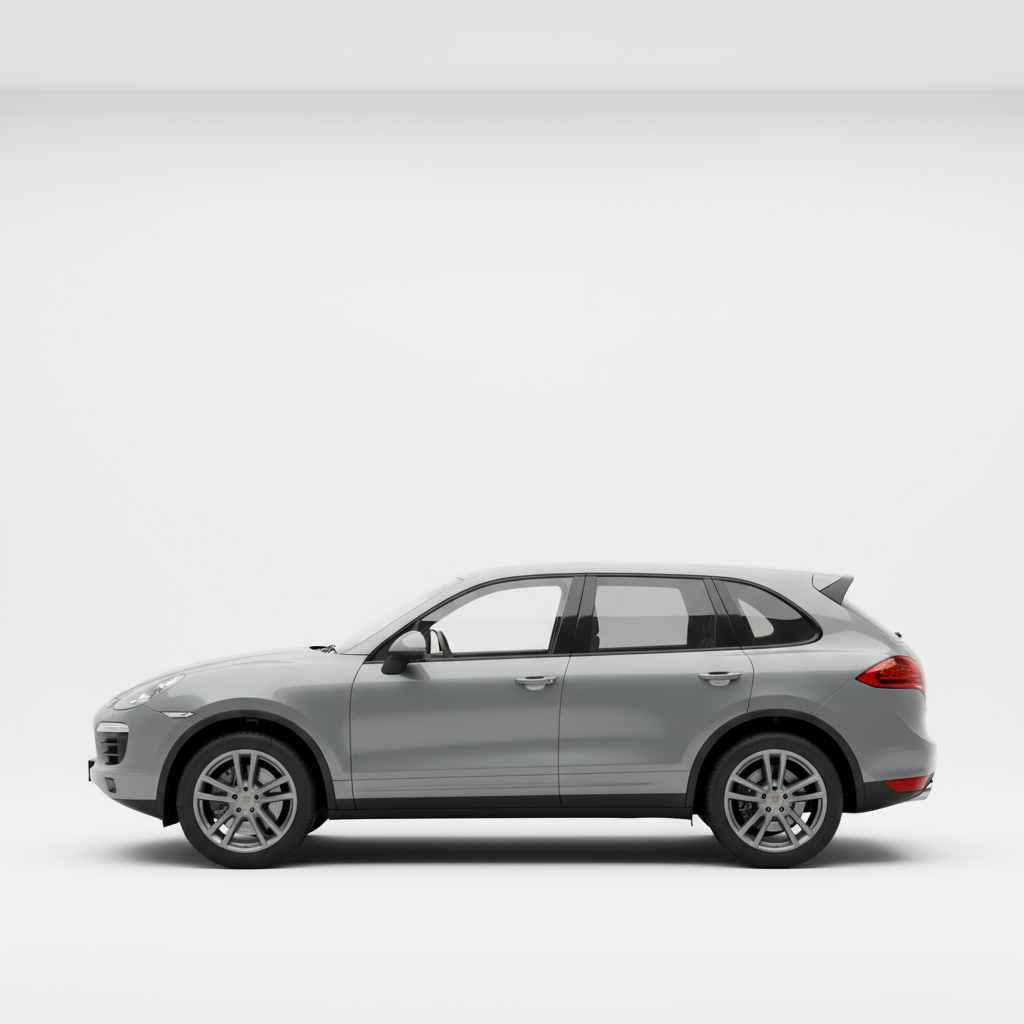
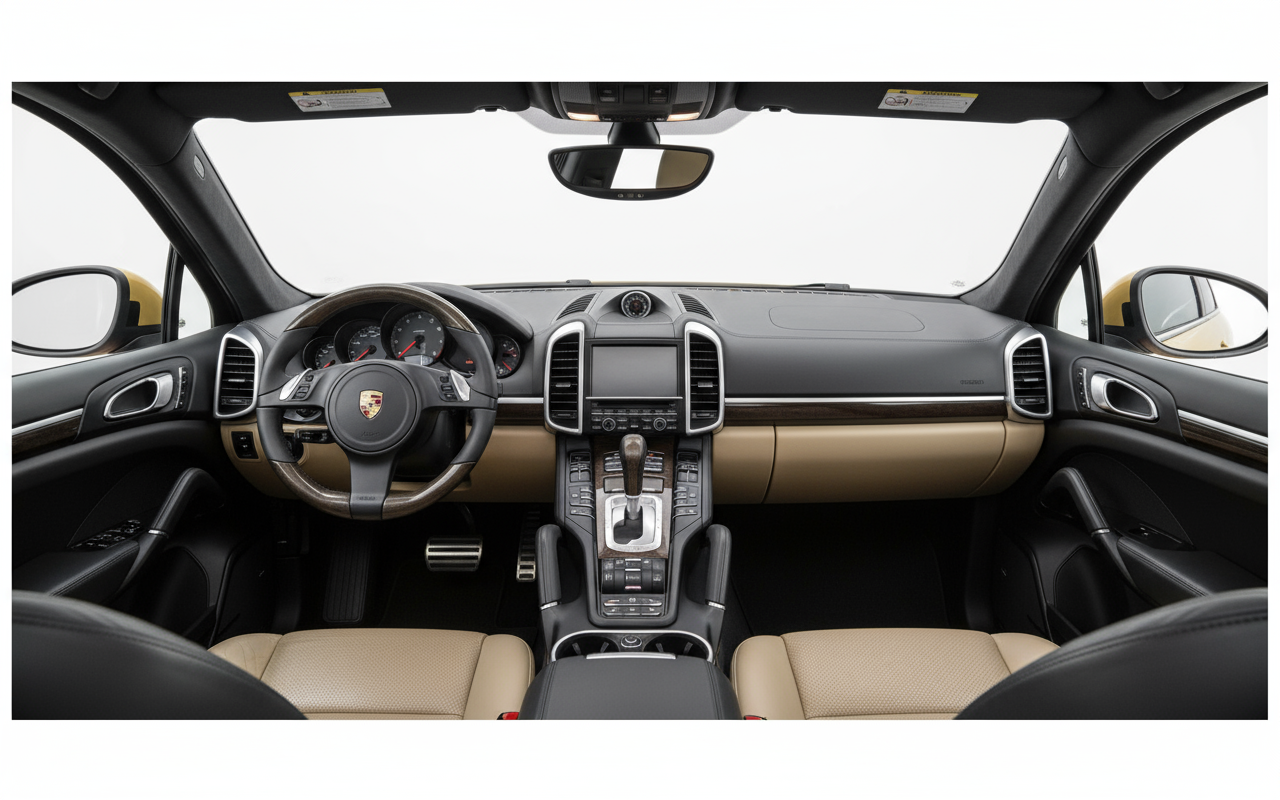
The design of the 2010 Porsche Cayenne S Hybrid maintains the athletic and elegant lines that characterize the model. Its imposing body, with a length of 4846 mm and a width of 1939 mm, projects an image of strength and sophistication. Exterior details, such as the distinctive headlights and front grille, reinforce its Porsche identity. Inside, the quality of materials and attention to finishes are evident, creating an environment of luxury and comfort. The cabin is spacious, with capacity for five occupants and a generous 580-liter trunk, making it a practical vehicle for daily use and long trips.
Technology and features
The hybrid technology of the Cayenne S Hybrid is the heart of this model. It combines a 2995 cc gasoline engine with an electric motor, powered by a nickel-metal hydride battery located at the rear. The 8-speed automatic transmission with torque converter and all-wheel drive (AWD) ensure efficient power delivery and excellent grip in various conditions. It incorporates direct injection, compressor and intercooler, and features a Stop/Start system to optimize consumption. Speed-sensitive electro-hydraulic steering improves maneuverability, while ventilated disc brakes on both axles guarantee powerful and safe braking. The multi-link suspension on both axles, along with stabilizer bars, contributes to a balanced dynamic behavior.
Competition
In the luxury hybrid SUV segment, the 2010 Porsche Cayenne S Hybrid faced competitors such as the Lexus RX 450h, which offered a similar proposition of luxury and efficiency, albeit with a more comfort-oriented approach. Other indirect rivals included diesel versions of premium SUVs like the BMW X5 or the Mercedes-Benz ML, which sought efficiency through other means. The Cayenne S Hybrid differentiated itself by its marked sporty character and its unmistakable Porsche DNA, offering a more dynamic driving experience than most of its hybrid competitors of the time.
Conclusion
The 2010 Porsche Cayenne S Hybrid was a pioneer in its segment, demonstrating that sportiness and efficiency could coexist in a luxury SUV. Its combination of a powerful hybrid engine, elegant design, and luxurious interior made it an attractive option for those seeking a versatile and environmentally conscious vehicle, without sacrificing the pleasure of driving a Porsche. Although its hybrid technology has evolved significantly since then, this model laid the groundwork for the brand's future electrification, leaving a legacy of innovation and performance.