
Especificaciones y análisis del Porsche 911
Power
415HP
Torque
405Nm
Consumption
12.8l/100
Emissions
307g/km
0-100 km/h
4.3s
Top Speed
310km/h
Weight
1470kg
Price
124,775€
Technical summary
Gasolina
Manual 6v
RWD
2 / 2 doors
105 L
90 L
305 kW
Current
Technical specifications
Engine
Capacities
Detailed analysis of the Porsche 911 GT3 · 415 CV (2008)
General description
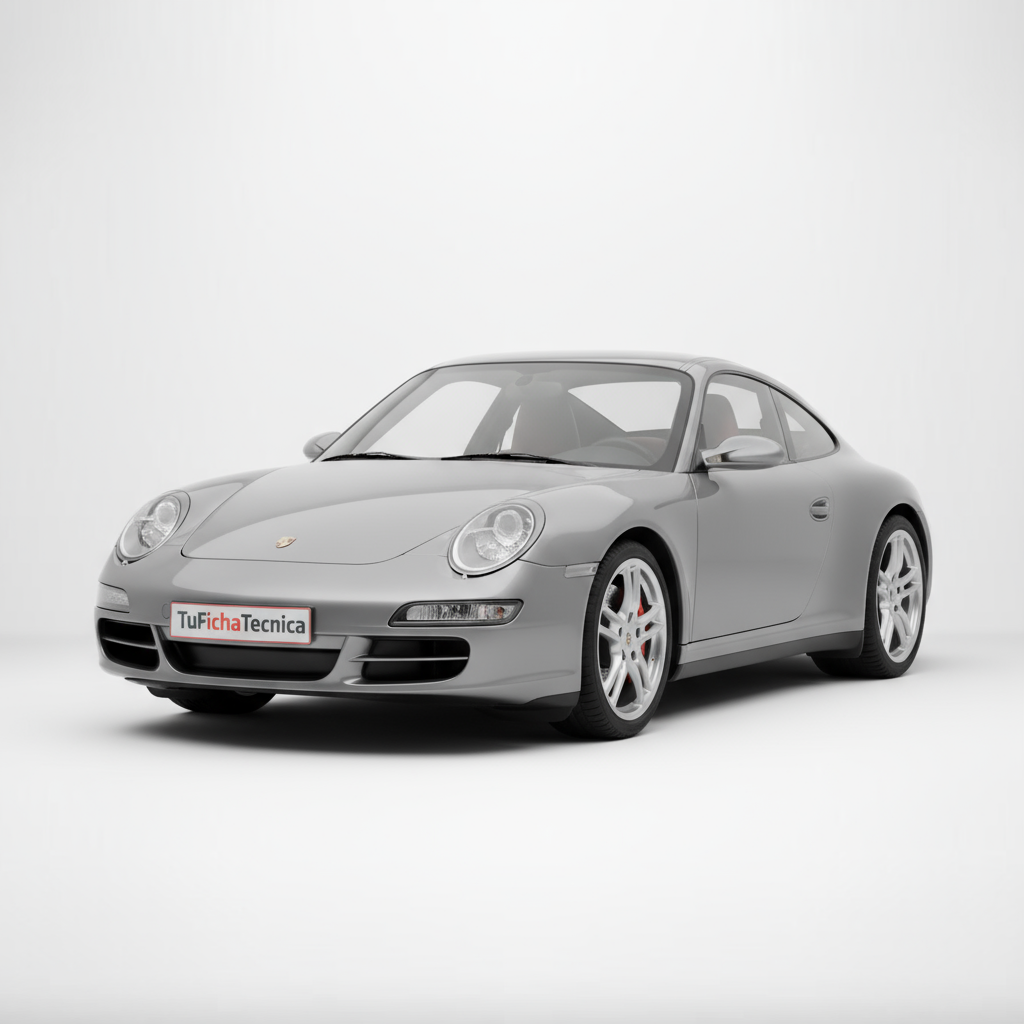
The 2004 Porsche 911 GT3 is a machine born for the track, a purist version of the iconic 911 that dispenses with unnecessary luxuries to focus on the most visceral driving experience. With its 3.6-liter naturally aspirated engine and 415 hp, this two-seater, rear-wheel-drive coupe is a testament to German engineering and a passion for speed. Its price of €124,775 at the time positioned it as an object of desire for the most demanding enthusiasts.
Driving experience
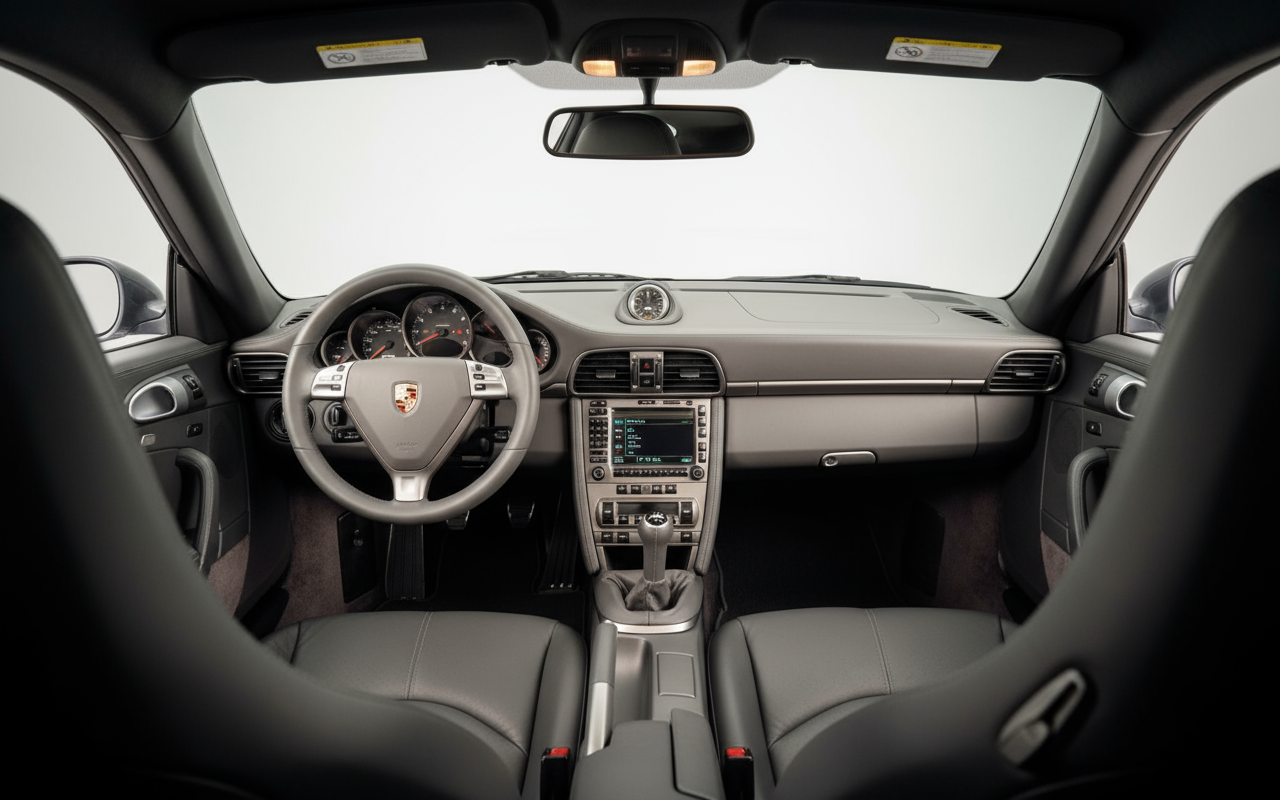
Driving the 911 GT3 is an experience that captivates you from the first moment. The longitudinal rear boxer engine, with its 415 hp at 7600 rpm and 405 Nm of torque at 5500 rpm, delivers brutal power and an intoxicating sound that raises your hair. Acceleration from 0 to 100 km/h in just 4.3 seconds and a top speed of 310 km/h are figures that speak for themselves. The 6-speed manual transmission is precise and direct, allowing absolute control over power delivery. The McPherson strut front suspension and deformable parallelogram rear, along with 350 mm front and 340 mm rear ventilated disc brakes, ensure exceptional stability and braking capability. Every corner becomes an opportunity to feel the perfect connection between the car and the asphalt, a dance of precision and adrenaline.
Design and aesthetics
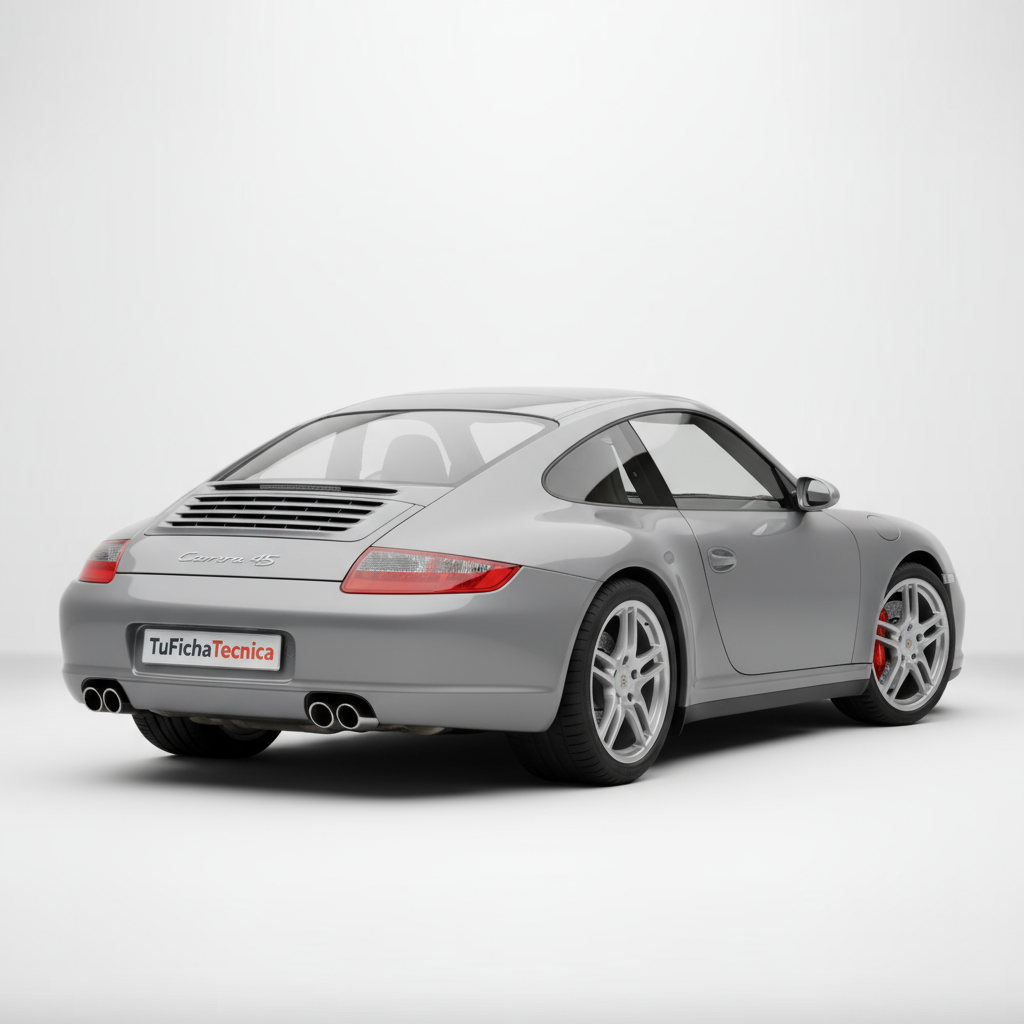
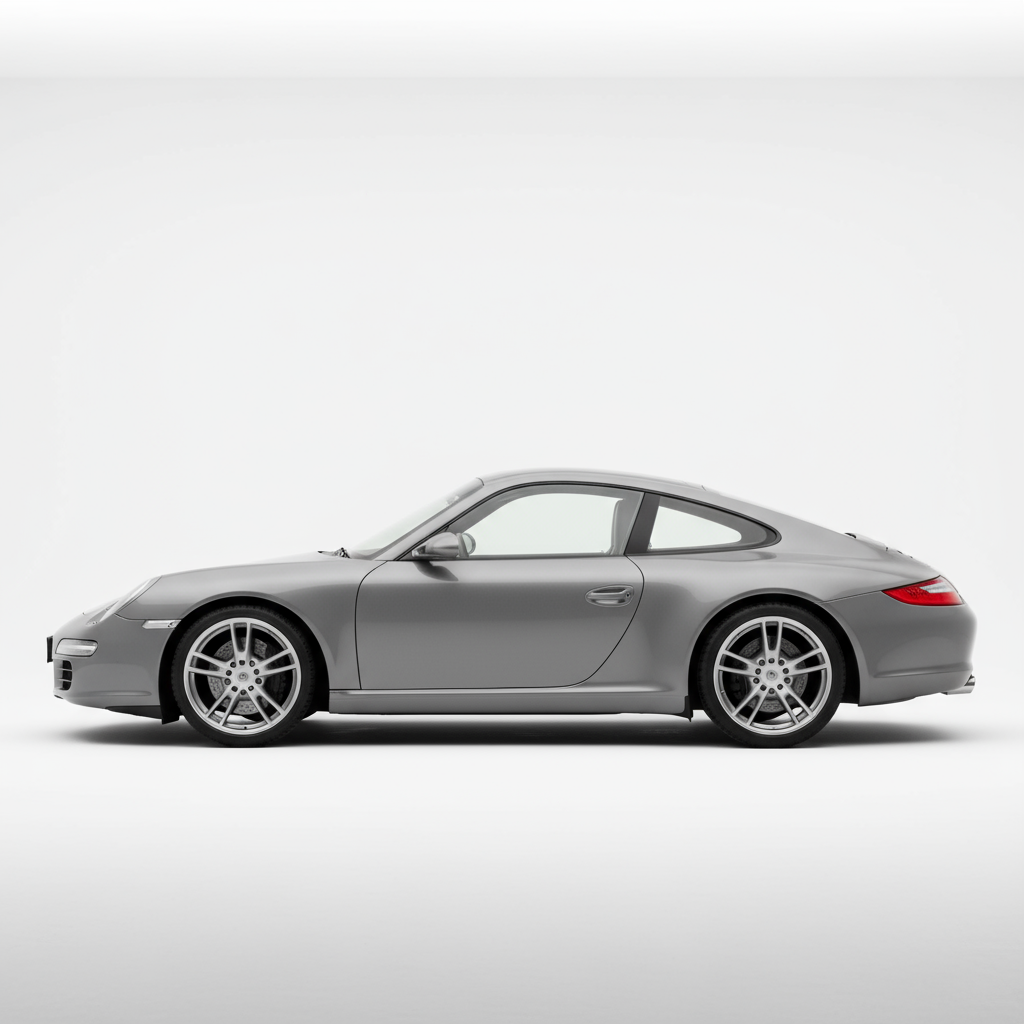
The design of the 2004 Porsche 911 GT3 is a statement of intent. Its two-door, two-seater coupe body, with a length of 4445 mm and a height of 1280 mm, exudes sportiness and aggressiveness. The 19-inch wheels, with 235/35 R19 Z tires at the front and 305/30 R19 Z at the rear, are not only aesthetically imposing but also contribute to its exceptional grip. Every line, every curve, is designed to optimize aerodynamics and cooling, without concessions to superfluous aesthetics. It is a timeless design that continues to captivate to this day.
Technology and features
Under its skin, the 911 GT3 hides cutting-edge technology for its time, focused on performance. Its 3.6-liter gasoline engine, with indirect injection and variable intake, is a masterpiece of engineering. The lightweight construction, with aluminum block and cylinder head, contributes to a contained weight of 1470 kg. Although it lacks modern systems such as Stop&Start, its focus on pure mechanics and connection with the driver makes it special. The rack-and-pinion steering, although without speed-sensitive assistance, offers direct and precise feedback, essential for a car of these characteristics.
Competition
In its segment, the 2004 Porsche 911 GT3 faced rivals such as the Ferrari F430, the Lamborghini Gallardo, or the Aston Martin V8 Vantage. While these offered greater luxury or a more exotic aesthetic, the GT3 stood out for its purist approach to driving, its reliability, and its ability to be a track car usable on the road. Its power-to-weight ratio and agility made it a formidable contender on any track.
Conclusion
The 2004 Porsche 911 GT3 is much more than a car; it is a legend. It is the embodiment of a passion for driving, a vehicle that demands and rewards you in equal measure. Its naturally aspirated engine, manual gearbox, and finely tuned chassis offer an unparalleled experience that few modern cars can replicate. It is an instant classic, a cult object for lovers of pure, unfiltered sports cars. Its combined consumption of 12.8 l/100km and its emissions of 307 g/km of CO2 are the price to pay for the emotion it offers.