
Especificaciones y análisis del Peugeot 407
Power
136HP
Torque
320Nm
Consumption
5.9l/100
Emissions
155g/km
0-100 km/h
9.8s
Top Speed
208km/h
Weight
1580kg
Price
26,190€
Technical summary
Gasóleo
Manual 6v
FWD
5 / 4 doors
407 L
66 L
100 kW
Current
Technical specifications
Engine
Capacities
Detailed analysis of the Peugeot 407 Premium HDi 136 FAP · 136 CV (2008)
General description
The Peugeot 407, in its 2.0 HDi 136 hp sedan version, was introduced in 2004 as a bold and elegant proposal within the mid-size sedan segment. With a design that broke molds and a clear commitment to comfort and technology, this model sought to consolidate Peugeot's presence in a competitive market, offering a distinctive and characterful alternative.
Driving experience
Behind the wheel of the 407, the predominant sensation is one of poise and smoothness. Its 136 hp diesel engine, while not an abundance of power, offers a strong response from low revolutions, ideal for relaxed and efficient driving on the road. The precise and communicative steering, along with a suspension that masterfully filters out road irregularities, contribute to a pleasant journey. In curves, it proves stable and predictable, instilling confidence in the driver. It's a car that invites you to devour miles with a smile, without sacrificing surprising agility for its size.
Design and aesthetics
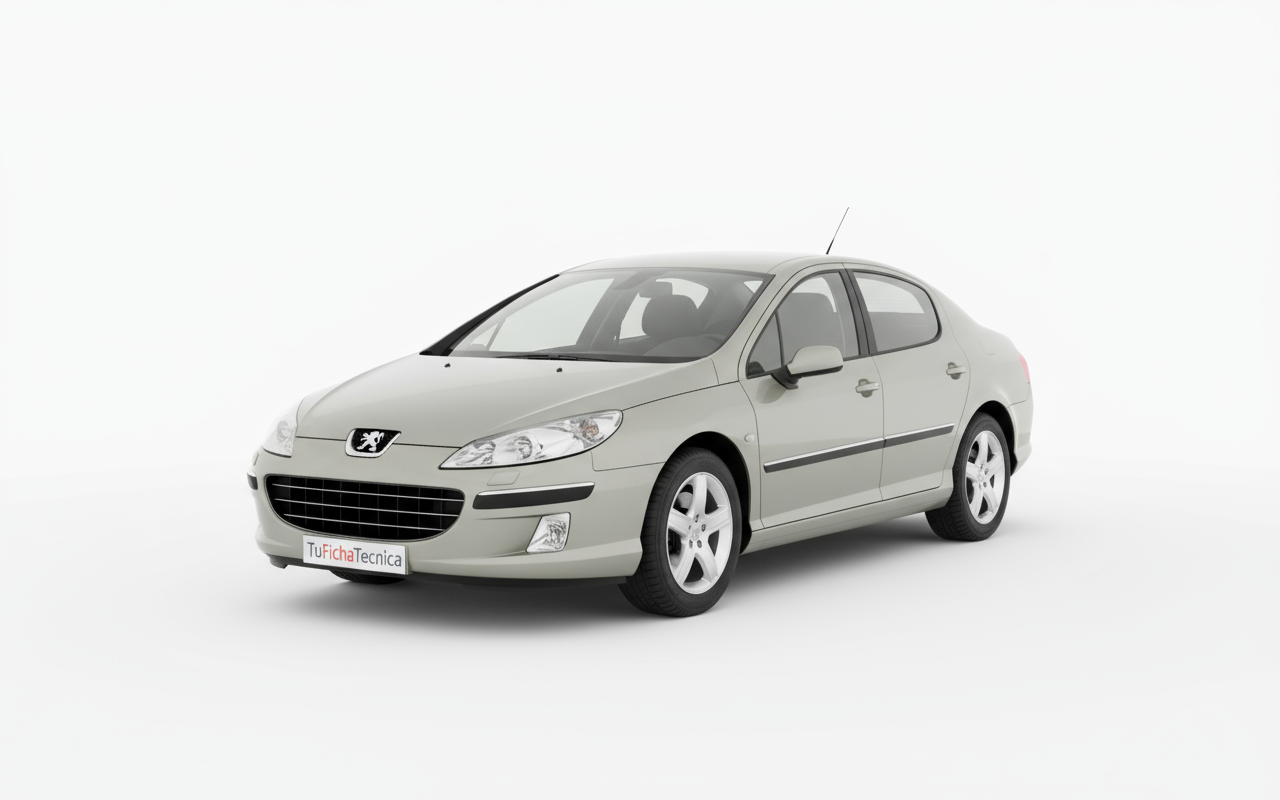
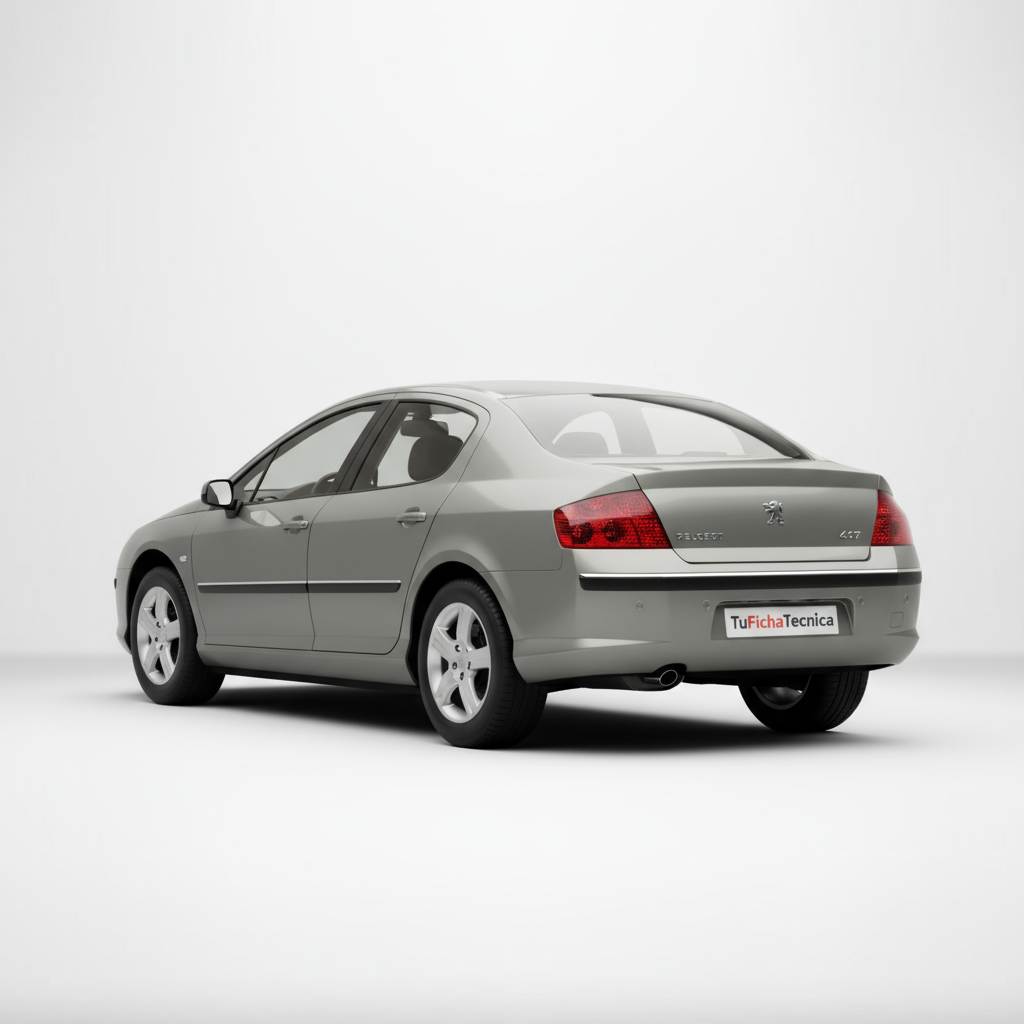
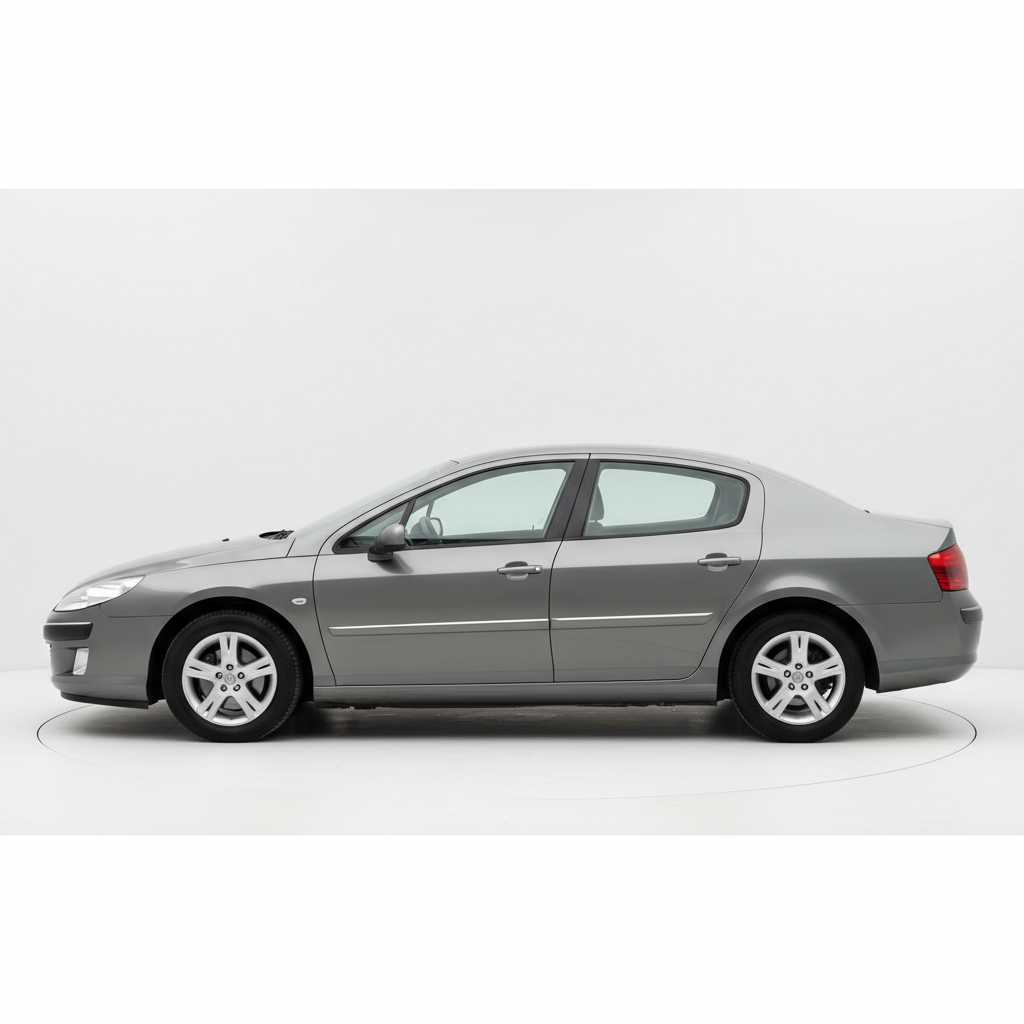
The design of the Peugeot 407 was, without a doubt, one of its strongest and most controversial points. Its front, with a prominent grille and elongated headlights that extended towards the windshield, gave it an unmistakable personality and a feline air. The coupé silhouette, despite being a four-door sedan, and the gentle slope of the roof towards the rear, gave it an elegance and dynamism that differentiated it from its competitors. The 17-inch wheels perfectly complemented its aesthetic, adding a touch of sportiness without being ostentatious. A car that, even today, still turns heads.
Technology and features
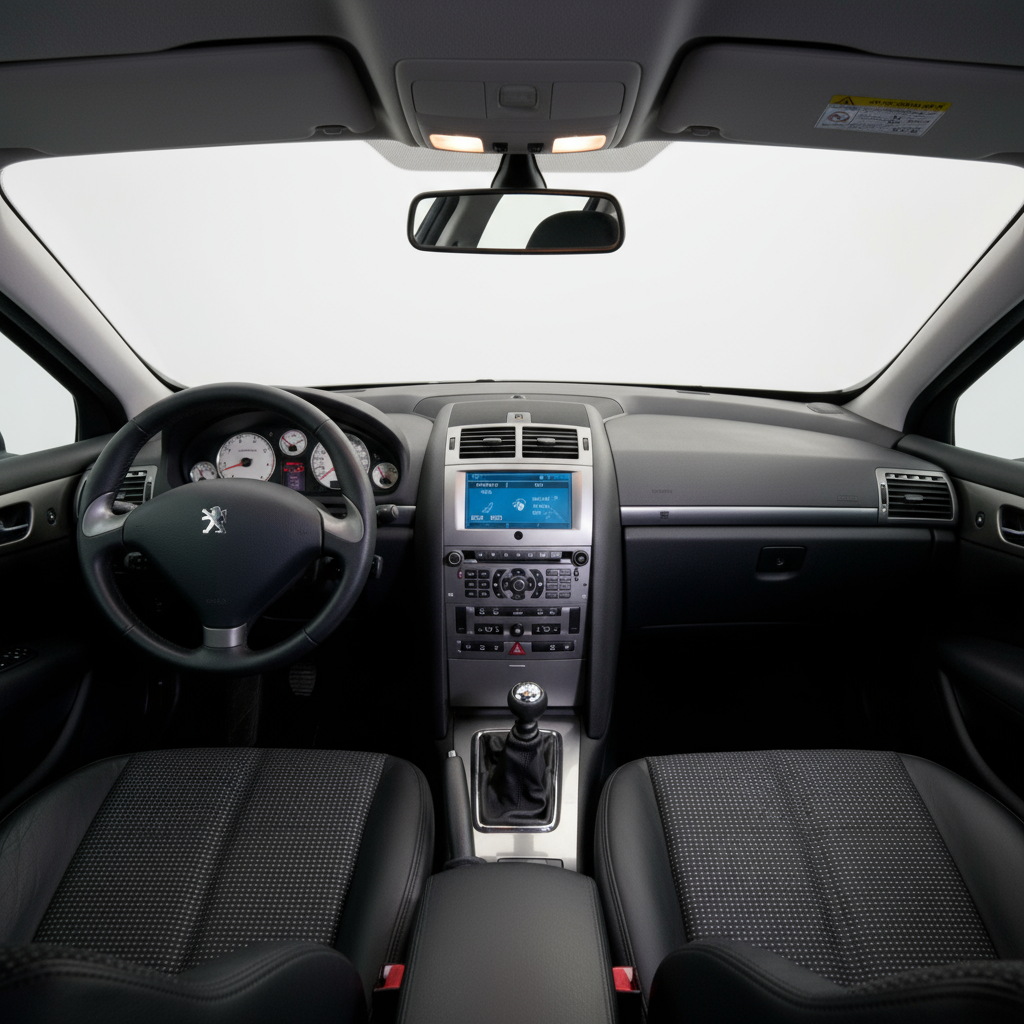
In terms of technology, the 407 Premium HDi 136 FAP incorporated elements that placed it at the forefront of its time. The 2.0 HDi engine with common rail direct injection, variable geometry turbo, and intercooler, guaranteed optimal performance and remarkable efficiency for its category. The 6-speed manual transmission allowed maximum use of the 320 Nm torque. Inside, although specific details are not provided, it is expected to have advanced comfort and safety equipment, in line with the Premium level of the version, offering a modern and connected driving experience for its time.
Competition
The Peugeot 407 faced tough competitors in the mid-size sedan segment, such as the Volkswagen Passat, Ford Mondeo, Renault Laguna, and Opel Vectra. Each with its own strengths, the 407 stood out for its bold design and its focus on driving comfort, offering a more emotional and distinctive alternative compared to the sobriety of some of its German rivals or the practicality of other French ones.
Conclusion
The Peugeot 407 sedan 2.0 HDi 136 FAP is a car that, despite the passage of time, maintains its appeal. Its avant-garde design, driving comfort, and efficient diesel engine make it an interesting option for those looking for a sedan with personality and good performance for daily use and long journeys. It is a vehicle that, without being perfect, offers a gratifying driving experience and a style that does not go unnoticed.