
Especificaciones y análisis del Peugeot 308
Power
120HP
Torque
160Nm
Consumption
6.4l/100
Emissions
147g/km
0-100 km/h
10.8s
Top Speed
195km/h
Weight
1362kg
Price
14,900€
Technical summary
Gasolina
Manual 5v
FWD
5 / 5 doors
348 L
60 L
88 kW
Current
Technical specifications
Engine
Capacities
Detailed analysis of the Peugeot 308 5p Confort 1.6 VTi 120 · 120 CV (2010)
General description
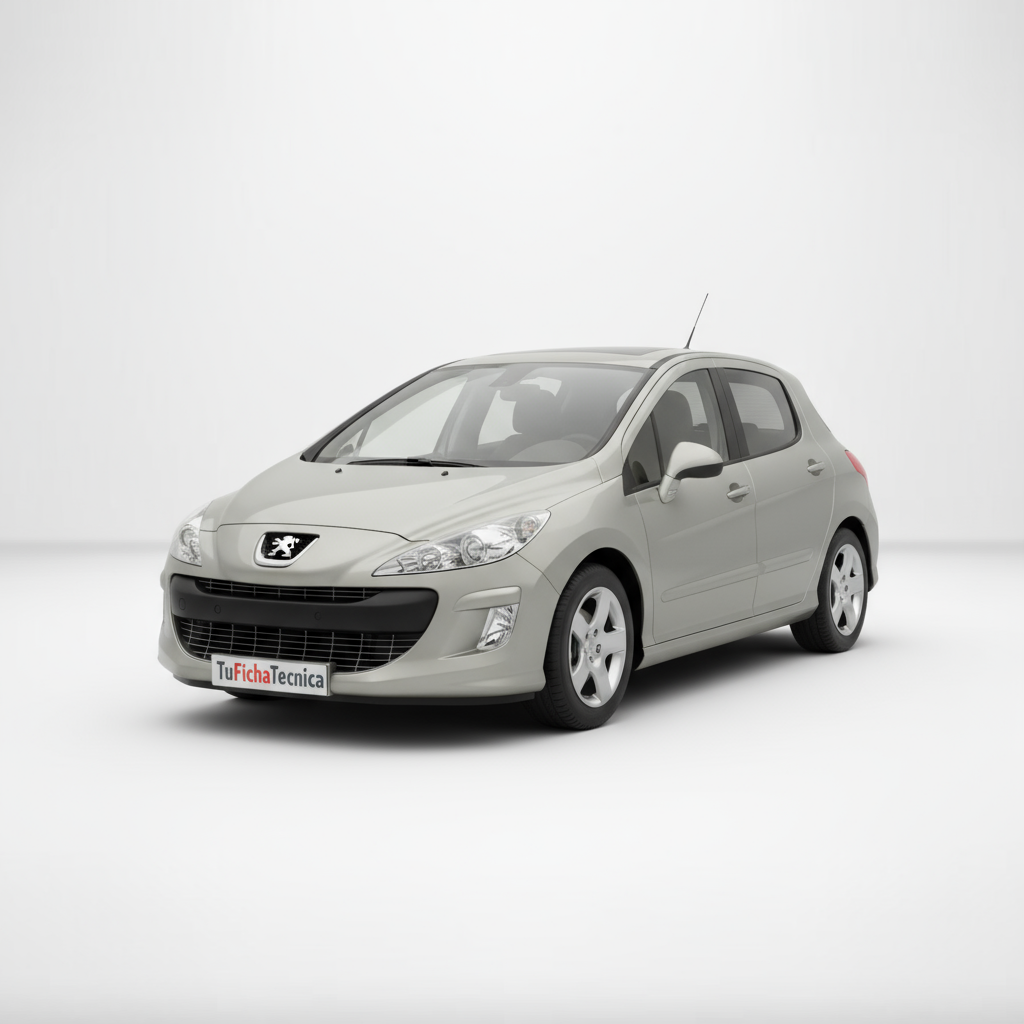
The 2008 Peugeot 308, in its Confort 1.6 VTi 120 hp version, presents itself as a balanced and attractive option within the compact segment. With a design that seeks elegance and functionality, this 5-door model offers a driving experience designed for everyday use, without sacrificing a touch of dynamism. Its gasoline engine, developed in collaboration with BMW, promises agile response and contained consumption for its time, positioning it as an interesting contender in a competitive market.
Driving experience
Behind the wheel of the Peugeot 308 1.6 VTi, the overall feeling is one of comfort and ease. The steering, with variable assistance, is precise and communicative, allowing good control both in the city and on the highway. The 120 hp engine, although not a marvel of power, delivers its force linearly and sufficiently for most situations, with an acceleration from 0 to 100 km/h in 10.8 seconds, placing it in the average for its category. The suspension, McPherson type at the front and torsion beam at the rear, effectively filters out road irregularities, offering a good compromise between comfort and stability. The brakes, with ventilated front discs and rear discs, perform their function competently. The 5-speed manual gearbox is smooth and precise, contributing to a pleasant and uneventful driving experience.
Design and aesthetics
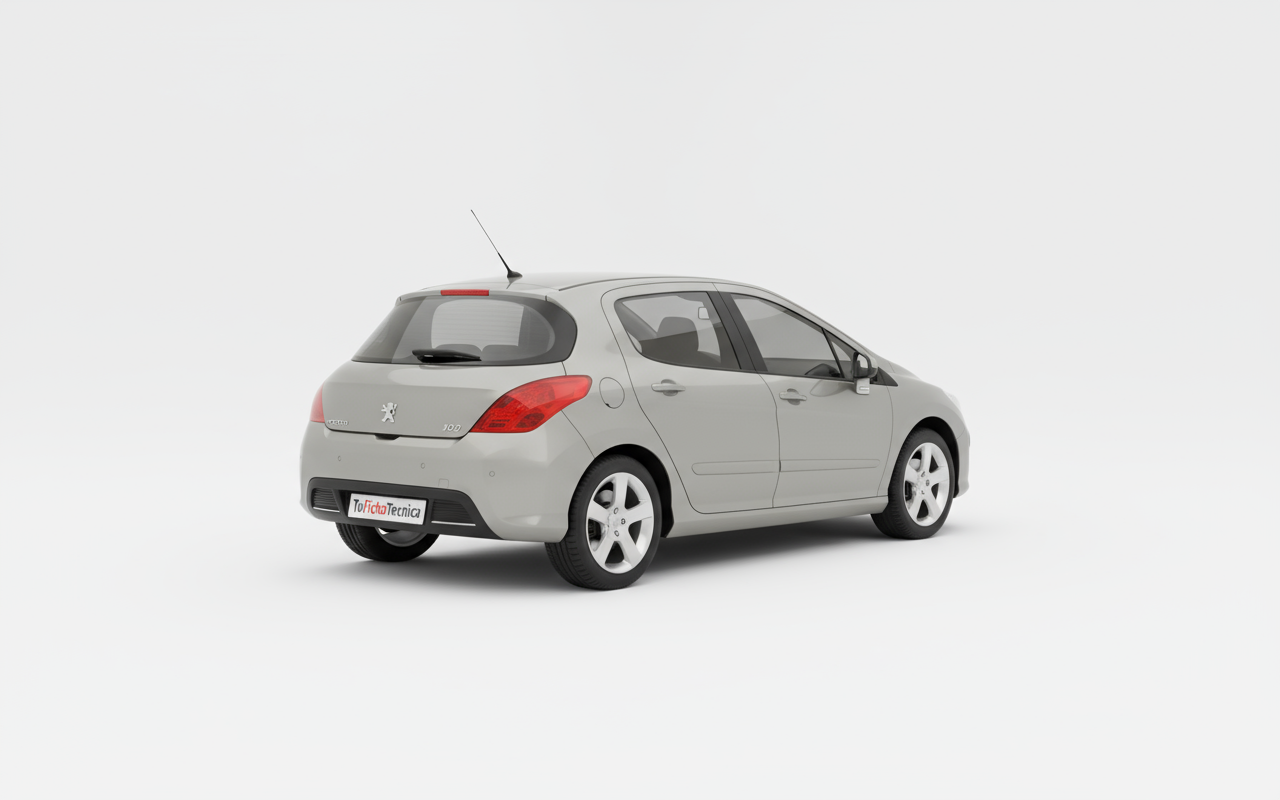
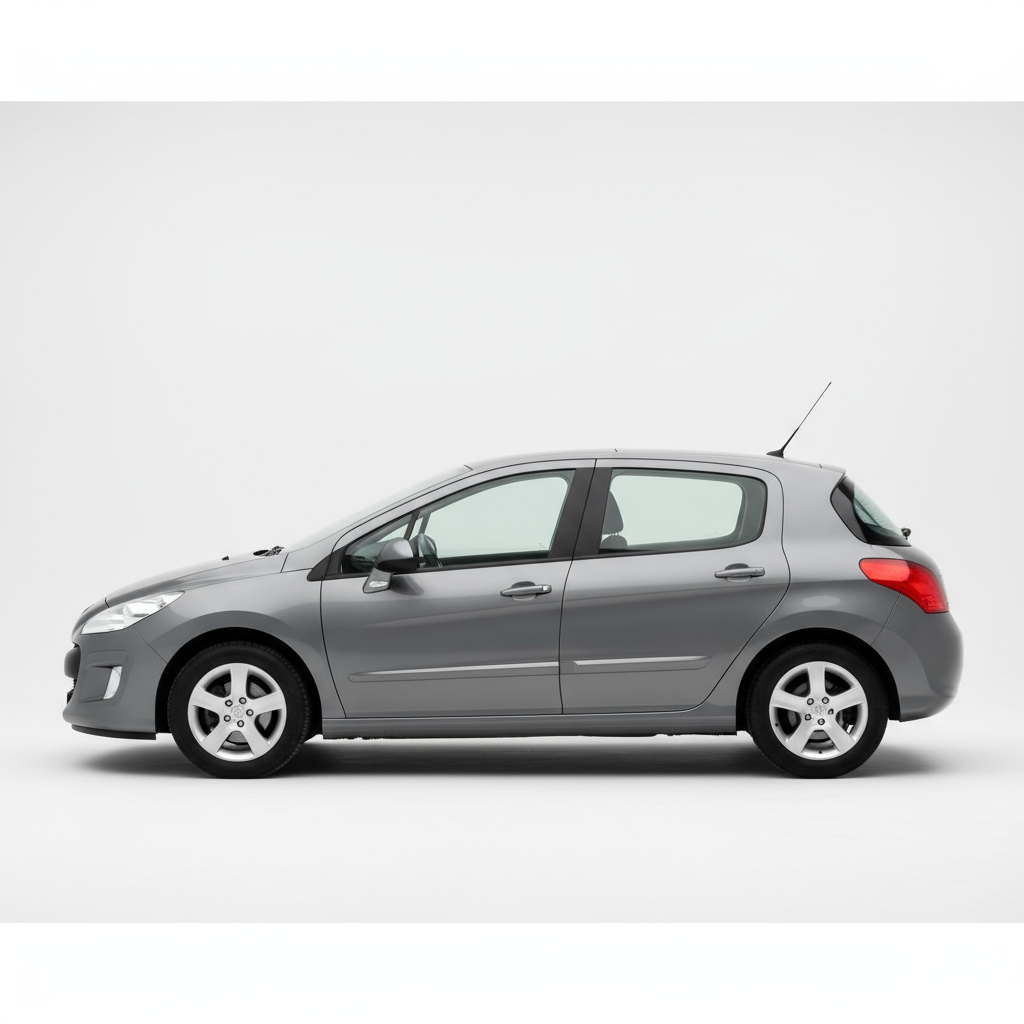
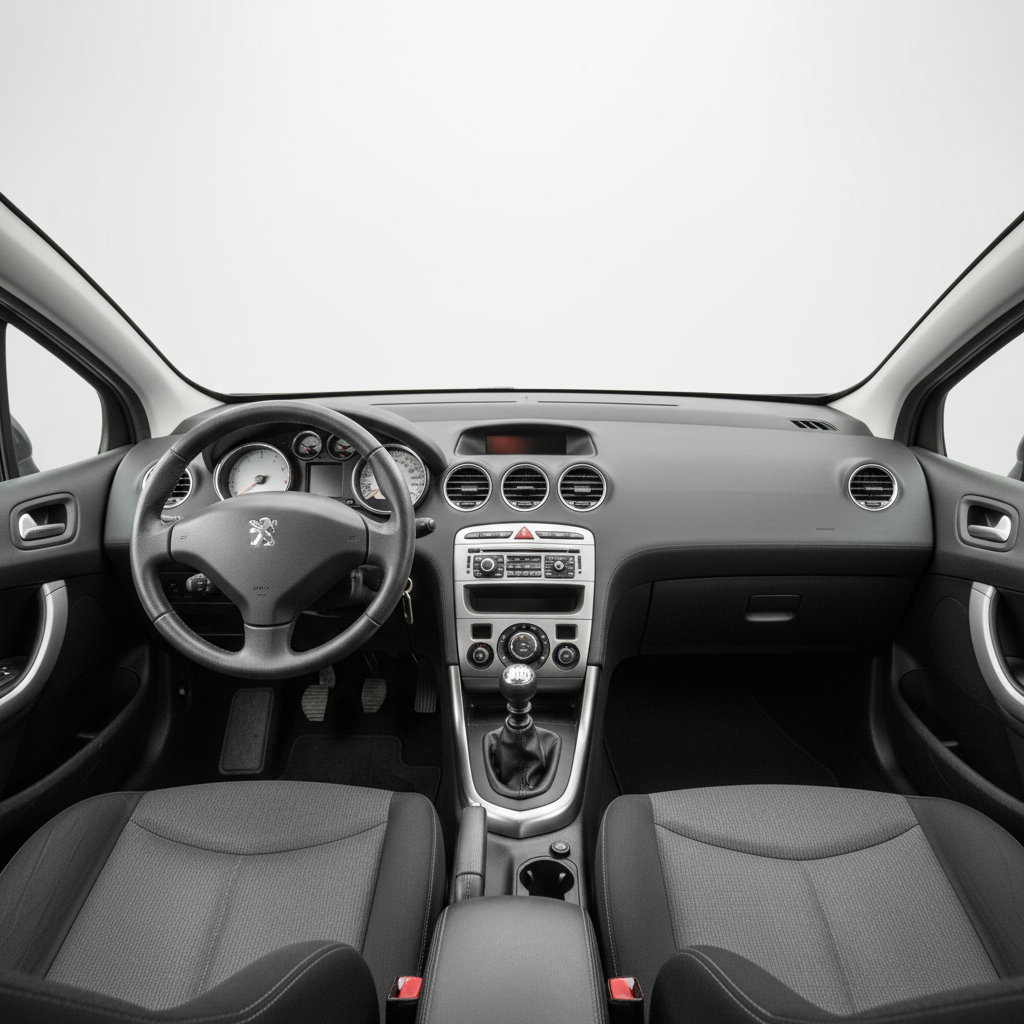
The design of the 2008 Peugeot 308 is characterized by its fluid lines and an aesthetic that seeks sophistication. The front, with Peugeot's characteristic grille and elongated headlights, gives it a distinctive look. The 5-door silhouette is harmonious, with a roofline that gives it a dynamic appearance without compromising habitability. Inside, the quality of materials and finishes is a strong point, with a well-organized dashboard and clear instrumentation. The seats are comfortable and offer good support, which is appreciated on long journeys. The trunk, with 348 liters of capacity, is practical and sufficient for the needs of a small family or for daily use.
Technology and features
In terms of technology, the 2008 Peugeot 308 1.6 VTi incorporates elements that, for its time, were considered modern and functional. The 1.6 VTi 120 hp engine is an example of engineering, with an aluminum cylinder head and an indirect injection system that seeks to optimize performance and efficiency. Although it lacks the latest innovations in connectivity or driving assistance systems that we find today, it offers the essentials for a safe and comfortable driving experience. Speed-sensitive power steering and ABS brakes with electronic brake force distribution are standard features that contribute to the vehicle's active safety. Its environmental label C reflects its compliance with the emission regulations of the time.
Competition
In the competitive compact segment, the 2008 Peugeot 308 1.6 VTi faced tough rivals such as the Volkswagen Golf, Ford Focus, Renault Mégane, or Opel Astra. Each of them offered their own virtues, whether in terms of sportiness, interior space, or equipment. The 308 stood out for its elegant design, the quality of its interior finishes, and remarkable ride comfort, seeking a balance between dynamism and comfort that made it attractive to a wide audience.
Conclusion
The 2008 Peugeot 308 5p Confort 1.6 VTi 120 hp is a car that, despite the passage of time, remains an interesting option in the used car market. It offers a remarkable balance between design, comfort, and performance, with a reliable engine and a well-finished interior. It is an ideal vehicle for those looking for a versatile compact, comfortable for everyday use and with a touch of distinction, without the sporty pretensions of other models, but with the necessary solvency to face any journey. Its combined consumption of 6.4 l/100km and its 147 g/km of CO2 place it at a reasonable point for its category and year of manufacture.