
Especificaciones y análisis del Peugeot 307
Power
107HP
Torque
250Nm
Consumption
5.2l/100
Emissions
-g/km
0-100 km/h
12.7s
Top Speed
188km/h
Weight
1296kg
Price
18,790€
Technical summary
Gasóleo
Manual 5v
FWD
5 / 5 doors
341 L
60 L
79 kW
Current
Technical specifications
Engine
Capacities
Detailed analysis of the Peugeot 307 5p XS 2.0 HDi 110 FAP+ESP · 107 CV (2001-2004)
General description
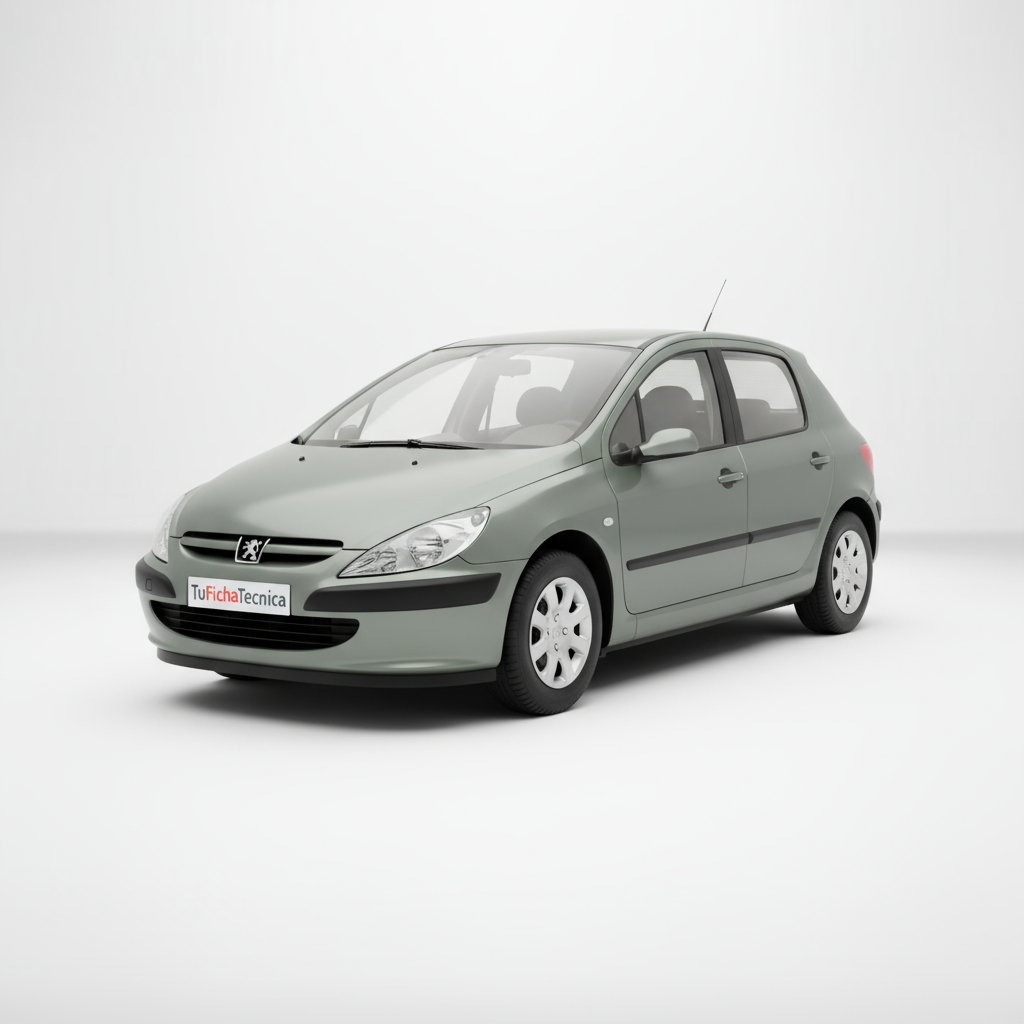
The 2001 Peugeot 307, in its 5-door XS 2.0 HDi 110 FAP+ESP version, was presented as a bold proposal in the compact segment. With a design that broke molds and a clear commitment to habitability, this model sought to conquer those who valued space and comfort without giving up a touch of distinction. Its 107 hp diesel engine promised efficiency and adequate performance for everyday use, positioning itself as an interesting option for families and drivers who made long journeys.
Driving experience
Behind the wheel of the Peugeot 307, the predominant sensation is comfort. The suspension, although not excessively soft, filters out road irregularities well, offering a pleasant ride. The 107 hp 2.0 HDi engine, with its 250 Nm of torque at 1750 rpm, responds effectively from low revolutions, facilitating overtakes and city driving. However, don't expect overwhelming sportiness; its acceleration from 0 to 100 km/h in 12.7 seconds and a top speed of 188 km/h place it in a rather calm range. The rack-and-pinion steering offers adequate assistance, although it could be more communicative. Overall, it is a car that invites calm and enjoyment of the journey.
Design and aesthetics
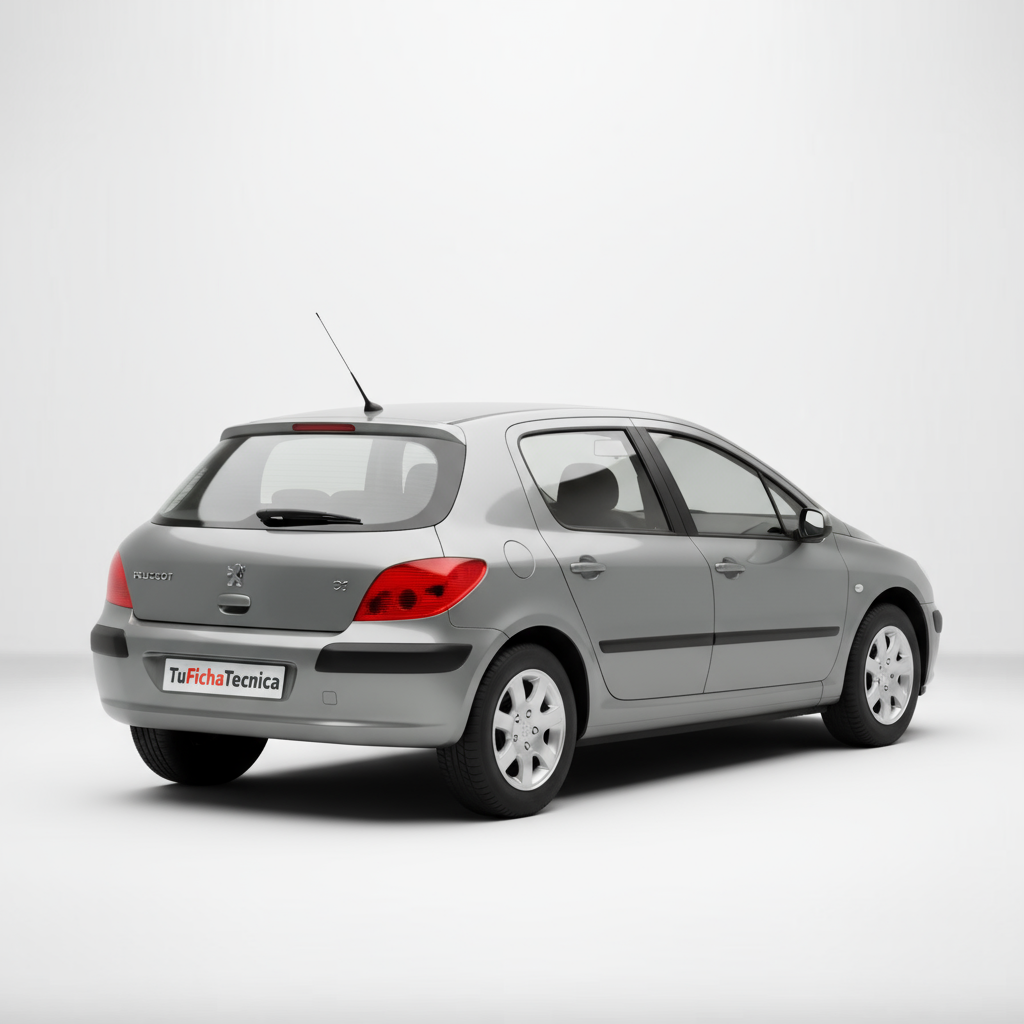
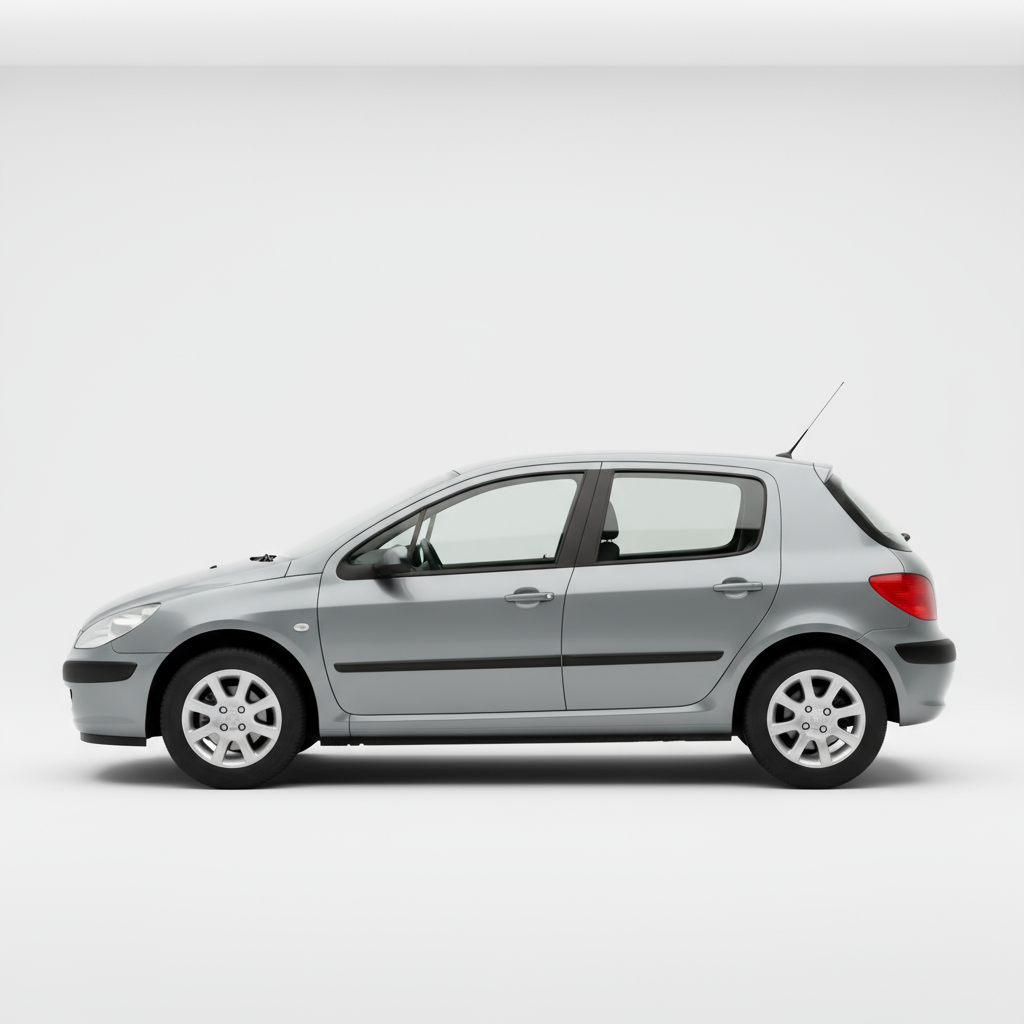
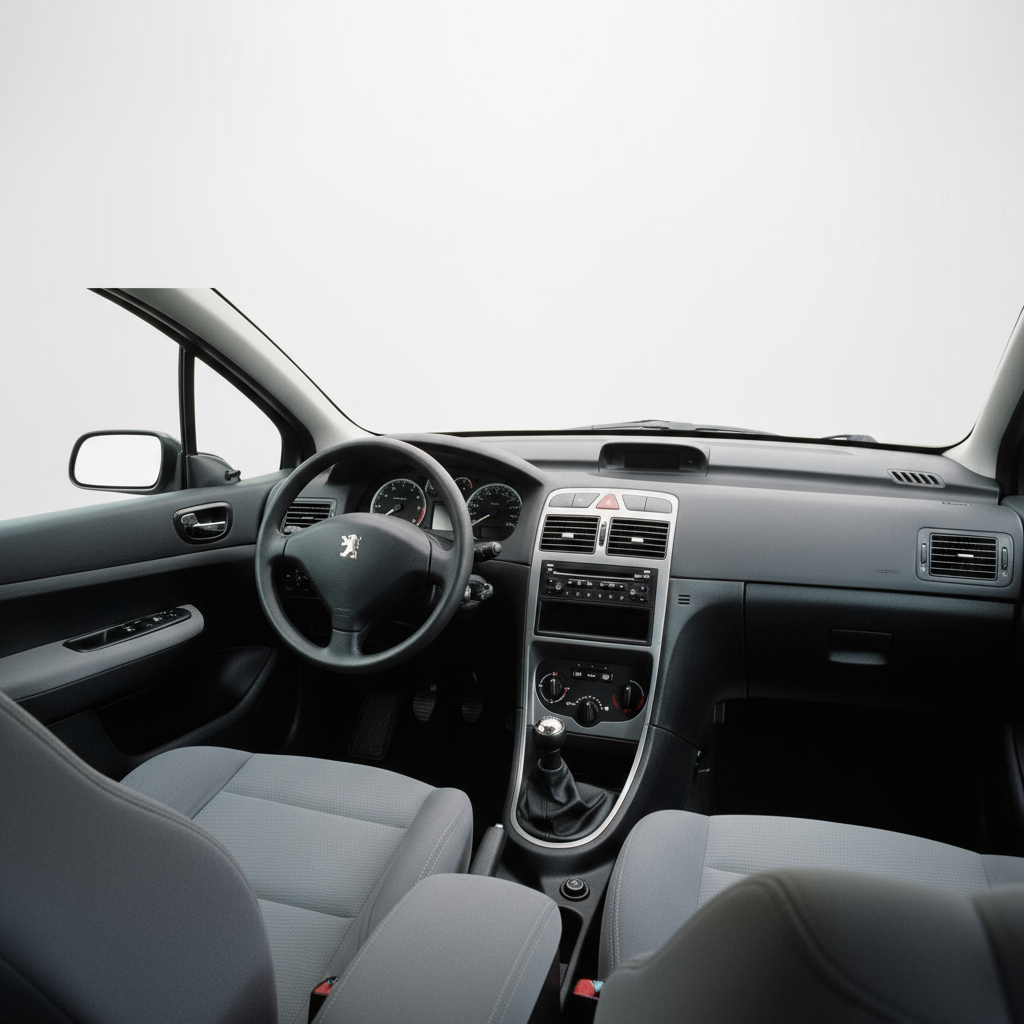
The design of the Peugeot 307 was, without a doubt, one of its strong and most controversial points. With a considerable height for a compact of the time (1510 mm), it was closer to the aesthetic of a minivan, which earned it the nickname 'mini-minivan'. Its rounded lines and prominent front gave it a unique personality, clearly differentiating it from its competitors. The interior, spacious and bright thanks to its large glazed surface, conveyed a sense of spaciousness uncommon in its segment. The materials, although not luxurious, were pleasant to the touch and the dashboard design was functional and modern for its time.
Technology and features
In the technological section, the Peugeot 307 2.0 HDi 110 FAP+ESP incorporated advanced elements for its time. The common rail direct injection diesel engine, turbo and intercooler, was a benchmark in efficiency and refinement. The inclusion of the particulate filter (FAP) and electronic stability control (ESP) as standard in this version demonstrated Peugeot's commitment to safety and the environment. The 5-speed manual transmission, although effective, did not stand out for its precision. As for connectivity and infotainment, as expected in a 2001 car, they were quite basic, focused on the radio and CD player.
Competition
The Peugeot 307 faced tough competition in the compact segment, where rivals such as the Volkswagen Golf, Ford Focus, Opel Astra, and Renault Mégane were heavyweights. Compared to them, the 307 stood out for its greater habitability and its bolder and more spacious design, which brought it closer to the versatility of a minivan. Its HDi diesel engine was competitive in consumption and performance, although some rivals offered more powerful options or with a sportier driving feel. Its commitment to comfort and active safety differentiated it, seeking an audience that valued these aspects above pure sportiness.
Conclusion
The 2001 Peugeot 307 5p XS 2.0 HDi 110 FAP+ESP was a car that marked an era for Peugeot, daring to break with the conventions of the compact segment. Its innovative design, its remarkable interior space, and its efficient diesel engine made it a very attractive option for families and for those looking for a comfortable and safe car for everyday use. Although it was not the sportiest in its class, its balance between comfort, habitability, and technology made it stand out. A vehicle that, despite its age, still evokes a sense of practicality and a touch of originality.