
Especificaciones y análisis del Peugeot 307
Power
107HP
Torque
250Nm
Consumption
5.2l/100
Emissions
-g/km
0-100 km/h
12.7s
Top Speed
188km/h
Weight
1296kg
Price
21,570€
Technical summary
Gasóleo
Manual 5v
FWD
5 / 5 doors
341 L
60 L
79 kW
Current
Technical specifications
Engine
Capacities
Detailed analysis of the Peugeot 307 5p XT Cuero 2.0 HDi 110 FAP+ESP · 107 CV (2001-2002)
General description
The 2001 Peugeot 307, in its 5-door XT Leather 2.0 HDi 110 FAP+ESP version, was presented as an ambitious proposal in the compact segment, seeking to offer a balance between comfort, equipment, and a touch of distinction. With its 107 HP diesel engine, it promised efficiency and adequate performance for daily use, positioning itself as an interesting option for those looking for a versatile and well-equipped car.
Driving experience
Behind the wheel of the Peugeot 307, the general feeling is one of comfort and smoothness. The 107 HP 2.0 HDi engine, although not an abundance of power, delivers its 250 Nm of torque at low revolutions (1750 rpm), which translates into a pleasant response in most driving situations, especially in the city and on the highway. The 5-speed manual gearbox operates precisely, contributing to a relaxed driving experience. The suspension, McPherson type at the front and trailing arm with torsional element at the rear, filters road irregularities well, offering a good compromise between comfort and stability. However, in fast corners, a slight body roll is perceived, typical of its more comfortable approach. The rack-and-pinion steering is precise and facilitates maneuvers, although it lacks the more direct feedback that some sporty drivers might desire. Overall, it is a car that invites calm journeys and enjoying a cabin well isolated from external noise.
Design and aesthetics
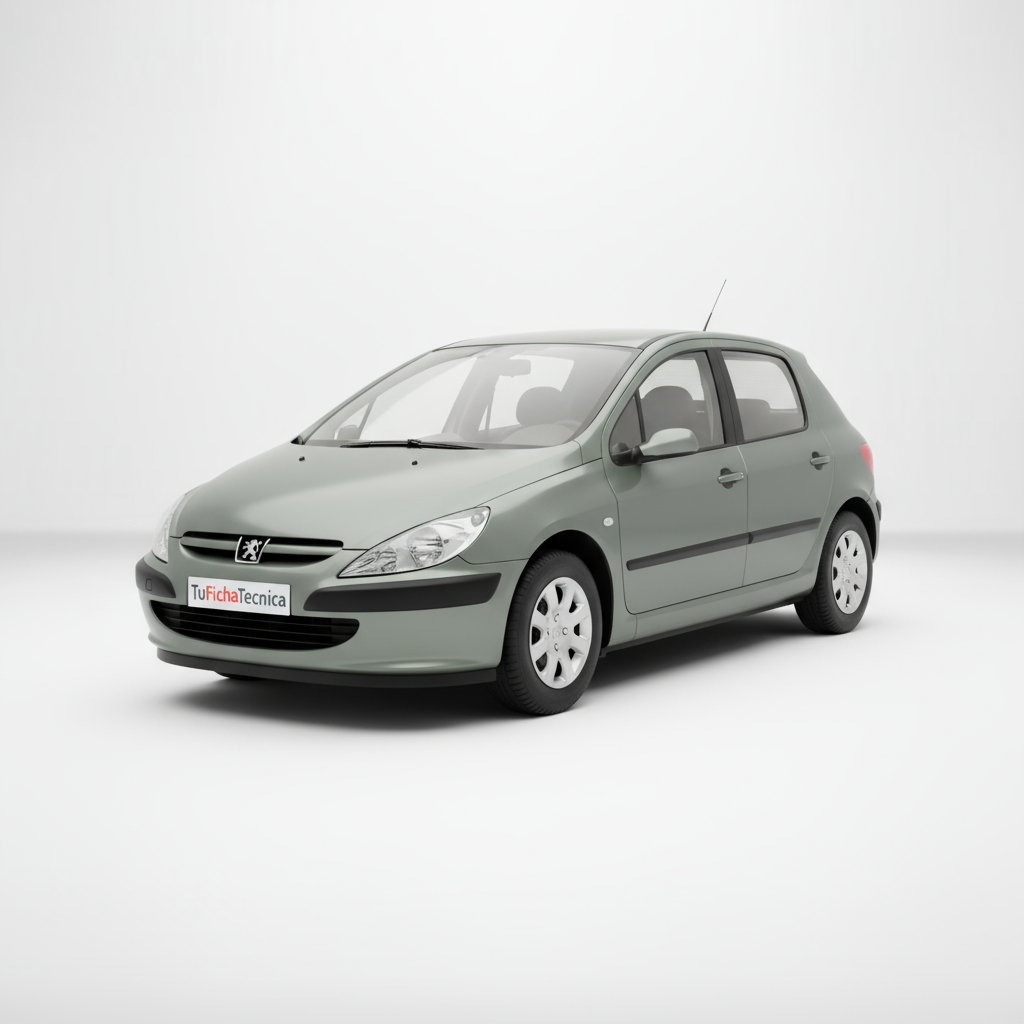
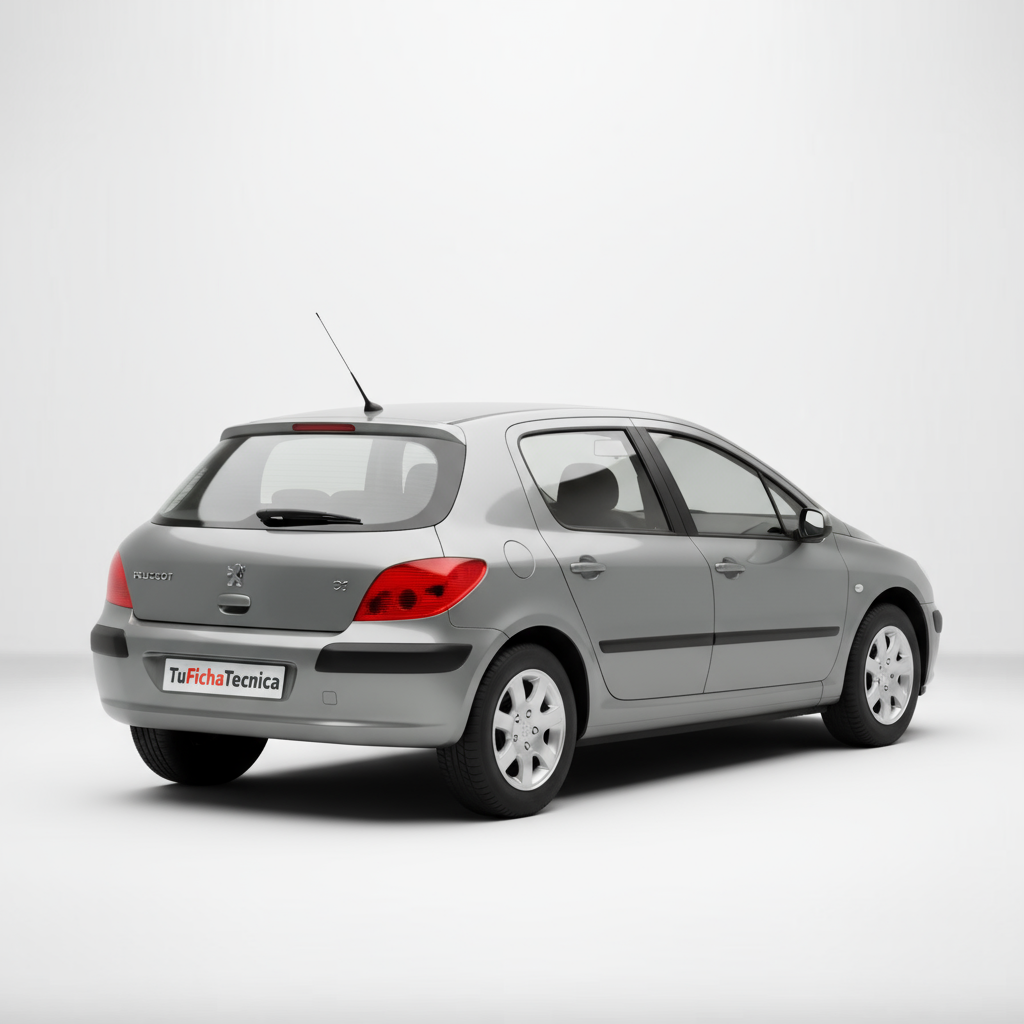
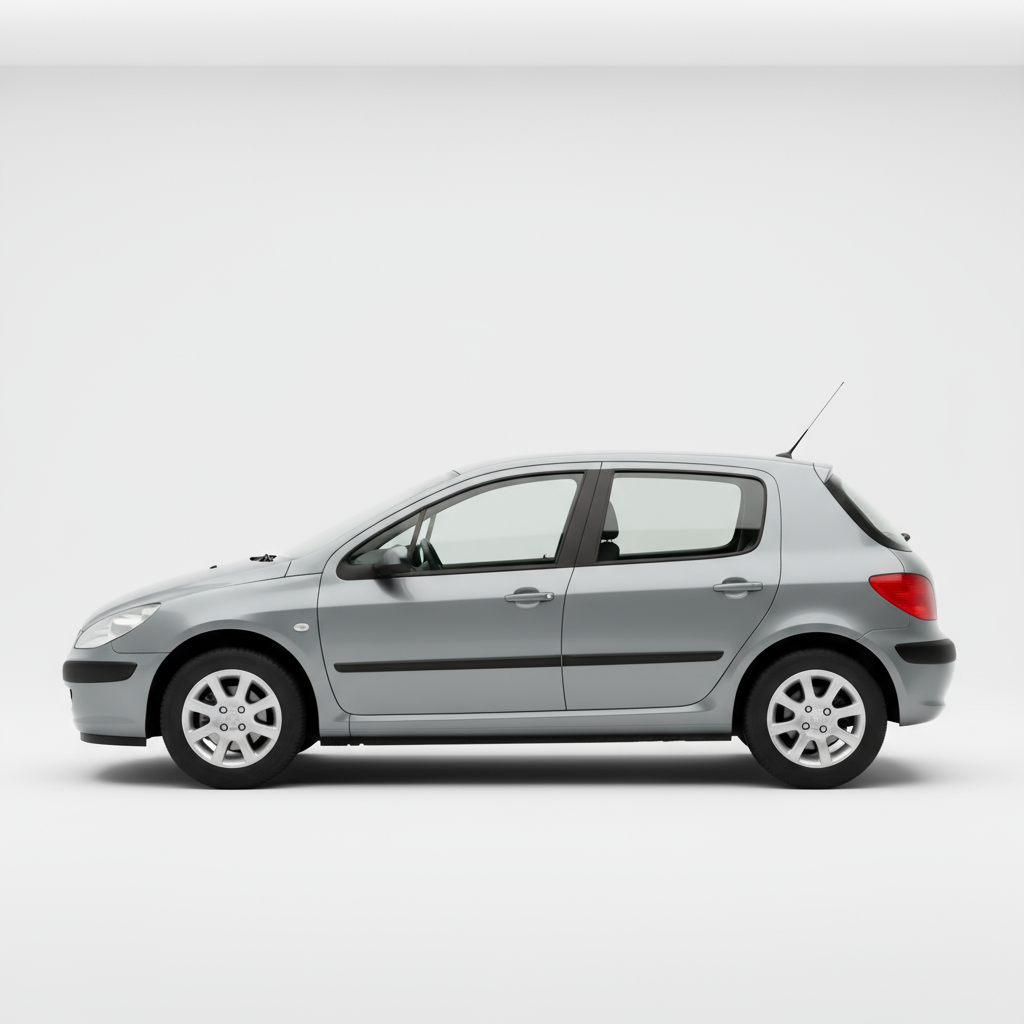
The design of the 2001 Peugeot 307 was, at the time, a statement of intent. With its 4202 mm length, 1746 mm width, and 1510 mm height, it presented a taller and more voluminous silhouette than its predecessors, which gave it a more robust presence and a more spacious interior. Its soft and rounded lines, along with the large front headlights and the characteristic Peugeot grille, gave it a modern and elegant aesthetic. The XT Leather version, as its name suggests, added a touch of sophistication with the leather-upholstered interior, elevating the perception of quality and comfort. The 16-inch wheels with 205/55 R16 V tires complemented its image, providing visual balance and a firm stance.
Technology and features
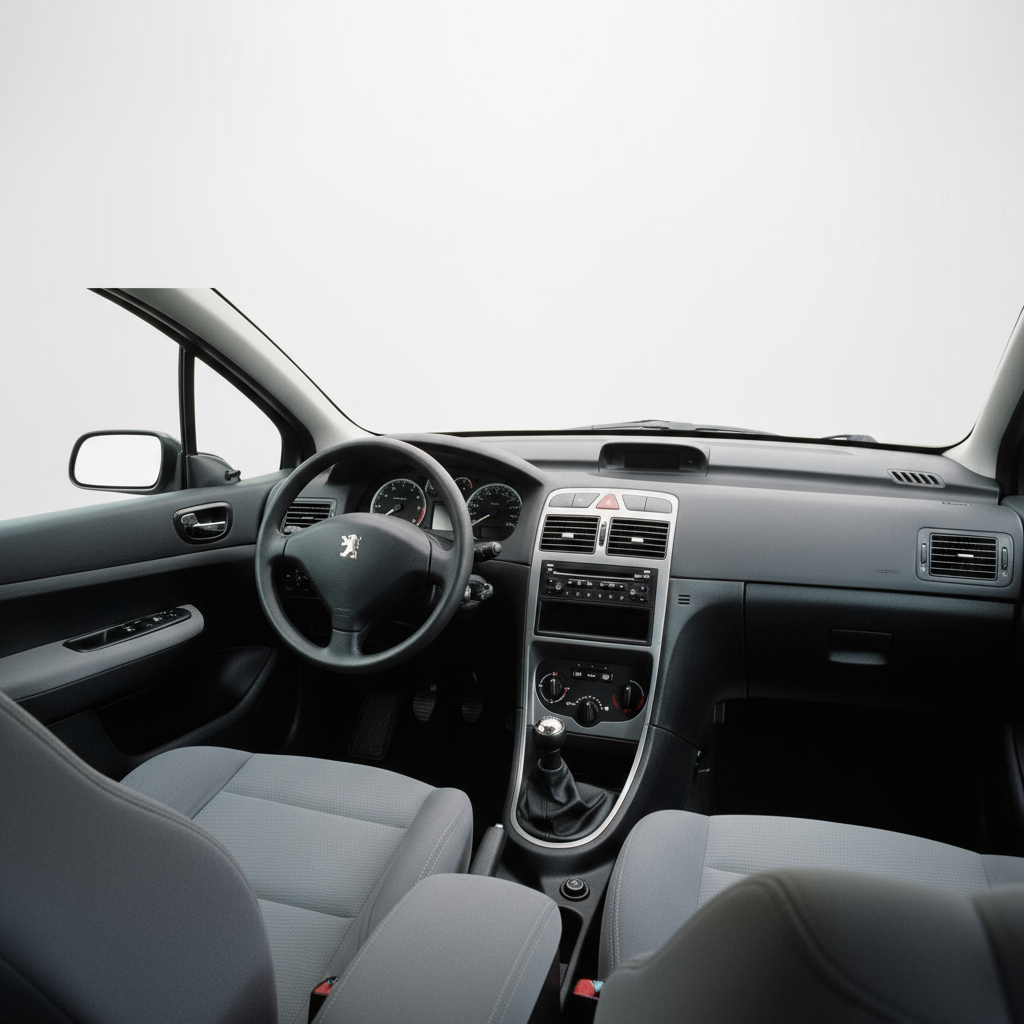
In the technology section, the 2001 Peugeot 307, especially in this XT Leather 2.0 HDi 110 FAP+ESP version, incorporated advanced elements for its time. The common rail direct injection diesel engine, turbo, and intercooler, was a benchmark in efficiency and refinement. The inclusion of the Particulate Filter (FAP) and Electronic Stability Control (ESP) were outstanding features that improved both the ecology and active safety of the vehicle, something not so common in all compacts of the time. Although details about the infotainment system are not specified, it is expected to have a quality sound system and the usual amenities of a high-end finish, such as electric windows and climate control. The instrumentation was clear and functional, providing the necessary information to the driver intuitively.
Competition
In the competitive compact segment, the Peugeot 307 faced tough rivals. Models such as the Volkswagen Golf, Ford Focus, Opel Astra, or Renault Mégane were its main contenders. Compared to them, the 307 stood out for its greater height and habitability, its distinctive design, and a generous level of equipment in the higher versions. The 110 HP HDi engine offered a good combination of performance and consumption, competing directly with the diesel offerings of its rivals. Its focus on comfort and ride quality differentiated it, seeking to attract an audience that valued comfort and elegance above extreme sportiness.
Conclusion
The 2001 Peugeot 307 5-door XT Leather 2.0 HDi 110 FAP+ESP was a car that marked an era for Peugeot, offering a qualitative leap in design, space, and equipment within the compact segment. Its efficient and refined diesel engine, along with a comfortable and well-finished interior, made it a very attractive option for families and drivers looking for a versatile vehicle with a touch of distinction. Although it was not the sportiest in its class, its overall balance and its commitment to safety and comfort made it a very popular and appreciated model at the time. It represented an important evolution for the brand, laying the foundations for future successes.