
Especificaciones y análisis del Peugeot 307
Power
107HP
Torque
250Nm
Consumption
5.2l/100
Emissions
-g/km
0-100 km/h
12.7s
Top Speed
188km/h
Weight
1296kg
Price
18,790€
Technical summary
Gasóleo
Manual 5v
FWD
5 / 5 doors
341 L
60 L
79 kW
Current
Technical specifications
Engine
Capacities
Detailed analysis of the Peugeot 307 5p XT 2.0 HDi 110 FAP+ESP · 107 CV (2001-2004)
General description
The Peugeot 307 5p XT 2.0 HDi 110 FAP+ESP, launched in 2001, was presented as an ambitious proposal in the compact segment. With a design that sought to break molds and a clear commitment to diesel technology, this model promised a balanced and efficient driving experience. Its arrival on the market generated anticipation, positioning itself as an attractive option for those looking for a family car with a touch of distinction.
Driving experience
Behind the wheel of the 307, the sensation is one of solidity and comfort. The 2.0 HDi 107 hp engine, although not a powerhouse, offers a smooth and progressive response, ideal for daily use and long journeys. The suspension, McPherson type at the front and trailing arm with torsion beam at the rear, filters out road irregularities well, providing a pleasant ride. The rack-and-pinion steering transmits a good connection with the road, though without being excessively sporty. In general, it is a car that invites calm and enjoyment of the journey, with a combined consumption of 5.2 l/100km that makes it very efficient.
Design and aesthetics
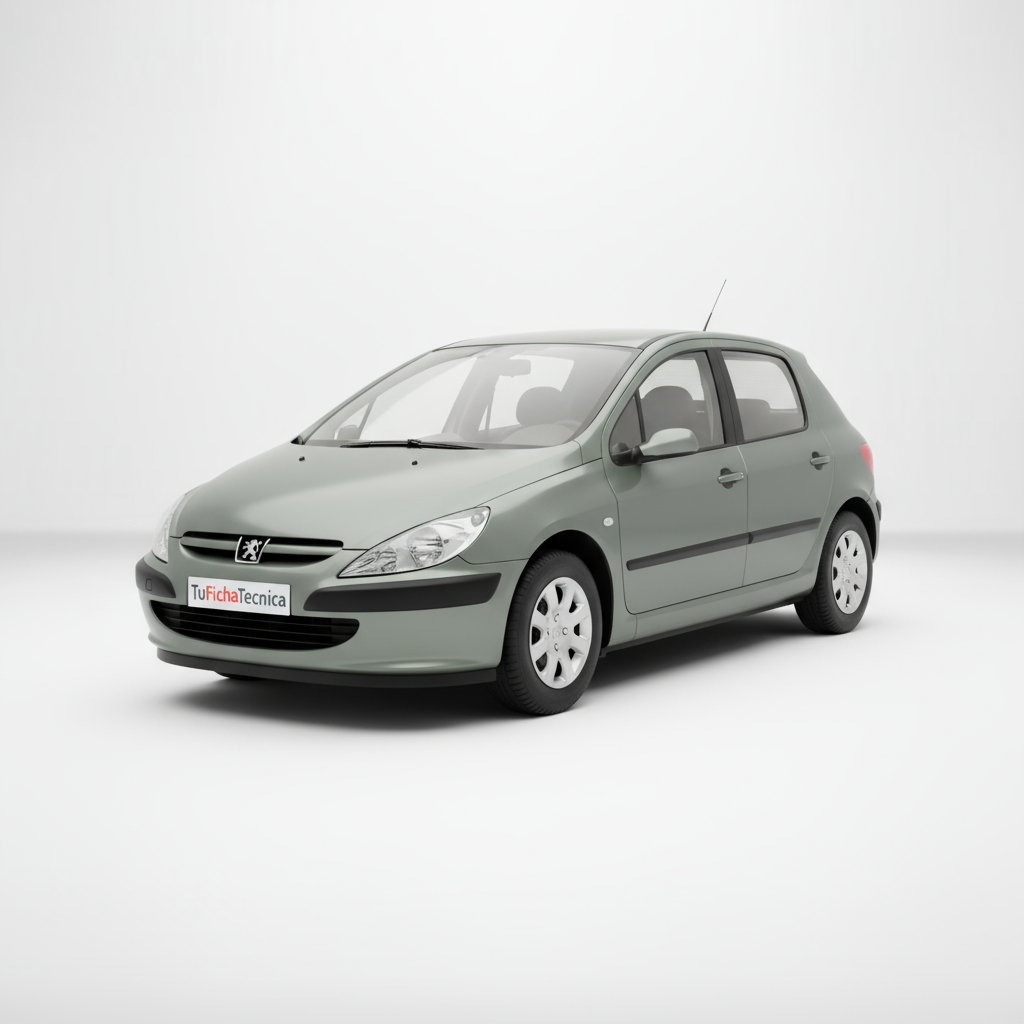
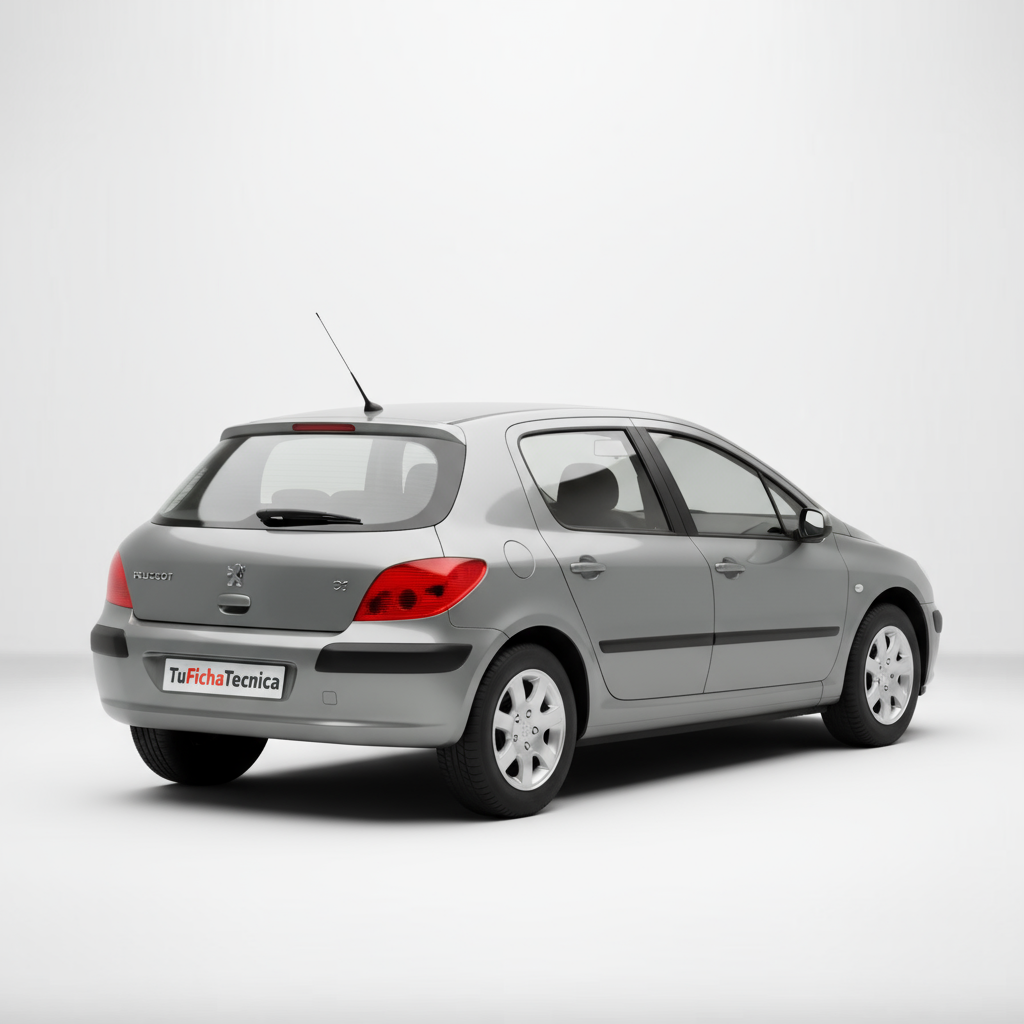
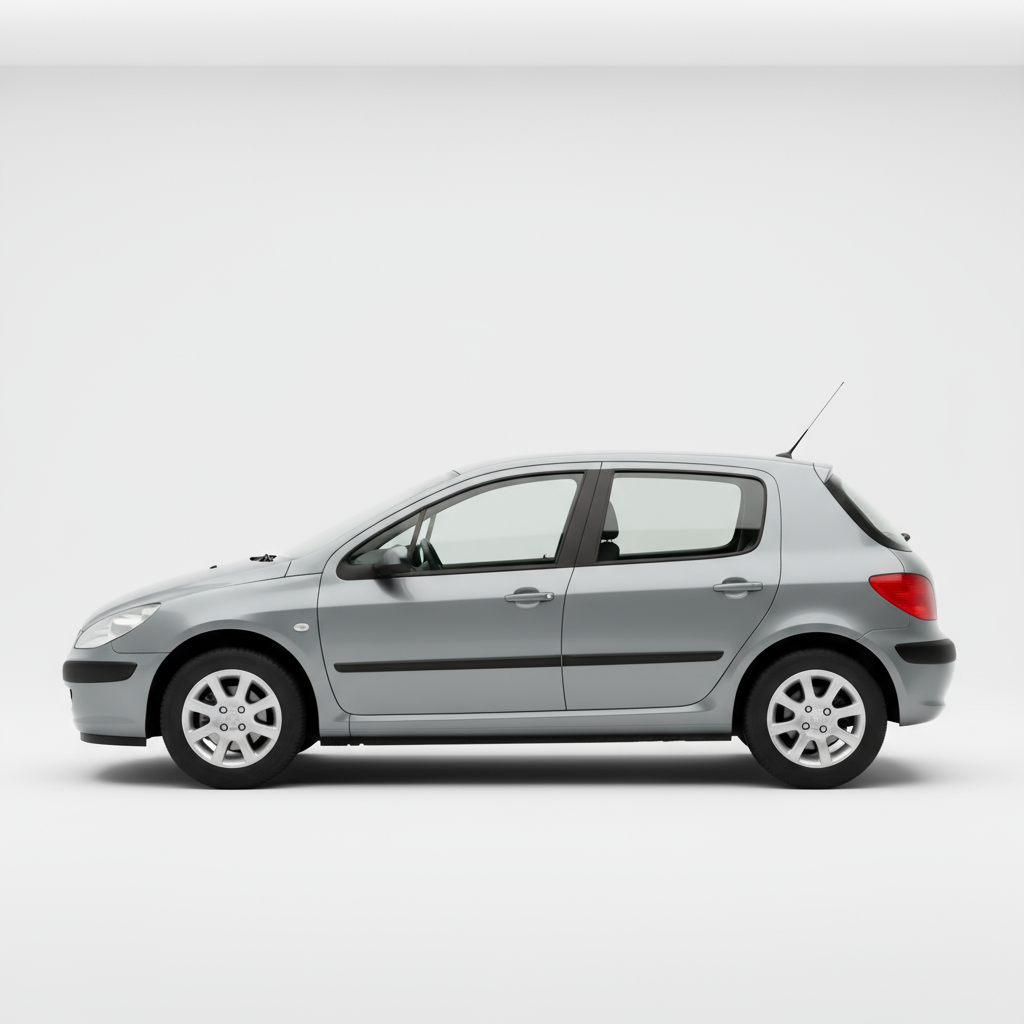
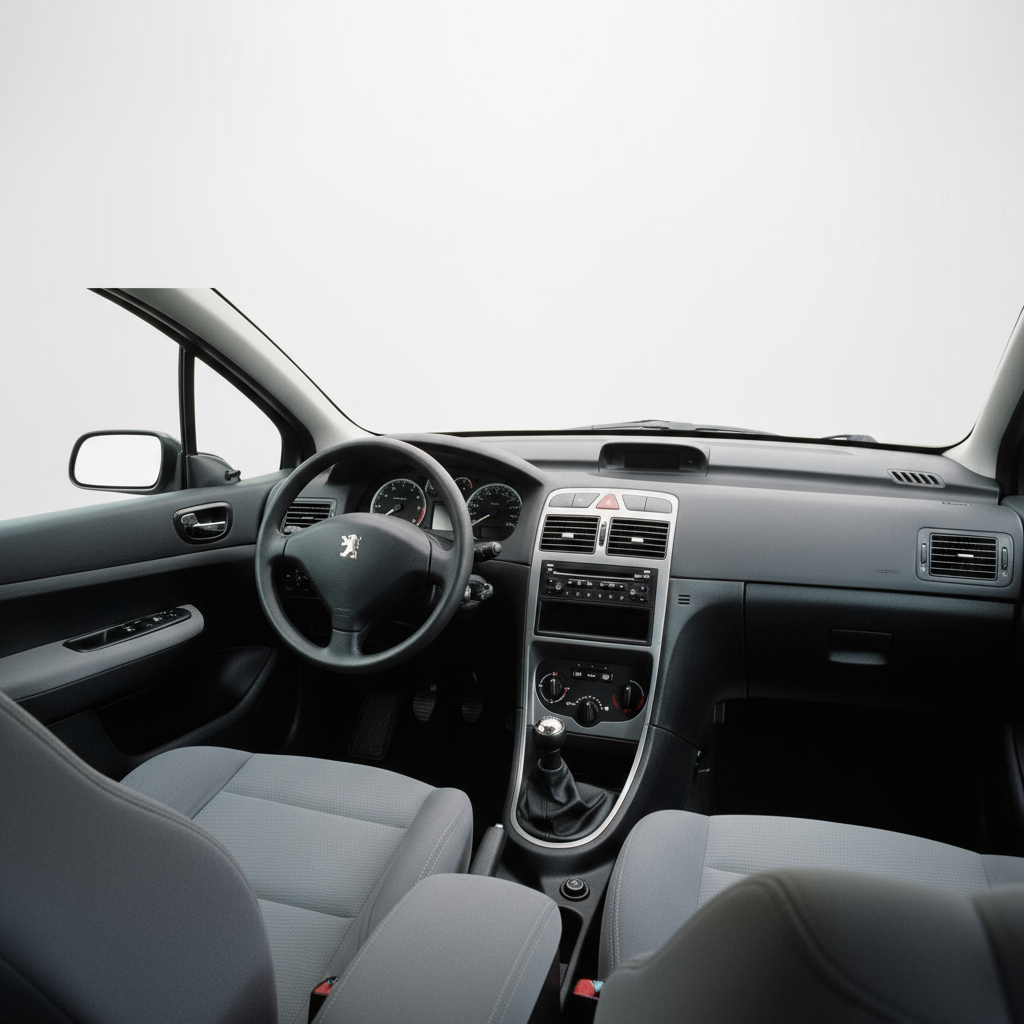
The design of the Peugeot 307 was, without a doubt, one of its strong points. With its 4202 mm length, 1746 mm width, and 1510 mm height, it offered a higher and more spacious silhouette than its predecessors, almost bordering on the compact minivan concept. Its fluid lines and distinctive front end, with elongated headlights, gave it a unique personality. The interior, with a well-organized dashboard and quality materials for the time, created a cozy and functional atmosphere. The 5 doors facilitated access, and the 341-liter trunk was sufficient for a family's needs.
Technology and features
In the technological section, the 307 2.0 HDi 110 FAP+ESP stood out for its common rail direct injection diesel engine, turbo, and intercooler, which offered a good balance between performance and efficiency. The inclusion of the particulate filter (FAP) and electronic stability control (ESP) were advanced safety and environmental features for its time. The 5-speed manual transmission worked precisely, and the front ventilated disc brakes (283 mm) and rear disc brakes (247 mm) ensured effective braking. Although it lacked some modern conveniences, its equipment was competitive in its segment.
Competition
At its launch, the Peugeot 307 faced tough competitors in the compact segment, such as the Volkswagen Golf, Ford Focus, Renault Mégane, and Opel Astra. Compared to them, the 307 stood out for its more spacious design and its focus on comfort, offering an interesting alternative to more traditional models. Its HDi diesel engine was also a plus in terms of efficiency and smoothness, although some rivals could offer a sportier driving dynamic.
Conclusion
The Peugeot 307 5p XT 2.0 HDi 110 FAP+ESP was a car that marked an era for Peugeot, offering an innovative design, a good level of comfort, and remarkable efficiency thanks to its diesel engine. Although its 0 to 100 km/h acceleration in 12.7 seconds was not a record, its top speed of 188 km/h and its contained consumption made it an ideal travel companion. It was a vehicle that knew how to combine family practicality with a touch of French elegance, leaving a positive mark on the compact car market.