
Especificaciones y análisis del Peugeot 307
Power
109HP
Torque
147Nm
Consumption
7.4l/100
Emissions
-g/km
0-100 km/h
10.7s
Top Speed
190km/h
Weight
1200kg
Price
18,270€
Technical summary
Gasolina
Manual 5v
FWD
5 / 5 doors
341 L
60 L
80 kW
Current
Technical specifications
Engine
Capacities
Detailed analysis of the Peugeot 307 5p XS 1.6 · 109 CV (2001-2005)
General description
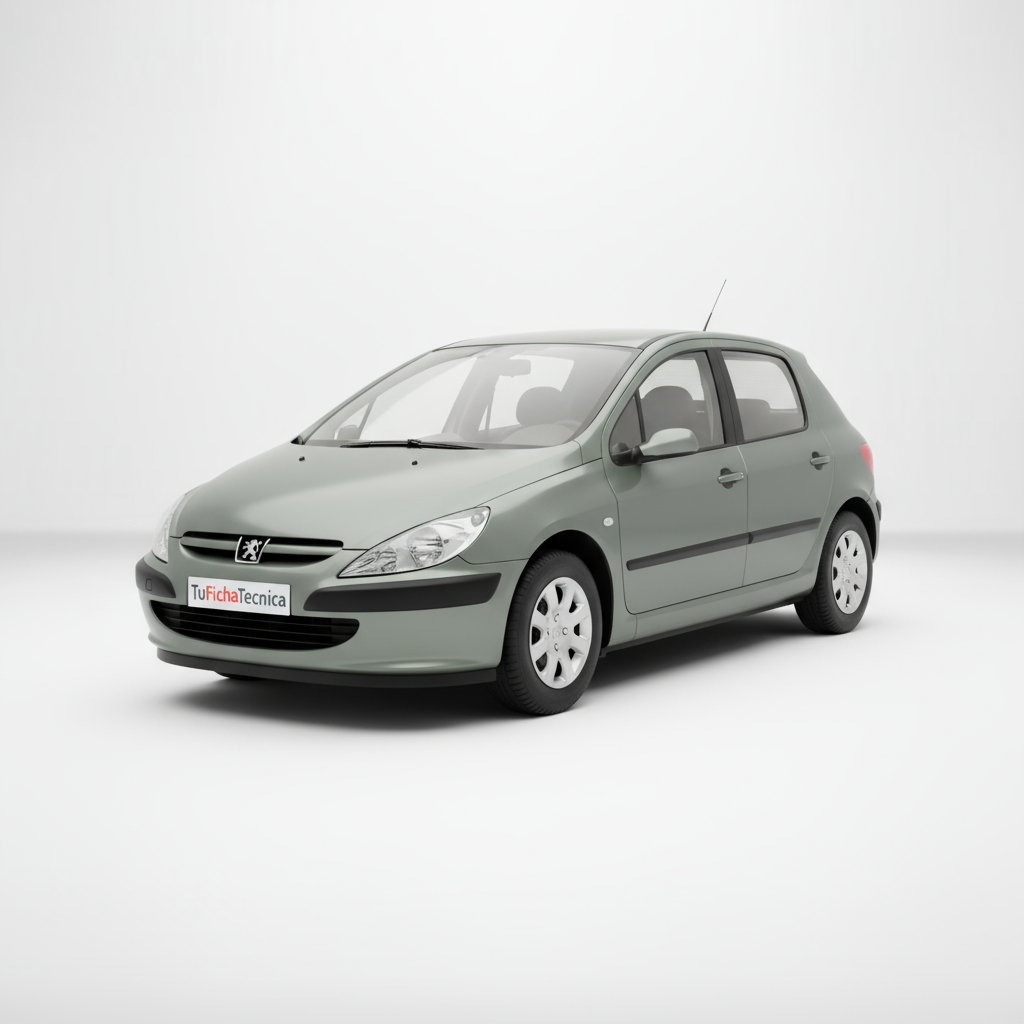
The 2001 Peugeot 307, in its 5-door XS 1.6 version, was presented as a bold and fresh proposal in the compact segment. With a design that broke molds and a clear ambition to offer more space and comfort, this model sought to conquer those who longed for a practical car without sacrificing style and a pleasant driving experience. Its 109 hp gasoline engine promised a balance between performance and efficiency, positioning it as an attractive option for everyday use and getaways.
Driving experience
Behind the wheel of the Peugeot 307 1.6, the sensation is of an agile and easy-to-handle car. The steering, although not excessively communicative, responds with precision, and the suspension, McPherson type at the front and trailing arm with torsional element at the rear, filters road irregularities well, offering remarkable comfort. The 109 hp engine, with its 147 Nm of torque, proves willing, allowing acceleration from 0 to 100 km/h in 10.7 seconds and a top speed of 190 km/h. It is an engine that invites smooth driving, but does not shy away if a little more is demanded of it, especially on the highway. The combined consumption of 7.4 l/100km is reasonable for the time, although in the city it can rise to 10 l/100km. The 5-speed manual gearbox is precise and contributes to a pleasant driving experience.
Design and aesthetics
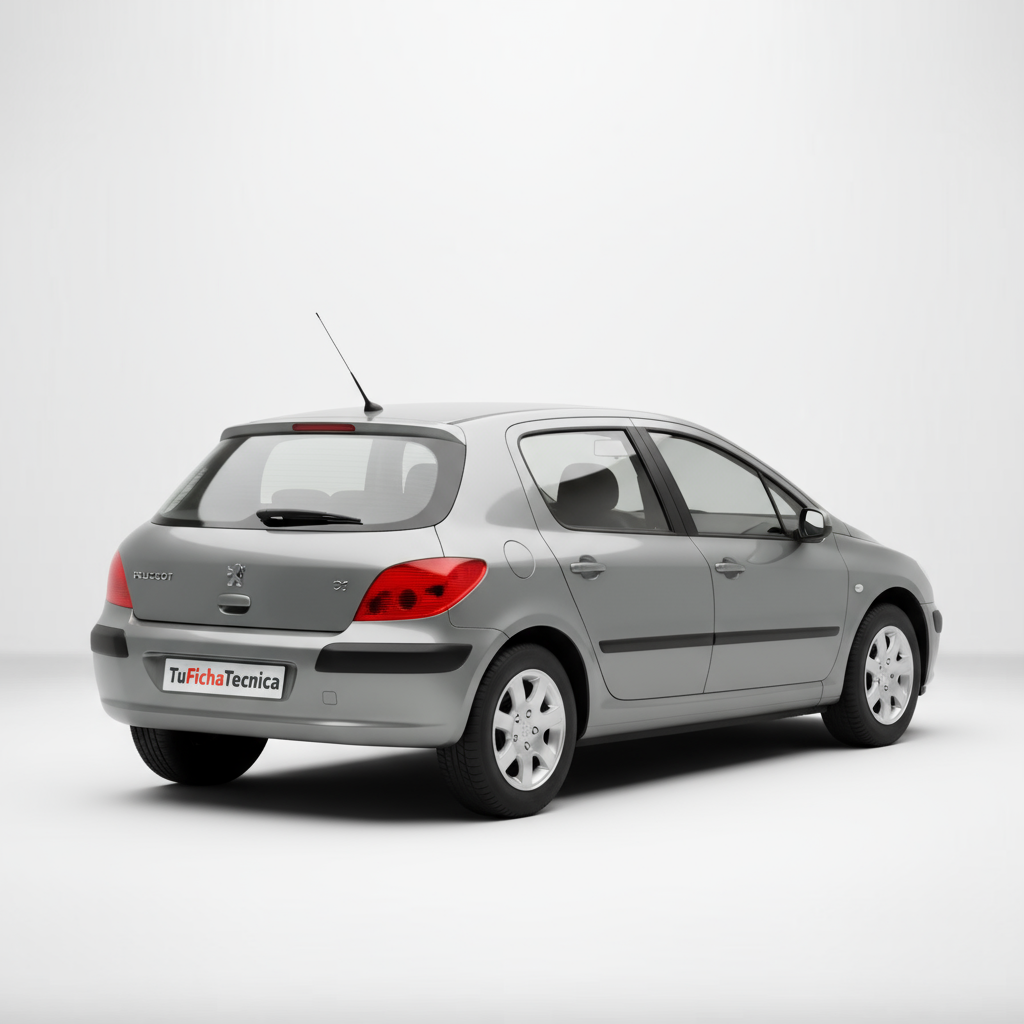
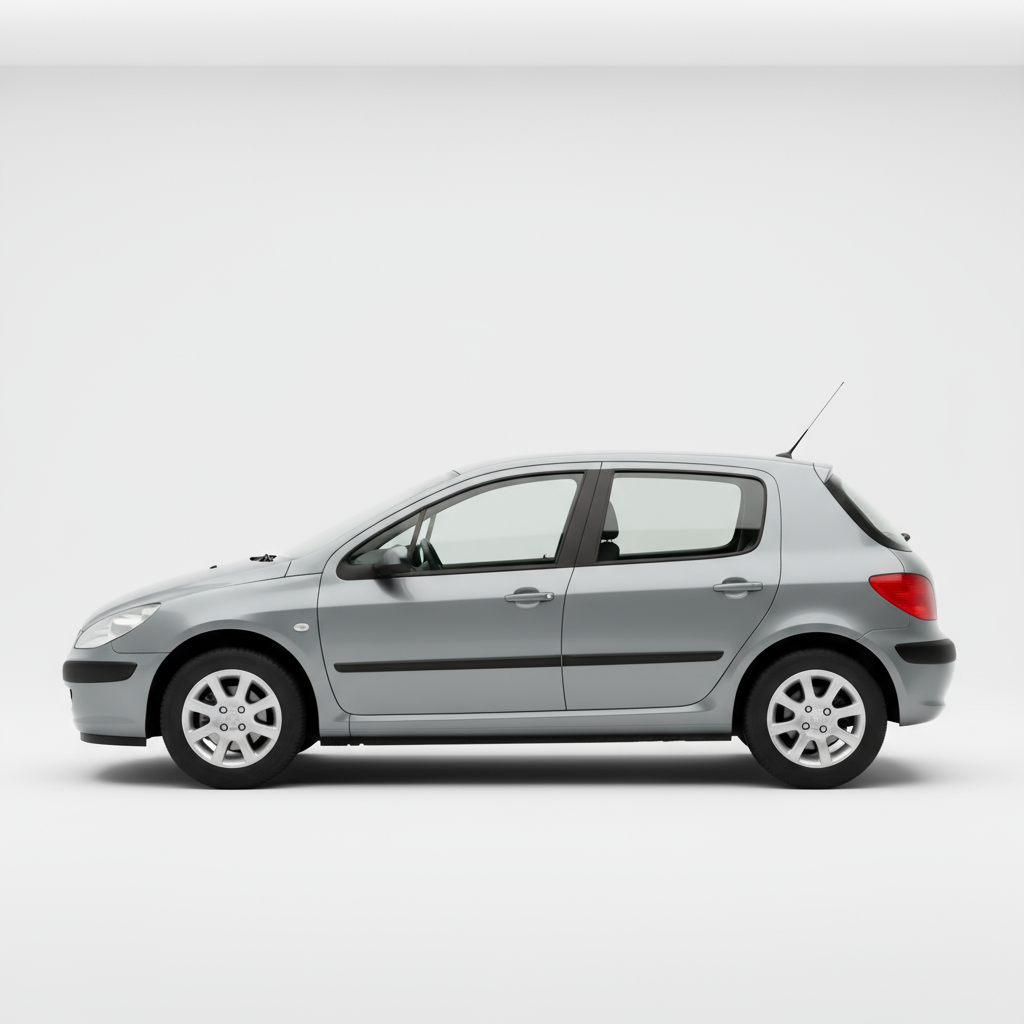
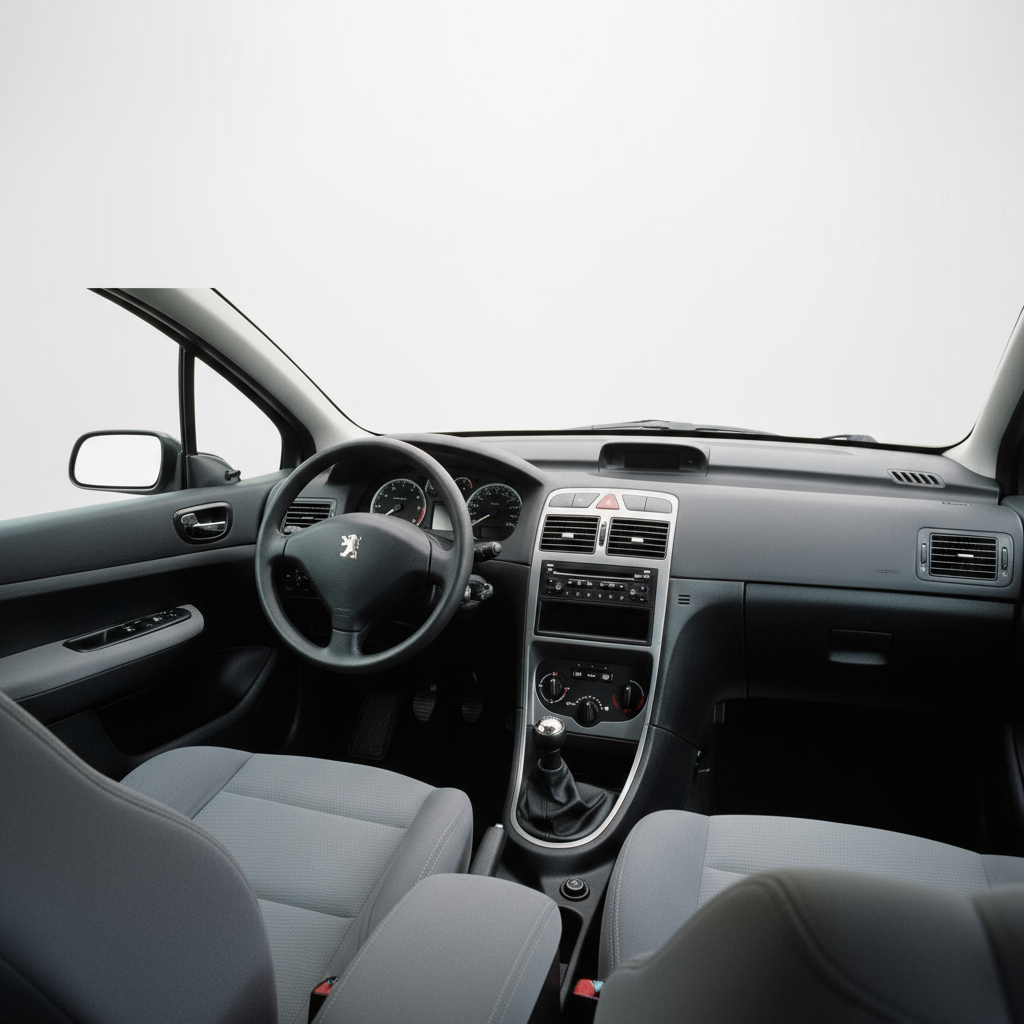
The design of the Peugeot 307 was, without a doubt, one of its strong points. With a 5-door body measuring 4202 mm long, 1746 mm wide and 1510 mm high, it offered an elevated silhouette and a very inclined windshield that gave it a distinctive presence. The large glass surfaces and large headlights gave it a modern and expressive look. Inside, the cabin was spacious and bright, with a dashboard of soft lines and clear instrumentation. The materials, although not luxurious, conveyed a sense of solidity and good fit, and the trunk, with 341 liters, was quite capable for its segment.
Technology and features
In the technological section, the 2001 Peugeot 307 1.6 incorporated elements that, for its time, were quite complete. It had indirect injection and variable intake in its gasoline engine, which contributed to better fuel management and optimized performance. In terms of safety, it had ventilated disc brakes of 283 mm on the front axle and 247 mm discs on the rear, ensuring effective braking. The rack and pinion steering offered good assistance, facilitating maneuvers. Although advanced driving assistance systems are not specified, its standard equipment included what was necessary for a safe and comfortable driving experience.
Competition
In the competitive compact segment, the Peugeot 307 1.6 faced tough rivals such as the Volkswagen Golf, the Renault Mégane, the Ford Focus or the Opel Astra. Compared to them, the 307 stood out for its bolder design and its greater sense of interior space, almost bordering on the concept of a compact minivan. Its ride comfort and the agility of its 109 hp engine were also points in its favor, offering an interesting alternative to the more conservative proposals of the competition.
Conclusion
The 2001 Peugeot 307 5p XS 1.6 was a car that marked an era for the French brand. Its innovative design, habitability and ride comfort made it a very popular option. With a 109 hp gasoline engine that offered a good balance between performance and consumption, and adequate equipment for its segment, the 307 established itself as a versatile and attractive compact. Despite the years, it remains a car with personality, capable of offering a pleasant and functional driving experience for everyday use.