
Especificaciones y análisis del Peugeot 307
Power
136HP
Torque
190Nm
Consumption
7.7l/100
Emissions
-g/km
0-100 km/h
8.9s
Top Speed
205km/h
Weight
1257kg
Price
20,680€
Technical summary
Gasolina
Manual 5v
FWD
5 / 5 doors
341 L
60 L
100 kW
Current
Technical specifications
Engine
Capacities
Detailed analysis of the Peugeot 307 5p XT 2.0 16v · 136 CV (2001-2005)
General description
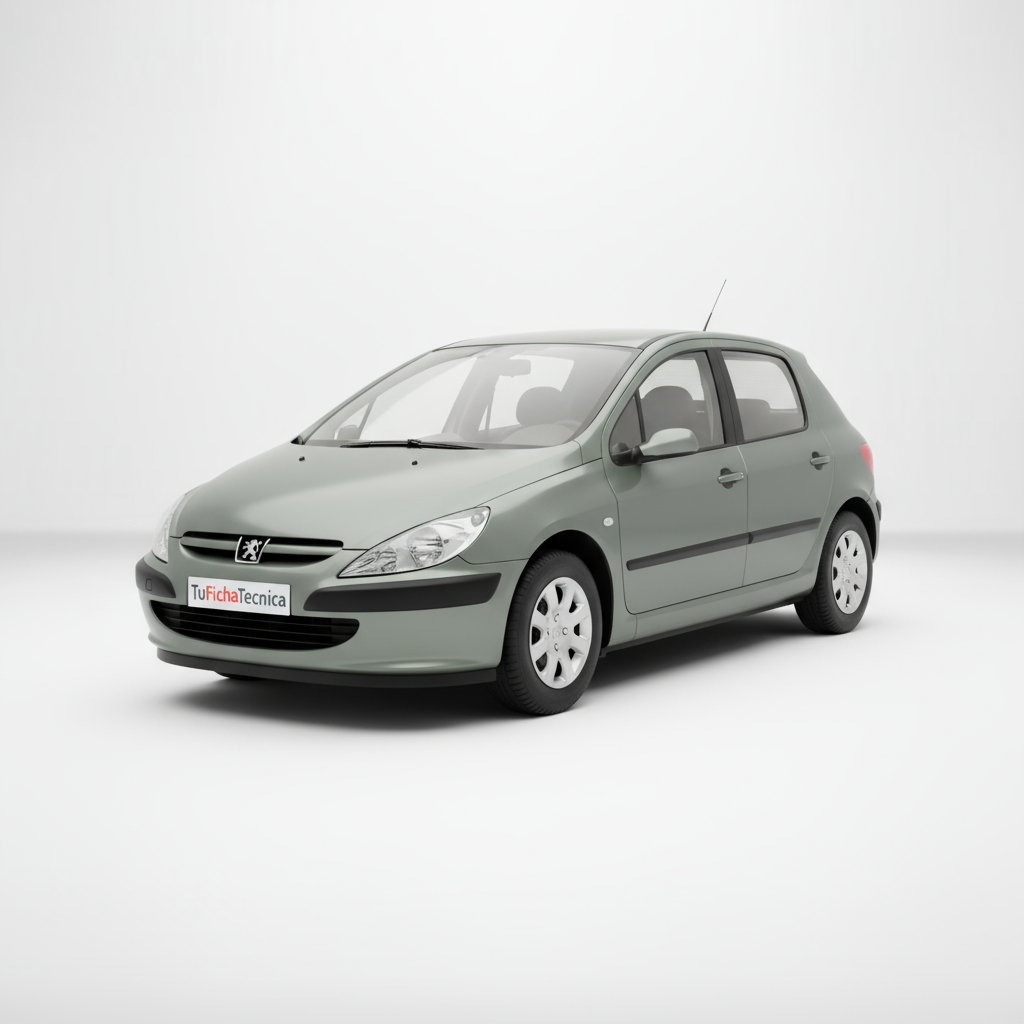
The 2001 Peugeot 307 5p XT 2.0 16v was presented as a bold proposition in the compact segment, seeking to combine French elegance with dynamic performance. With its 136 hp engine, it promised a vibrant driving experience and remarkable everyday comfort, positioning itself as an attractive option for those looking for more than just a simple means of transport.
Driving experience
Behind the wheel, the 307 2.0 16v offered gratifying sensations. Its 136 hp were noticeable, allowing for acceleration from 0 to 100 km/h in 8.9 seconds and a top speed of 205 km/h, respectable figures for its time. The rack-and-pinion steering transmitted a good connection with the road, and the suspension, with McPherson at the front and a trailing arm with torsional element at the rear, achieved a balance between comfort and stability. The 5-speed manual gearbox, with a single-disc dry clutch, offered precise handling, although the combined consumption of 7.7 l/100km could be a factor to consider on urban journeys.
Design and aesthetics
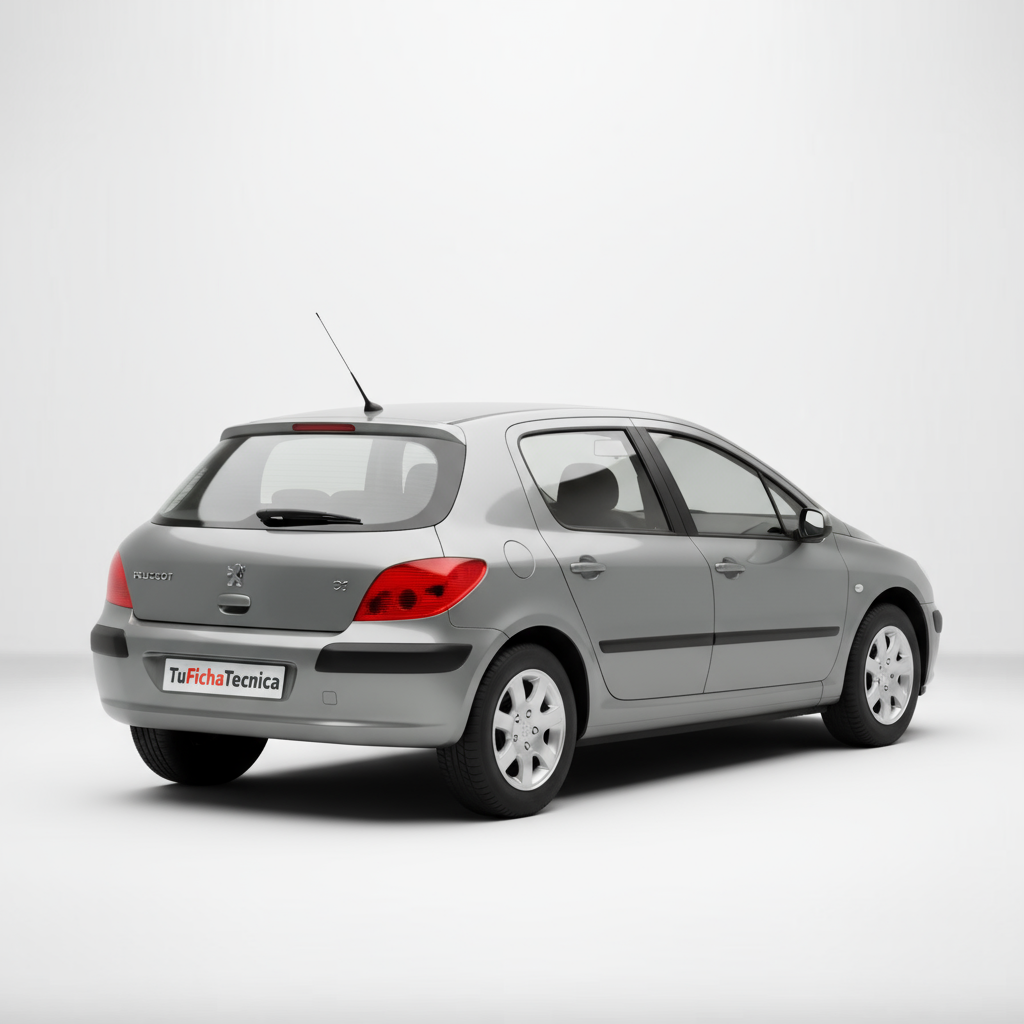
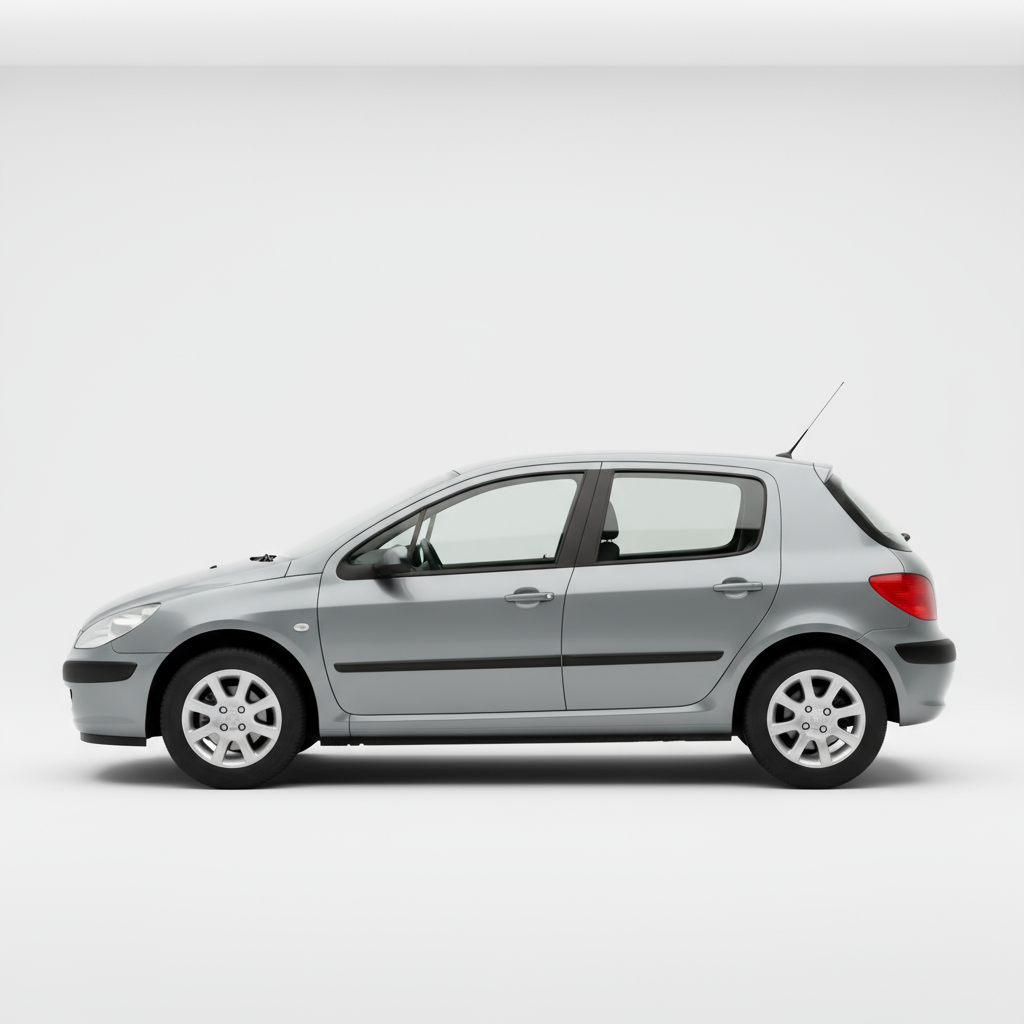
The design of the 2001 Peugeot 307 stood out for its fluid lines and slightly elevated silhouette, which gave it a distinctive presence. With a length of 4202 mm, a width of 1730 mm, and a height of 1510 mm, it offered a spacious and bright cabin, enhanced by its large glazed surfaces. The 16-inch wheels with 205/55 R16 V tires complemented its aesthetic, adding a touch of sportiness and solidity. The 341-liter trunk, although not the largest in its category, was functional for daily use.
Technology and features
In the technology section, the 307 2.0 16v incorporated a 1997 cc gasoline engine with 4 cylinders and 16 valves, delivering 136 hp at 6000 rpm and a torque of 190 Nm at 4100 rpm. Indirect injection and a compression ratio of 10.8:1 optimized power delivery. It featured 283 mm ventilated disc brakes at the front and 247 mm discs at the rear, ensuring effective braking. Although it did not have advanced technologies such as Stop&Start, its mechanical configuration was robust and proven, with an aluminum block and cylinder head that contributed to the lightness of the assembly.
Competition
In its segment, the Peugeot 307 5p XT 2.0 16v competed with models such as the Volkswagen Golf, the Ford Focus, or the Renault Mégane. Compared to them, the 307 stood out for its bolder design, its greater height, and its focus on interior comfort. Its 136 hp engine placed it in a competitive position in terms of performance, offering an interesting alternative for those looking for a compact with a touch of distinction and dynamism.
Conclusion
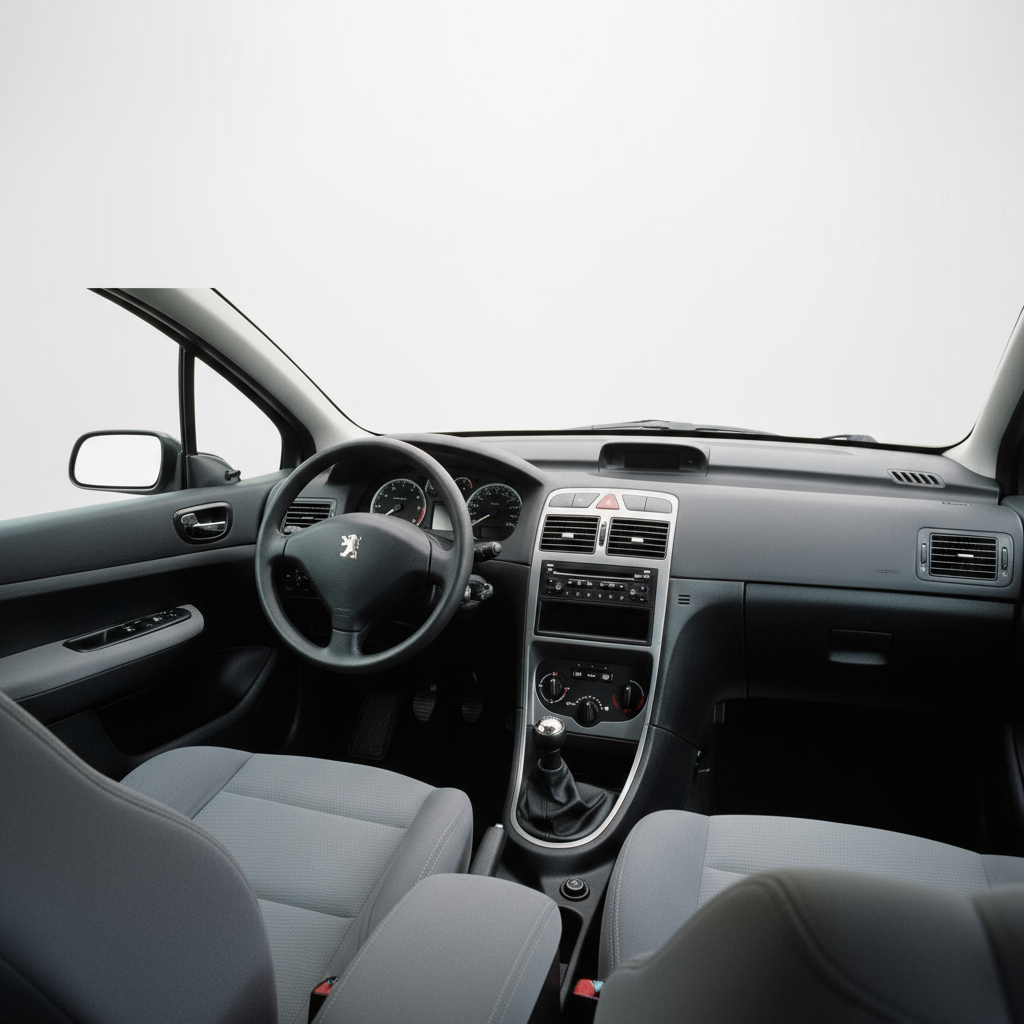
The 2001 Peugeot 307 5p XT 2.0 16v was a car that managed to combine an attractive design with satisfactory performance and a good level of comfort. Its powerful engine and dynamic behavior made it pleasant to drive, while its spacious interior made it a practical option for the family. Despite some details such as urban consumption, its overall proposal consolidated it as a relevant player in the competitive compact car market of the early 2000s, leaving a mark of style and functionality.