
Especificaciones y análisis del Peugeot 307
Power
109HP
Torque
260Nm
Consumption
4.9l/100
Emissions
-g/km
0-100 km/h
11.2s
Top Speed
188km/h
Weight
1272kg
Price
20,820€
Technical summary
Gasóleo
Manual 5v
FWD
5 / 5 doors
341 L
60 L
80 kW
Current
Technical specifications
Engine
Capacities
Detailed analysis of the Peugeot 307 5p XS 1.6 HDi 110 · 109 CV (2004-2005)
General description
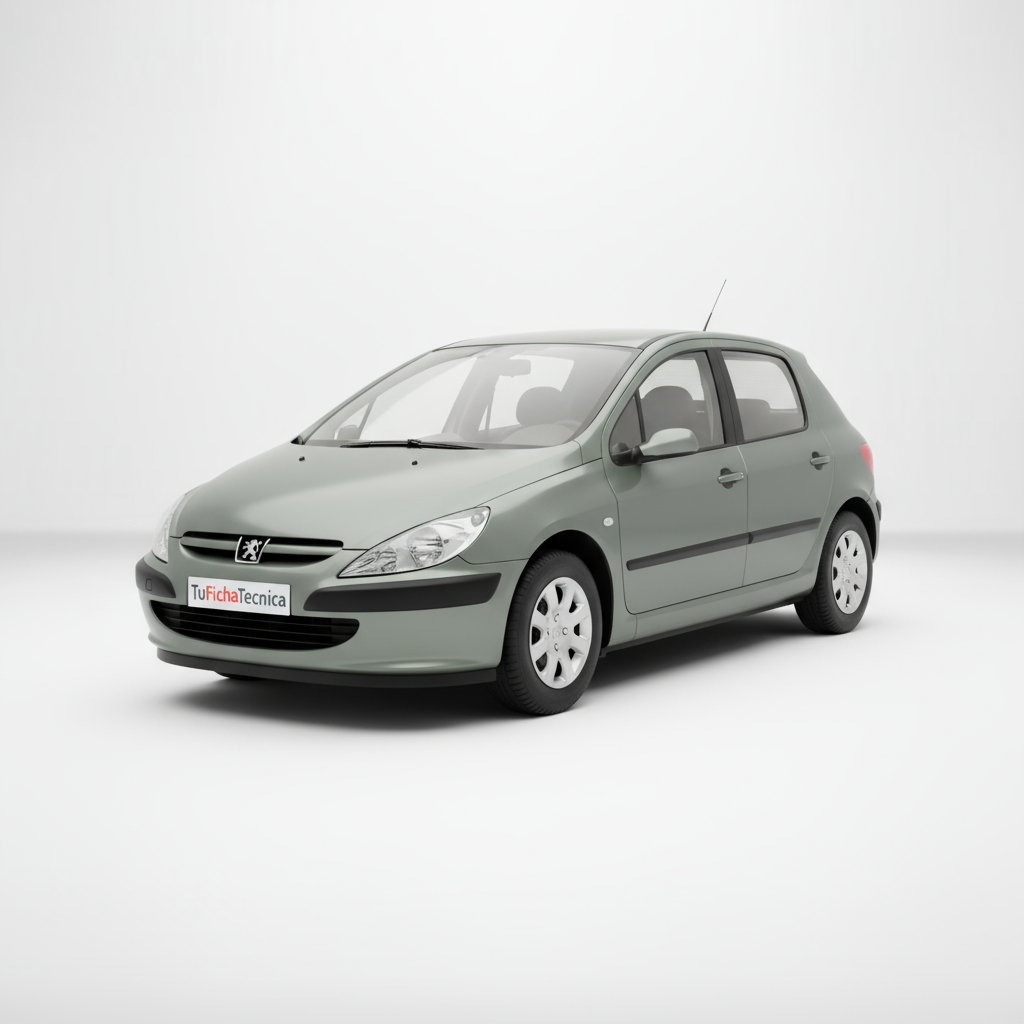
The Peugeot 307 5p XS 1.6 HDi 110, launched in 2004, presented itself as an attractive option within the compact segment. With its 109 hp diesel engine, it promised a balance between performance and efficiency, ideal for daily use and long journeys. This model sought to consolidate Peugeot's reputation for offering vehicles with a distinctive touch and remarkable comfort.
Driving experience
Behind the wheel, the 307 1.6 HDi 110 offered a smooth and predictable driving experience. The diesel engine, with its 109 hp and 260 Nm of torque available at low revolutions, provided an energetic response, especially useful for overtaking and recovery. The suspension, McPherson type at the front and trailing arm at the rear, filtered out road irregularities well, providing remarkable ride comfort. However, its steering, although precise, lacked the sporty feedback that some drivers might seek. Acceleration from 0 to 100 km/h in 11.2 seconds and a top speed of 188 km/h placed it in a good middle ground for its category, without sporting pretensions, but with enough solvency for any situation.
Design and aesthetics
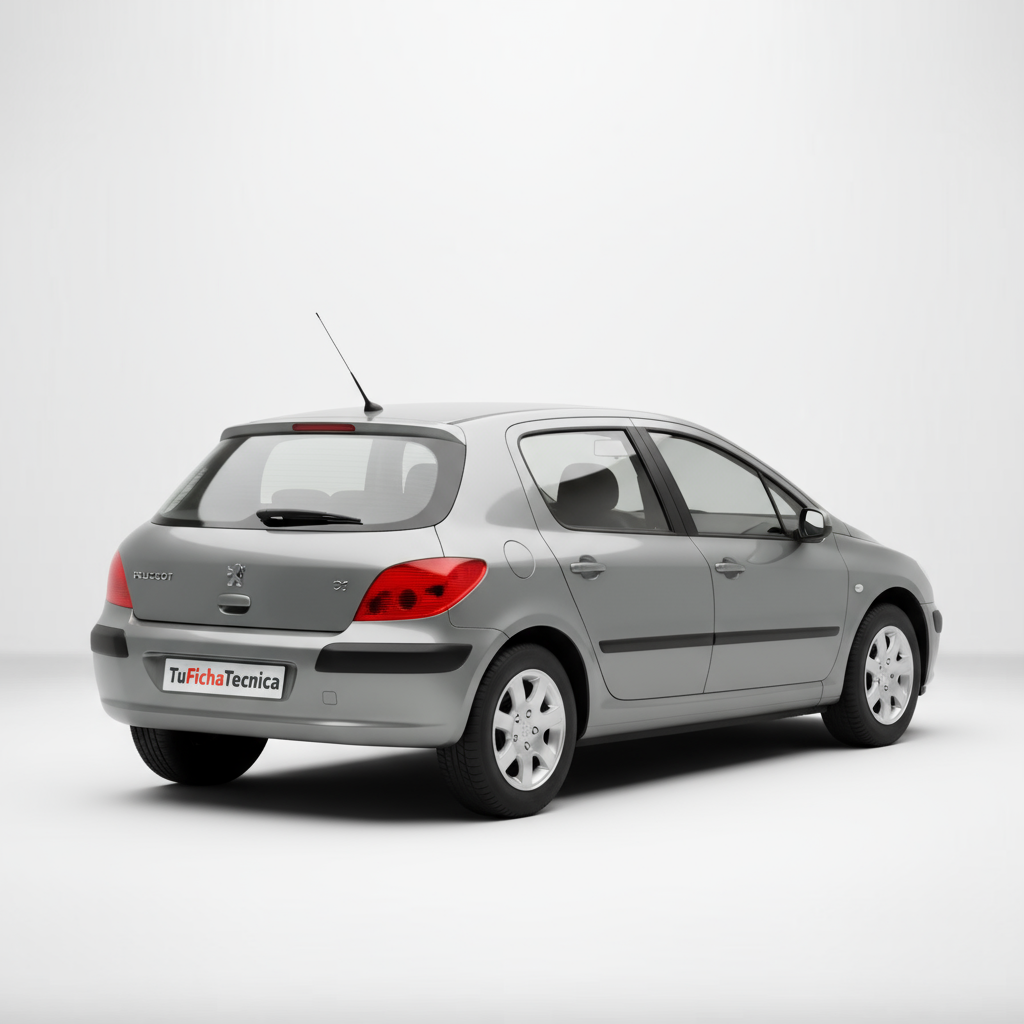
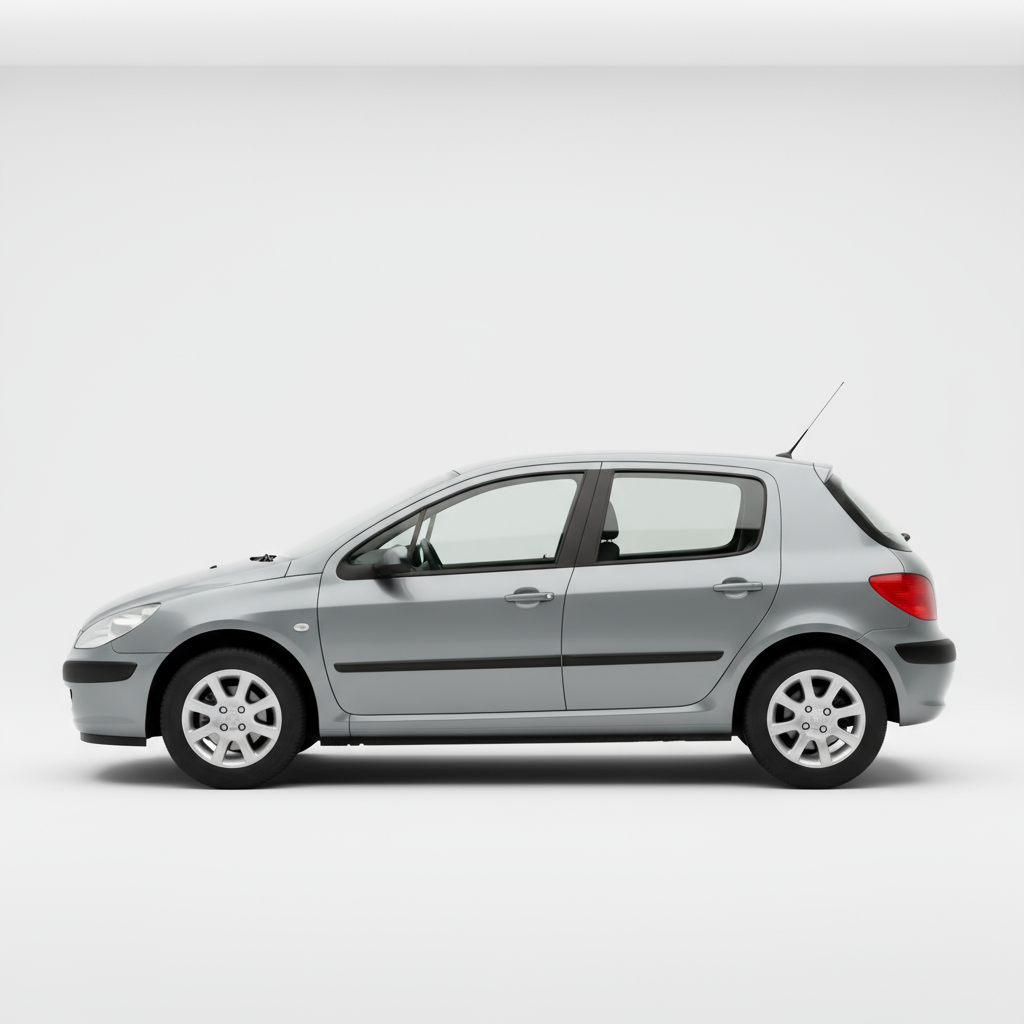
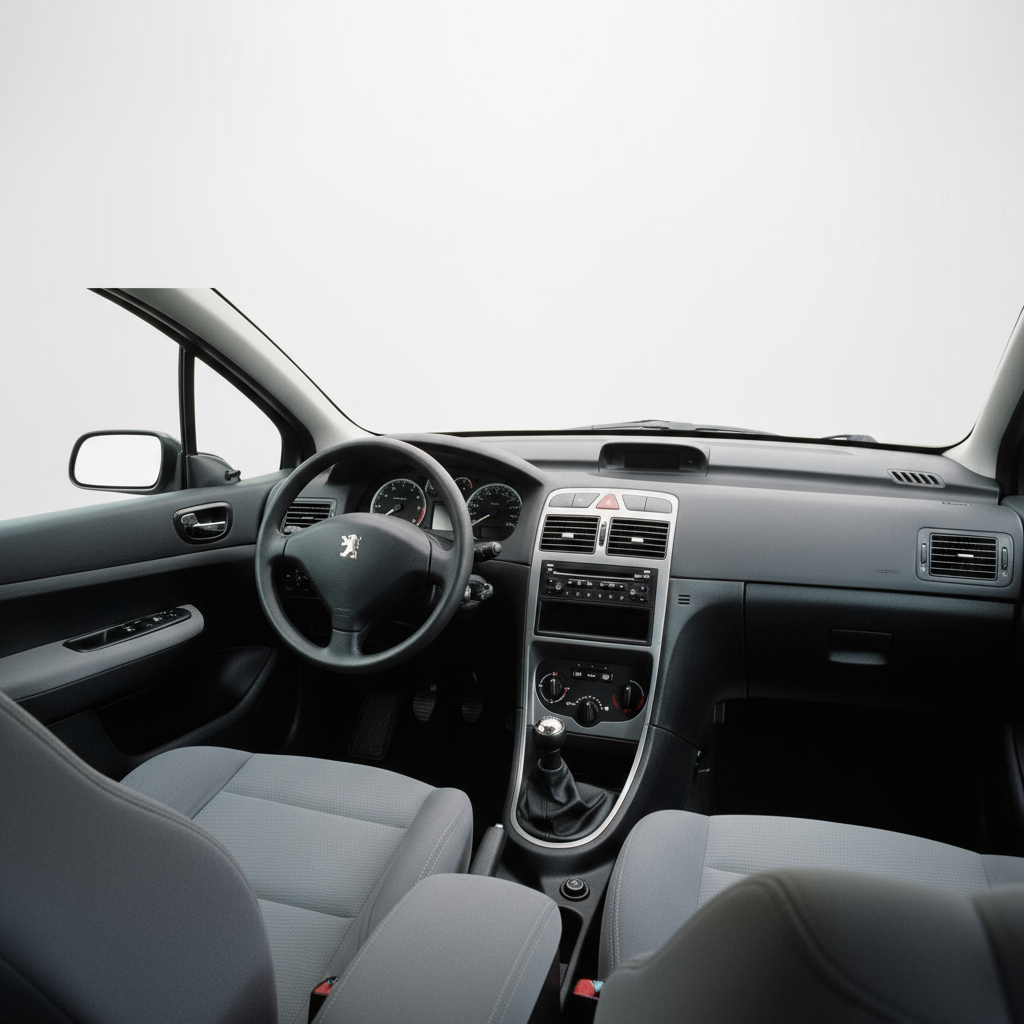
The design of the five-door Peugeot 307 stood out for its fluid lines and a silhouette that, at the time, was considered modern and elegant. With a length of 4202 mm and a height of 1510 mm, it offered a robust presence and a spacious cabin. The elongated headlights and the characteristic Peugeot grille gave it an unmistakable identity. The interior, although functional, featured quality materials and an ergonomic design, with a well-organized dashboard and good visibility. The 16-inch wheels with 205/55 R16 tires complemented its aesthetics, adding a touch of dynamism.
Technology and features
In terms of technology, the Peugeot 307 1.6 HDi 110 incorporated a common rail direct injection diesel engine, turbo with variable geometry and intercooler, which allowed it to optimize consumption and emissions. The 5-speed manual transmission was standard at the time, offering precise handling. Although it did not have the latest innovations in connectivity or driving assistance that we see today, it did have elements such as ventilated front disc brakes and rear discs, and stabilizers on both axles, which contributed to safe and stable driving. Its combined consumption of 4.9 l/100km was a strong point, demonstrating the efficiency of its diesel mechanics.
Competition
In its segment, the Peugeot 307 1.6 HDi 110 competed with major models such as the Volkswagen Golf, Ford Focus, Renault Mégane, and Opel Astra. Compared to them, the 307 stood out for its ride comfort, distinctive design, and the efficiency of its diesel engine. While some rivals might offer more sporty driving dynamics or an interior with slightly superior finishes, the Peugeot positioned itself as a balanced alternative with a good level of equipment for its price of 20,820 euros in 2005.
Conclusion
The Peugeot 307 5p XS 1.6 HDi 110 was a car that successfully combined comfort, efficiency, and an attractive design. Its diesel engine offered more than enough performance for most users, with low consumption that made it very interesting for daily use and travel. Although it was not the sportiest in its class, its overall balance and habitability made it a highly recommended option for families and those looking for a versatile and pleasant compact to drive. A vehicle that left an important mark in its time.