
Especificaciones y análisis del Peugeot 306
Power
133HP
Torque
180Nm
Consumption
9.2l/100
Emissions
-g/km
0-100 km/h
11.1s
Top Speed
196km/h
Weight
1345kg
Price
23,830€
Technical summary
Gasolina
Manual 5v
FWD
5 / 2 doors
275 L
52 L
98 kW
Current
Technical specifications
Engine
Capacities
Detailed analysis of the Peugeot 306 Cabriolet 2.0 · 133 CV (2000)
General description
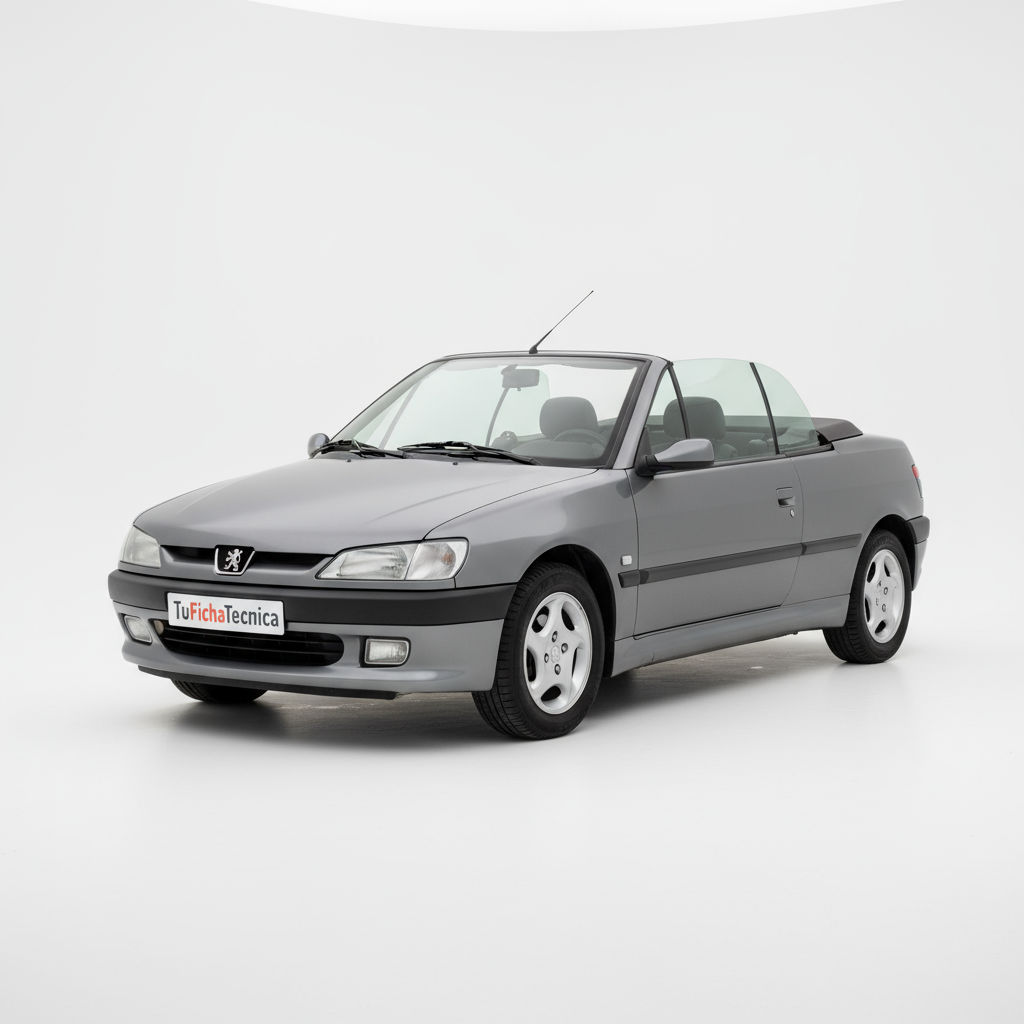
The 2000 Peugeot 306 Cabriolet 2.0 is a convertible gem that encapsulates the essence of open-top driving with a touch of French elegance. This model, with its 133 hp gasoline engine, promised a vibrant and pleasant driving experience, ideal for those looking to escape the routine and feel the wind in their hair. Its timeless design and focus on enjoyment made it a desired car in its time, and even today it retains a special charm for lovers of modern classics.
Driving experience
Driving the 306 Cabriolet 2.0 is an experience that appeals directly to the senses. The 133 hp engine, while not an outpouring of raw power, offers agile and sufficient response to enjoy winding roads and weekend getaways. Acceleration from 0 to 100 km/h in 11.1 seconds and a top speed of 196 km/h suggest adequate performance for its segment. The suspension, McPherson type at the front, provides a good balance between comfort and dynamism, allowing you to feel the road without sacrificing comfort. The steering, although its type is not specified, is expected to offer a direct connection to the asphalt, characteristic of Peugeots of the era. The real magic, however, lies in the possibility of lowering the top and letting the sun and air flood the cabin, transforming every trip into an unforgettable adventure. The sound of the 1998 cc engine, with its 4 cylinders and 16 valves, becomes the perfect soundtrack for this convertible experience.
Design and aesthetics
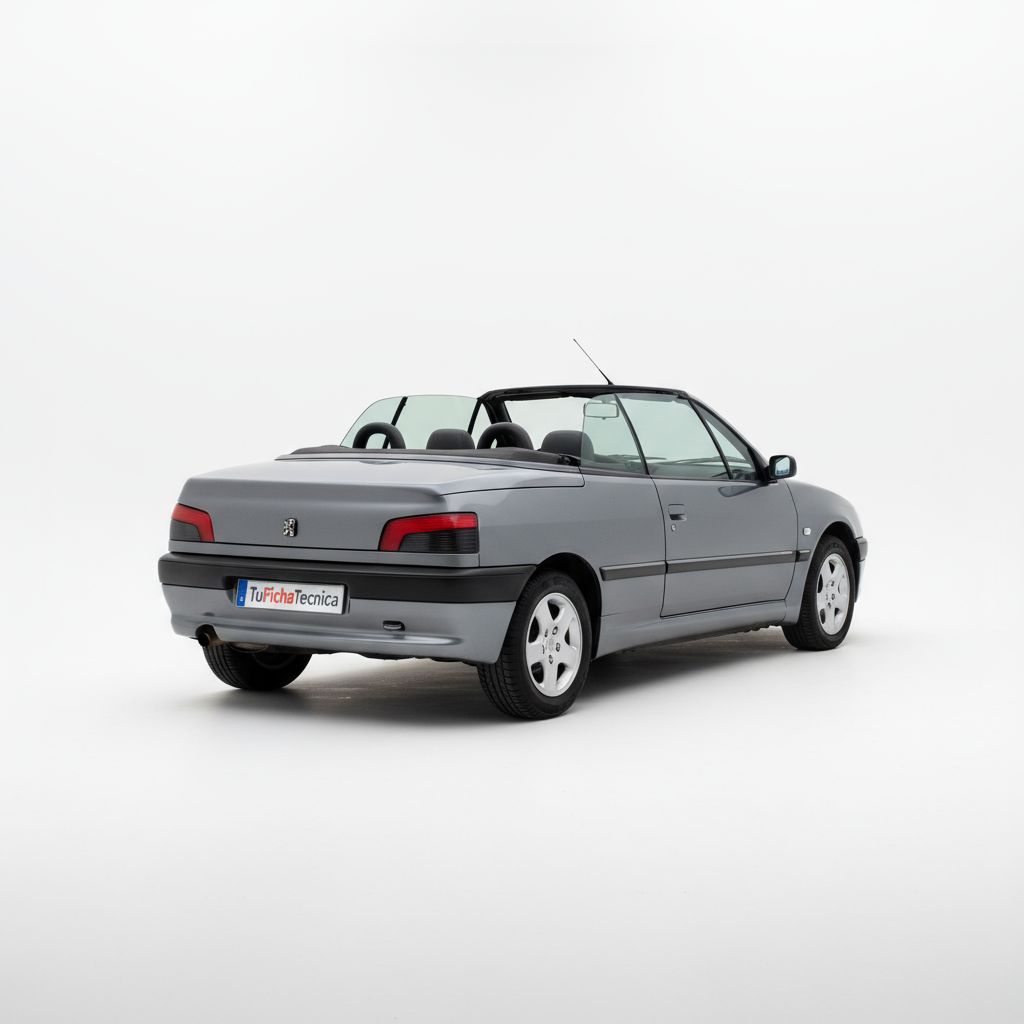
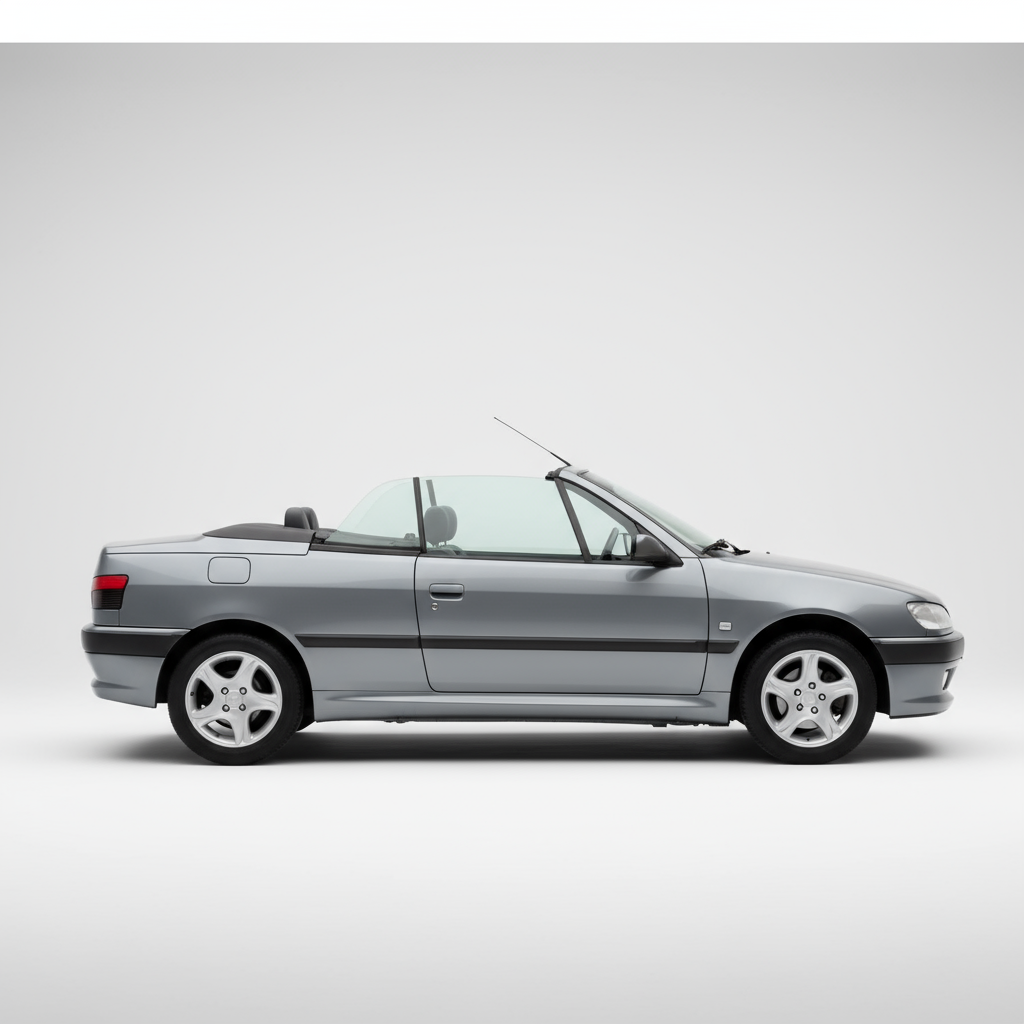
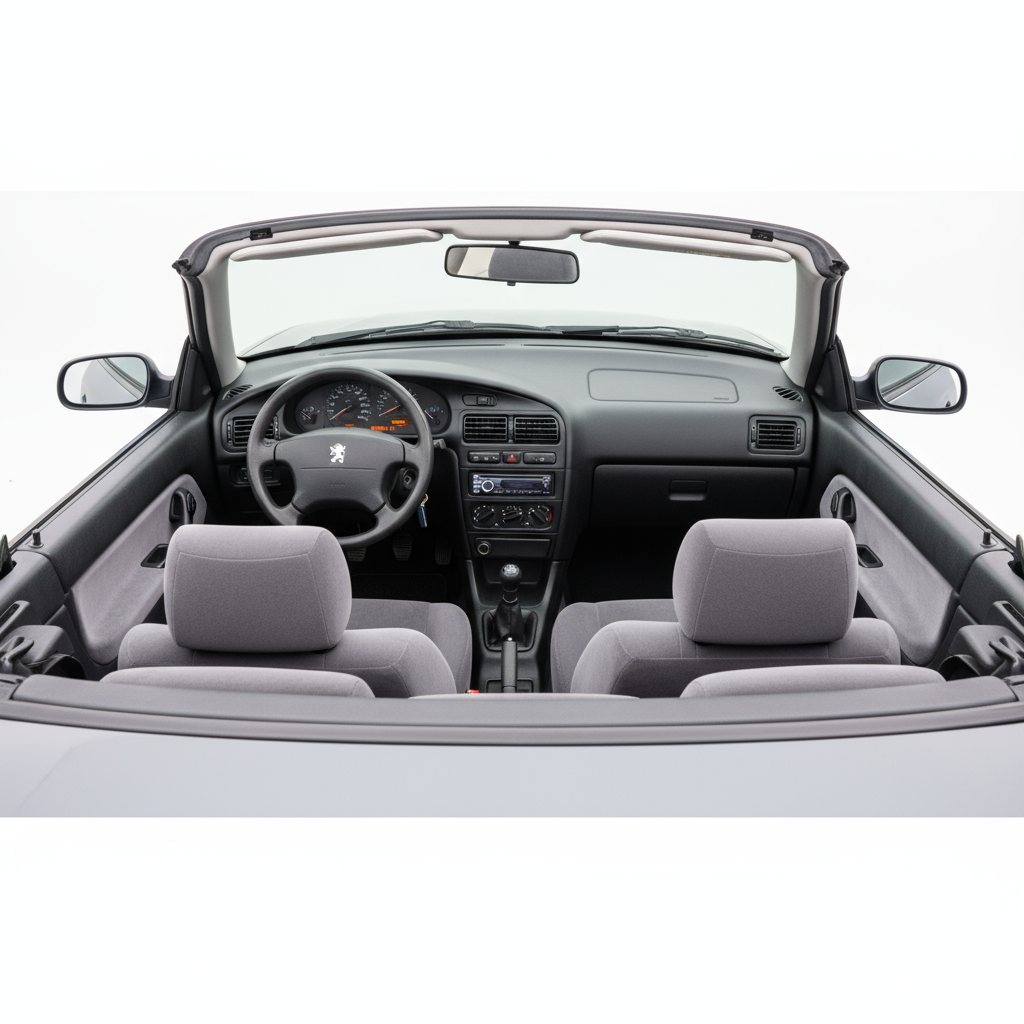
The design of the Peugeot 306 Cabriolet is, without a doubt, one of its strongest points. Pininfarina, the celebrated Italian design studio, was in charge of shaping this bodywork, and its mastery is evident in every line. The silhouette is elegant and balanced, both with the top up and folded. The proportions are harmonious, with a length of 4180 mm, a width of 1690 mm, and a height of 1380 mm, which give it a compact but sophisticated presence. The front and rear headlights, characteristic of the era, integrate perfectly into the whole, and the 15-inch wheels with 195/55 R15 tires complement its sporty and refined aesthetic. The interior, with capacity for 5 occupants, although more comfortable for 4, offers a cozy and functional environment, with a 275-liter trunk that, although not huge, is sufficient for short getaways. It is a design that has aged gracefully, maintaining its appeal over the years.
Technology and features
In 2000, the Peugeot 306 Cabriolet 2.0 incorporated the technology expected of a vehicle in its category. Its 1998 cc gasoline engine, with indirect injection, offered a power of 133 hp at 5500 rpm and a torque of 180 Nm at 4200 rpm, which guaranteed an energetic response. The 5-speed manual transmission, along with front-wheel drive, provided direct control and a purist driving experience. In terms of safety, it had ventilated disc brakes at the front and discs at the rear, ensuring good braking capacity. The McPherson type front suspension and anti-roll bars contributed to stable driving dynamics. Although it did not have the advanced driving aids of today, its technology focused on offering a mechanical and connected driving experience, where the driver was the protagonist. The combined consumption of 9.2 l/100km, with urban consumption of 12.9 l/100km and extra-urban consumption of 7.1 l/100km, was reasonable for an engine of its displacement at that time.
Competition
At the time, the Peugeot 306 Cabriolet 2.0 faced varied competition in the compact convertible segment. Among its main rivals were models such as the Volkswagen Golf Cabriolet, which offered a more sober image and robust build quality; the Renault Mégane Cabriolet, with a more modern approach and often with more complete equipment; and the Opel Astra Cabrio, which sought a balance between sportiness and comfort. Other less direct competitors could have been the BMW Z3 or the Mazda MX-5, although the latter were positioned more as pure roadsters. The 306 Cabriolet distinguished itself from its rivals by its Pininfarina design, which gave it a touch of exclusivity and elegance that few could match, and by its balance between performance, comfort, and the pleasure of open-top driving.
Conclusion
The 2000 Peugeot 306 Cabriolet 2.0 is much more than a simple car; it is a statement of intent, an invitation to enjoy life and the road. Its timeless design, pure driving sensations, and ability to transform an ordinary trip into a memorable adventure make it a highly appreciated modern classic. Although its performance is not that of a purebred sports car, its 133 hp engine offers enough energy to enjoy every curve and every straight. It is a car that evokes emotions, connects you with the environment, and makes you feel special. For those looking for a convertible with character, history, and a touch of French romanticism, the 306 Cabriolet is an exceptional choice that continues to captivate hearts.