
Especificaciones y análisis del Peugeot 3008
Power
200HP
Torque
450Nm
Consumption
4l/100
Emissions
104g/km
0-100 km/h
8.5s
Top Speed
191km/h
Weight
1735kg
Price
39,500€
Technical summary
Híbrido
Automático 6v
AWD
5 / 5 doors
333 L
57 L
147 kW
Current
Technical specifications
Engine
Capacities
Detailed analysis of the Peugeot 3008 HYbrid4 Limited Edition · 200 CV (2011)
General description
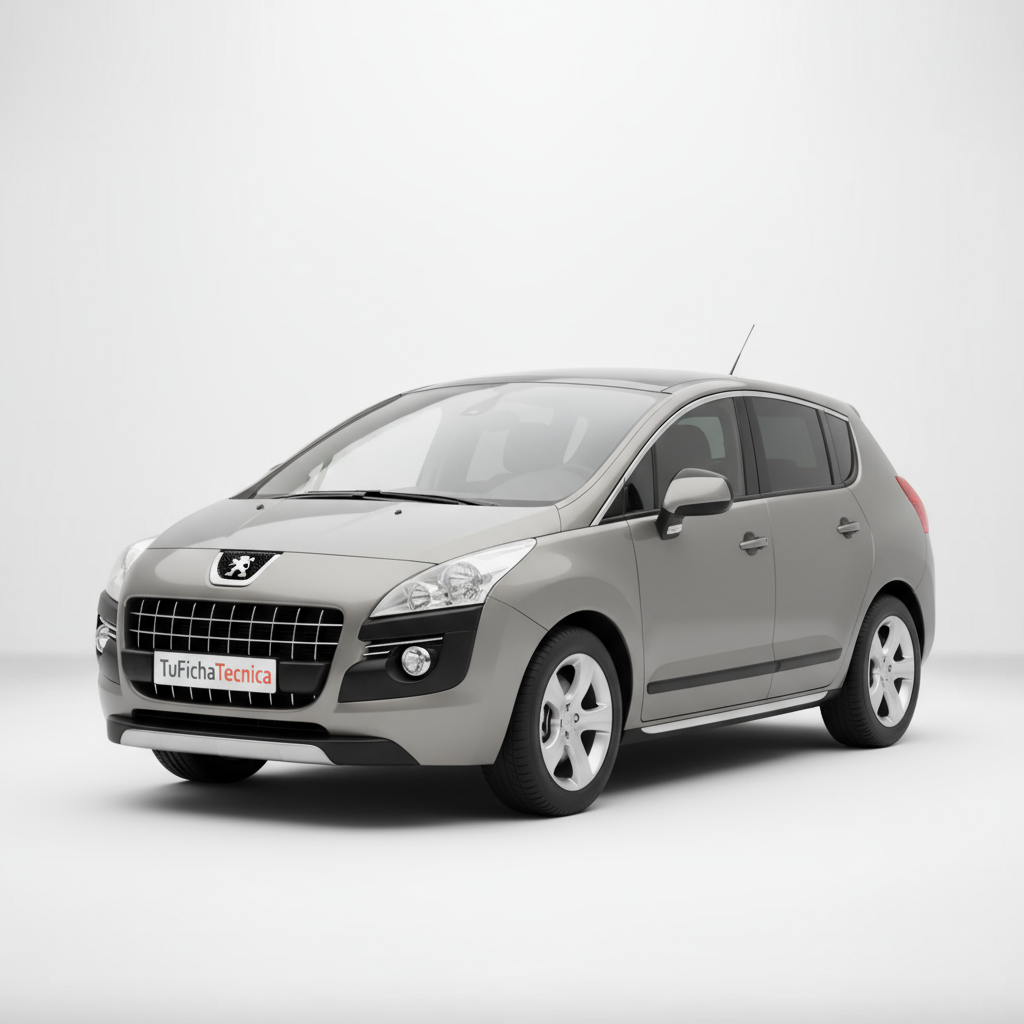
The 2011 Peugeot 3008 HYbrid4 Limited Edition is a bold and pioneering proposal from the French brand. This compact SUV, with its innovative hybrid configuration, promised efficiency and surprising performance for its time. Priced at €39,500, it positioned itself as an attractive option for those looking for something different in the segment, combining the versatility of an SUV with the ecological awareness of a hybrid.
Driving experience
Behind the wheel of the 3008 HYbrid4, the experience is unique. The combination of a 1997 cc diesel engine and an electric motor offers a combined power of 200 hp, which translates into an acceleration from 0 to 100 km/h in 8.5 seconds and a top speed of 191 km/h. The electronically managed all-wheel drive provides a sense of security and control in various conditions. The 6-speed automatic transmission, although functional, may feel somewhat less refined than more modern transmissions. The combined consumption of 4 l/100km is truly impressive for a vehicle of its size and performance, offering considerable autonomy thanks to its 57-liter tank. The suspension, McPherson type at the front and deformable parallelogram at the rear, seeks a balance between comfort and dynamism, although the weight of 1735 kg is noticeable in tight corners. The speed-sensitive electro-hydraulic steering contributes to precise driving.
Design and aesthetics
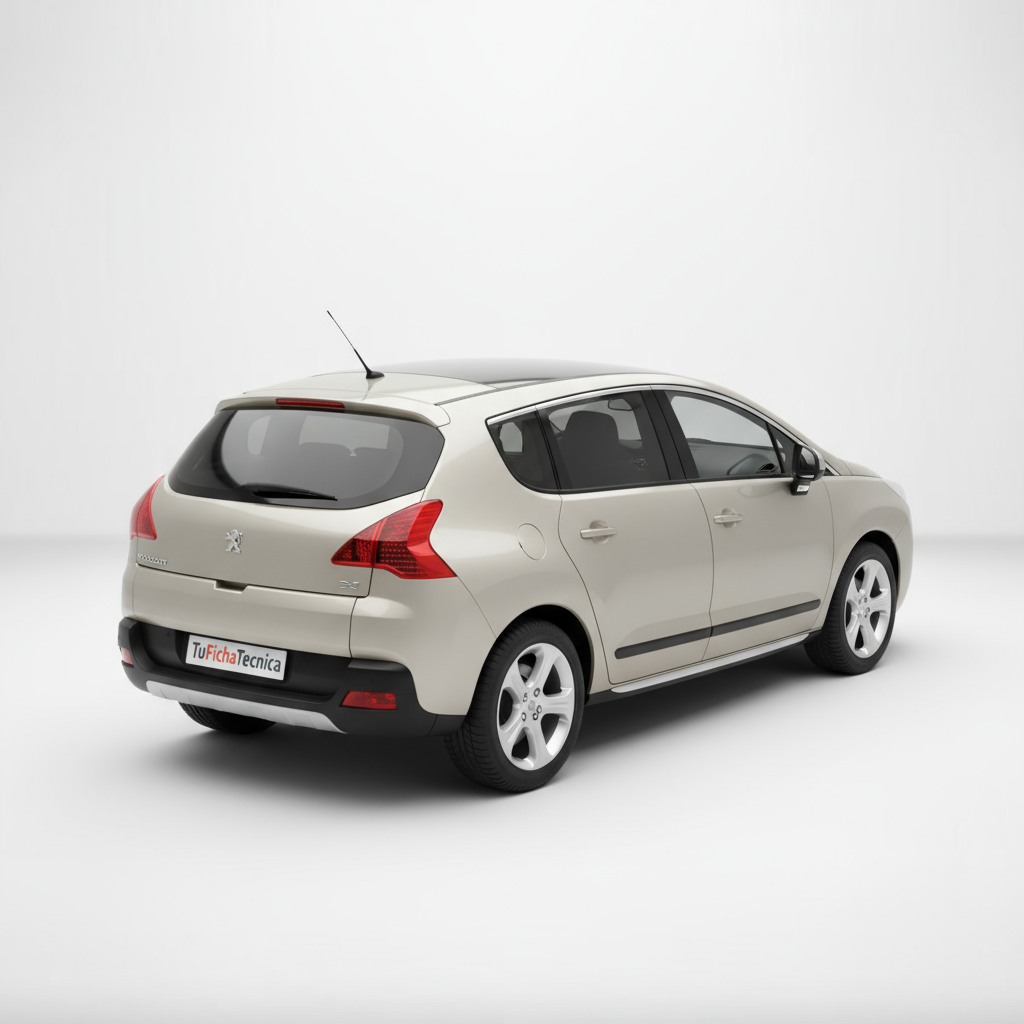
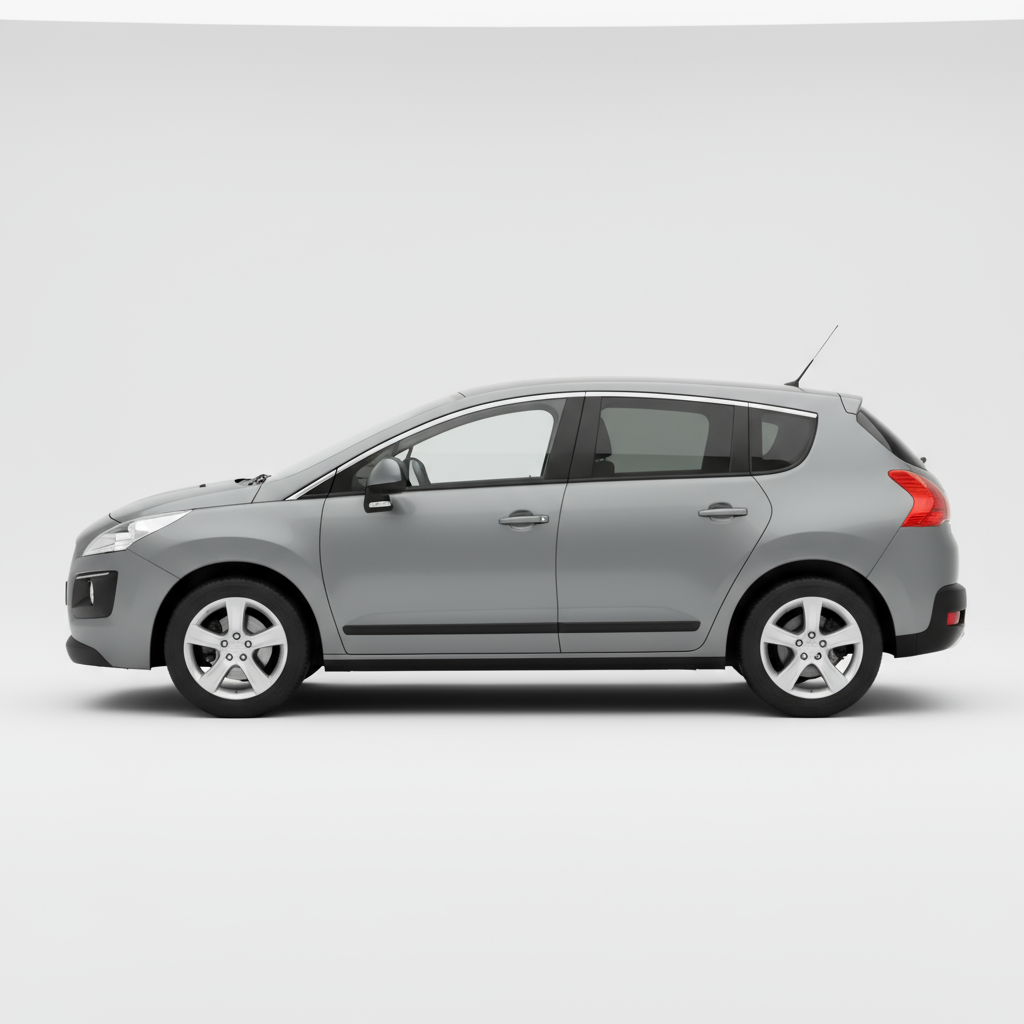
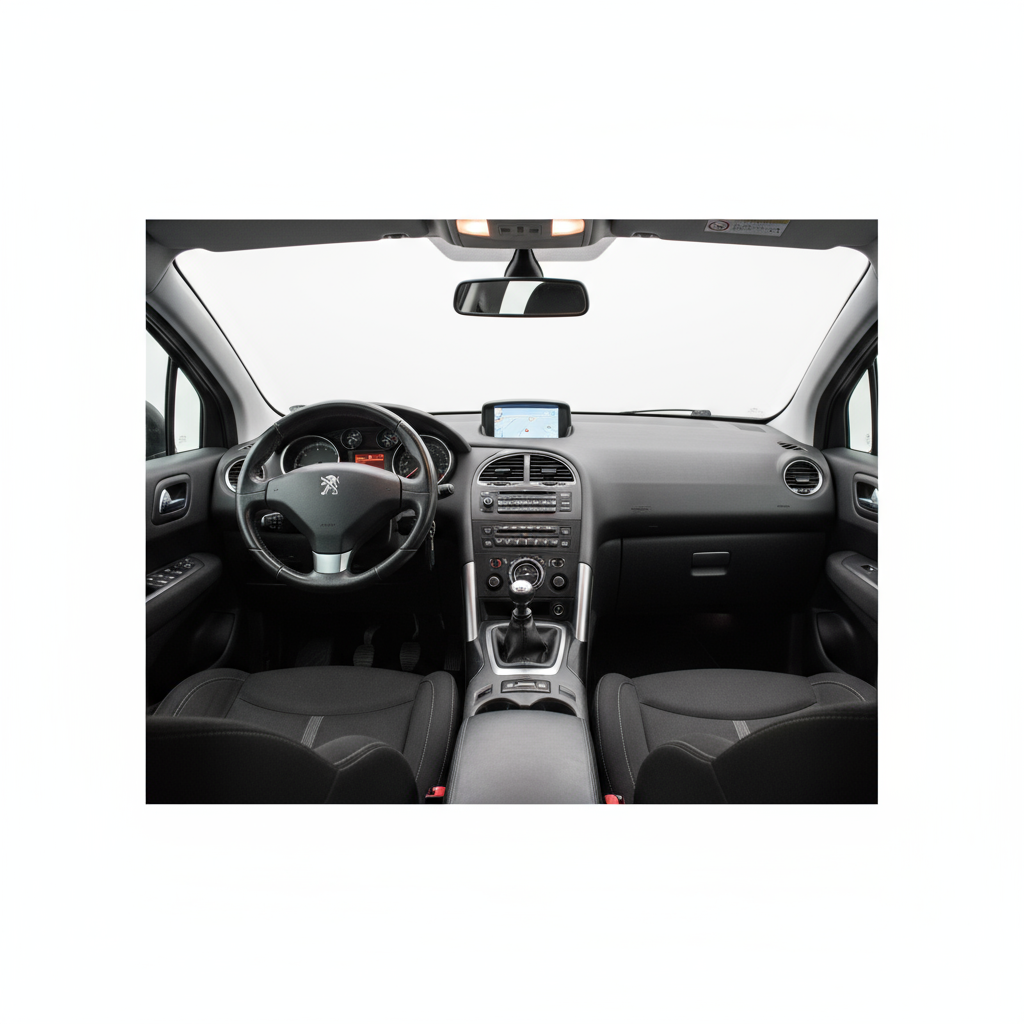
The design of the Peugeot 3008 HYbrid4 Limited Edition is distinctive and functional. With a length of 4365 mm, a width of 1837 mm, and a height of 1628 mm, it presents a robust and elevated silhouette, typical of an SUV. The 17-inch wheels with 225/50 R17 tires give it a solid presence. Although its aesthetics may not be as avant-garde as later models, its interior design is practical and well-resolved, with a 333-liter trunk that, while not the largest in its category, is sufficient for daily use. The location of the battery in the central rear part is an intelligent solution to optimize space.
Technology and features
The true gem of the 3008 HYbrid4 lies in its hybrid technology. It was one of the first vehicles to combine a diesel engine with an electric system, offering four-wheel drive without the need for a mechanical driveshaft. The 1997 cc diesel engine, with direct injection, turbo, and intercooler, is complemented by an electric motor that drives the rear axle. The nickel-metal hydride battery, with a usable capacity of 1.1 kWh, allows driving in pure electric mode for short distances, contributing to the reduction of emissions and consumption. The Stop&Start system further improves efficiency in urban environments. The electro-hydraulic steering and the ventilated front (302 mm) and rear (290 mm) disc brakes complete an advanced technological package for its time.
Competition
At its launch, the Peugeot 3008 HYbrid4 faced rivals such as the Toyota RAV4, the Honda CR-V, or the Nissan Qashqai, although none of them offered a diesel-electric hybrid configuration with all-wheel drive. Its proposal was unique, combining diesel efficiency with the advantages of electrification and the versatility of an SUV. Other hybrids of the time, such as the Toyota Prius, focused more on pure efficiency, while the 3008 HYbrid4 sought a balance between performance, capability, and low consumption.
Conclusion
The Peugeot 3008 HYbrid4 Limited Edition was a car ahead of its time, a demonstration of Peugeot's capacity for innovation. It offered a combination of efficiency, performance, and all-wheel drive that few vehicles could match in 2011. Its consumption of 4 l/100km and its low CO2 emissions (104 g/km) made it a very attractive option for those concerned about the environment and fuel savings. Although its design may not be the most modern today, its hybrid technology remains relevant. It is a vehicle that marked a milestone in the electrification of SUVs and undoubtedly left its mark on automotive history.