
Especificaciones y análisis del Peugeot 206
Power
68HP
Torque
150Nm
Consumption
4.5l/100
Emissions
120g/km
0-100 km/h
14.1s
Top Speed
168km/h
Weight
1110kg
Price
12,250€
Technical summary
Gasóleo
Manual 5v
FWD
5 / 5 doors
313 L
50 L
50 kW
Current
Technical specifications
Engine
Capacities
Detailed analysis of the Peugeot 206 SW X-Line 1.4 HDi 70 · 68 CV (2002-2006)
General description
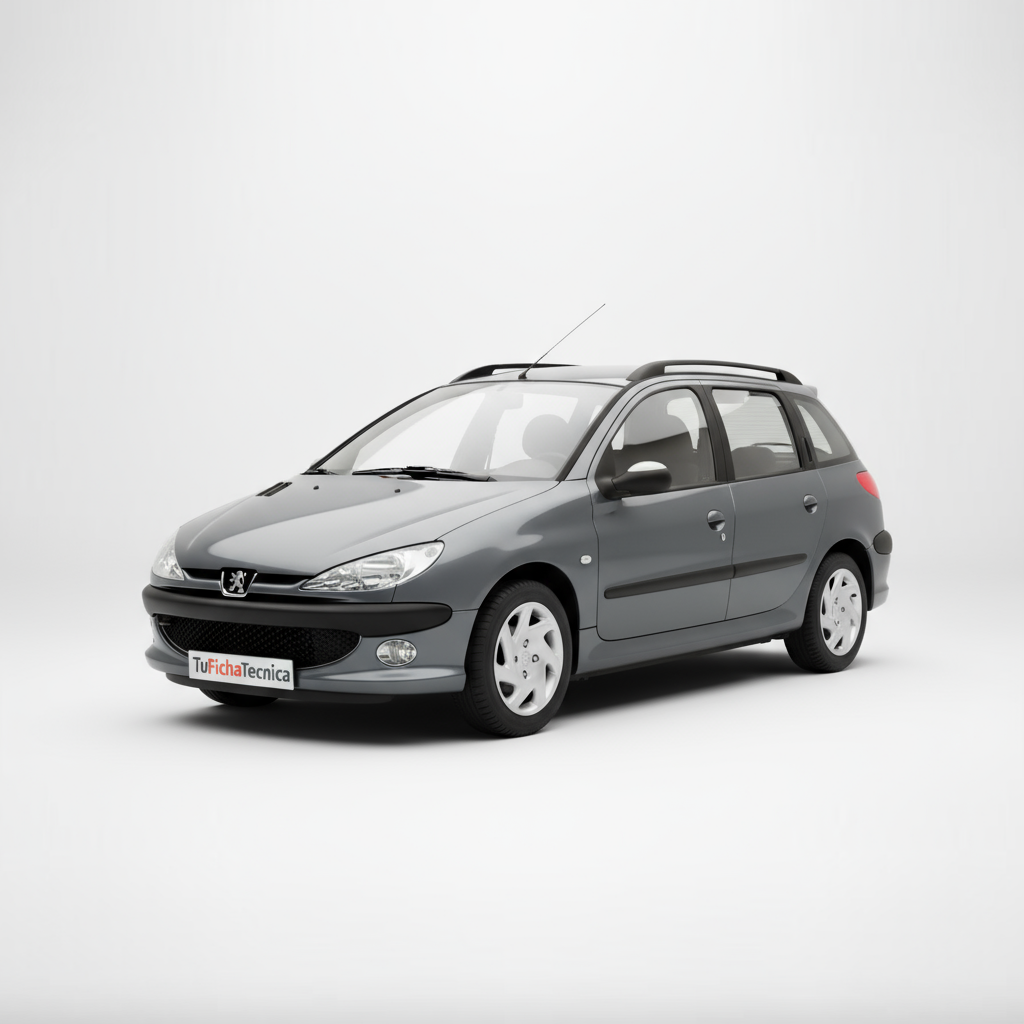
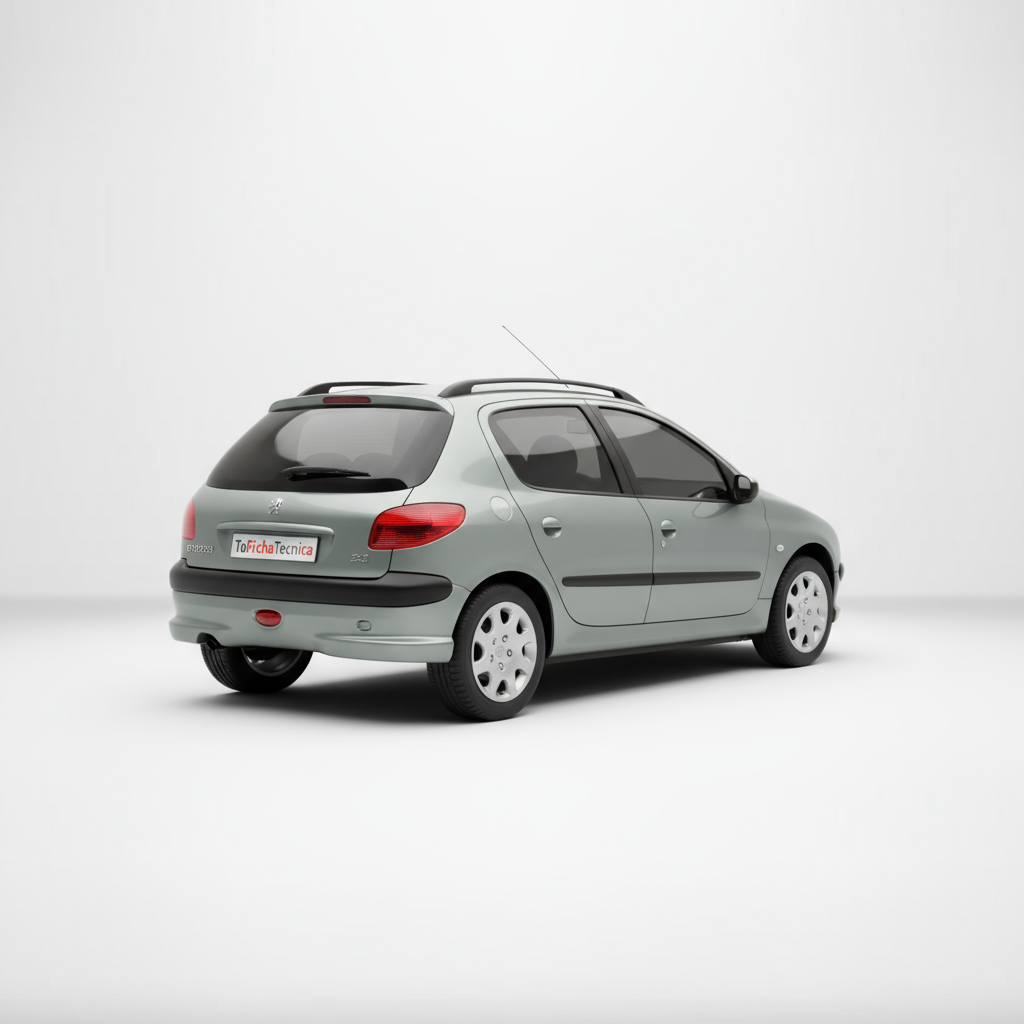
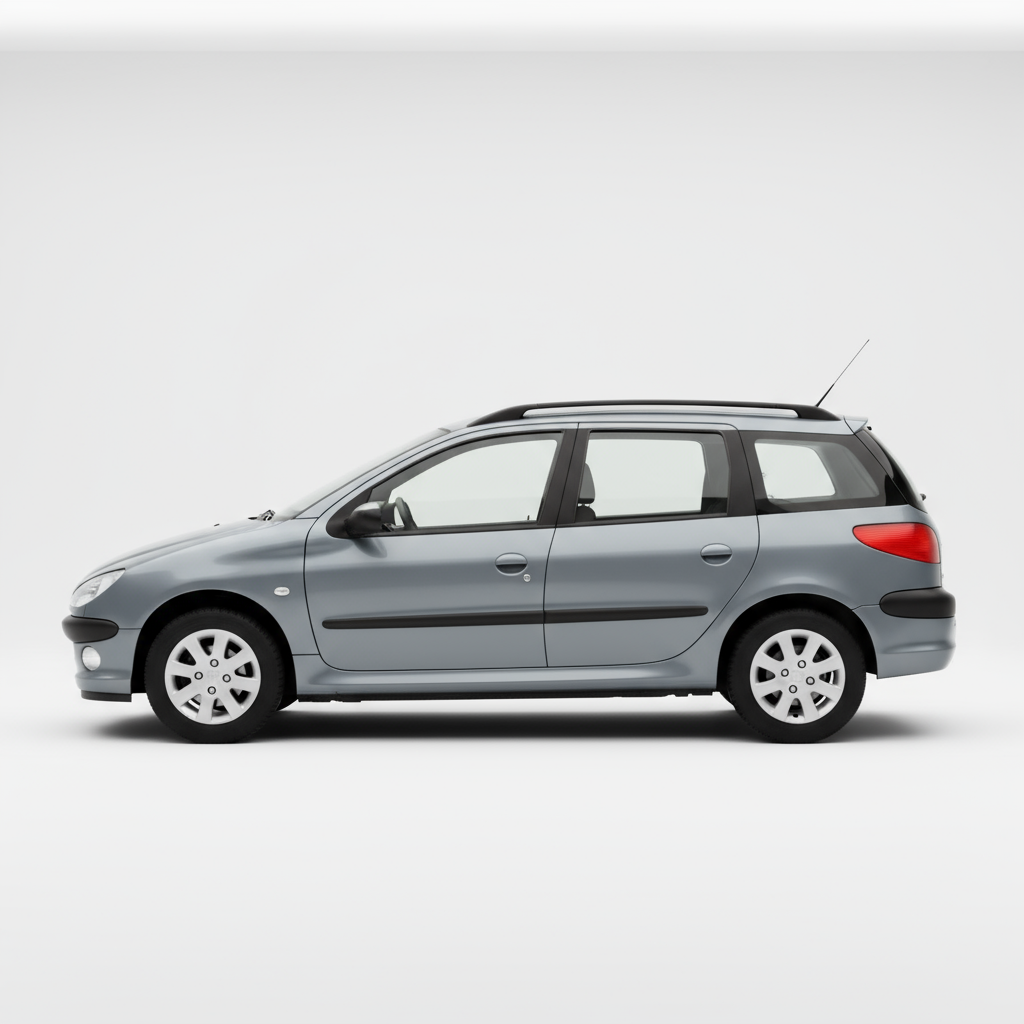
The Peugeot 206 SW X-Line 1.4 HDi 70, launched in 2002, is the station wagon variant of one of Peugeot's most iconic models. With its 68 hp diesel engine, this car is presented as a practical and economical option for those looking for a compact vehicle with extra space. Its design, although based on the original 206, incorporates the functionality of a station wagon without losing the youthful charm that characterized the series.
Driving experience
Behind the wheel of the 206 SW X-Line 1.4 HDi 70, the predominant feeling is that of an honest and functional car. It doesn't seek strong emotions, but rather to offer reliable and economical transportation. The diesel engine, although modest in power, delivers its torque at low revolutions, which translates into relaxed and efficient driving, especially in urban environments and on the road at moderate speeds. The comfort-oriented suspension filters out road irregularities well, making journeys more pleasant. The steering, while not the most communicative, performs its function smoothly. It is a car that invites calm, to enjoy the journey without rushing, knowing that it will take you to your destination with very contained consumption.
Design and aesthetics
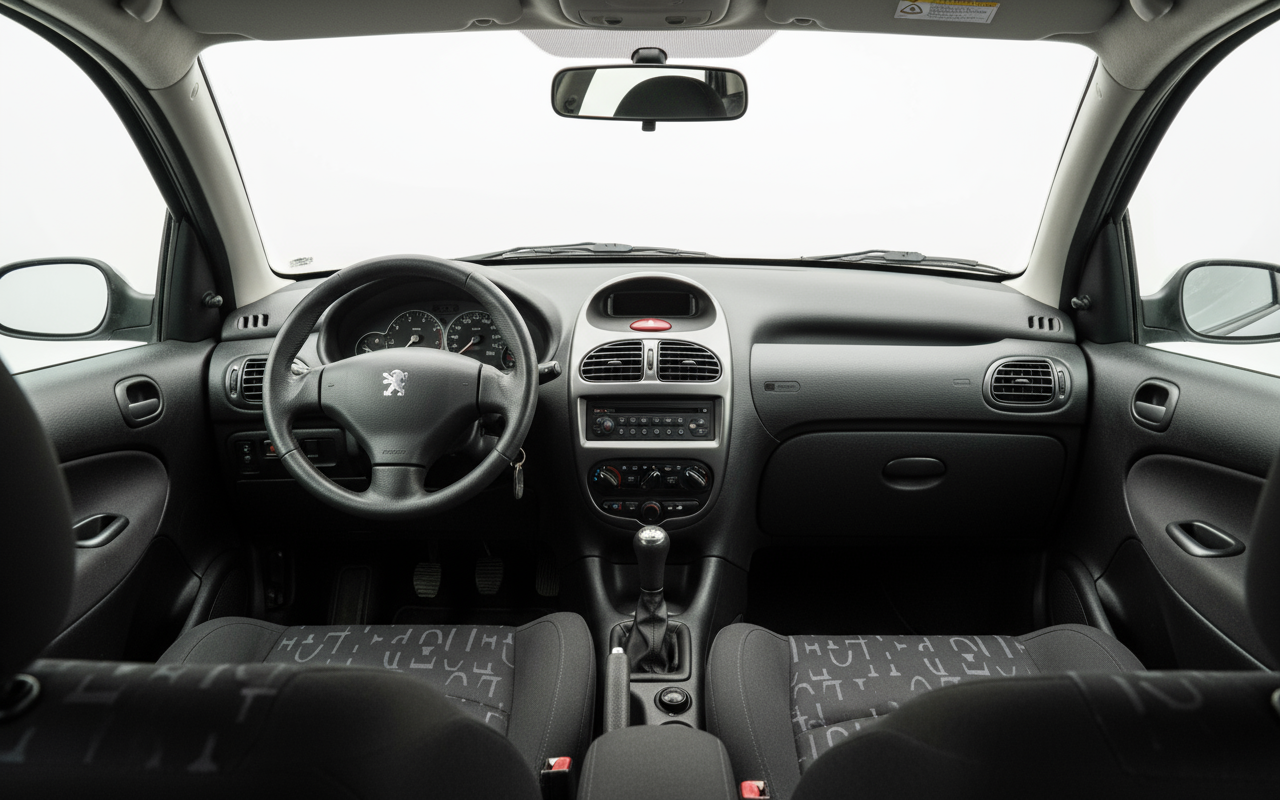
The design of the Peugeot 206 SW X-Line is a natural extension of the charismatic 206, but with a more elongated and practical silhouette. It retains the slanted headlights and the smiling grille that gave so much personality to the original model, but the rear is stretched to integrate a more generous trunk. The lines are soft and rounded, typical of the era, and the overall result is harmonious and balanced. Inside, simplicity and functionality are key. The materials, although not luxurious, are durable and well-fitted. The ergonomics are correct, with the main controls within reach of the driver. It is a design that, without being revolutionary, fulfills its purpose of offering a pleasant and useful space for everyday life.
Technology and features
In 2002, the technology of the Peugeot 206 SW X-Line 1.4 HDi 70 focused on efficiency and reliability. Its 1.4 HDi 70 hp engine is an example of common rail direct injection and turbo diesel technology, which at the time represented a significant advance in terms of consumption and emissions. The 5-speed manual transmission is robust and precise. In terms of equipment, it offered the essentials for comfort and safety, such as power steering, electric windows, and air conditioning in some versions. Don't expect large touch screens or advanced driving assistants, as its approach was more pragmatic, focusing on what really mattered to the average driver of the early 2000s.
Competition
In its segment, the Peugeot 206 SW X-Line 1.4 HDi 70 competed with other compact station wagons and utility vehicles with station wagon bodies. Among its main rivals were models such as the Renault Clio Grandtour, the Skoda Fabia Combi, or the SEAT Ibiza ST. Each offered its own advantages, but the 206 SW stood out for its distinctive design, its efficient diesel engine, and its balance between compact size and cargo capacity. It was an attractive option for those looking for a versatile car for the city and occasional getaways, without giving up a stylish personality.
Conclusion
The Peugeot 206 SW X-Line 1.4 HDi 70 is a car that, despite its age, remains a testament to Peugeot's practical and efficient engineering. It is a faithful companion for everyday life, a vehicle that more than fulfills its function as family transport with very adjusted consumption. Its timeless design and mechanical reliability make it an interesting option in the used car market for those who value economy and functionality above pure performance. It is a car that, without great fanfare, wins you over with its honesty and its ability to make life a little easier.