
Especificaciones y análisis del Peugeot 1007
Power
109HP
Torque
147Nm
Consumption
6.6l/100
Emissions
156g/km
0-100 km/h
11.8s
Top Speed
190km/h
Weight
1216kg
Price
15,870€
Technical summary
Gasolina
Automático 5v
FWD
4 / 3 doors
178 L
40 L
80 kW
Current
Technical specifications
Engine
Capacities
Detailed analysis of the Peugeot 1007 Sport 1.6 110 "2 Tronic" · 109 CV (2008-2010)
General description
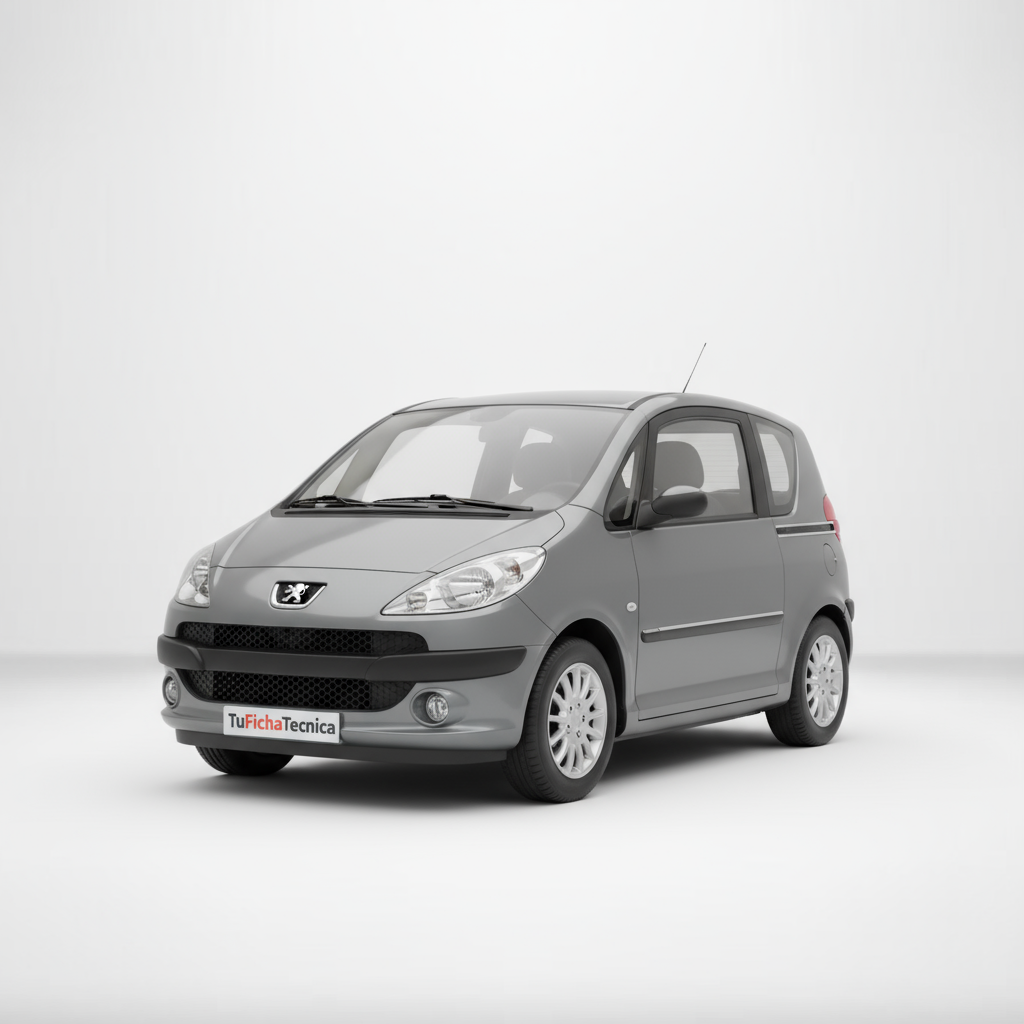
The 2005 Peugeot 1007 Sport 1.6 110 "2 Tronic" is a vehicle that, at first glance, arouses curiosity. With its compact design and electric sliding doors, it presented itself as an innovative proposal in the urban segment. This model, with its 109 HP gasoline engine and automatic transmission, promised a different driving experience, designed for agility in the city and comfort in everyday life. Its launch price, close to 16,000 euros, placed it on a higher rung, seeking to differentiate itself from the competition with a more premium and functional approach.
Driving experience
Behind the wheel of the 1007 Sport 1.6 110 "2 Tronic", the predominant sensation is that of an agile and easy-to-handle car in urban environments. The 109 HP engine, although not an excess of power, moves the vehicle's 1,216 kg with ease, allowing accelerations from 0 to 100 km/h in 11.8 seconds and a top speed of 190 km/h. The 5-speed automatic transmission, although comfortable for the city, can be somewhat slow in its transitions, detracting from dynamism on the road. The suspension, McPherson type at the front and trailing arm with torsional element at the rear, offers a good balance between comfort and stability, absorbing road irregularities without sacrificing too much of the feel of the electric power steering. In general, it is a car that invites relaxed driving, but responds capably when demanded.
Design and aesthetics
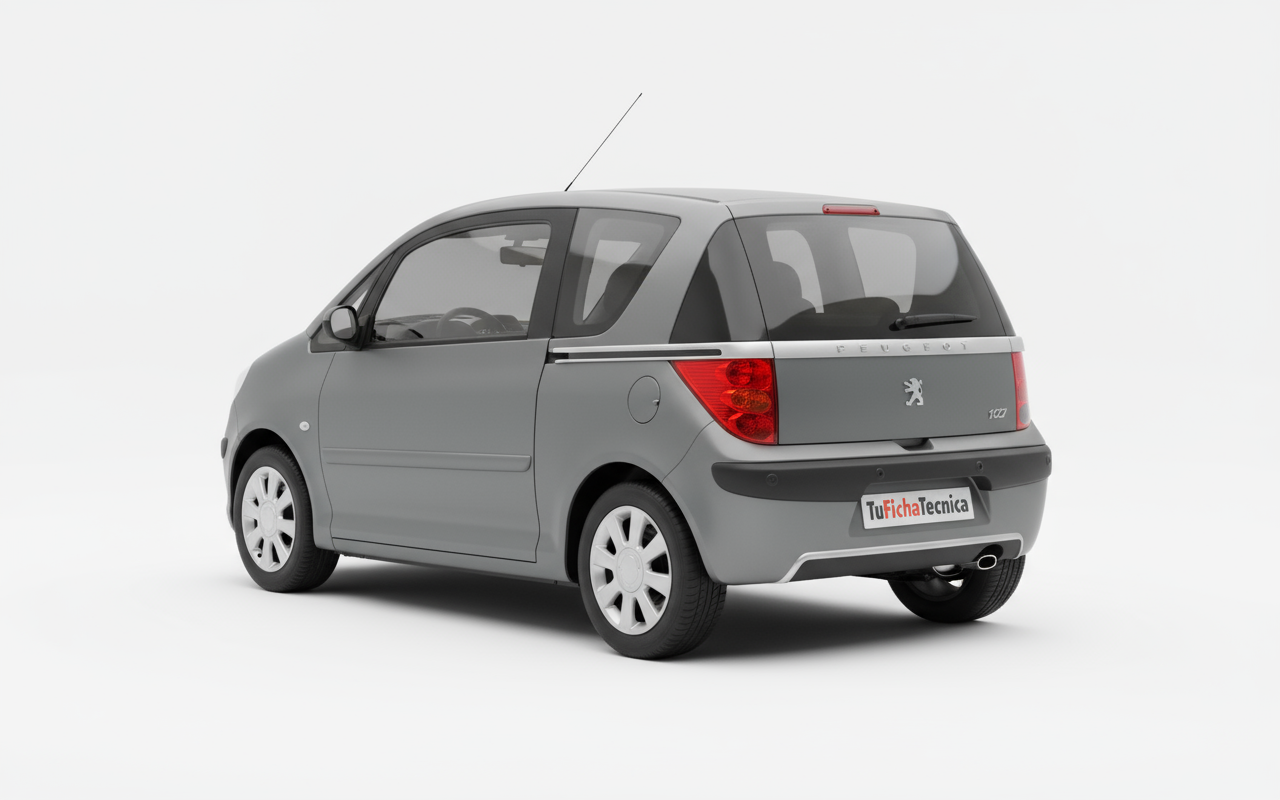
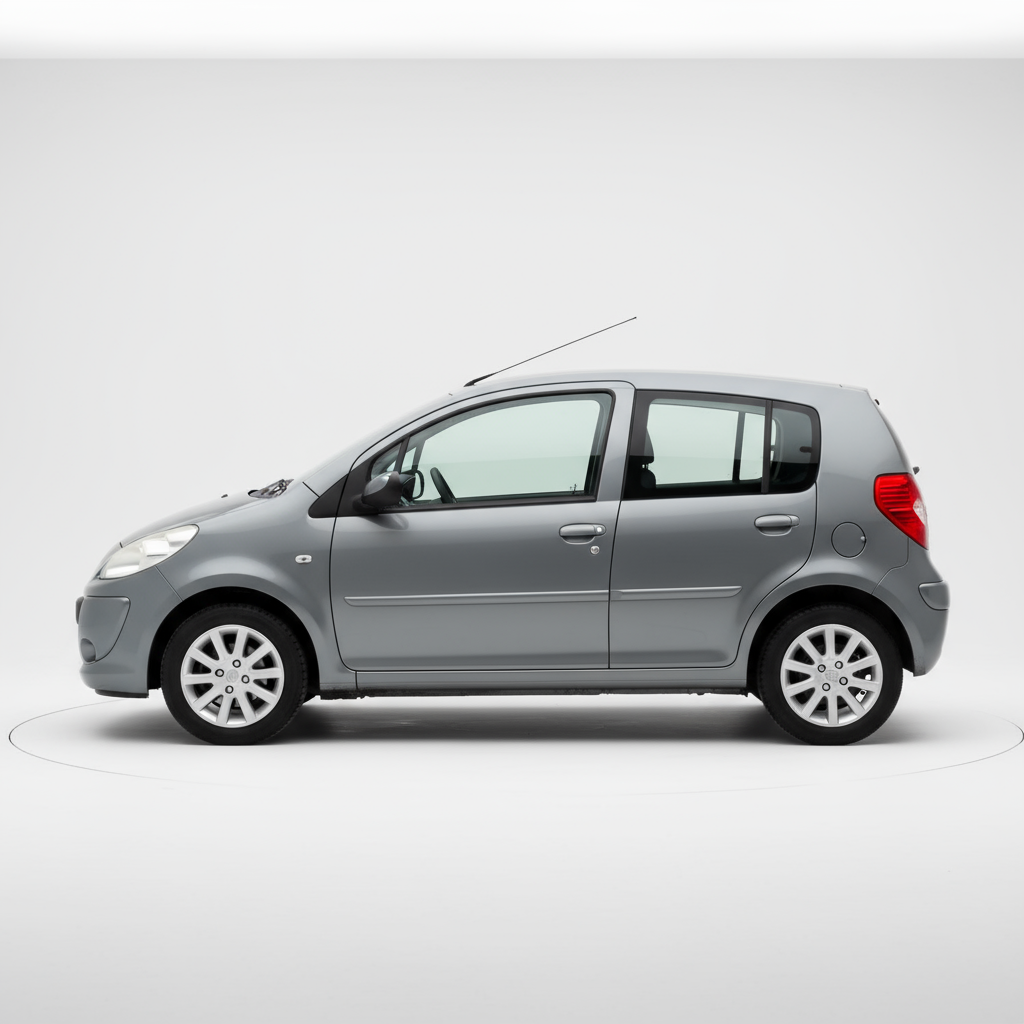
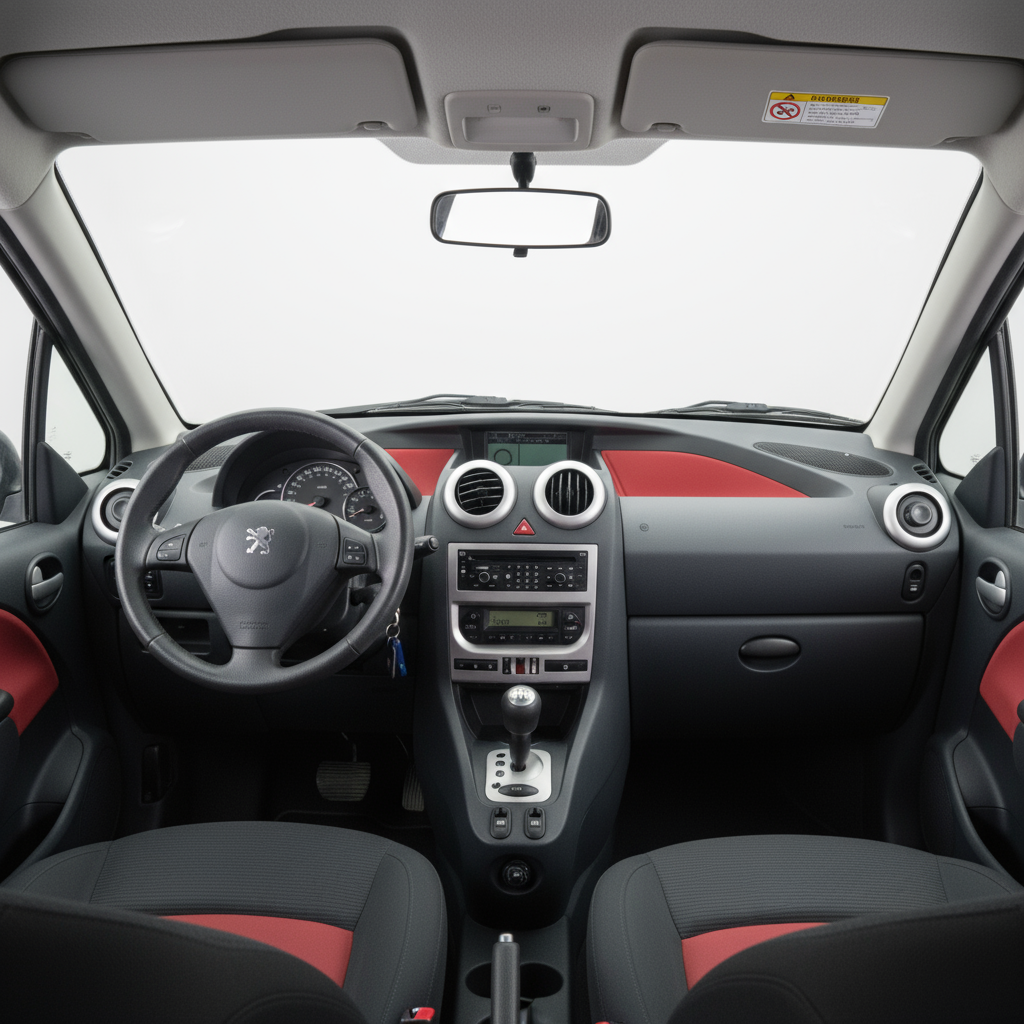
The design of the Peugeot 1007 is, without a doubt, its most distinctive and polarizing feature. Its electric sliding doors, which open and close with a simple touch, are a statement of intent, offering unparalleled accessibility in confined spaces. The 3-door body, with its rounded lines and considerable height (1,620 mm), gives it the aesthetic of a compact minivan, halfway between a utility vehicle and a small SUV. The interior, although compact, is well utilized, with 4 seats and a 178-liter trunk that, while not huge, is sufficient for daily use. The finishes, although not luxurious, are correct for its segment, and the possibility of customizing the interior with the "Cameleo" (interchangeable panels) added a touch of originality.
Technology and features
In the technological section, the Peugeot 1007 Sport 1.6 110 "2 Tronic" incorporated elements that, for its time, were quite advanced. The electric sliding doors are the clearest example, offering comfort and functionality that few rivals could match. The 1,587 cc gasoline engine, with indirect injection and 4 valves per cylinder, was a proven and reliable powerplant. The 5-speed automatic transmission, although not the fastest, contributed to driving comfort. In terms of safety, it had ventilated disc brakes at the front and discs at the rear, and electric power steering that facilitated maneuvers. The combined consumption of 6.6 l/100km and CO2 emissions of 156 g/km placed it in the average for its category.
Competition
In the 2005 market, the Peugeot 1007 faced varied competition. On the one hand, traditional utility vehicles such as the Renault Clio, Ford Fiesta, or Volkswagen Polo offered more conventional and often more economical options. On the other hand, small minivans such as the Opel Meriva or Fiat Idea competed in interior space and versatility, though without the particularity of sliding doors. The 1007 sought its own niche, appealing to those who valued originality, ease of access, and a touch of distinction in an urban car. Its price, however, brought it closer to models from higher segments, which made it difficult to position against more established rivals with a more traditional proposal.
Conclusion
The Peugeot 1007 Sport 1.6 110 "2 Tronic" is a car that, despite not having been a resounding sales success, left its mark for its audacity and innovative approach. Its electric sliding doors are an element that distinguishes it and makes it especially practical in the city. It offers comfortable and agile driving, with a capable engine and an automatic transmission that makes life easier in traffic. While its design may not be to everyone's taste and its price was somewhat high for its segment, the 1007 is a car with personality, ideal for those looking for something different, functional, and with a touch of originality in their urban daily life. It is a vehicle that, despite its age, remains an interesting proposition for those who value comfort and distinction.