
Especificaciones y análisis del Opel Vectra
Power
150HP
Torque
315Nm
Consumption
6.9l/100
Emissions
-g/km
0-100 km/h
10s
Top Speed
210km/h
Weight
1548kg
Price
23,940€
Technical summary
Gasóleo
Automático 6v
FWD
5 / 4 doors
500 L
61 L
110 kW
Current
Technical specifications
Engine
Capacities
Detailed analysis of the Opel Vectra 4p Design 1.9 CDTI 16V Active Select · 150 CV (2004-2005)
General description
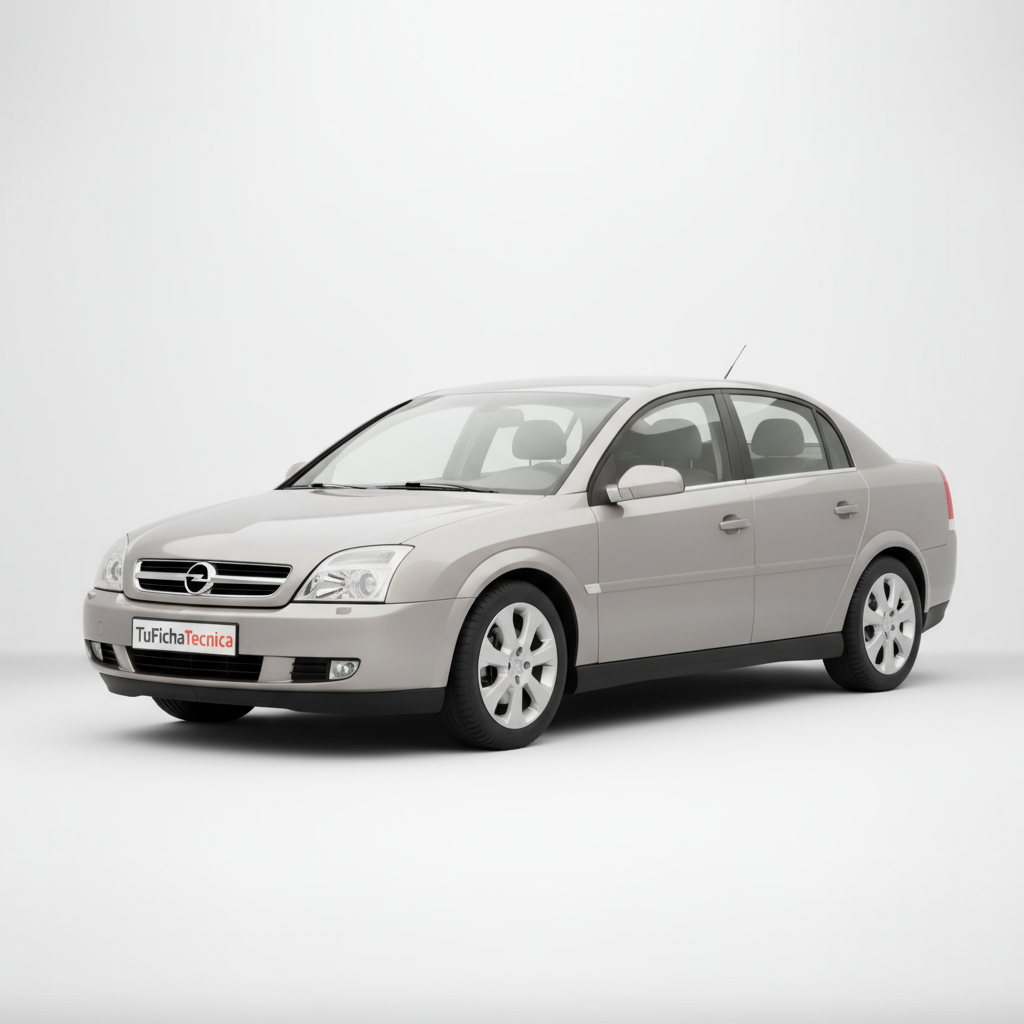
The 2002 Opel Vectra, in its 4-door Design 1.9 CDTI 16V Active Select version, presented itself as a sedan that sought to win the hearts of families and professionals of the time. With a 150 HP diesel engine and a 6-speed automatic transmission, it promised a balance between performance and comfort. Its design, although sober, tried to convey an image of solidity and elegance, characteristics highly valued in its segment.
Driving experience
Behind the wheel of the Vectra, the predominant sensation is one of poise and stability. The 150 HP 1.9 CDTI engine, although not a powerhouse of sportiness, offers a forceful response and a torque of 315 Nm that is felt from low revolutions, facilitating overtakes and highway driving. The 6-speed automatic gearbox, Active Select, provides smooth transitions, although it is not the fastest on the market. The suspension, McPherson type at the front and deformable parallelogram at the rear, filters road irregularities well, offering remarkable ride comfort. However, in tight corners, a slight body roll is perceived, typical of a comfort-oriented sedan. The rack-and-pinion steering is precise and transmits enough information to the driver, although it lacks the immediacy of other sportier models. In general, it is a car that invites travel, with a well-insulated cabin that contributes to a relaxed driving experience.
Design and aesthetics
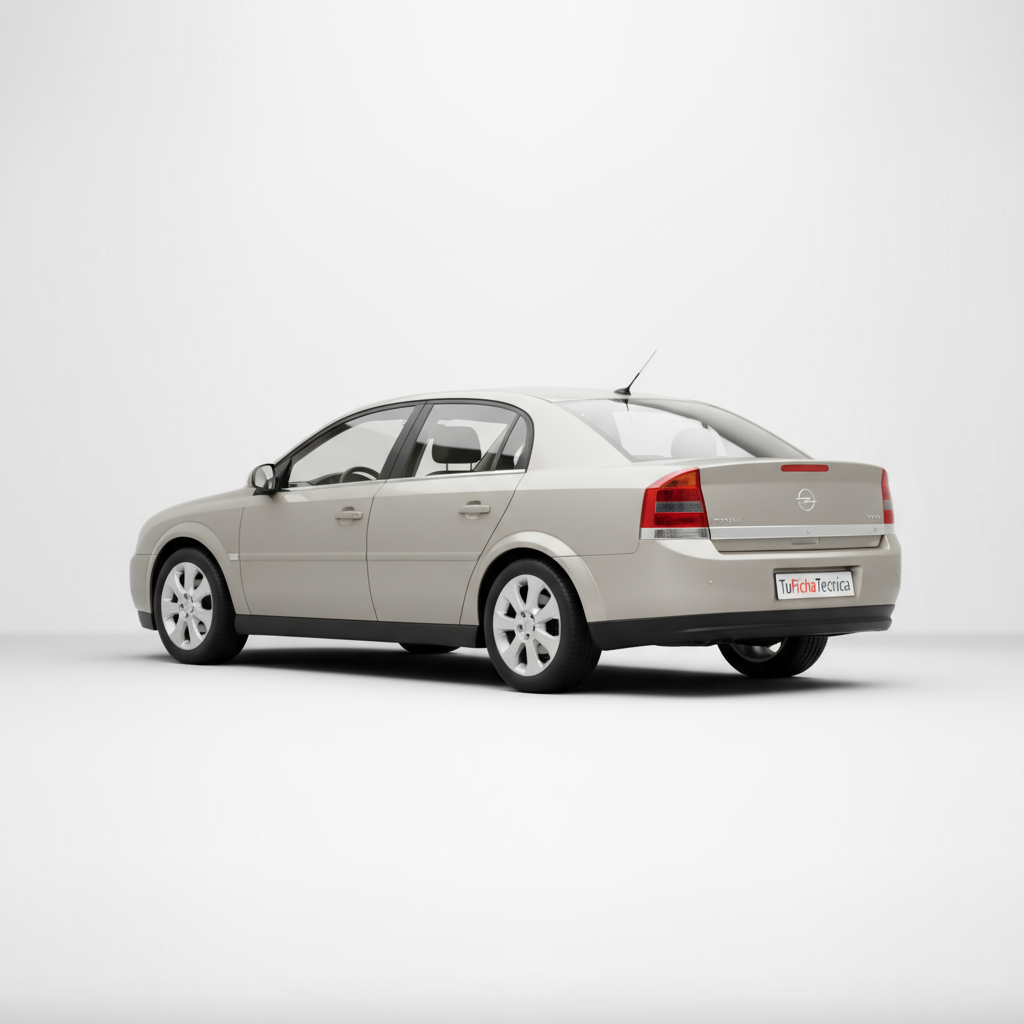
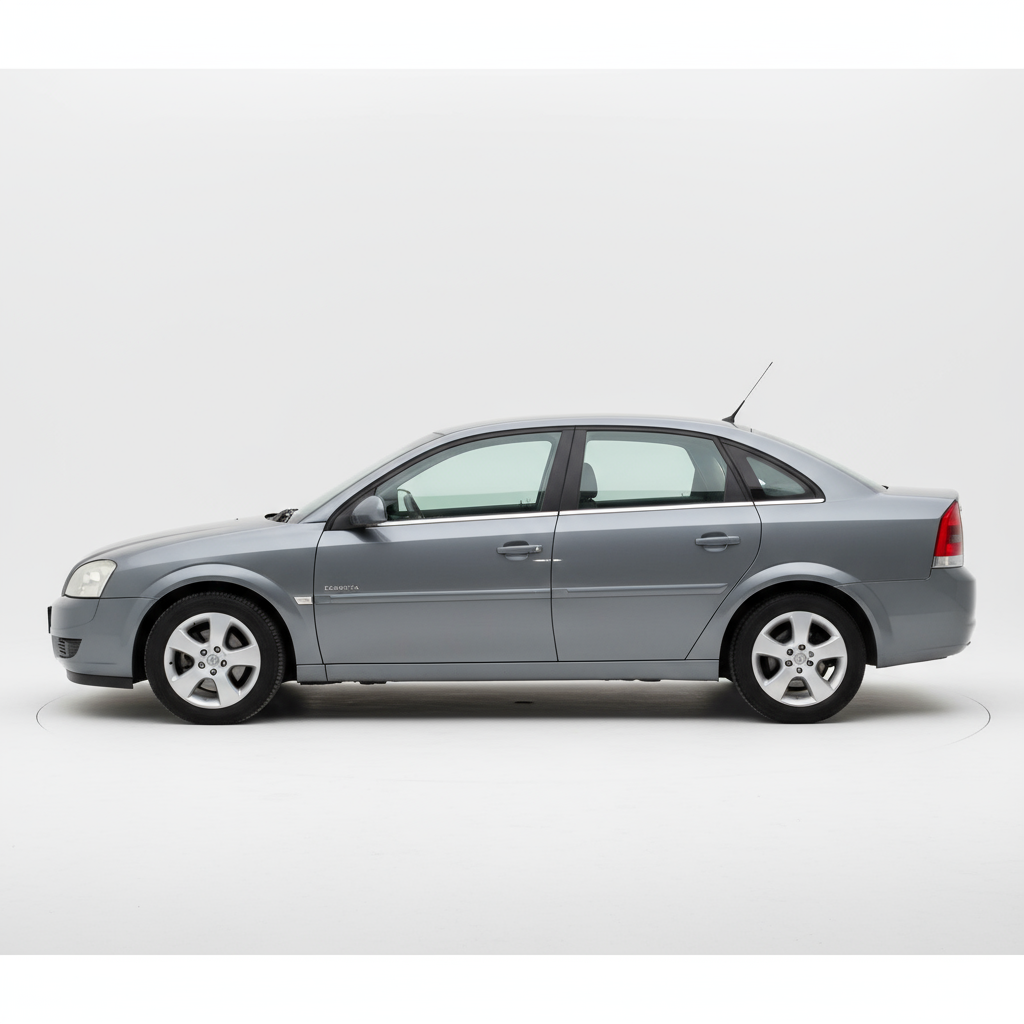
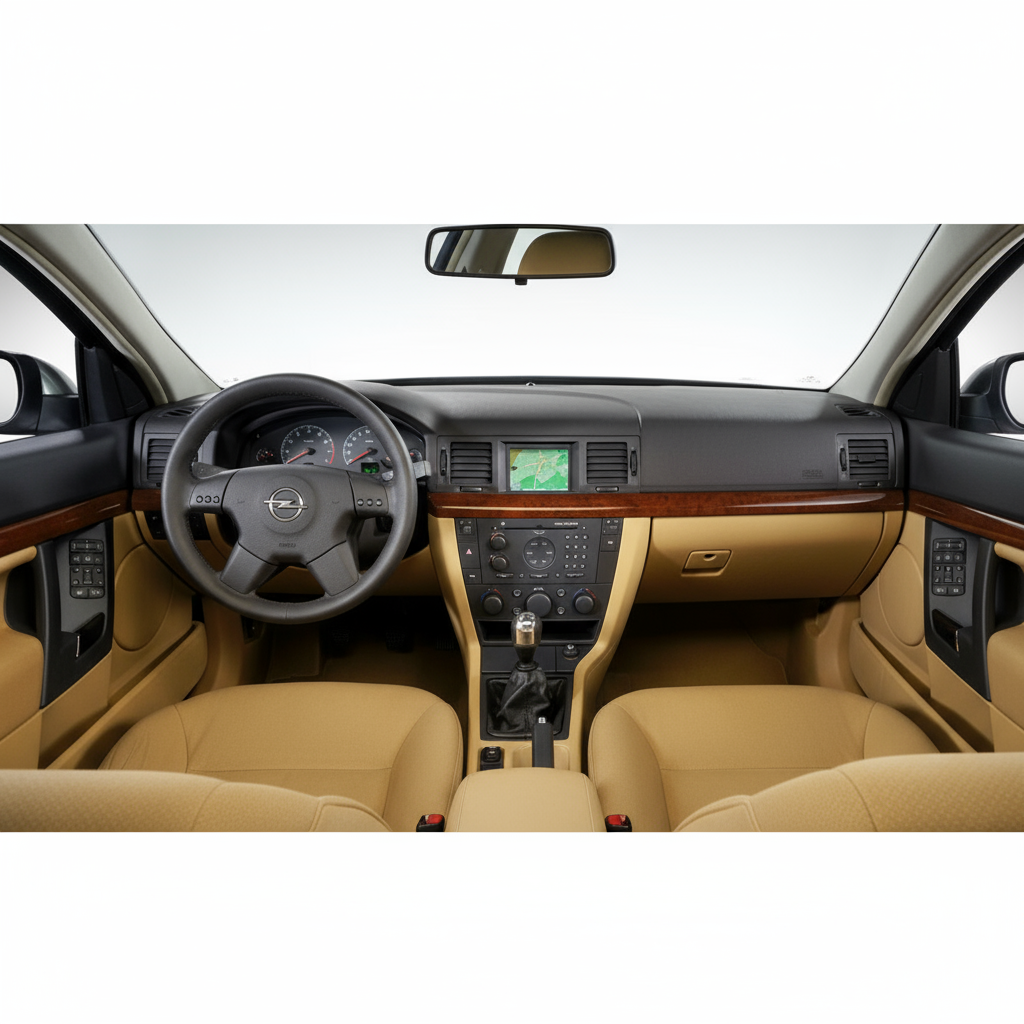
The design of the 2002 Opel Vectra is a reflection of the brand's philosophy at that time: clean lines, wide surfaces, and a functional aesthetic. The 4-door body, with its 4596 mm length, 1798 mm width, and 1460 mm height, gives it an imposing presence on the road. The elongated headlights integrate harmoniously with the front grille, which features the Opel emblem in the center. The rear, with its large taillights, reinforces the feeling of solidity. Inside, the cabin is spacious and functional, with a sober but well-organized dashboard. The materials, although not luxurious, convey a sense of durability. The comfortable seats with good lateral support invite long journeys. In short, a design that, without being revolutionary, meets the expectations of a sedan in its segment, prioritizing functionality and habitability.
Technology and features
In terms of technology, the 2002 Opel Vectra incorporated solutions that, for its time, were quite advanced. The 1.9 CDTI 16V engine, with common rail direct injection, variable geometry turbo, and intercooler, was an example of efficiency and performance in the diesel segment. The 6-speed Active Select automatic transmission offered the possibility of sequential handling, providing greater control to the driver. In terms of safety, it had 285 mm ventilated disc brakes at the front and 278 mm discs at the rear, ensuring effective braking. The suspension, with stabilizers on both axles, contributed to greater stability. Although it did not have the latest driving aids we know today, the Vectra offered solid technological equipment for its time, focused on the safety and comfort of the occupants.
Competition
The 2002 Opel Vectra faced tough competition in the mid-size sedan segment. Its main rivals were models such as the Volkswagen Passat, the Ford Mondeo, the Renault Laguna, and the Peugeot 406. Each of them offered its own virtues, from the sobriety and perceived quality of the Passat, to the driving dynamics of the Mondeo, through the comfort of the Laguna or the elegance of the 406. The Vectra positioned itself as a balanced option, with a good diesel engine, a spacious cabin, and a functional design, seeking its niche in a highly competitive market.
Conclusion
The 2002 Opel Vectra 4-door Design 1.9 CDTI 16V Active Select is a sedan that, despite its age, remains an interesting option for those looking for a spacious, comfortable car with a reliable diesel engine. Its sober and functional design, combined with technological equipment appropriate for its time, make it a practical vehicle for daily use and long journeys. Although it is not the most exciting car to drive, its roadholding and ride comfort are its main assets. It is an honest car, which delivers on its promises, without great fanfare but with a solid engineering base.