
Especificaciones y análisis del Opel Vectra
Power
101HP
Torque
230Nm
Consumption
6l/100
Emissions
-g/km
0-100 km/h
13s
Top Speed
195km/h
Weight
1425kg
Price
21,035€
Technical summary
Gasóleo
Manual 5v
FWD
5 / 4 doors
500 L
60 L
74 kW
Current
Technical specifications
Engine
Capacities
Detailed analysis of the Opel Vectra 4p Sport 2.0 DTI 16v · 101 CV (1999-2000)
General description
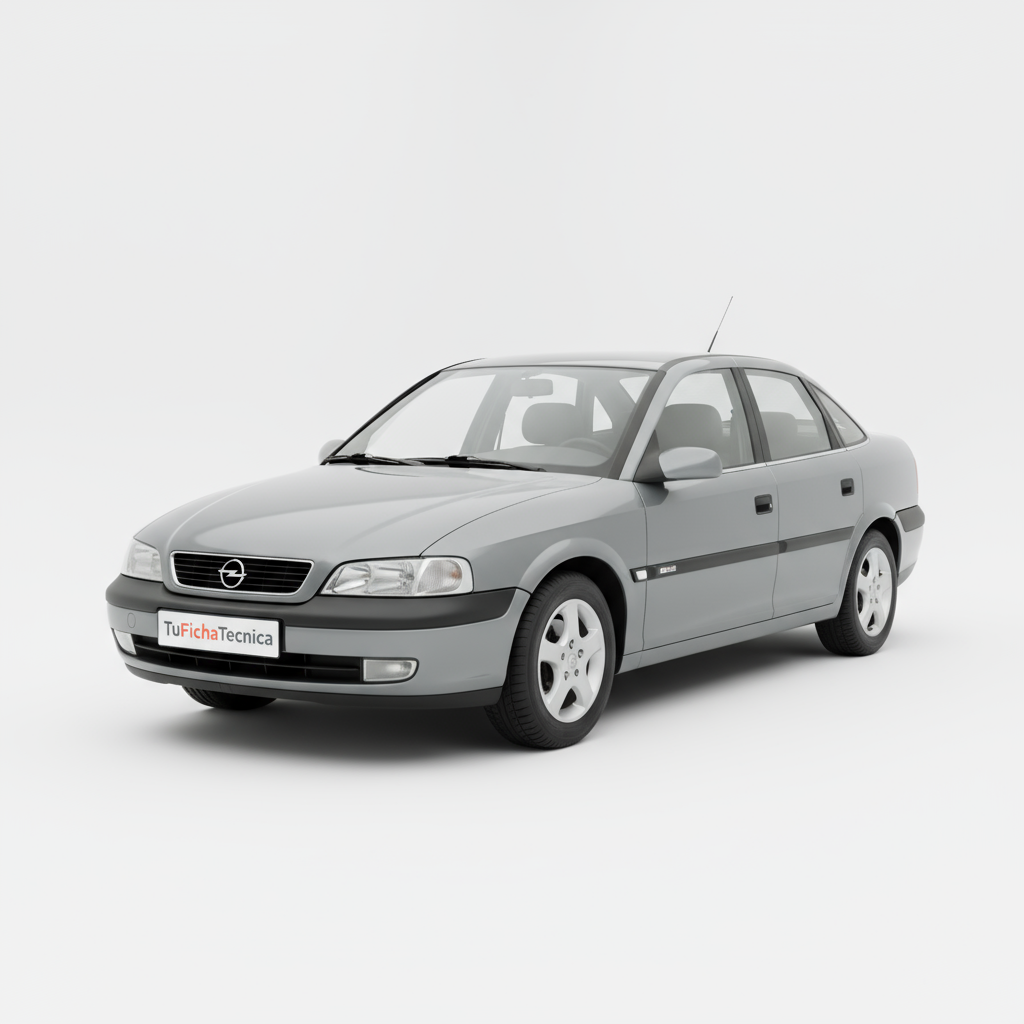
The Opel Vectra 4-door Sport 2.0 DTI 16v, a model that marked an era between 1999 and 2000, is presented as a classic sedan with a dynamic spirit. With its 101 HP diesel engine, it promised efficiency and adequate performance for everyday use, without sacrificing the comfort of a family vehicle. Its design, although sober, sought functionality and timeless elegance, characteristics that made it popular in its segment.
Driving experience
Behind the wheel of the Vectra 2.0 DTI, the predominant sensation is one of solidity and poise. The diesel engine, with its 101 HP and a torque of 230 Nm at 1950 rpm, offers a strong response from low revolutions, ideal for overtakes and recoveries. The acceleration from 0 to 100 km/h in 13 seconds is not dazzling, but sufficient for daily use. The top speed of 195 km/h allows for comfortable long journeys. The McPherson type suspension on the front axle and the ventilated disc brakes at the front and solid at the rear, along with the stabilizer bars, contribute to safe and predictable driving, albeit without great sporting pretensions. The combined consumption of 6 l/100km was a strong point, offering considerable autonomy thanks to its 60-liter tank. The rack-and-pinion steering, although without variable assistance, provides a good connection with the road.
Design and aesthetics
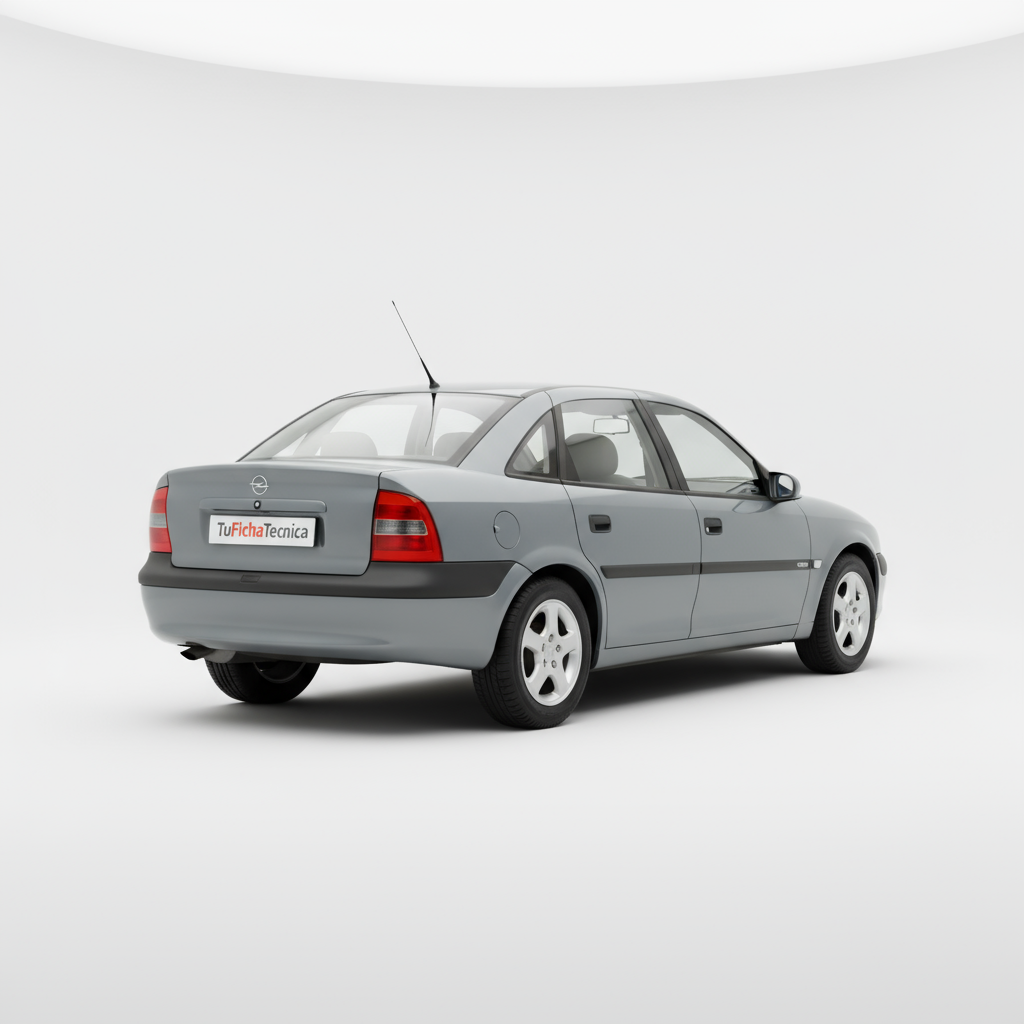
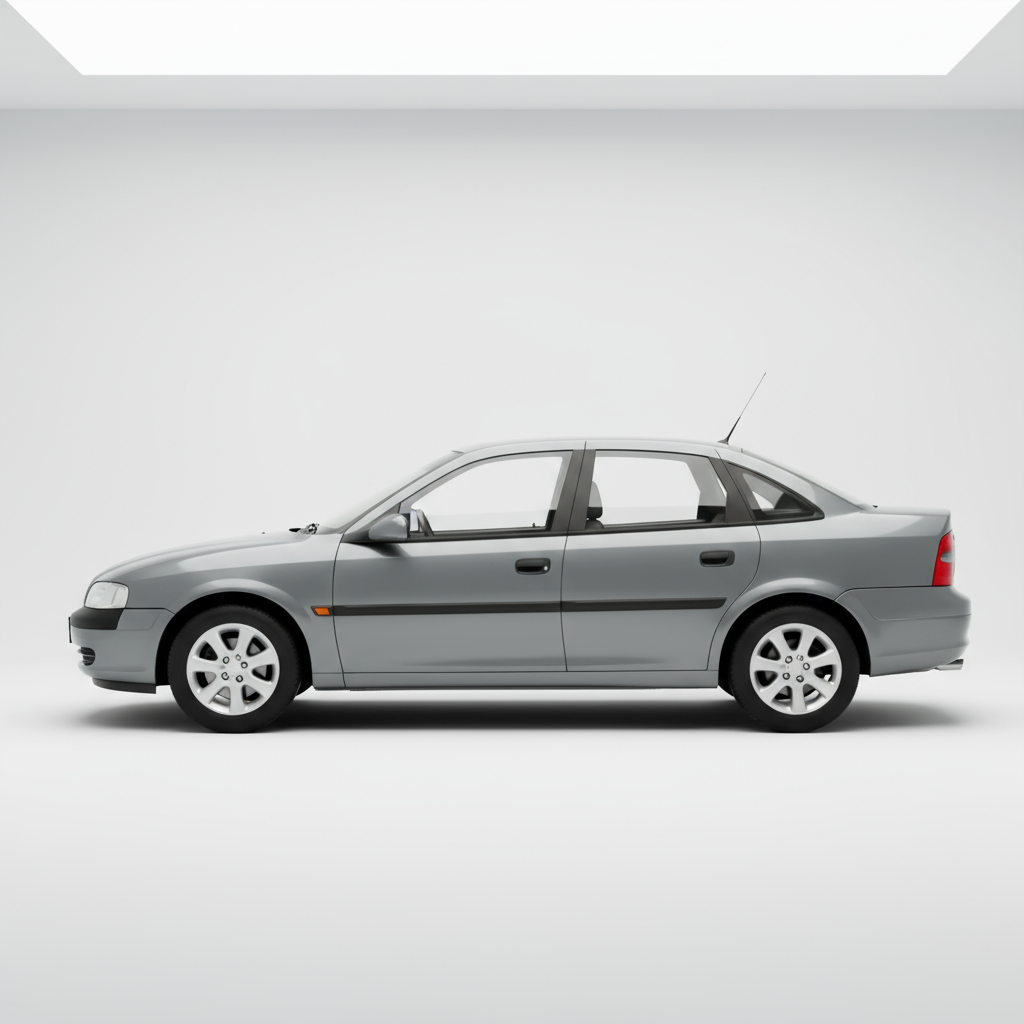
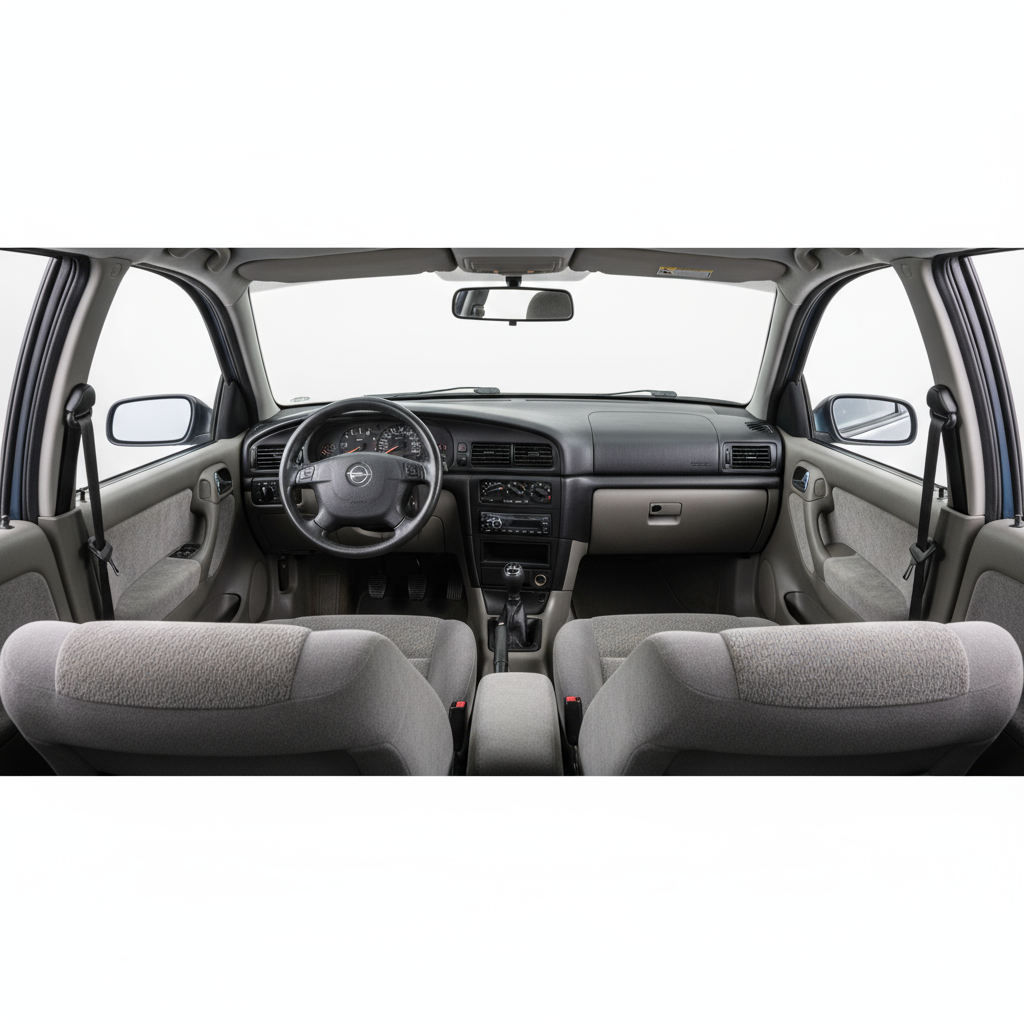
The design of the Opel Vectra 4-door Sport is a reflection of late 90s automotive aesthetics: clean lines, a classic sedan silhouette, and a discreet yet elegant presence. Its 4495 mm length, 1707 mm width, and 1425 mm height give it a balanced stance. The 16-inch wheels with 205/55 R16 V tires give it a sporty touch without being excessive. The interior, although not detailed in the data, was characterized by its functionality and ergonomics, with a spacious cabin for five occupants and a generous 500-liter trunk, ideal for family trips. The absence of superfluous elements in its exterior and interior design underlines its practical and durable approach.
Technology and features
In terms of technology, the Opel Vectra 2.0 DTI 16v incorporated advanced solutions for its time, especially in its engine. The 1995 cc diesel engine, with direct injection, turbo, and intercooler, was an example of efficiency and performance. The aluminum cylinder head and iron block ensured durability. The 5-speed manual transmission was the standard option, offering direct control over power. Although modern driving assistance systems are not mentioned, the presence of disc brakes on both axles and a well-resolved chassis with McPherson front suspension and stabilizer bars ensured competent dynamic behavior. The rack-and-pinion steering, although without variable assistance, was precise and reliable.
Competition
In its segment, the Opel Vectra 4-door Sport 2.0 DTI 16v competed with sedans from generalist brands such as the Ford Mondeo, the Volkswagen Passat, the Peugeot 406, and the Renault Laguna. All of them offered similar proposals in terms of space, comfort, and efficient diesel engines. The Vectra stood out for its overall balance, mechanical reliability, and attractive value for money, making it a sensible option for those looking for a robust and economical family car to maintain.
Conclusion
The Opel Vectra 4-door Sport 2.0 DTI 16v was a car that more than met the expectations of its public. It offered a remarkable balance between performance, fuel economy, and interior space, all wrapped in a sober and functional design. Its diesel engine, although not the most powerful, stood out for its efficiency and durability. It was an ideal option for families and professionals looking for a reliable and comfortable vehicle for daily use and long journeys. An honest car that, despite the years, remains a benchmark of late 20th-century German engineering.