
Especificaciones y análisis del Opel Signum
Power
230HP
Torque
330Nm
Consumption
10.6l/100
Emissions
254g/km
0-100 km/h
7.6s
Top Speed
243km/h
Weight
1650kg
Price
31,120€
Technical summary
Gasolina
Manual 6v
FWD
5 / 5 doors
365 L
60 L
169 kW
Current
Technical specifications
Engine
Capacities
Detailed analysis of the Opel Signum Cosmo 2.8 Turbo 230 CV (2005-2007)
General description
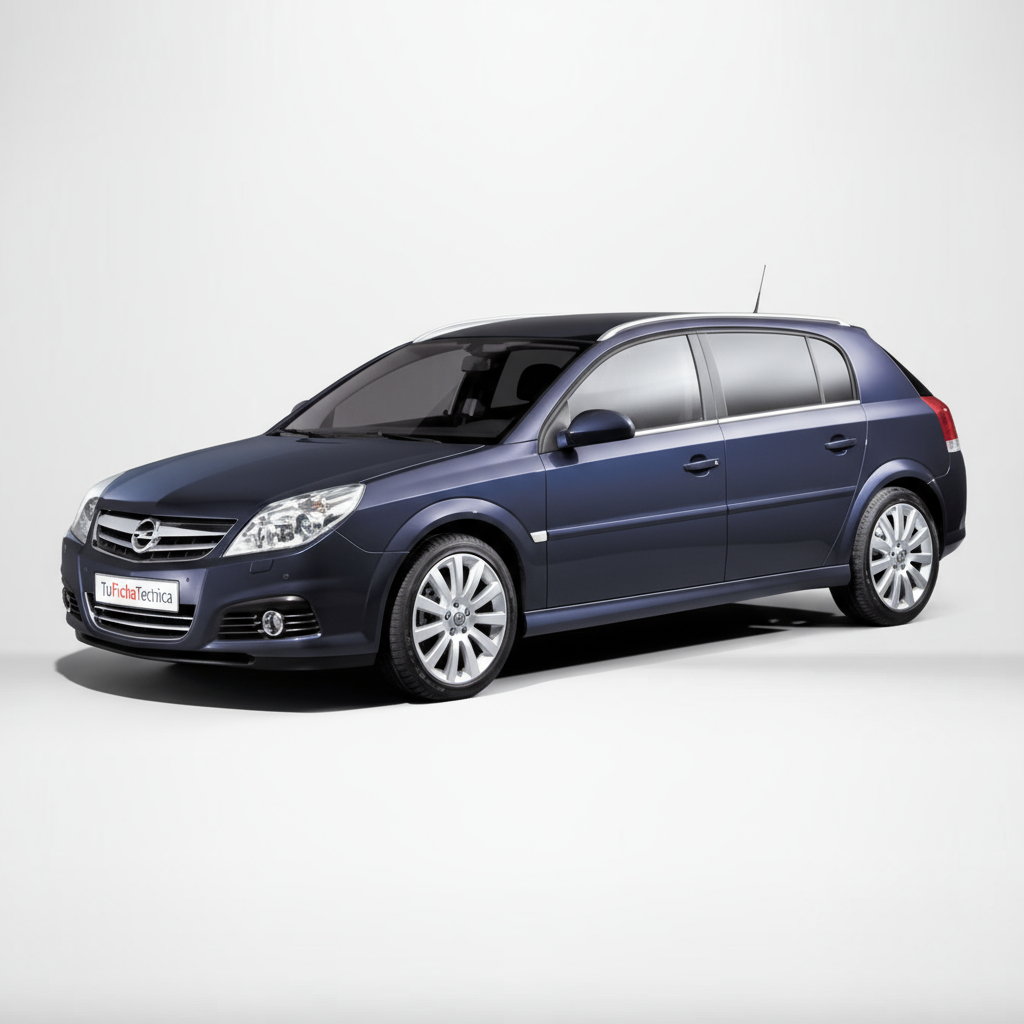
The 230 HP Opel Signum Cosmo 2.8 Turbo, a vehicle that defied conventions in 2006, presents itself as a bold and distinctive proposition. It's not a car for everyone, but for those looking for more than just a simple means of transport, it offers a combination of power, space, and a touch of exclusivity. Its design, although perhaps not as conventional as its range siblings, promised a different driving experience, focused on comfort and performance.
Driving experience
Behind the wheel of the Signum 2.8 Turbo, the feeling of power is undeniable. Its 230 HP, delivered by a 2,792 cc V6 engine with turbo and intercooler, pushes forcefully, allowing acceleration from 0 to 100 km/h in 7.6 seconds and a top speed of 243 km/h. The 6-speed manual transmission offers precise control, inviting dynamic driving. However, its combined consumption of 10.6 l/100km reminds us that power comes at a price. The suspension, McPherson type at the front and deformable parallelogram at the rear, seeks a balance between comfort and stability, although its weight of 1650 kg is noticeable in tight corners. It is a car that invites you to devour kilometers on the highway, where its poise and the smoothness of its engine shine brightly.
Design and aesthetics
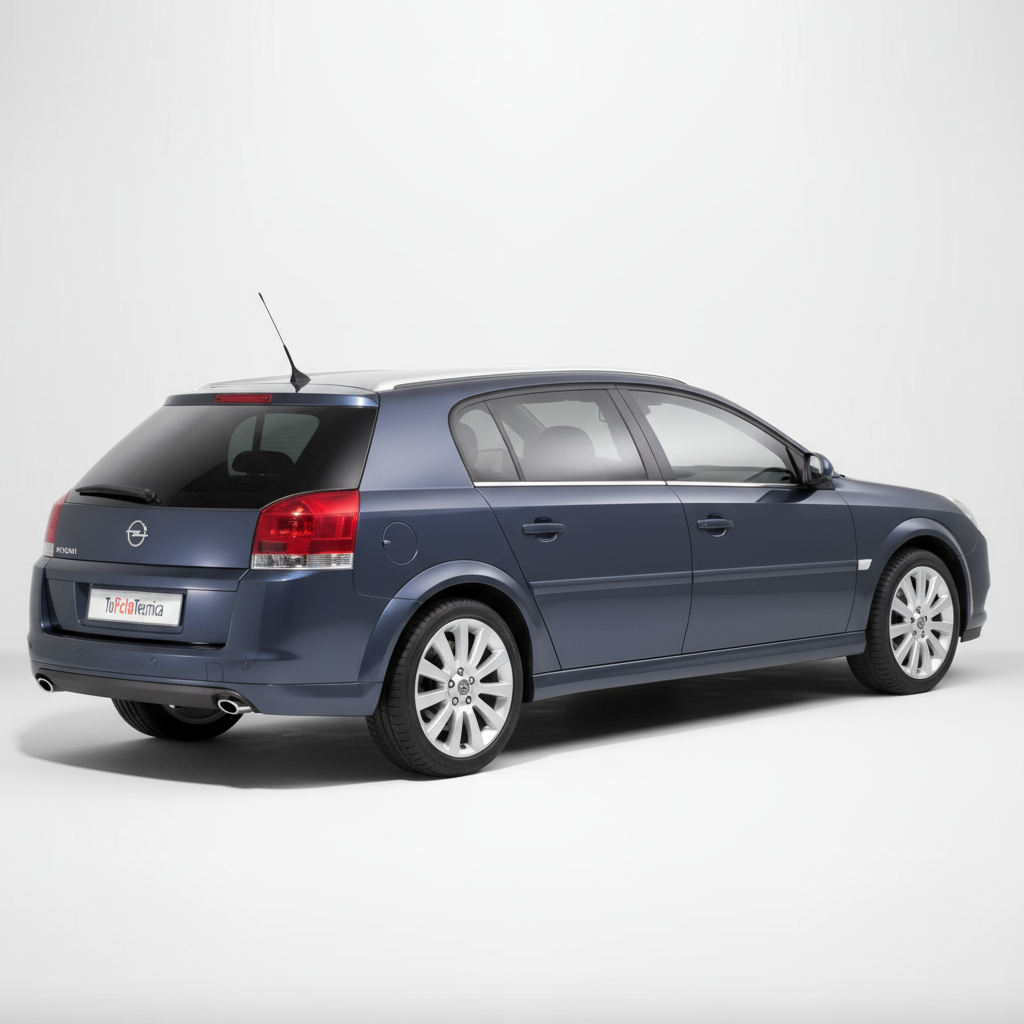
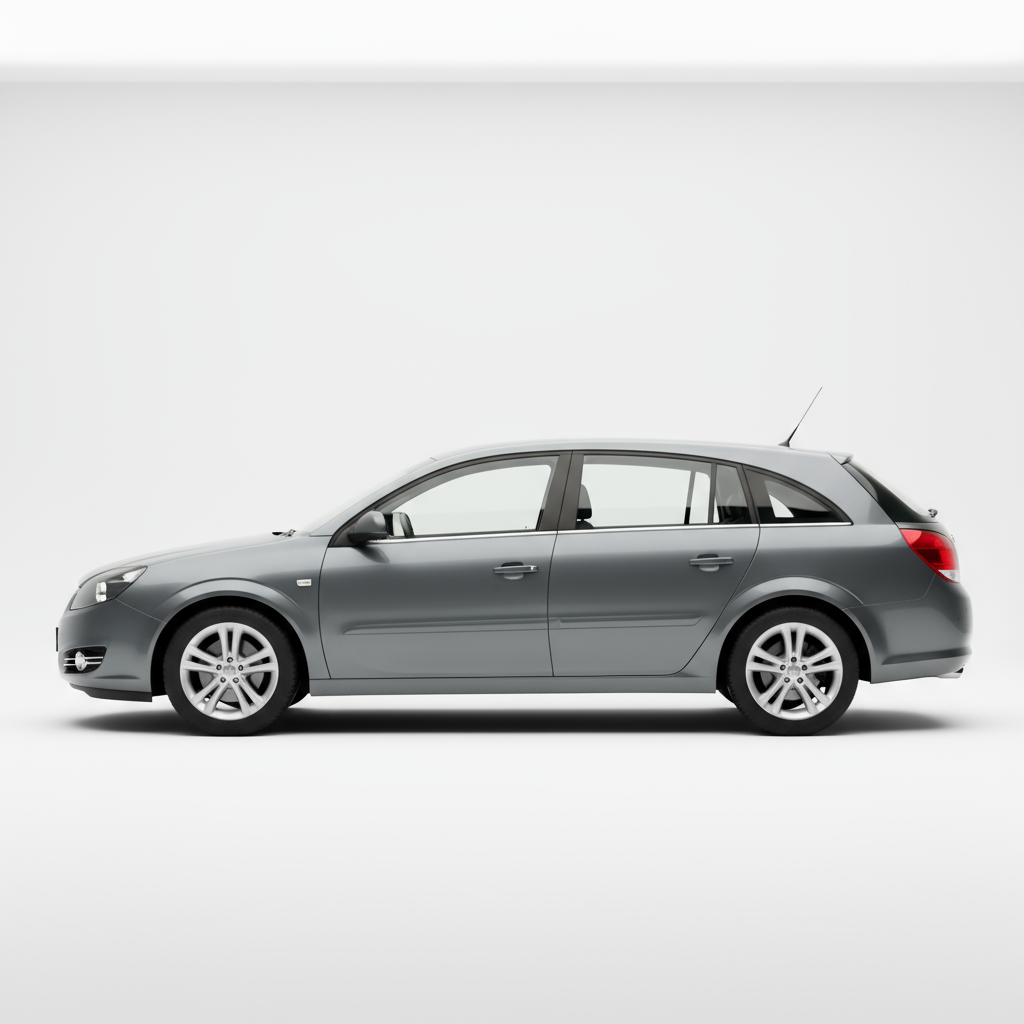
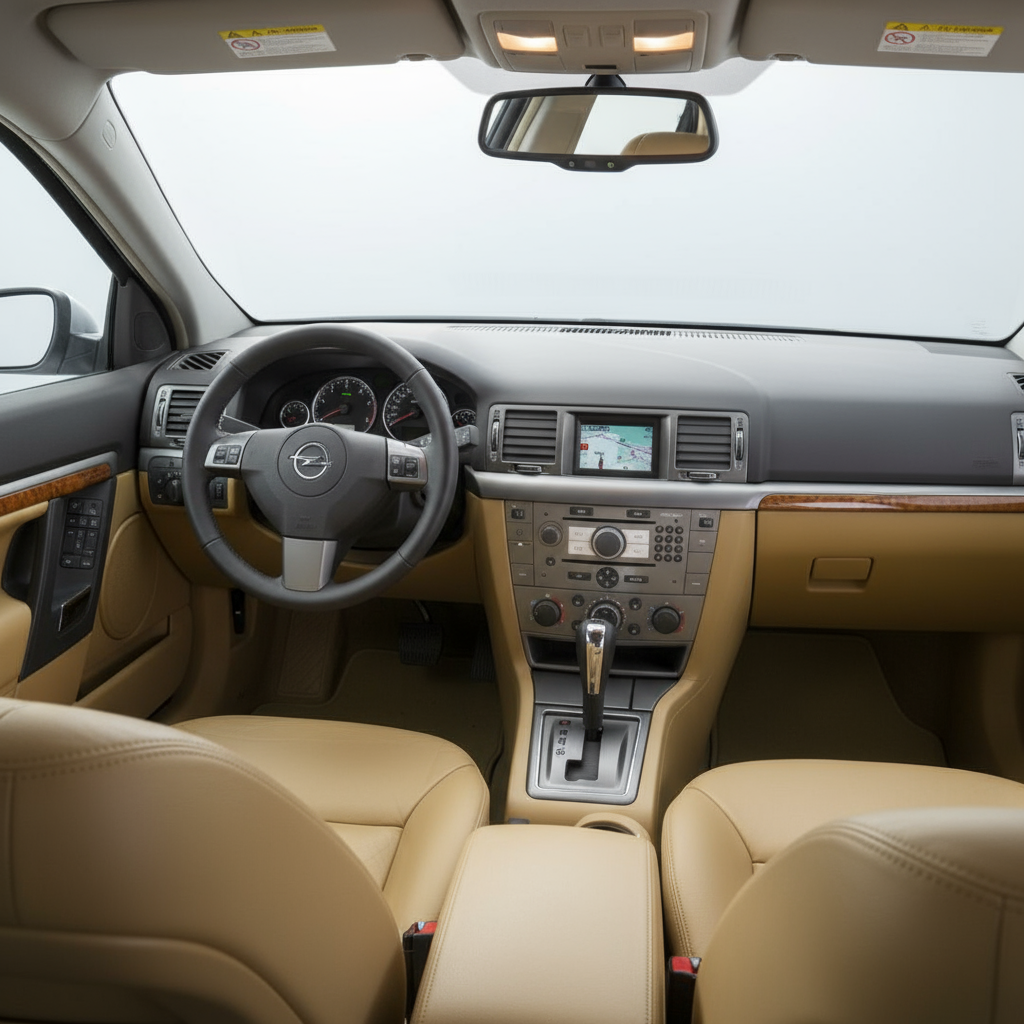
The design of the Opel Signum is, without a doubt, one of its most controversial and at the same time distinctive points. With a length of 4651 mm and a wheelbase of 2830 mm, it sits between a sedan and a station wagon, offering an unusual silhouette. Its 5 doors and a 365-liter trunk, expandable, make it practical, but its aesthetics do not seek aggressive sportiness, but rather functional elegance. The 17-inch wheels with 225/45 R17 tires give it a solid presence. The interior, although not groundbreaking, focuses on ergonomics and material quality, with a spacious cabin that prioritizes occupant comfort, especially in the rear seats, which offer interesting modularity.
Technology and features
In 2006, the Opel Signum 2.8 Turbo incorporated solid technology for its time. Its aluminum V6 engine with indirect injection, turbo, and intercooler was an example of engineering, offering good performance. The rack-and-pinion steering, although without speed-sensitive assistance, provided a good connection with the road. The 285 mm ventilated front disc brakes and 278 mm rear discs guaranteed effective braking. Although it did not stand out for cutting-edge electronic innovations, its standard equipment in the Cosmo version was complete, seeking to offer a safe and comfortable driving experience.
Competition
In its segment, the Opel Signum 2.8 Turbo faced rivals such as the Volkswagen Passat, the Ford Mondeo, or the Renault Laguna, although its body concept made it somewhat unique. Its focus on versatility and interior space, combined with a powerful engine, differentiated it from more traditional sedans. However, its polarizing design and market positioning made it an atypical competitor, seeking a niche of customers who valued originality and functionality over conventional aesthetics.
Conclusion
The 230 HP Opel Signum Cosmo 2.8 Turbo is a car that, despite its short commercial life, left its mark. It was not a bestseller, but its value proposition was clear: a spacious, powerful vehicle with a design that did not go unnoticed. For those looking for a car with character, capable of offering good performance and remarkable comfort on long journeys, the Signum 2.8 Turbo remains an interesting option in the used car market. It is a car that invites you to discover it, to appreciate its virtues beyond first impressions.