
Especificaciones y análisis del Opel Signum
Power
120HP
Torque
280Nm
Consumption
6l/100
Emissions
-g/km
0-100 km/h
12.2s
Top Speed
191km/h
Weight
1615kg
Price
23,950€
Technical summary
Gasóleo
Manual 6v
FWD
5 / 5 doors
365 L
60 L
88 kW
Current
Technical specifications
Engine
Capacities
Detailed analysis of the Opel Signum Design 1.9 CDTI 8V · 120 CV (2004-2005)
General description
The 2003 Opel Signum, in its Design 1.9 CDTI 8V version, was presented as a bold and different proposal in the mid-size sedan segment. With a focus on versatility and interior space, it sought to offer an alternative to more traditional models, combining the comfort of a family car with the elegance of a sedan. Its 120 hp diesel engine promised a balance between performance and efficiency, ideal for long journeys and daily use.
Driving experience
Behind the wheel of the Signum, the feeling is one of solidity and comfort. The 120 hp 1.9 CDTI engine, although not an outpouring of power, delivers its 280 Nm of torque at low revolutions, which translates into a pleasant and sufficient response for most situations. The 6-speed manual gearbox allows good control over power delivery and contributes to relaxed driving. The suspension, McPherson type at the front and deformable parallelogram at the rear, filters out road irregularities well, offering a smooth ride. In curves, the car is stable, although it is not a model designed for sporty driving. The speed-sensitive rack-and-pinion steering provides good assistance and precision. Overall, it is a car that invites calm and enjoyment of journeys, especially on the open road.
Design and aesthetics
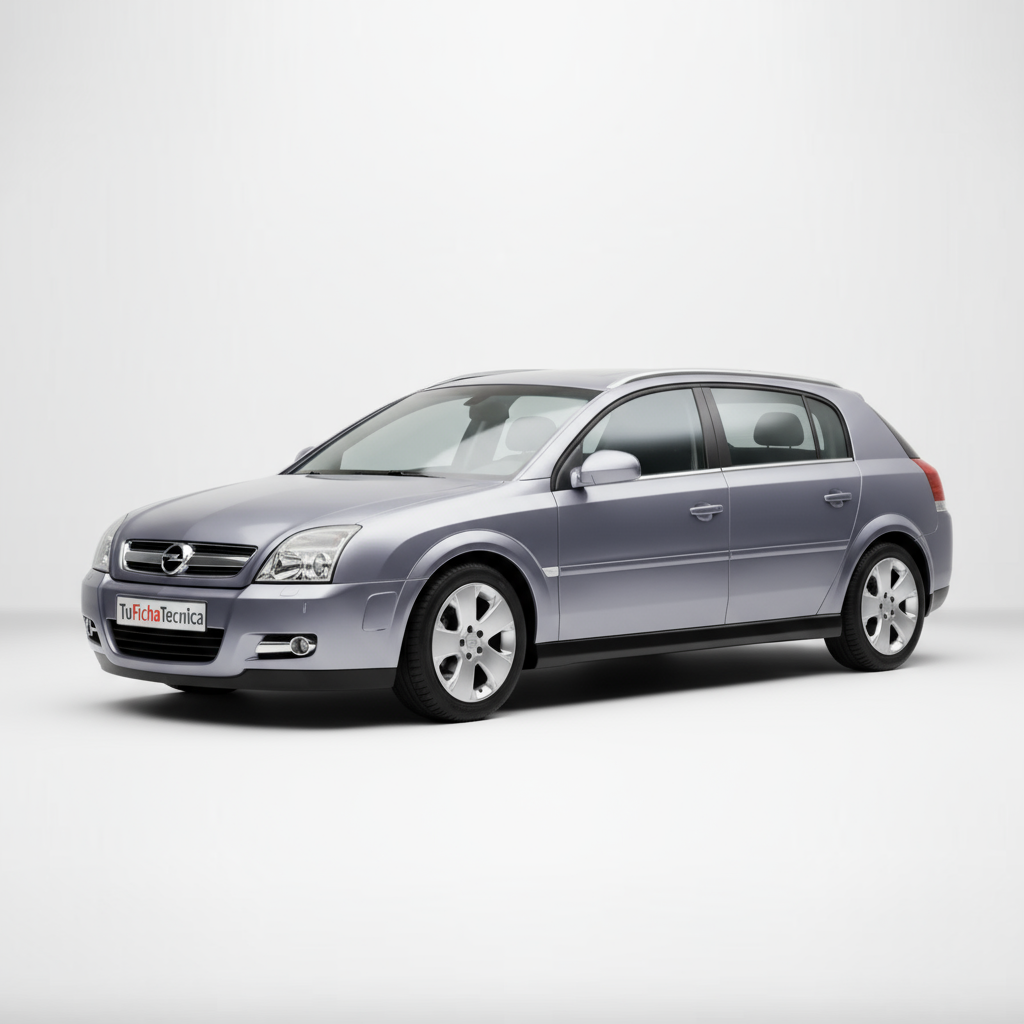
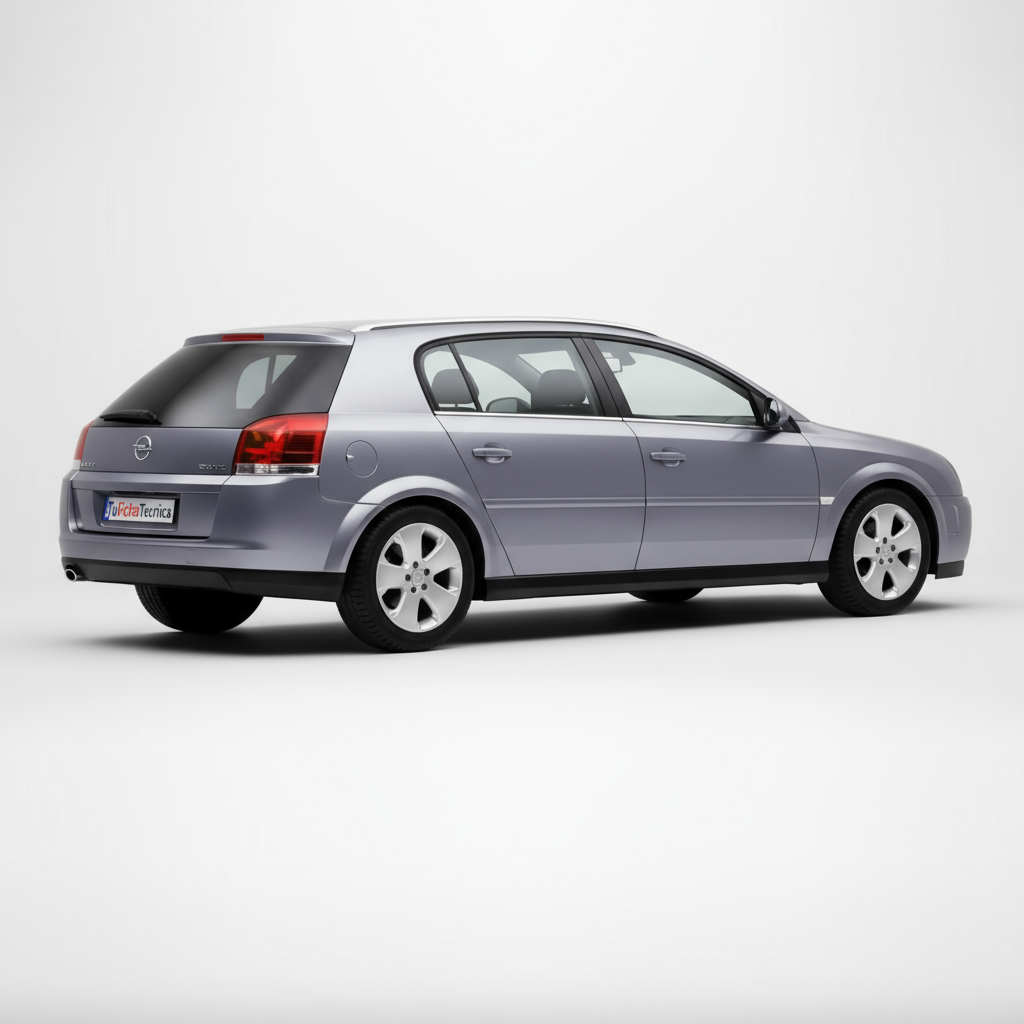
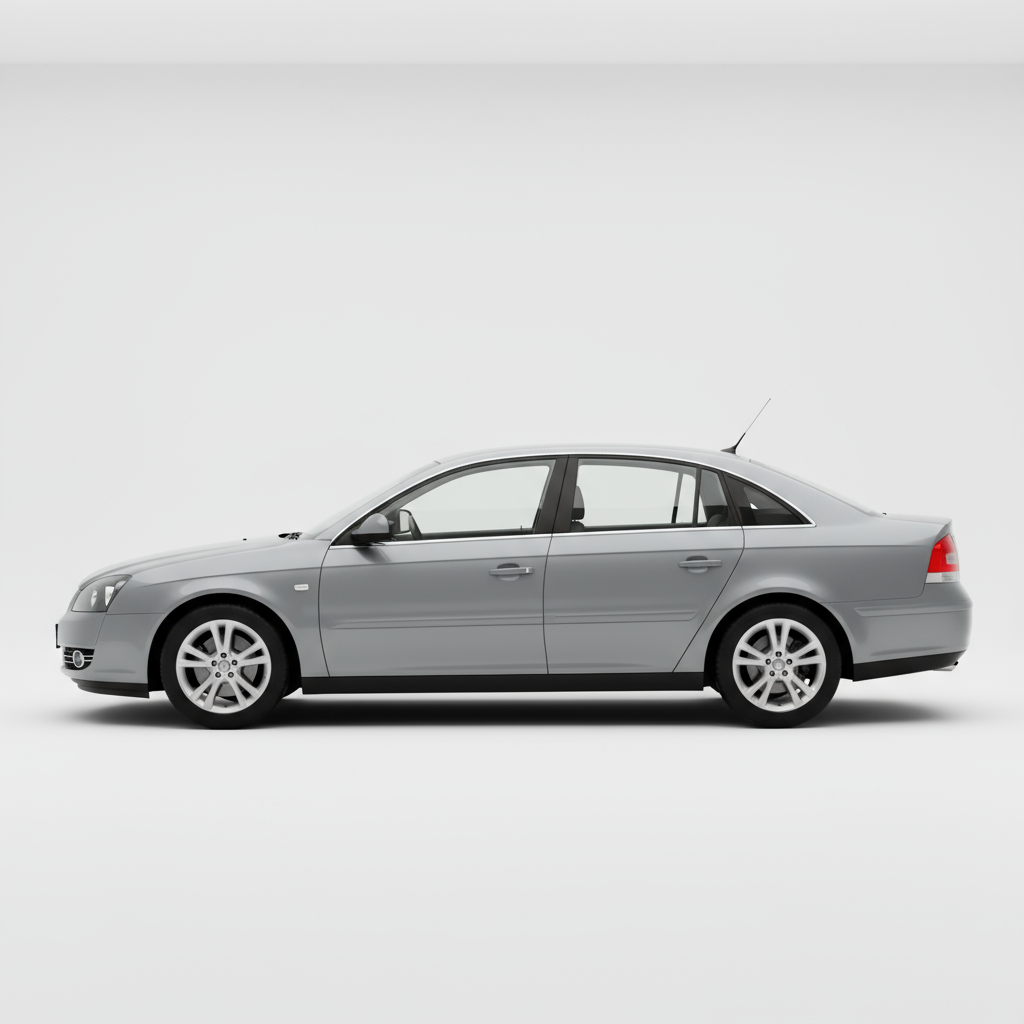
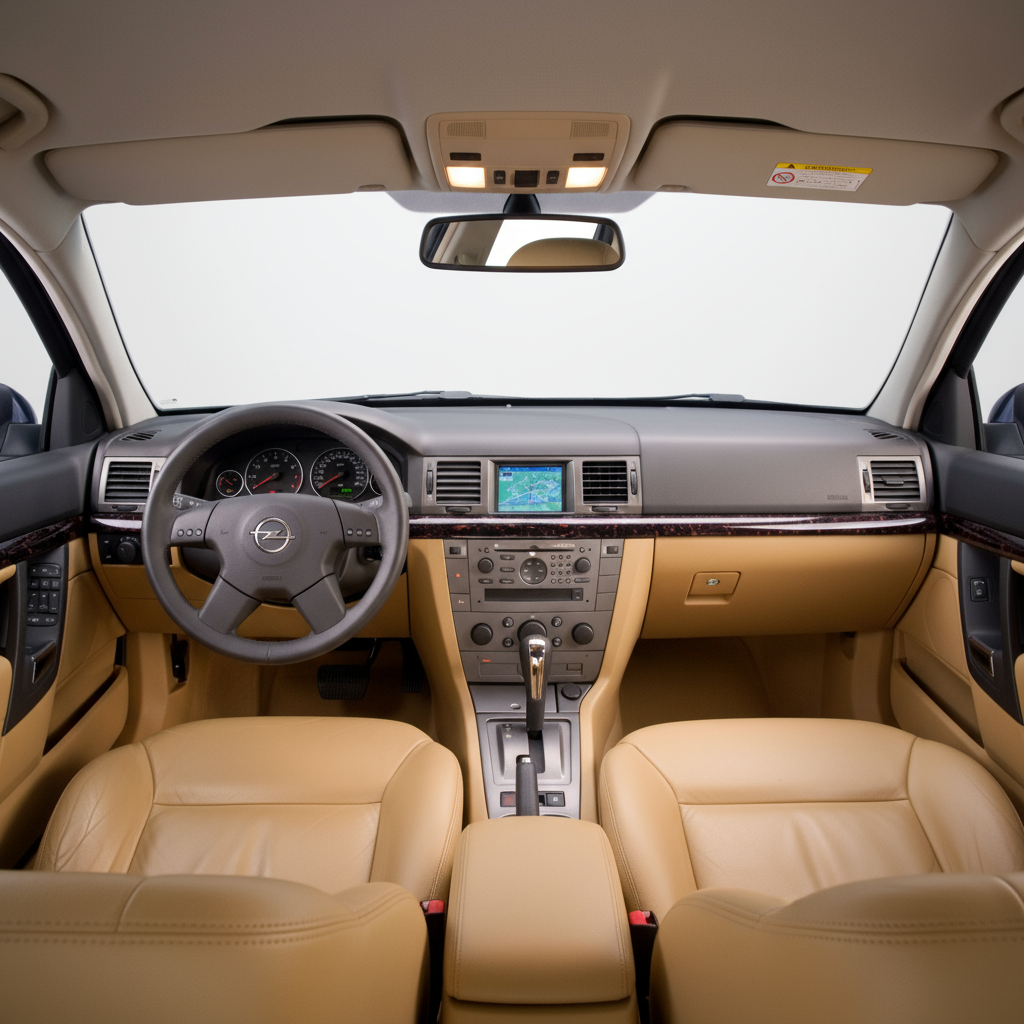
The design of the Opel Signum is, without a doubt, one of its most distinctive features. With a length of 4636 mm and a wheelbase of 2830 mm, its silhouette moves away from the conventional sedan to approach a concept closer to a 'large hatchback' or an 'avant-la-lettre crossover'. The five doors and the generous height of 1466 mm give it an imposing and functional presence. The front, with Opel's characteristic headlights of the time, and the rear, with a wide tailgate, reflect a search for practicality without sacrificing a modern and robust aesthetic. The interior, with its 5 seats and a 365-liter trunk, is designed to maximize space and modularity, with details that seek the comfort of the occupants.
Technology and features
In terms of technology, the 2003 Opel Signum Design 1.9 CDTI 8V incorporated advanced solutions for its time. The 1.9-liter diesel engine featured common rail direct injection, a variable geometry turbo, and an intercooler, which optimized combustion and power delivery. The 6-speed manual gearbox was a standard of efficiency. In terms of safety, it had ventilated disc brakes both front and rear, ensuring good braking capability. The speed-sensitive power steering improved maneuverability and stability at different speeds. Although advanced driving assistance systems are not specified, its equipment was up to expectations for its segment and year of manufacture.
Competition
The Opel Signum faced strong rivals in the mid-size sedan and family car segment, although its concept of a 'large five-door car' placed it in a particular niche. It competed with models such as the Volkswagen Passat Variant, the Ford Mondeo Wagon, the Renault Laguna Grandtour, or the Peugeot 407 SW. Compared to them, the Signum stood out for its interior modularity and its focus on the comfort of rear passengers, offering an alternative to those looking for something more than a traditional sedan but not wanting a minivan.
Conclusion
The 2003 Opel Signum Design 1.9 CDTI 8V was a car that tried to break the mold, offering a different proposal in the market. Its distinctive design, its focus on versatility and interior comfort, and an efficient diesel engine made it an interesting option for families or for those who valued space and comfort on long journeys. Although it was not a bestseller, it managed to earn a place among those looking for a practical and well-equipped car, with a touch of originality. It is a vehicle that, despite the years, still offers a good level of comfort and functionality.