
Especificaciones y análisis del Opel Omega
Power
120HP
Torque
280Nm
Consumption
7.1l/100
Emissions
-g/km
0-100 km/h
12.5s
Top Speed
195km/h
Weight
1670kg
Price
31,220€
Technical summary
Gasóleo
Manual 5v
RWD
5 / 4 doors
530 L
75 L
88 kW
Current
Technical specifications
Engine
Capacities
Detailed analysis of the Opel Omega Sedán Elegance 2.2 DTI · 120 CV (2001-2002)
General description
The 1996 Opel Omega Sedan Elegance 2.2 DTI is a vehicle that, despite its age, evokes a sense of robustness and reliability. With its 120 hp diesel engine, it presented itself as a sensible and comfortable option for those seeking a considerably sized sedan, ideal for long journeys and daily family use. Its price of €31,220 at the time positioned it in a competitive segment, offering a solid alternative to other models of the era.
Driving experience
Behind the wheel of the Omega, the predominant feeling is one of poise and comfort. The suspension, though not excessively soft, filters road irregularities well, providing a smooth ride. The 2.2 DTI engine, with its 120 hp and 280 Nm of torque from low revs, offers adequate response for most situations, although one should not expect blistering acceleration (12.5 seconds from 0 to 100 km/h). The 5-speed manual gearbox is precise, and the combined consumption of 7.1 l/100km made it an efficient travel companion for its size. The rack-and-pinion steering, while not the most communicative, performs its function competently, conveying confidence on the road.
Design and aesthetics
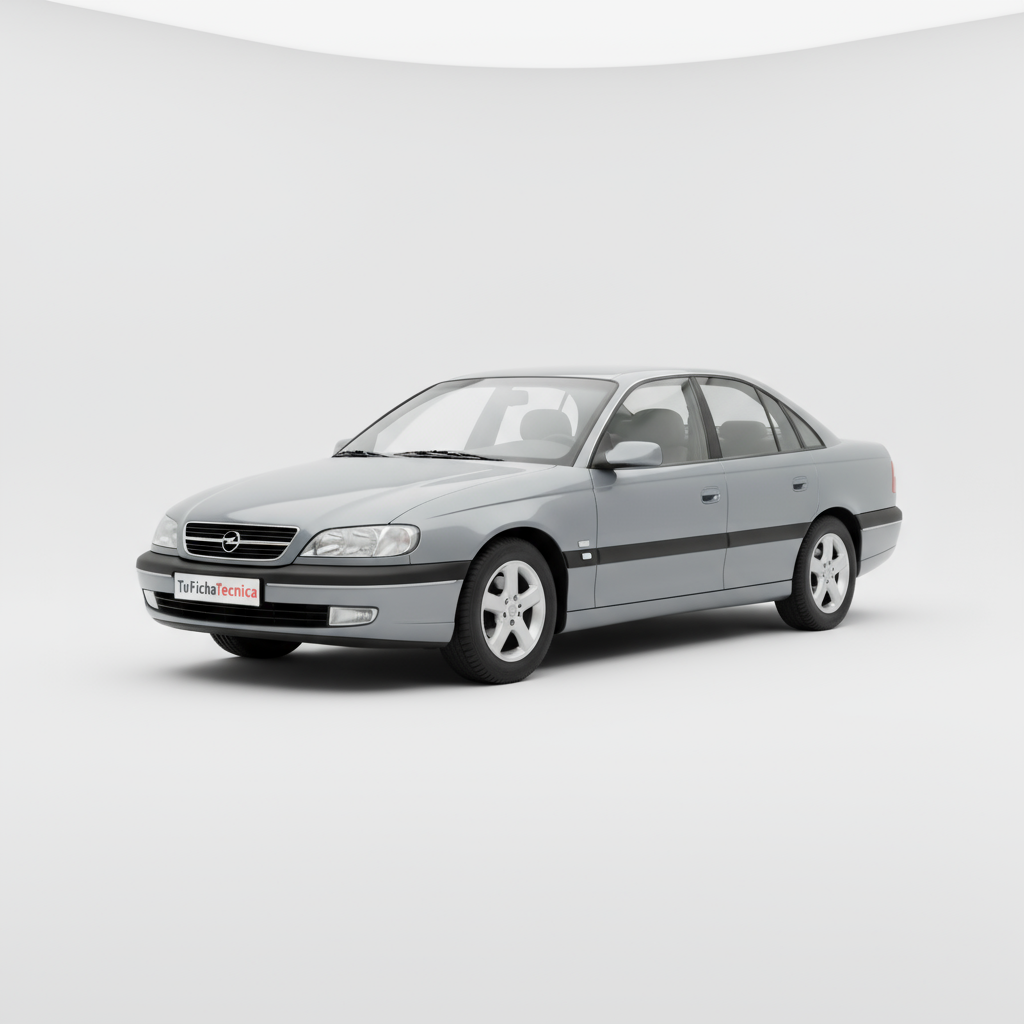
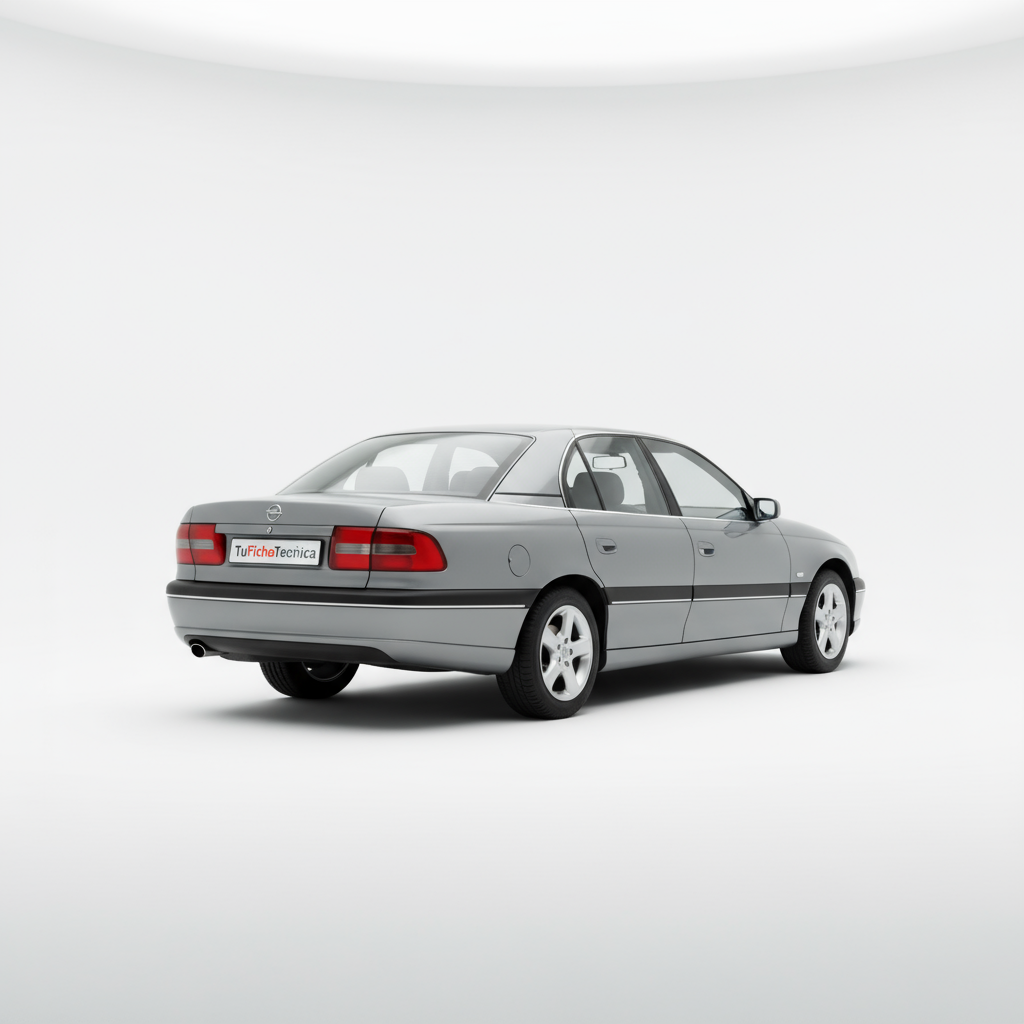
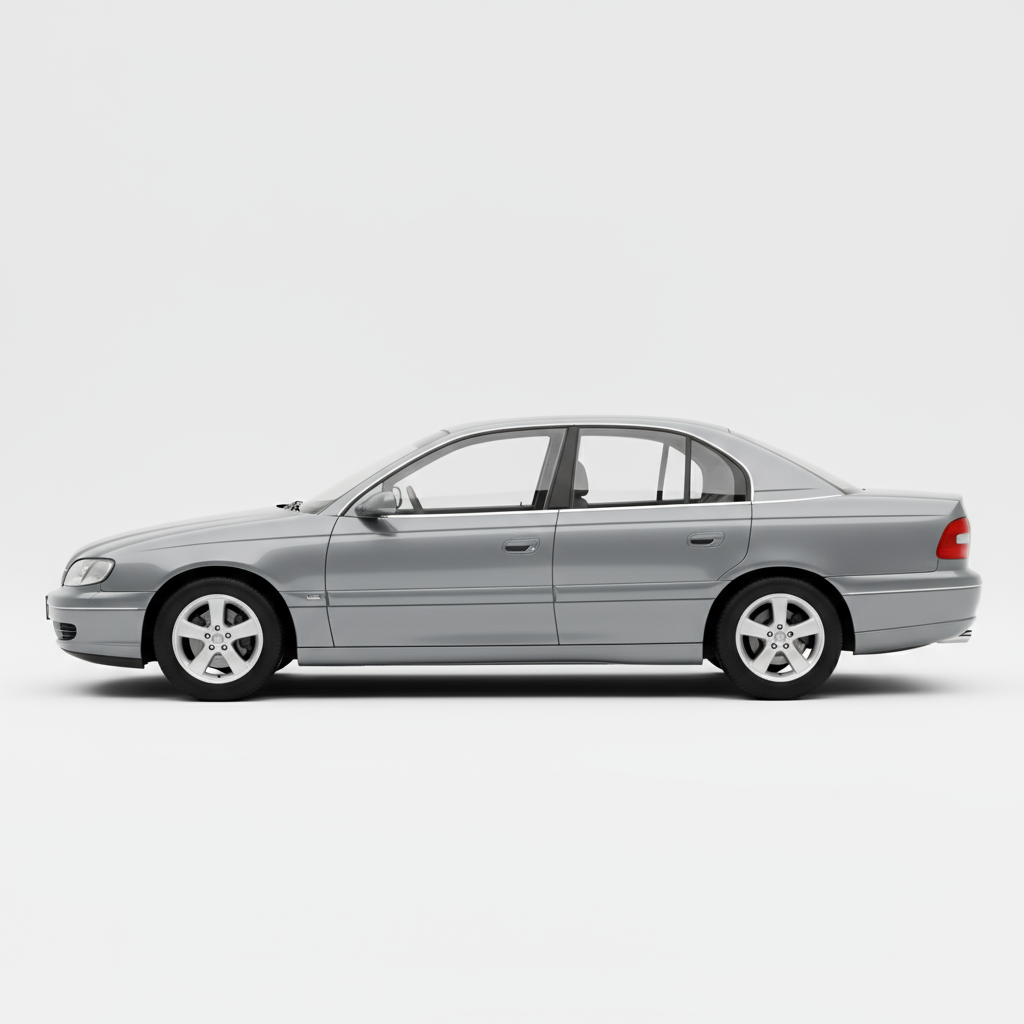
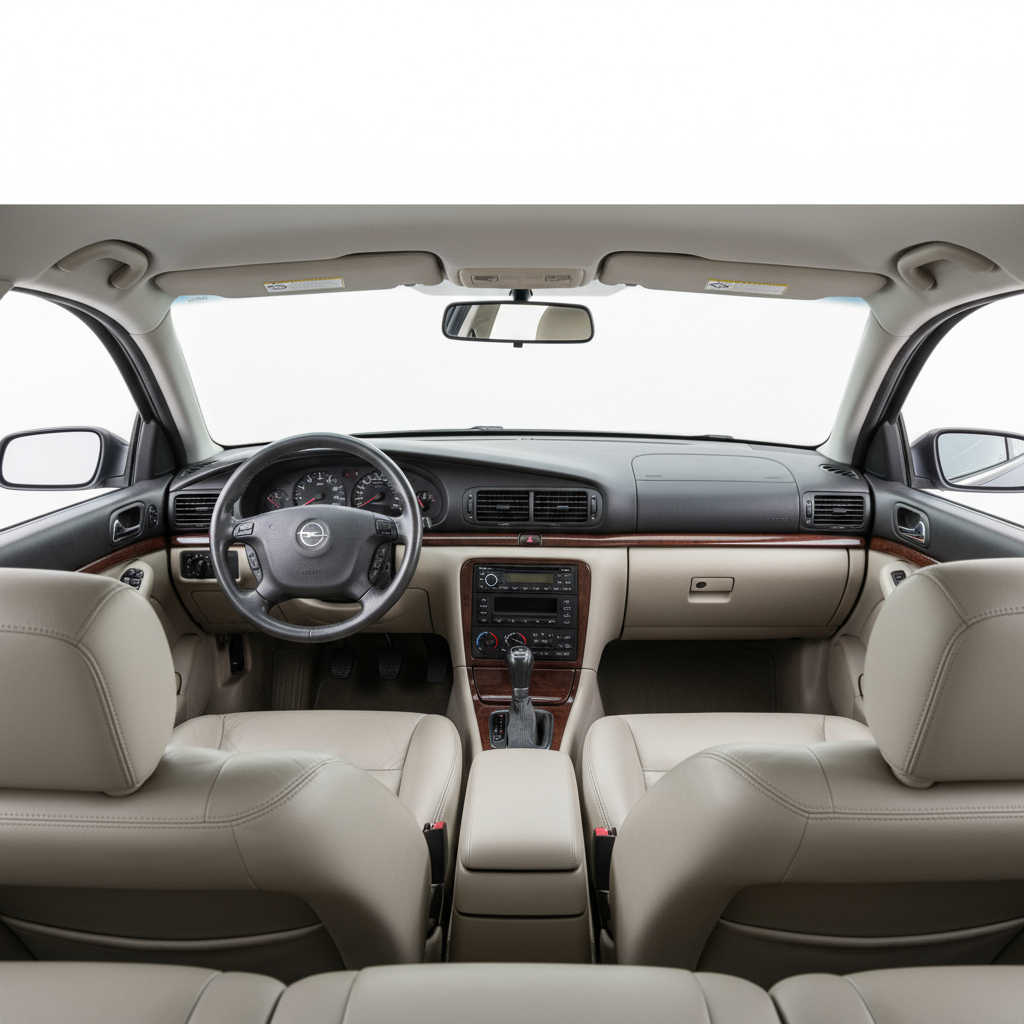
The design of the 1996 Opel Omega is a reflection of late 90s automotive aesthetics: sober, elegant, and functional lines. Its 4-door sedan body, with a length of almost 4.9 meters, gives it an imposing and classic presence. The front and rear headlights, simple yet effective in design, integrate harmoniously into the overall look. The interior, while not notable for excessive luxury, offers generous space and well-thought-out ergonomics, with materials that, while not premium, convey durability. It is a design that prioritizes functionality and timelessness over fleeting trends.
Technology and features
In its time, the Opel Omega 2.2 DTI incorporated technologies aimed at optimizing performance and efficiency. Its direct injection diesel engine with turbo, variable geometry, and intercooler was a significant advance for the era, offering a good balance between power and consumption. Rear-wheel drive, a feature many purists value, contributed to balanced driving dynamics. In terms of safety, it featured ventilated front disc brakes and rear discs, and anti-roll bars on both axles, elements that ensured good braking capability and stability. Although it lacked modern electronic aids, its mechanical configuration was solid and reliable.
Competition
In the mid-to-large sedan segment, the Opel Omega faced formidable competitors such as the Ford Scorpio, the BMW 5 Series (E39), or the Mercedes-Benz E-Class (W210). Compared to them, the Omega offered a more pragmatic and economical proposition, without sacrificing a good level of comfort and equipment. While it did not achieve the prestige or sportiness of its premium German rivals, its value for money and reliability made it a very attractive option for an audience seeking a spacious and durable car.
Conclusion
The 1996 Opel Omega Sedan Elegance 2.2 DTI is a car that, even today, remains a testament to late 20th-century German engineering. It is a vehicle that prioritizes comfort, spaciousness, and reliability, ideal for those looking for a modern classic with reasonable maintenance costs. Its diesel engine, while not a marvel of power, performs more than adequately for daily use and long journeys, offering good efficiency. It is a car that, without great fanfare, fulfills its function with dignity and competence, leaving a legacy of solidity and practicality.