
Especificaciones y análisis del Opel Omega
Power
131HP
Torque
250Nm
Consumption
7.7l/100
Emissions
-g/km
0-100 km/h
13s
Top Speed
195km/h
Weight
1768kg
Price
32,978€
Technical summary
Gasóleo
Manual 5v
RWD
5 / 5 doors
540 L
75 L
96 kW
Current
Technical specifications
Engine
Capacities
Detailed analysis of the Opel Omega Caravan Sport 2.5 TD · 131 CV (2000)
General description
The 1996 Opel Omega Caravan Sport 2.5 TD is a vehicle that evokes an era where functionality and comfort came together in a family format. With its 131 hp diesel engine, it promised long journeys with reasonable efficiency for its time, offering generous space for family and luggage. It was an option for those looking for a robust and reliable car, capable of tackling everyday life with solvency and without great sporting pretensions, but with a touch of distinction in its Sport trim.
Driving experience
Behind the wheel of the Omega Caravan Sport, the predominant sensation is one of solidity and poise. The 2.5-liter diesel engine, although not a powerhouse, delivers its 131 hp linearly and with a torque of 250 Nm at 2200 rpm, allowing it to move its 1768 kg with dignity. Acceleration from 0 to 100 km/h in 13 seconds and a top speed of 195 km/h do not make it a speed demon, but it is a capable travel companion for comfortable cruising. The McPherson-type front suspension filters irregularities well, and the rack-and-pinion steering offers adequate response for a car of its size. Rear-wheel drive contributes to a more classic and balanced driving feel, especially on the open road. The combined consumption of 7.7 l/100km was competitive for the time, making long journeys a less expensive experience.
Design and aesthetics
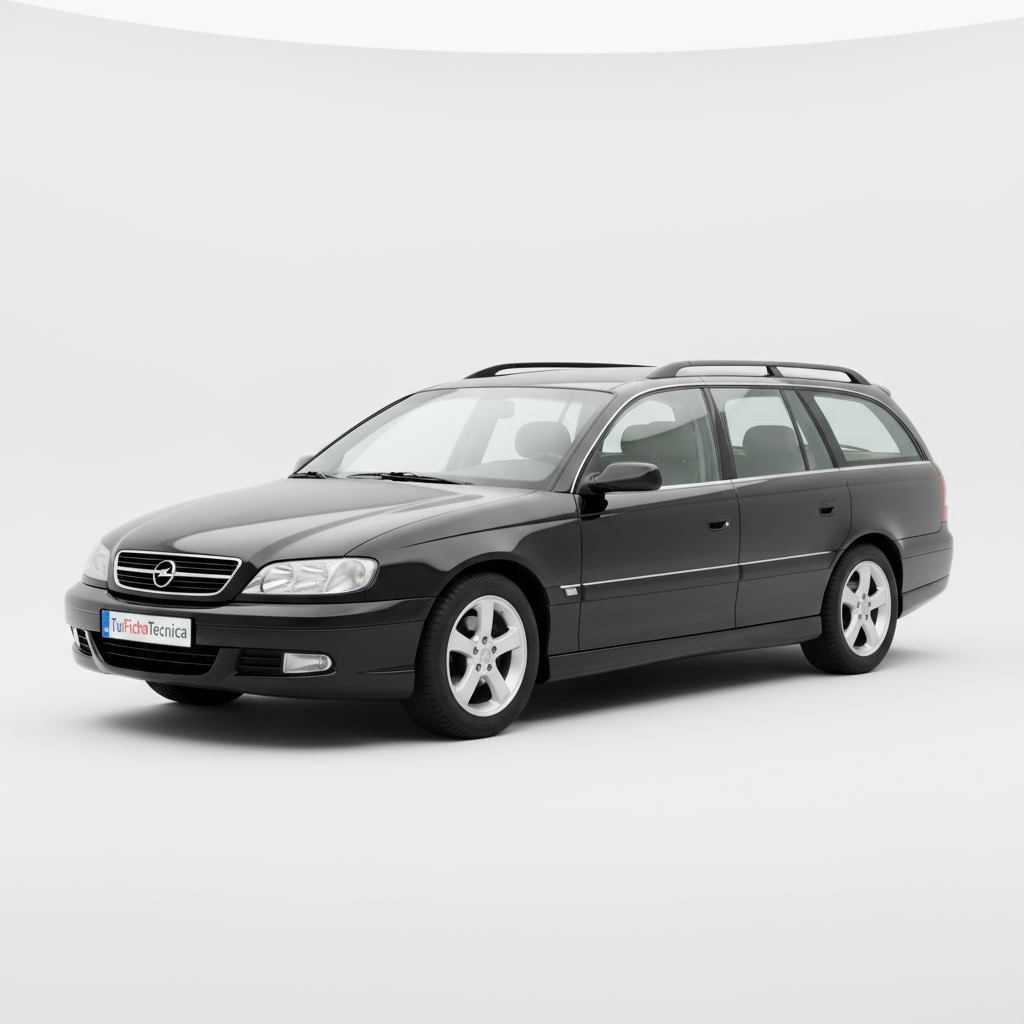
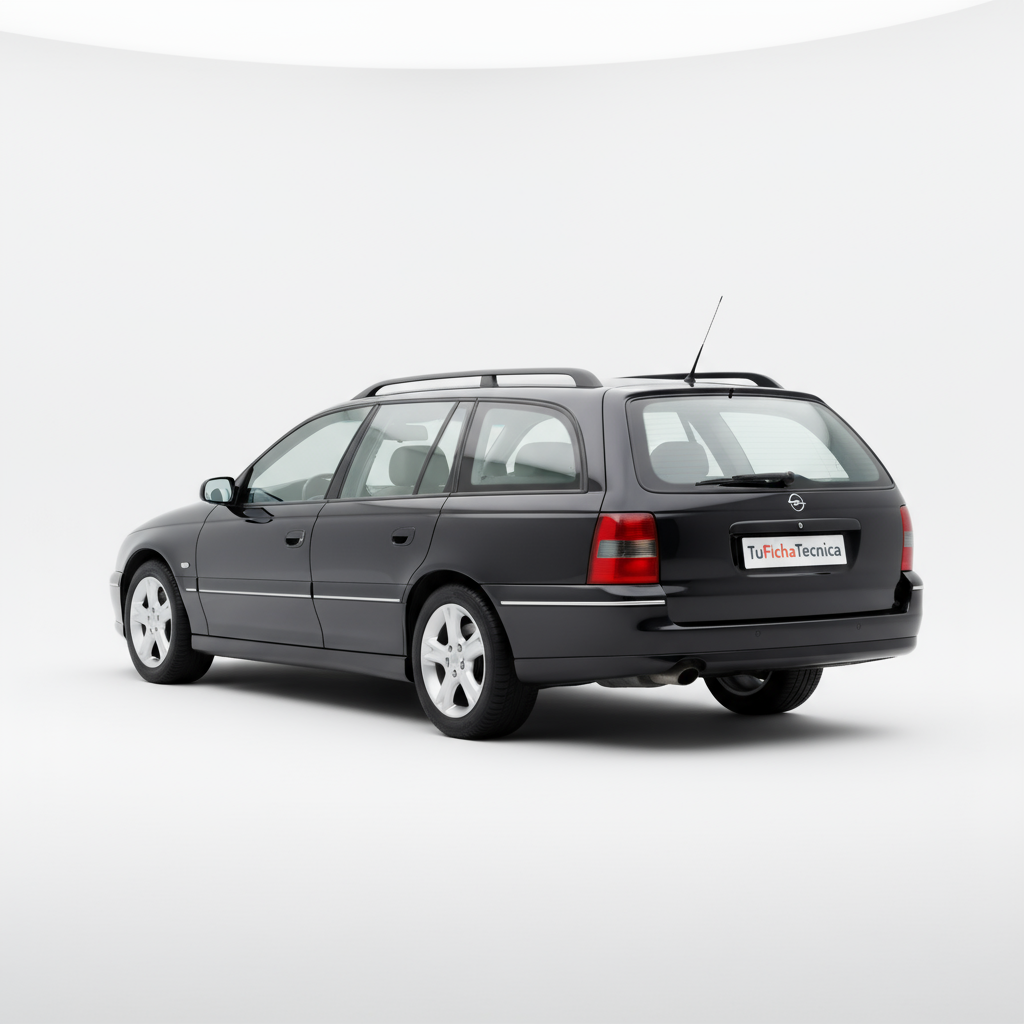
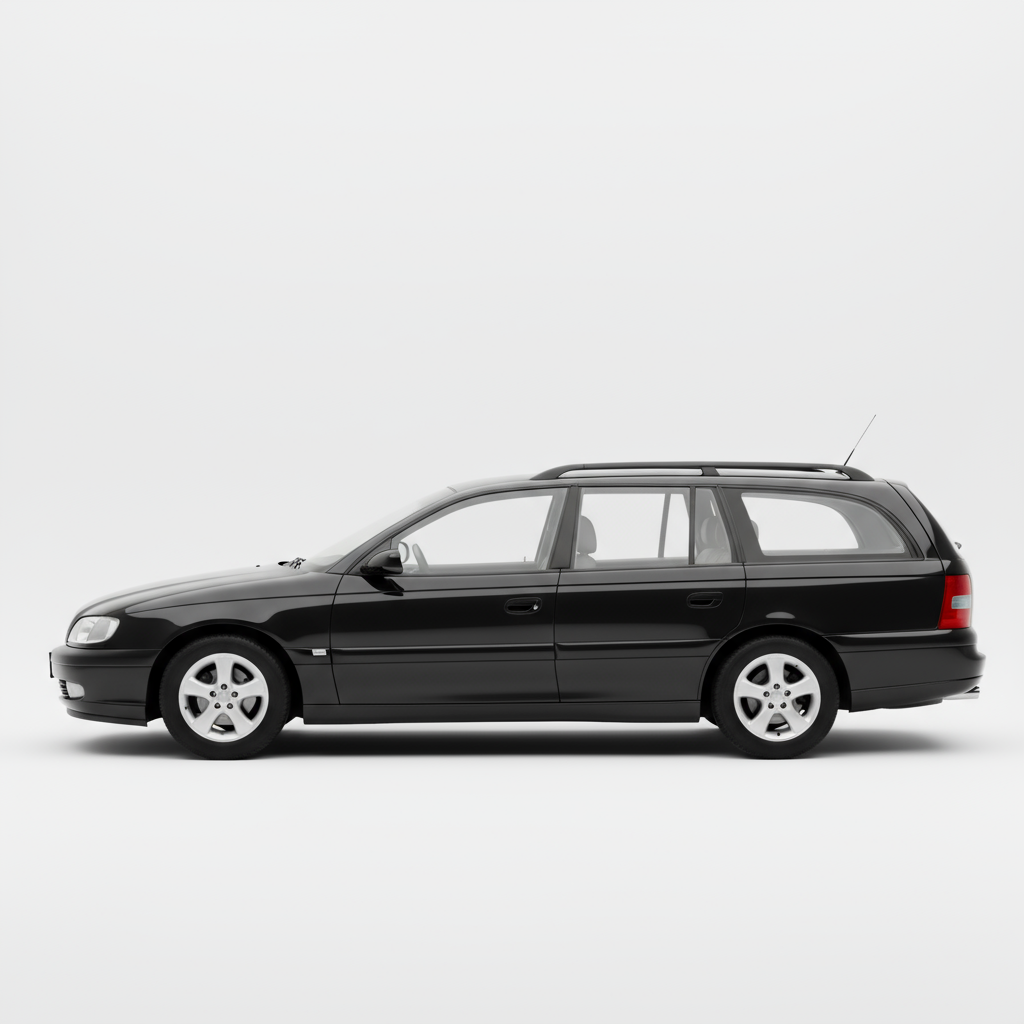
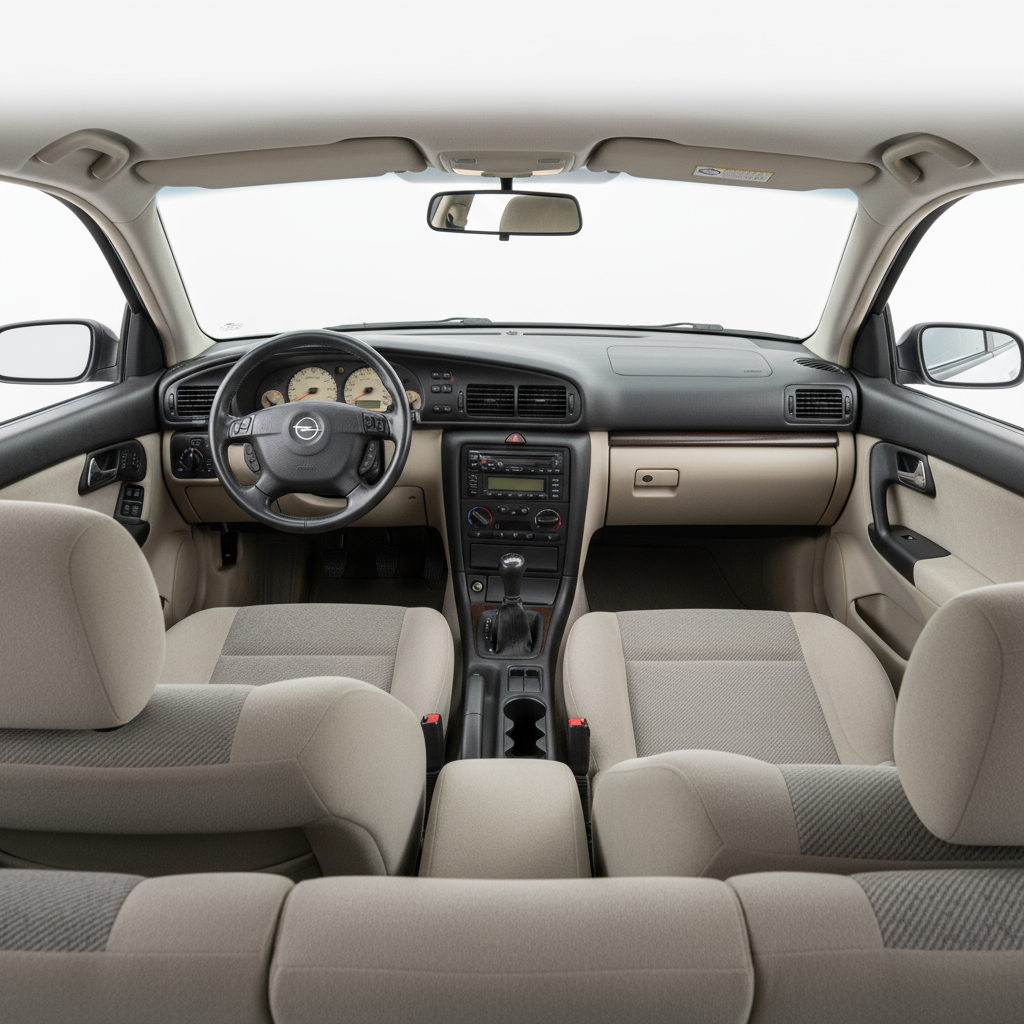
The design of the 1996 Opel Omega Caravan Sport is a reflection of late 90s automotive aesthetics: soft lines but with an imposing presence. Its family, or 'Caravan', body extends 4898 mm in length, offering an elegant and functional silhouette. The width of 1776 mm and height of 1505 mm give it a robust stance. The 'Sport' trim was hinted at with details that, without being flashy, gave it a more dynamic air, such as the 17-inch wheels with 235/45 R17 tires. The interior, although not detailed, was expected to be spacious and comfortable, with a 540-liter trunk that made it a perfect ally for families or those needing large cargo capacity. It is a design that, over time, has acquired a certain retro charm, evoking an era of family cars with character.
Technology and features
In 1996, the Opel Omega Caravan Sport 2.5 TD incorporated technologies that were considered advanced for its segment. Its 6-cylinder, 2497 cc diesel engine featured indirect injection, turbo, and intercooler, key elements for optimizing combustion and performance. The 5-speed manual transmission was the norm, offering direct control over power delivery. In terms of safety and comfort, although not all details are specified, elements such as 296 mm ventilated front disc brakes and 286 mm rear discs, as well as anti-roll bars on both axles to improve stability, were expected. The rack-and-pinion steering, although without variable speed assistance, provided predictable response. It was a car that, without being a showcase of the latest technology, offered proven and efficient solutions for its time.
Competition
At the time, the Opel Omega Caravan Sport 2.5 TD faced solid competition in the diesel family sedan segment. Its main rivals included models such as the Mercedes-Benz E-Class Estate, the BMW 5 Series Touring, and the Audi A6 Avant. These vehicles offered similar features in terms of space, comfort, and diesel engines, although each with its own focus on luxury, sportiness, or sobriety. The Omega positioned itself as a more accessible alternative, but without sacrificing quality and robustness, seeking a balance between cost and performance, which made it attractive to an audience that valued practicality and reliability over brand prestige.
Conclusion
The 1996 Opel Omega Caravan Sport 2.5 TD is a testament to an era where family cars were synonymous with space, comfort, and durability. With its 131 hp diesel engine, it offered adequate performance for long journeys and daily use, with moderate consumption for its size and weight. Its design, though classic, remains functional and with a touch of elegance. It was a car designed for family life, capable of transporting its occupants and their luggage with comfort and safety. Today, it represents an interesting option for lovers of modern classics looking for a spacious vehicle with relatively simple maintenance, a car that more than fulfilled its purpose and can still offer much satisfaction.