
Especificaciones y análisis del Opel Omega
Power
131HP
Torque
250Nm
Consumption
8.1l/100
Emissions
-g/km
0-100 km/h
13s
Top Speed
195km/h
Weight
1735kg
Price
33,428€
Technical summary
Gasóleo
Manual 5v
RWD
5 / 5 doors
540 L
75 L
96 kW
Current
Technical specifications
Engine
Capacities
Detailed analysis of the Opel Omega Caravan Sport 2.5 TD · 131 CV (2000-2001)
General description
The 1996 Opel Omega Caravan Sport 2.5 TD is a vehicle that evokes an era where functionality and comfort came together in a family format. With its Caravan body, this Omega offered generous space and an imposing presence on the road, ideal for those looking for a versatile car capable of tackling long journeys with ease. Its diesel engine, although not the most powerful, promised reasonable efficiency for its size and weight, making it an interesting option for families of the time.
Driving experience
Behind the wheel of the Opel Omega Caravan Sport 2.5 TD, the predominant sensation is one of solidity and composure. The steering, although not excessively communicative, offers good assistance and allows the car to be guided with ease. The comfort-oriented suspension effectively filters out road irregularities, providing a smooth and relaxed ride. The 131 hp diesel engine, with its turbo and intercooler, delivers its power progressively, without great fanfare but with enough thrust to move the assembly with dignity. Recoveries are adequate for a car of its category and era, and the five-speed manual gearbox allows precise control over power delivery. Overall, it is a car that invites calm and enjoyment of the journey, without haste but with the certainty of arriving at your destination comfortably.
Design and aesthetics
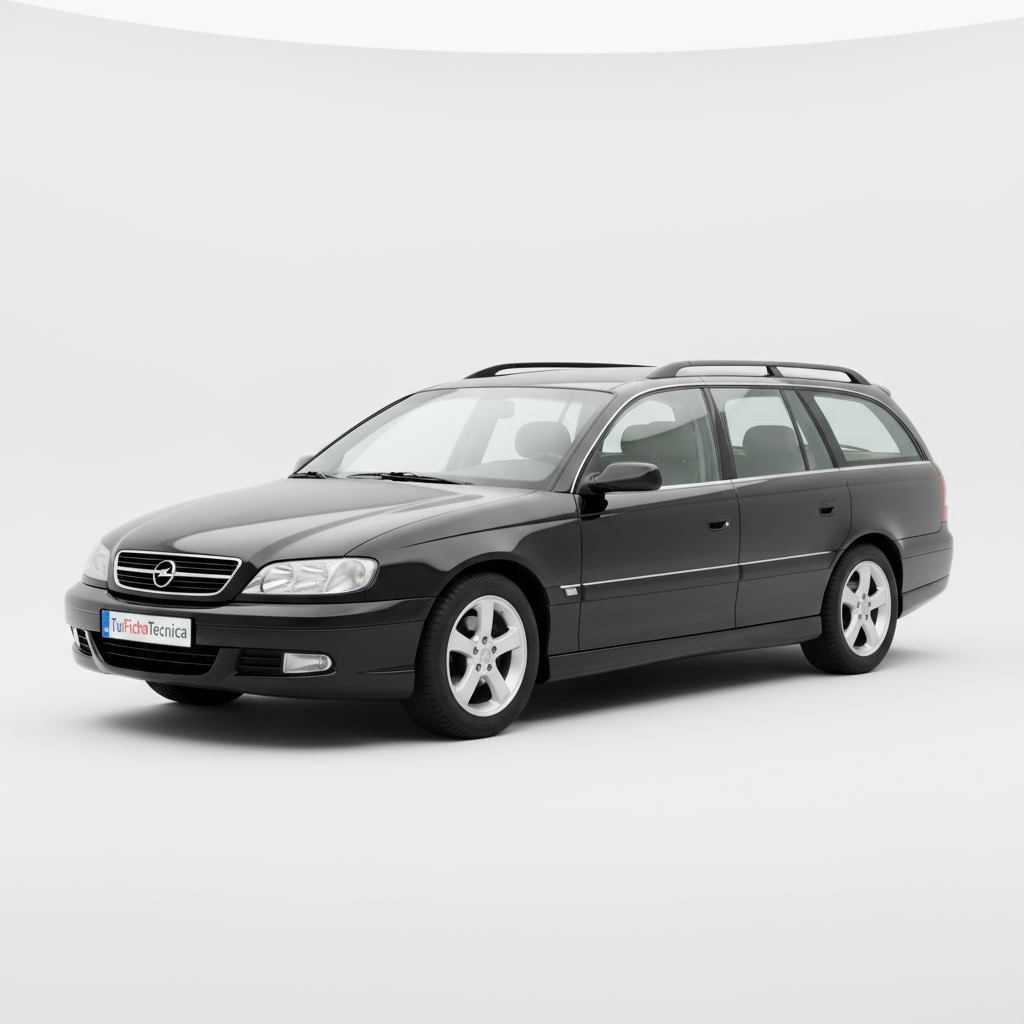
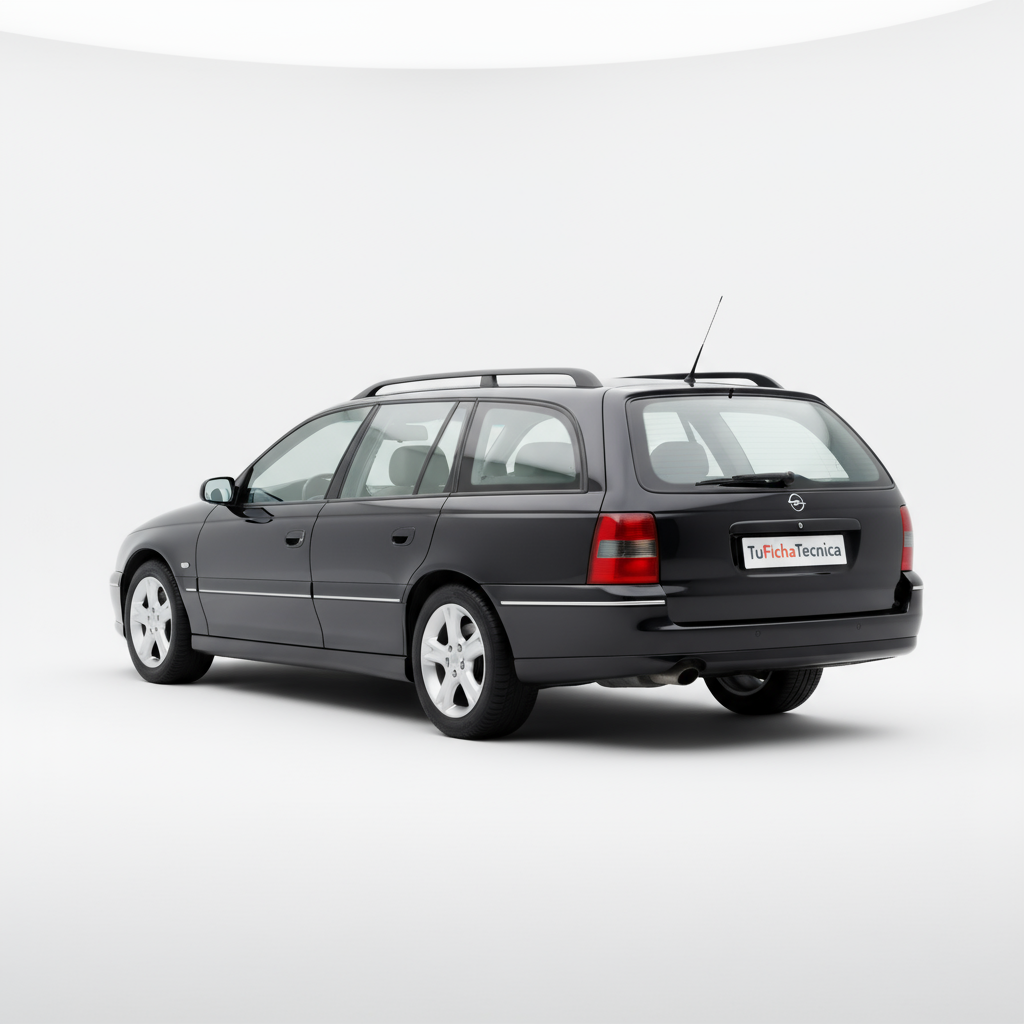
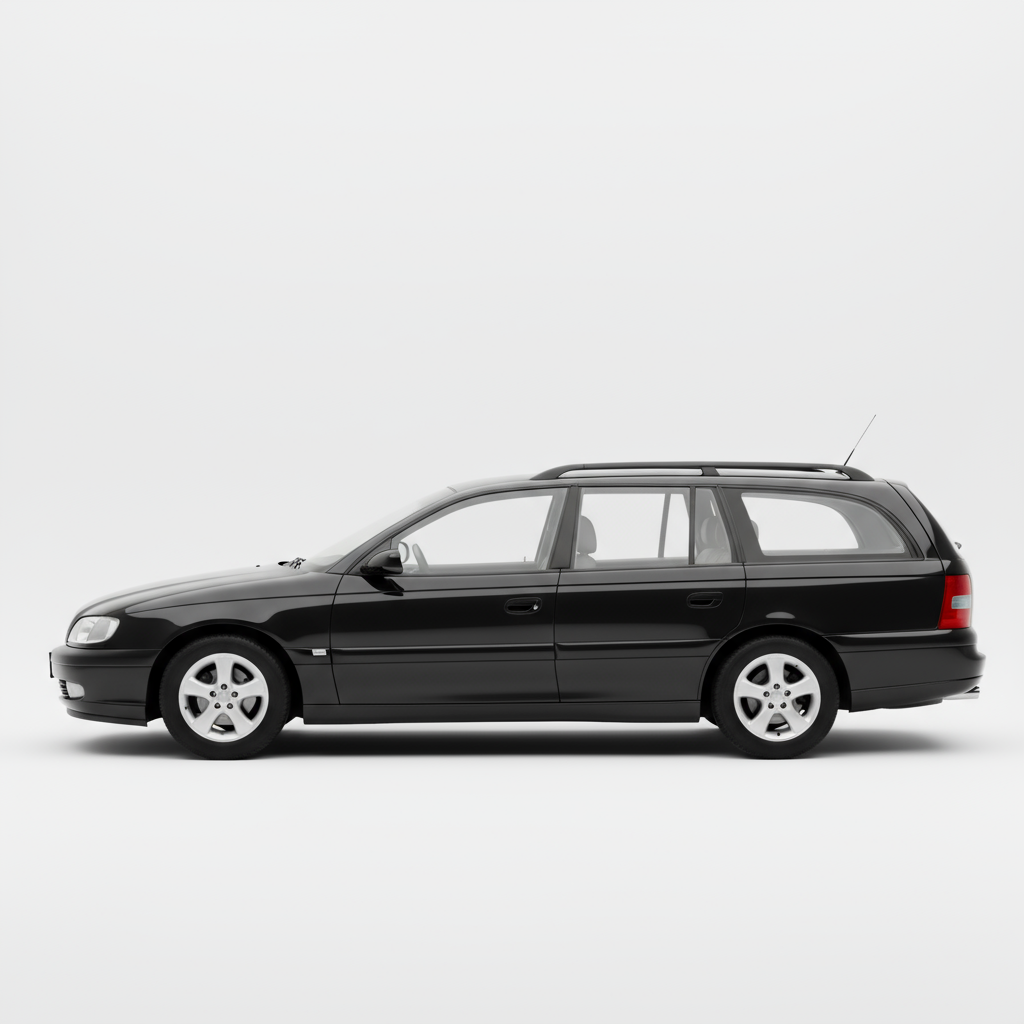
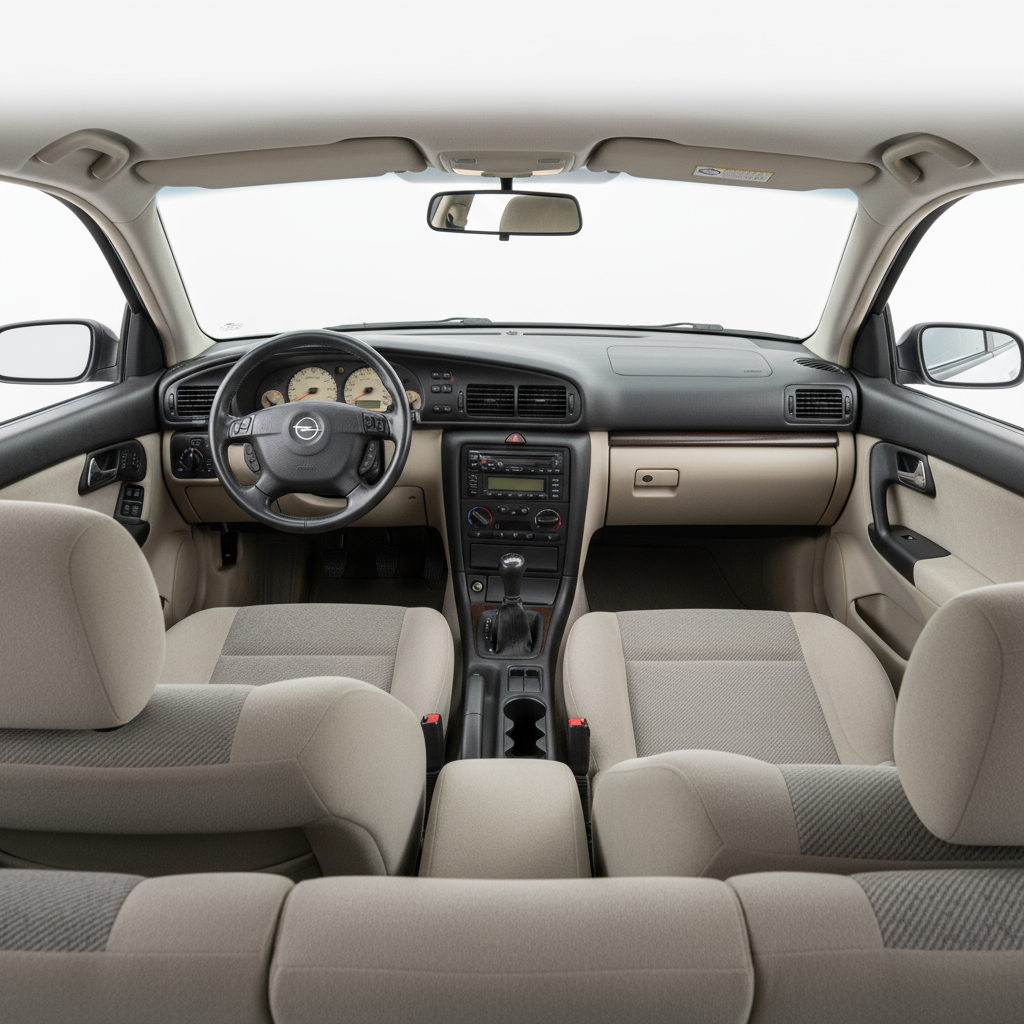
The design of the 1996 Opel Omega Caravan Sport is a reflection of the automotive aesthetic of the late 90s. Its lines are robust and functional, with a clear orientation towards practicality. The family body, or Caravan, integrates harmoniously with the front, which features a characteristic Opel grille and large headlights. The 17-inch wheels, with 235/45 R17 tires, give it a sporty touch and a more forceful presence. The interior, although sober, is designed to be ergonomic and spacious, with materials that, although not luxurious, convey durability. Ample space is one of its greatest virtues, both in the front and rear seats, and the 540-liter trunk is a clear example of its family focus.
Technology and features
In terms of technology, the 1996 Opel Omega Caravan Sport 2.5 TD incorporated solutions typical of its time. Its 2.5-liter diesel engine, with indirect injection, turbo, and intercooler, represented an efficient and powerful option for the era. Rear-wheel drive (RWD) and the 5-speed manual transmission offered a traditional and direct driving experience. In terms of safety, it had ventilated disc brakes on both axles, which guaranteed good braking capacity. The rack-and-pinion steering, although without speed-sensitive assistance, provided adequate control. While it did not have the advanced driving aids of modern vehicles, its technology was aimed at offering reliable performance and a safe and comfortable driving experience.
Competition
In its segment, the Opel Omega Caravan Sport 2.5 TD competed with other mid-to-large family cars of the era. Among its main rivals were models such as the Ford Scorpio Turnier, the Volkswagen Passat Variant, the BMW 5 Series Touring, and the Mercedes-Benz E-Class Estate. Each of them offered their own virtues, whether in terms of luxury, sportiness, or practicality. The Omega positioned itself as a balanced option, offering a good compromise between space, comfort, and an efficient diesel engine, at a competitive price for its category.
Conclusion
The 1996 Opel Omega Caravan Sport 2.5 TD is a car that, despite the passage of time, remains an example of German engineering oriented towards functionality and durability. Its ample interior space, robust diesel engine, and comfortable ride make it an interesting option for those looking for a classic family car with a touch of distinction. It is a vehicle that invites nostalgia, recalling an era where cars were designed to last and to offer a driving experience more connected to the road. A car that, without a doubt, left its mark on the automotive landscape of the late 20th century.