
Especificaciones y análisis del Opel Frontera
Power
145HP
Torque
55Nm
Consumption
5.3l/100
Emissions
119g/km
0-100 km/h
9.1s
Top Speed
194km/h
Weight
1344kg
Price
27,600€
Technical summary
Híbrido
Automático 6v
FWD
5 / 5 doors
460 L
44 L
21 kW
Current
Technical specifications
Engine
Capacities
Detailed analysis of the Opel Frontera Hybrid 145 GS · 145 CV (2025)
General description
The 2025 Opel Frontera Hybrid 145 GS arrives to redefine the driving experience in the compact SUV segment. Priced at €27,600, this hybrid model presents itself as an attractive and efficient option, combining the versatility of an SUV with the ecological awareness of an electrified powertrain. Its robust and modern design, along with technology designed for everyday use, positions it as a serious contender in the current market.
Driving experience
Behind the wheel of the Opel Frontera Hybrid 145 GS, the sensation is one of agility and comfort. Its 29 hp hybrid engine, while not aiming for extreme sportiness, offers a smooth and sufficient response for most urban and road situations. The 6-speed automatic transmission contributes to relaxed driving, while electric power steering facilitates maneuvers. The suspension, McPherson type at the front and torsion beam at the rear, effectively filters out road irregularities, providing a pleasant ride for all occupants. Acceleration from 0 to 100 km/h in 9.1 seconds is adequate for its segment, and a top speed of 194 km/h ensures capability on fast roads. The combined consumption of 5.3 l/100km is a strong point, reflecting the efficiency of its hybrid system.
Design and aesthetics
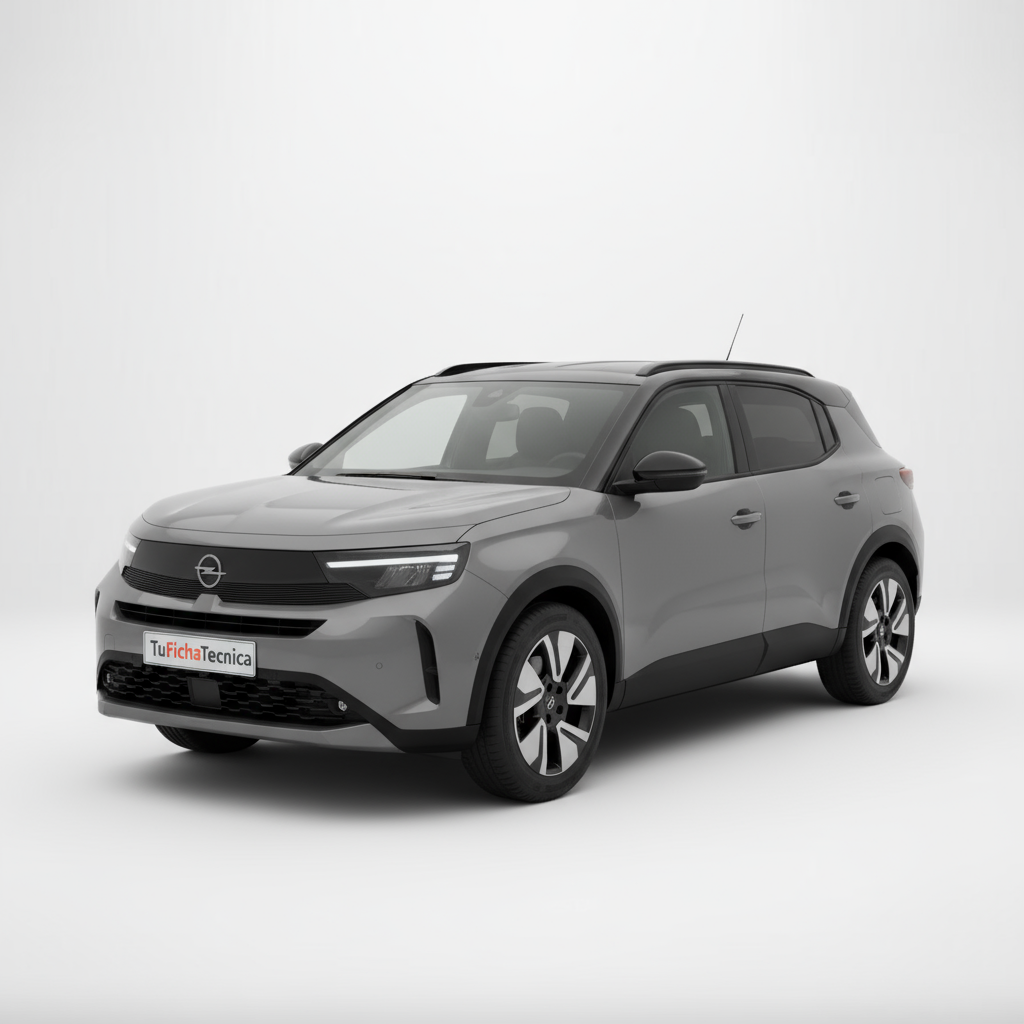
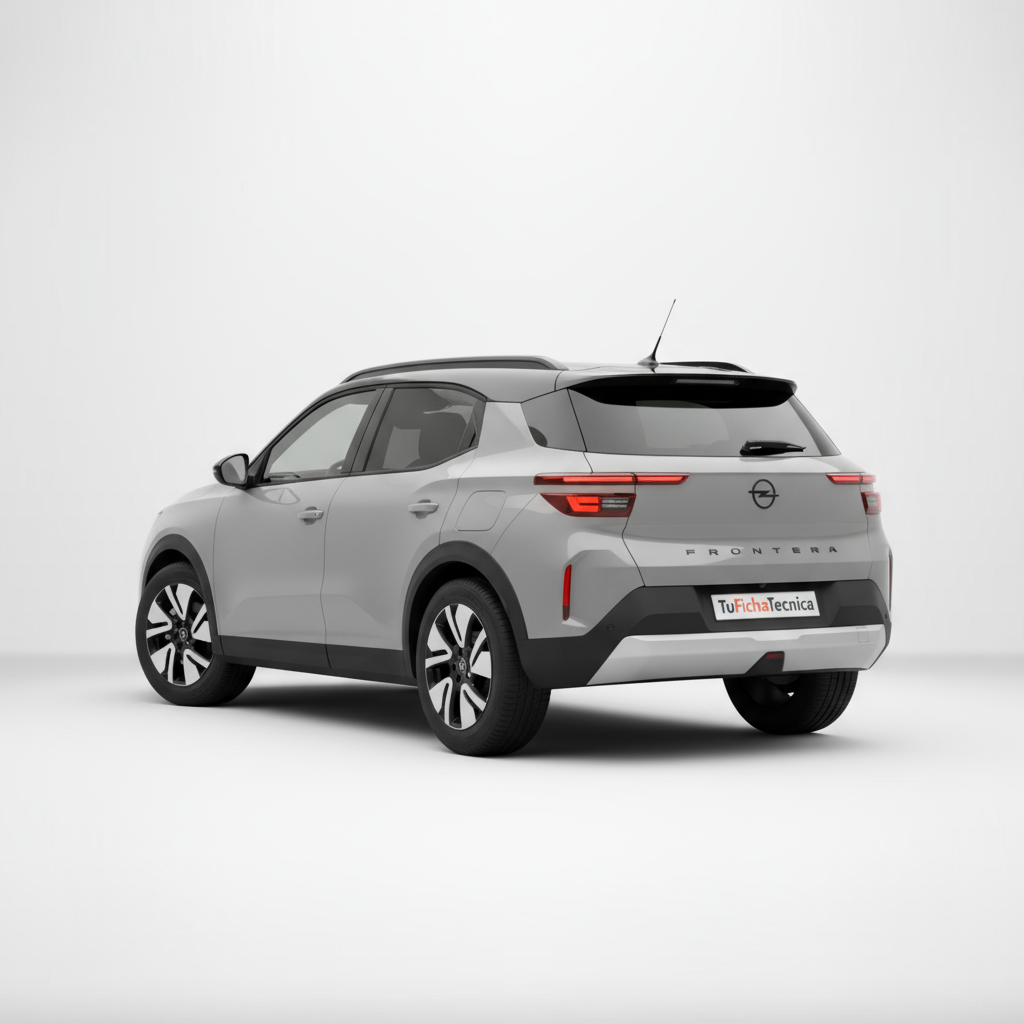
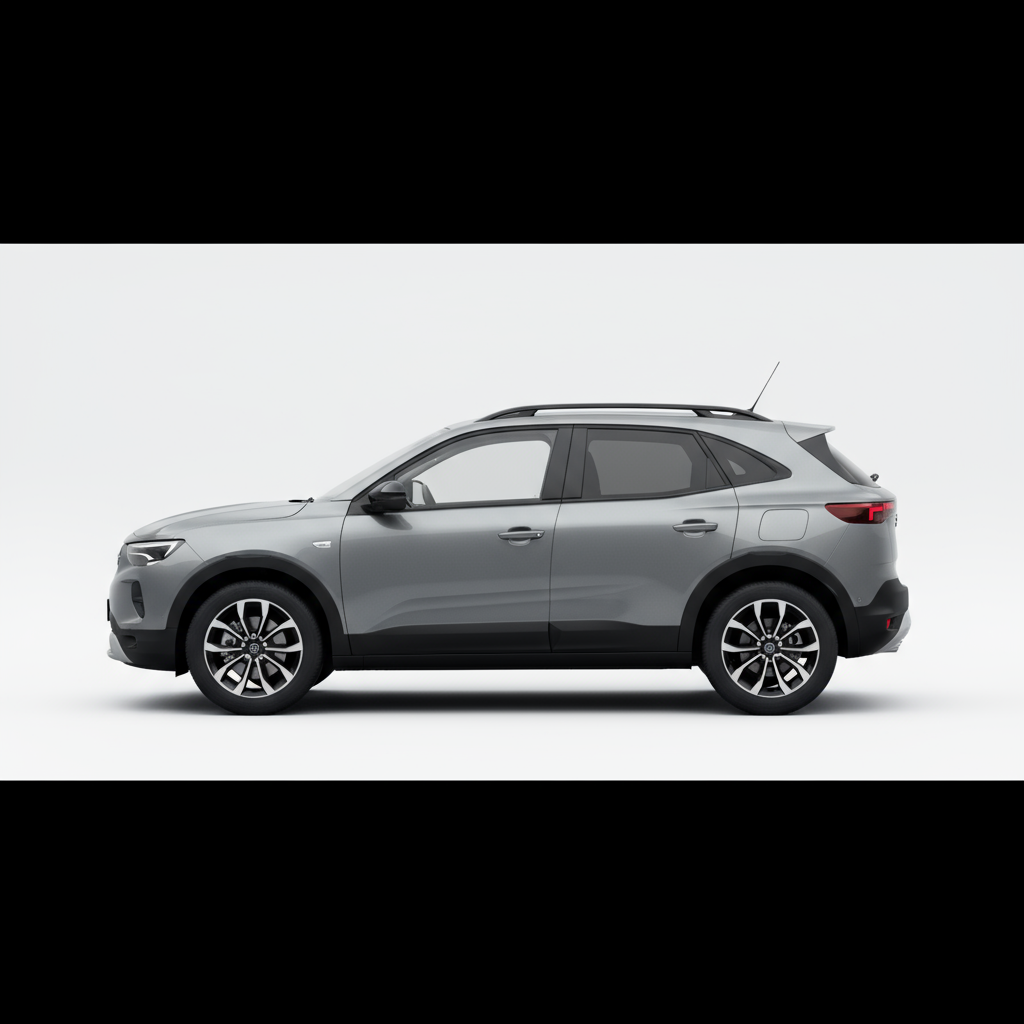
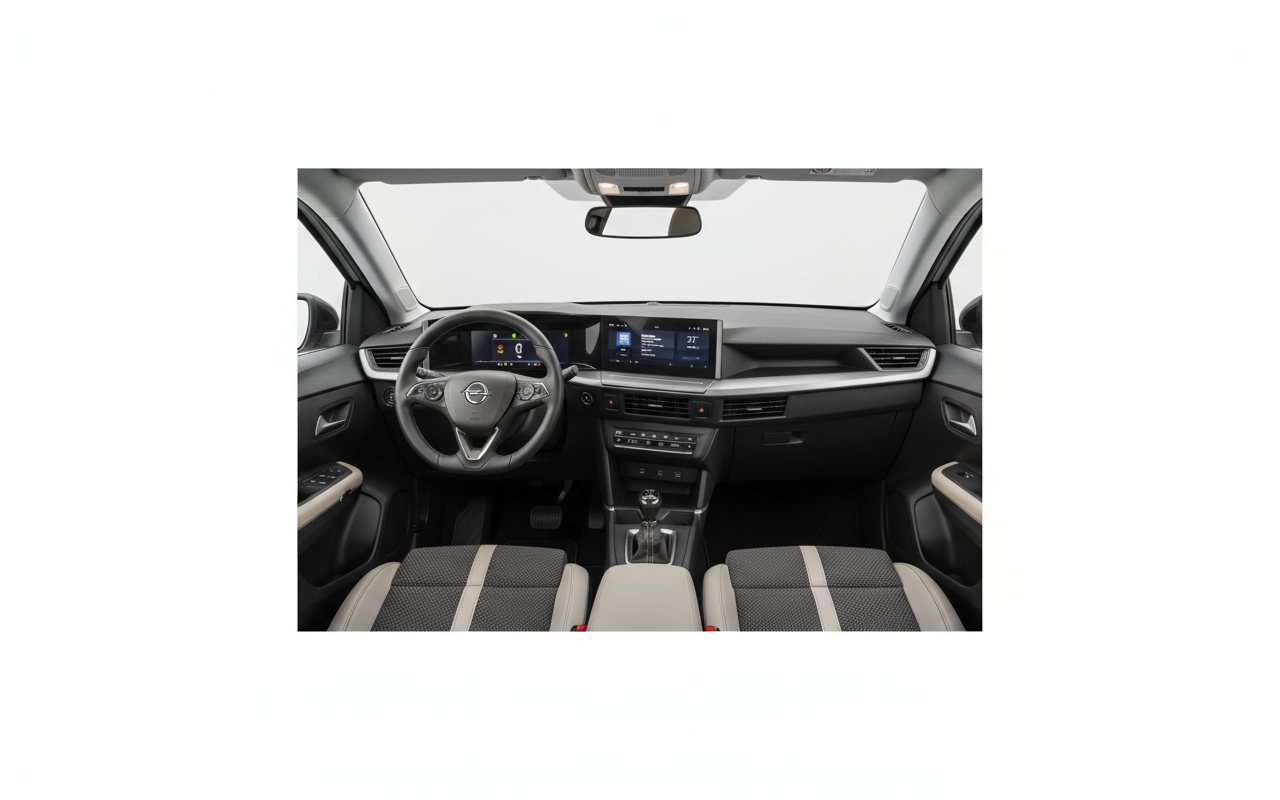
The design of the Opel Frontera Hybrid 145 GS is a statement of intent. With its 4385 mm length, 1795 mm width, and 1635 mm height, it presents an imposing and contemporary silhouette. Clean lines and well-defined volumes give it a robust and attractive presence. Aesthetic details, such as the headlights and grille, are harmoniously integrated, creating a modern and recognizable image. Inside, functionality meets aesthetics, with a spacious and well-organized cabin that promises comfort for five passengers and a 460-liter trunk, ideal for family or adventure needs.
Technology and features
Technology is a fundamental pillar in the Opel Frontera Hybrid 145 GS. Its hybrid heart combines a 1199 cc gasoline engine with a 48V electric system, powered by a 0.89 kWh gross capacity battery (0.43 kWh usable). This system not only improves fuel efficiency but also reduces emissions, earning it the DGT's ECO label. Direct injection, turbo, and intercooler optimize the performance of the combustion engine. The 6-speed dual-clutch automatic transmission ensures smooth and efficient gear changes. Although details on infotainment systems or driving assistance are not specified, Opel is expected to equip this model with the latest innovations in connectivity and safety, making every journey a safer and more pleasant experience.
Competition
The Opel Frontera Hybrid 145 GS faces fierce competition in the compact hybrid SUV segment. Its main rivals include models such as the Hyundai Kona Hybrid, Kia Niro Hybrid, Toyota C-HR, and Renault Captur E-Tech. Each of them offers its own strengths in terms of design, technology, and efficiency. The Frontera stands out for its balance between price, interior space, and an efficient hybrid system, seeking to attract those who value practicality and economy of use without sacrificing attractive design and a comfortable driving experience.
Conclusion
The Opel Frontera Hybrid 145 GS (2025) is a solid and balanced proposal for those looking for a compact, efficient SUV with a modern design. Its hybrid system, spacious cabin, and competitive price make it a very interesting option in the current market. It is a car designed for everyday use, for families, and for those who want to reduce their carbon footprint without sacrificing comfort and versatility. Opel has achieved a vehicle that, without being revolutionary, more than meets the expectations of its segment, offering a pleasant driving experience and low running costs.