

Especificaciones y análisis del Opel Astra
Power
165HP
Torque
350Nm
Consumption
4.7l/100
Emissions
124g/km
0-100 km/h
9.5s
Top Speed
212km/h
Weight
1571kg
Price
23,082€
Technical summary
Gasóleo
Manual 6v
FWD
5 / 5 doors
500 L
56 L
121 kW
Current
Technical specifications
Engine
Capacities
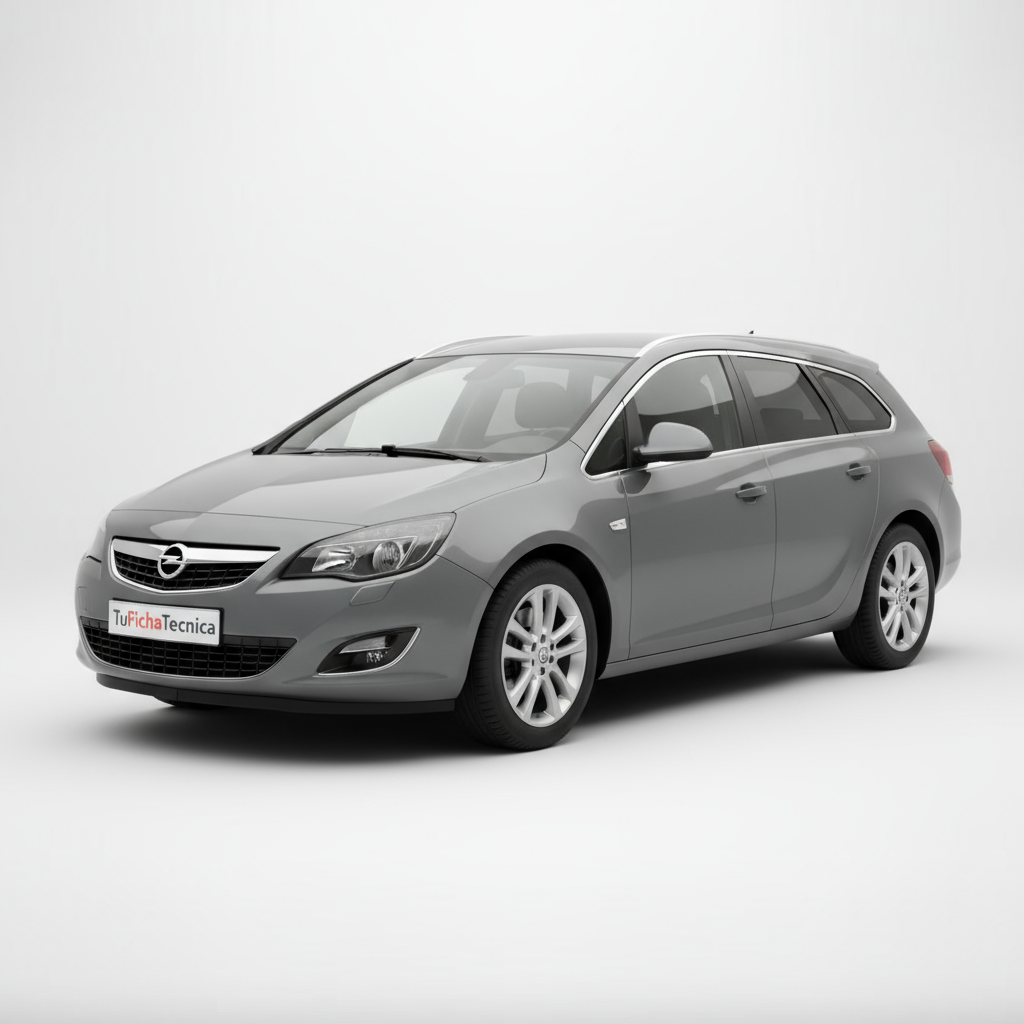
Detailed analysis of the Opel Astra Sports Tourer Sportive 2.0 CDTI 165 CV Start&Stop (2012)
General description
The Opel Astra Sports Tourer Sportive 2.0 CDTI 165 hp with Start&Stop, launched in 2011, is a family proposition that combines the versatility of a spacious car with a powerful and efficient diesel engine. This model is presented as a balanced option for those looking for a vehicle capable of tackling long journeys comfortably and with contained consumption, without sacrificing an attractive aesthetic and modern equipment for its time.
Driving experience
Behind the wheel, the Astra Sports Tourer 2.0 CDTI offers a solid and predictable driving experience. Its 165 hp feel spirited, especially in recoveries and overtakes, thanks to a torque of 350 Nm available from low revolutions. The 0 to 100 km/h acceleration in 9.5 seconds is respectable for a family car, and its top speed of 212 km/h allows for effortless high-speed cruising. The suspension, McPherson type at the front and torsion beam at the rear, provides a good compromise between comfort and stability, absorbing road irregularities without excessive body roll. The electric power steering is precise, although it could offer a little more feedback. The Start&Stop system contributes to more efficient driving in the city, reducing consumption and emissions. Overall, it conveys a sense of robustness and safety, ideal for daily use and family getaways.
Design and aesthetics
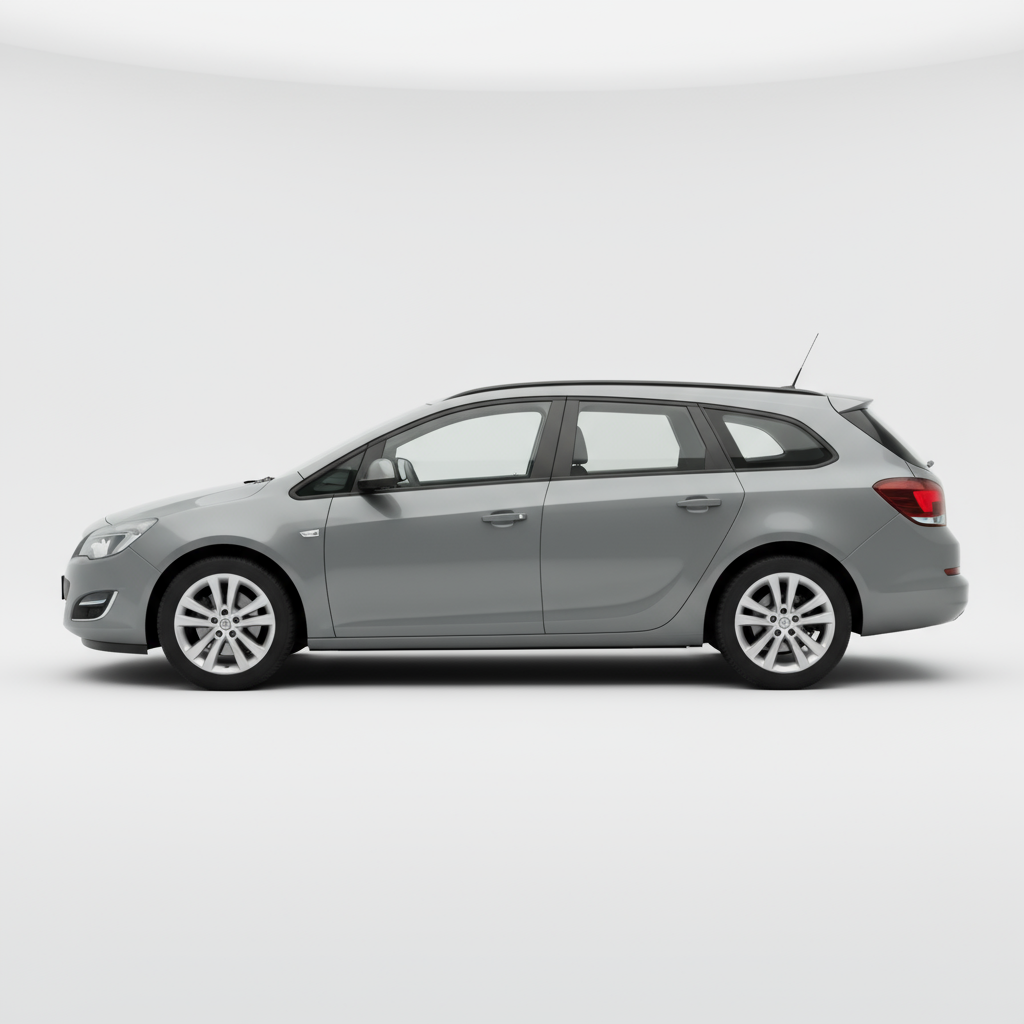
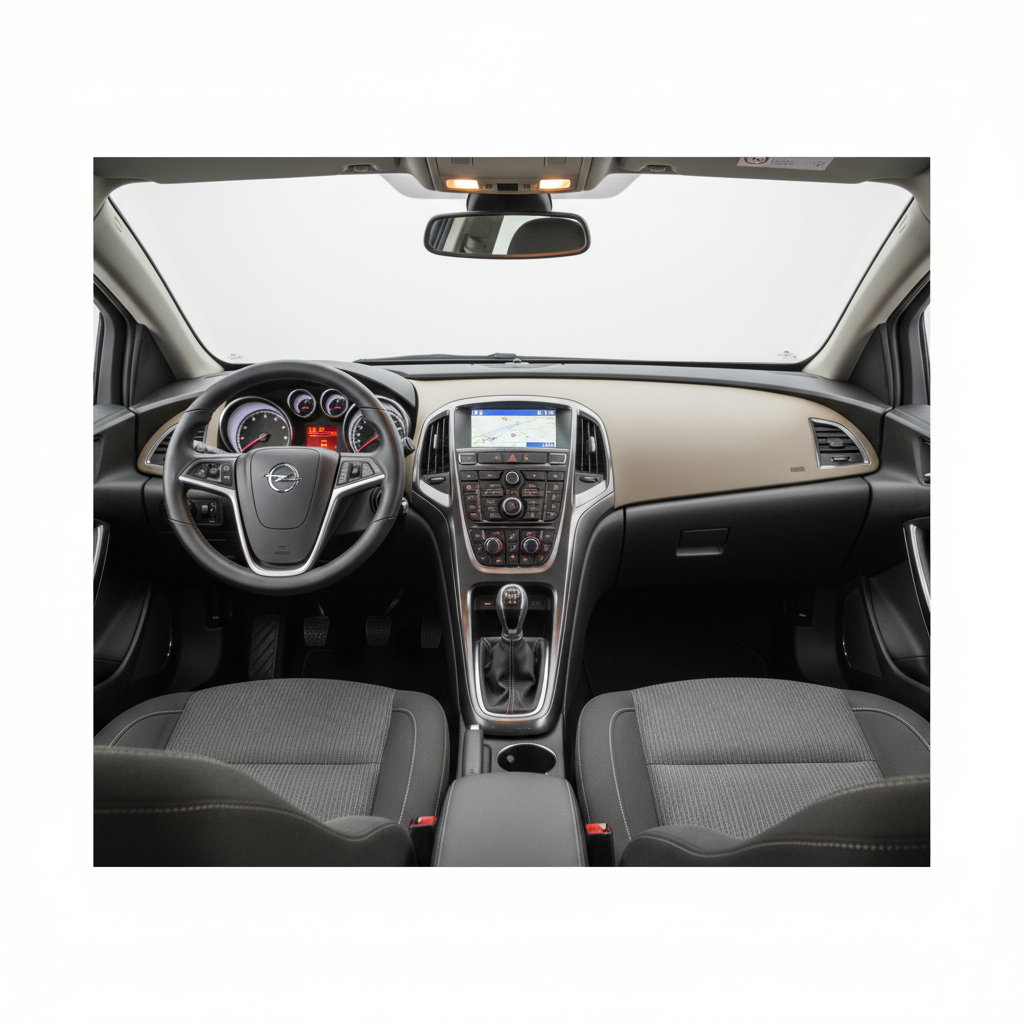
The design of the 2011 Opel Astra Sports Tourer stands out for its fluid and dynamic lines, which give it an elegant and sporty presence despite its size. With a length of almost 4.7 meters, it offers a stylized silhouette that disguises its cargo capacity. The sharp headlights and Opel's characteristic front grille give it a distinctive look. Inside, the cabin is spacious and functional, with a 500-liter trunk that makes it an ideal companion for families. The materials and finishes, although not luxurious, convey a good sense of quality and durability, with an ergonomic design that facilitates access to controls.
Technology and features
In terms of technology, this Astra Sports Tourer incorporates elements that, for its year, were quite advanced. The 165 hp 2.0 CDTI engine is a clear example of efficiency, with common rail direct injection, variable geometry turbo, and intercooler, which allows it to comply with Euro 5 regulations and offer a combined consumption of 4.7 l/100km. The Start&Stop system is a key feature for reducing consumption in urban environments. The 6-speed manual transmission allows precise power control. In terms of safety, it has ventilated disc brakes at the front and disc brakes at the rear, ensuring good braking capacity. Electric power steering improves maneuverability and efficiency.
Competition
In the compact diesel estate segment, the Opel Astra Sports Tourer 2.0 CDTI faced strong competitors such as the Volkswagen Golf Variant 2.0 TDI, the Ford Focus Sportbreak 2.0 TDCi, the Renault Mégane Grand Tour 1.9 dCi, or the Peugeot 308 SW 2.0 HDi. Each offered its own virtues, but the Astra stood out for its balance between design, interior space, engine performance, and adjusted consumption, positioning itself as a very competitive alternative in the market.
Conclusion
The Opel Astra Sports Tourer Sportive 2.0 CDTI 165 hp with Start&Stop is a very complete and recommendable family car. Its powerful and efficient diesel engine, combined with an attractive design and a spacious interior, make it an ideal option for those looking for a versatile vehicle for daily use and long journeys. It offers pleasant and safe driving, with contained consumption that makes it economical to maintain. It is a car that, despite its age, remains an interesting option in the used car market due to its reliability and functionality.