

Especificaciones y análisis del Opel Astra
Power
101HP
Torque
150Nm
Consumption
7.2l/100
Emissions
-g/km
0-100 km/h
12s
Top Speed
183km/h
Weight
1239kg
Price
15,540€
Technical summary
Gasolina
Manual 5v
FWD
5 / 5 doors
480 L
52 L
74 kW
Current
Technical specifications
Engine
Capacities
Detailed analysis of the Opel Astra Caravan Comfort 1.6 16v · 101 CV (2000-2002)
General description
The 1998 Opel Astra Caravan Comfort 1.6 16v is a vehicle that, despite its age, still evokes a sense of reliability and practicality. This model, with its station wagon body, was designed for those seeking a spacious and functional travel companion, without sacrificing a touch of comfort. Its presence on the roads of the late 90s and early 2000s was notable, consolidating itself as a sensible option for families and professionals who needed space and balanced performance.
Driving experience
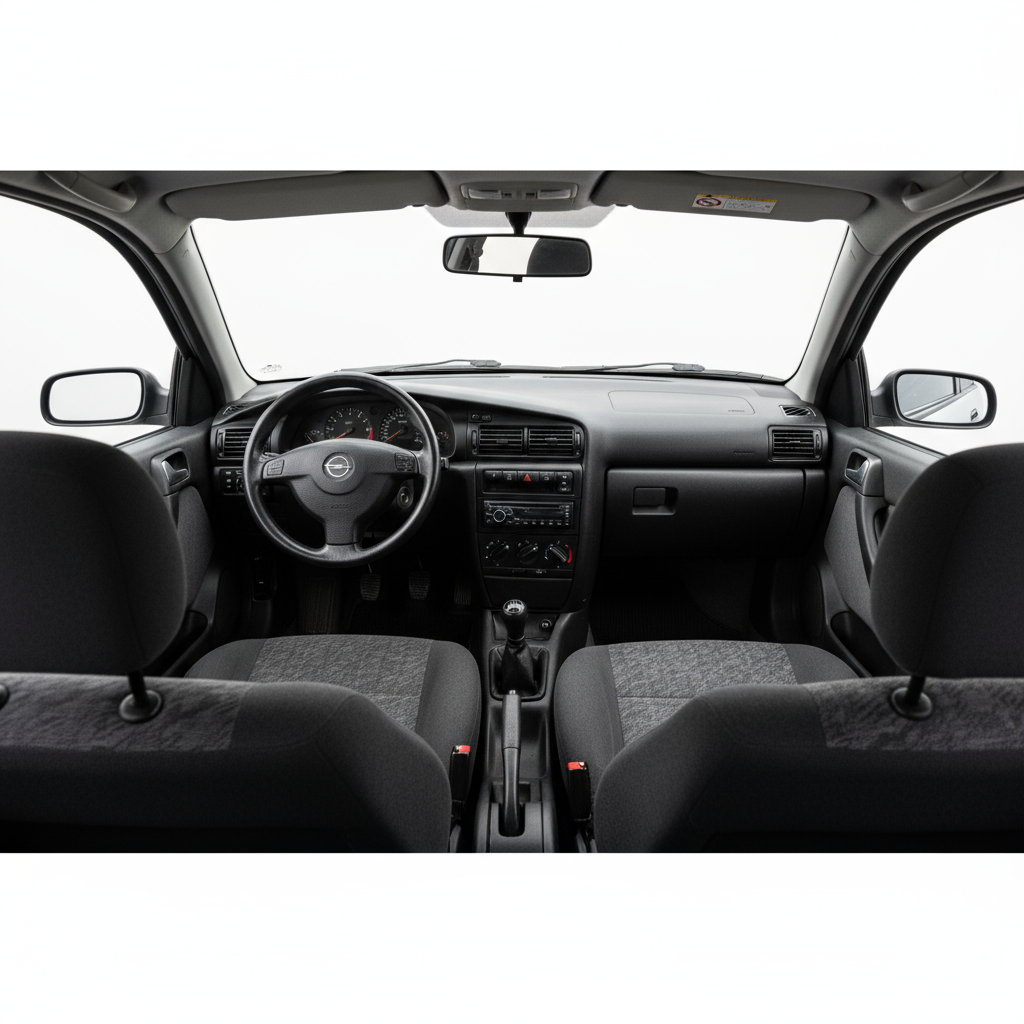
Behind the wheel of the Astra Caravan, the predominant feeling is one of solidity and predictability. Its 1.6-liter, 101 hp engine, while not an abundance of power, offers adequate response for daily use and long trips, allowing for relaxed driving. The steering, although lacking the immediacy of more modern models, inspires confidence, and the suspension, McPherson type at the front and torsion beam with trailing arm at the rear, filters road irregularities well, providing a comfortable ride for all occupants. The five-speed manual gearbox is precise and easy to operate, contributing to a smooth driving experience. It is a car that invites you to enjoy the journey without rushing, valuing comfort and cargo capacity above sporty performance.
Design and aesthetics
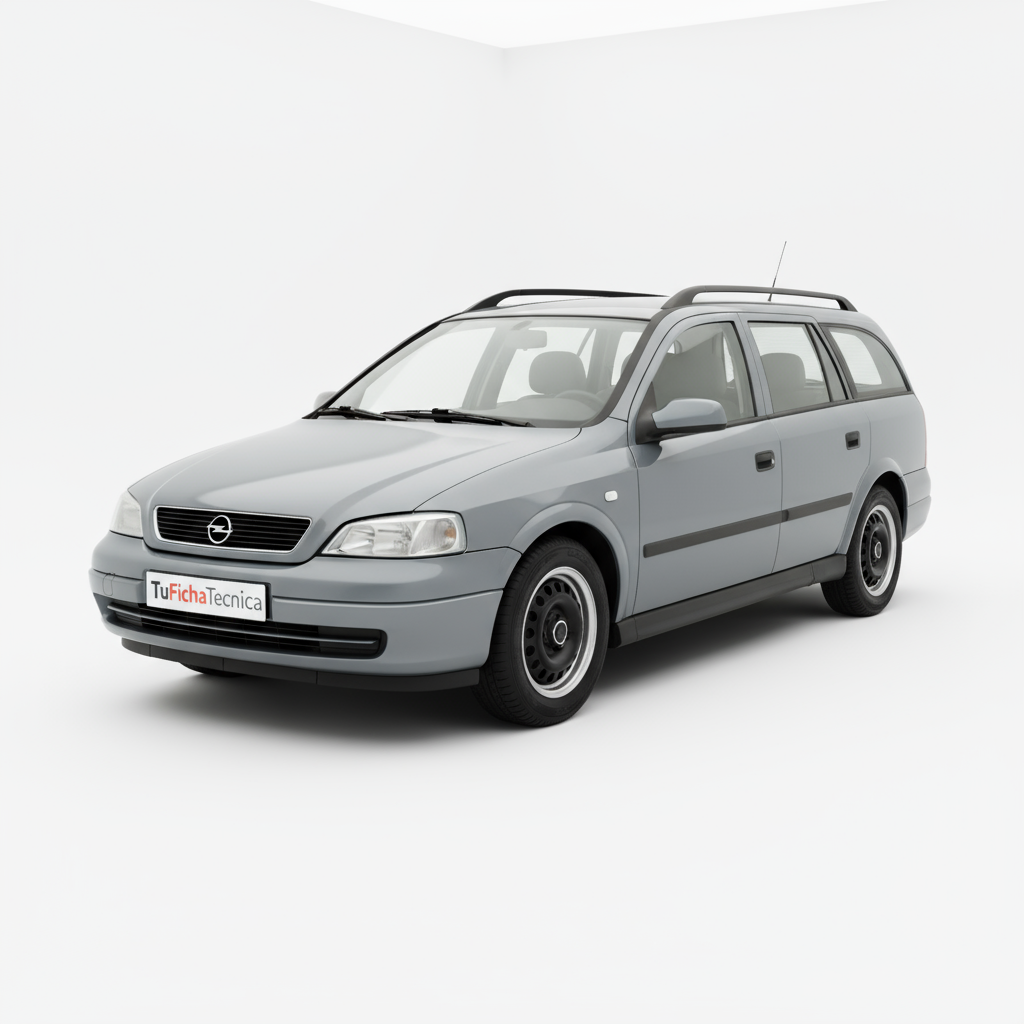
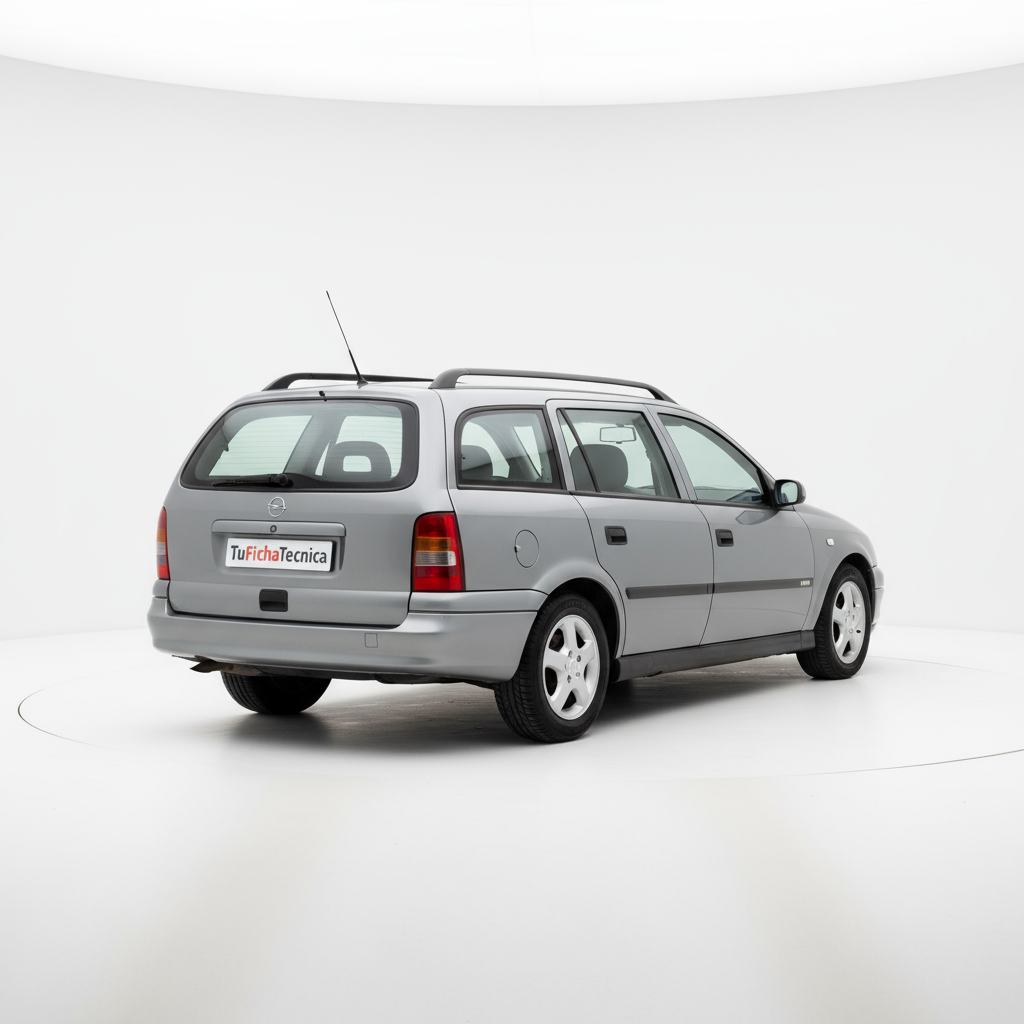
The design of the 1998 Opel Astra Caravan is a reflection of the automotive aesthetic of its time: sober, functional lines without ostentation. The station wagon, or Caravan, body is characterized by its extended rear that maximizes cargo space, a key aspect for its target audience. The headlights are generously sized, integrating harmoniously with the front grille, which sports the Opel emblem. The overall proportions are balanced, conveying an image of robustness and durability. Although it does not seek to be a style icon, its timeless design allows it to age gracefully, maintaining a discreet but effective presence in the automotive landscape.
Technology and features
In terms of technology, the 1998 Opel Astra Caravan Comfort 1.6 16v is situated in the context of its time. Its 1.6-liter, 16-valve, 101 hp gasoline engine incorporates indirect injection, a proven technology that offered a good balance between performance and efficiency for the era. The 5-speed manual transmission is a reliable and widely used mechanical component. In terms of safety, it features ventilated disc brakes at the front and drum brakes at the rear, a standard configuration that provided adequate braking capability. The rack-and-pinion steering, although without variable assistance, offered direct response. While lacking the electronic sophistications of current cars, its technology focuses on functionality and durability, highly valued elements in its segment.
Competition
At the time, the Opel Astra Caravan Comfort 1.6 16v faced robust competition in the compact family car segment. Its main rivals included models such as the Volkswagen Golf Variant, the Ford Focus Wagon, the Renault Mégane Grandtour, and the Peugeot 306 Break. Each of them offered their own virtues, but the Astra stood out for its overall balance, its reputation for reliability, and its generous interior space. It was a very attractive option for those looking for a practical family car with reasonable maintenance costs, competing head-to-head with the heavyweights of the European market.
Conclusion
The 1998 Opel Astra Caravan Comfort 1.6 16v is a testament to an era when functionality and reliability were fundamental pillars in automotive design. It is a car that, despite its age, remains a loyal companion for those who value space, comfort, and proven mechanics. Its sober design and predictable behavior make it a sensible option for everyday use, capable of tackling both urban commutes and long journeys with admirable dignity. It is a vehicle that, without great fanfare, more than fulfills its purpose, leaving a mark of practicality and resilience.