
Especificaciones y análisis del Opel Astra
Power
147HP
Torque
203Nm
Consumption
8.4l/100
Emissions
-g/km
0-100 km/h
8.8s
Top Speed
214km/h
Weight
1275kg
Price
19,880€
Technical summary
Gasolina
Manual 5v
FWD
5 / 3 doors
370 L
52 L
108 kW
Current
Technical specifications
Engine
Capacities
Detailed analysis of the Opel Astra 3p Sport 2.2 16V · 147 CV (2000-2004)
General description
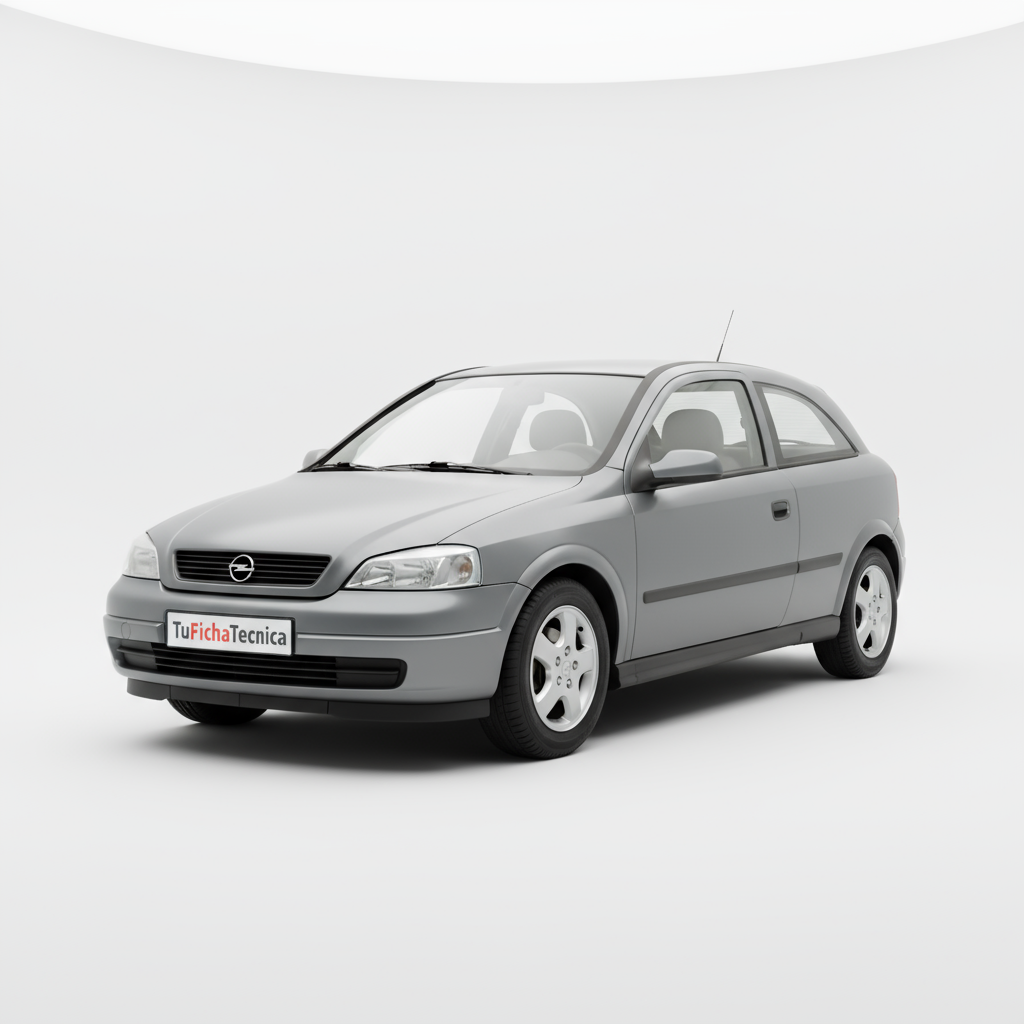
The 1998 Opel Astra 3p Sport 2.2 16V is a car that evokes an era of driving passion. With its 2.2-liter, 147 hp gasoline engine, this three-door compact promised strong emotions and a very direct driving experience. Its sporty design and mechanical configuration made it an attractive option for those looking for more than just a means of transport.
Driving experience
Behind the wheel, the Astra 3p Sport 2.2 16V offered pure sensations. The steering, although without the electronic assistance of current models, faithfully transmitted what was happening under the wheels. The 147 hp engine, with its indirect injection, responded with vigor, especially from 4000 rpm, where it delivered its maximum torque of 203 Nm. Acceleration from 0 to 100 km/h in 8.8 seconds and a top speed of 214 km/h were respectable figures for its time, inviting dynamic driving. The suspension, McPherson type at the front and trailing arm with torsional element at the rear, sought a balance between comfort and sportiness, although on winding roads it felt more in its element. The 5-speed manual gearbox was precise and contributed to the immersion in the driving experience.
Design and aesthetics
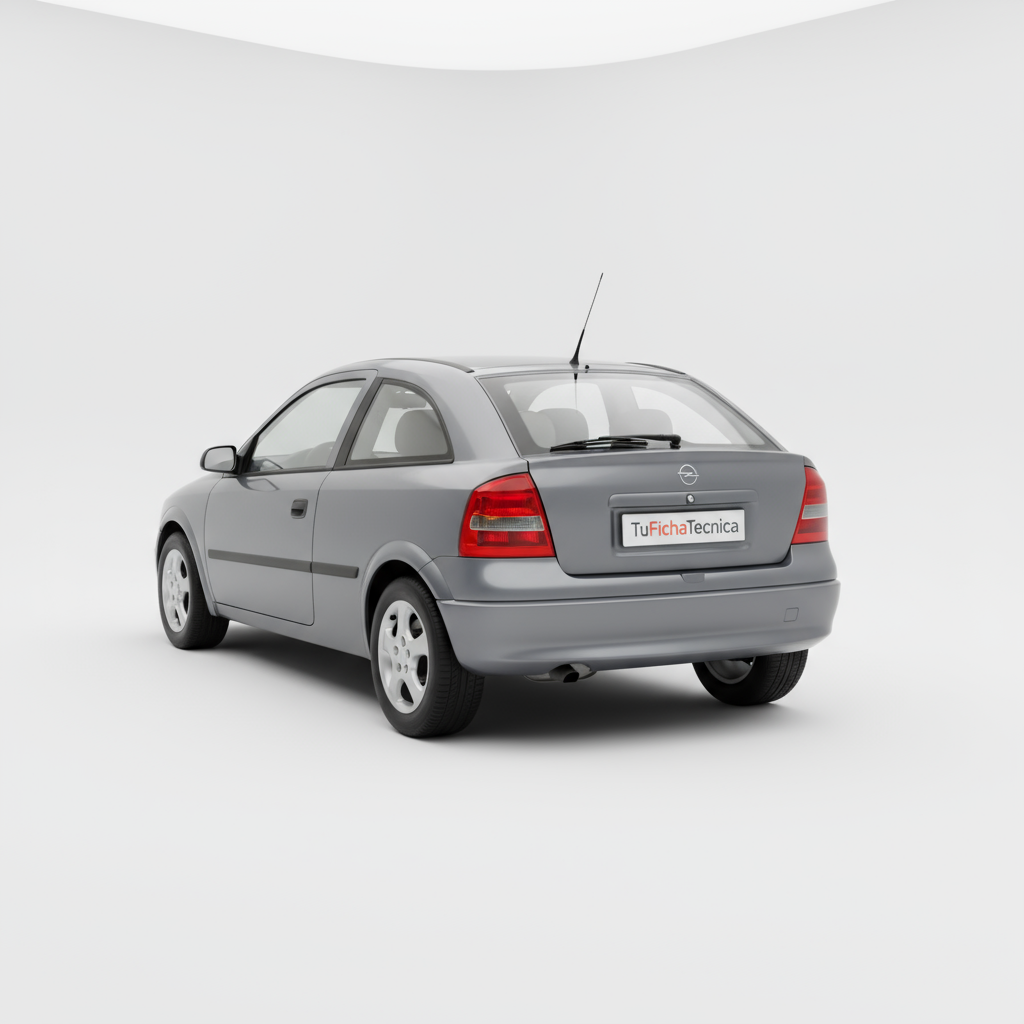
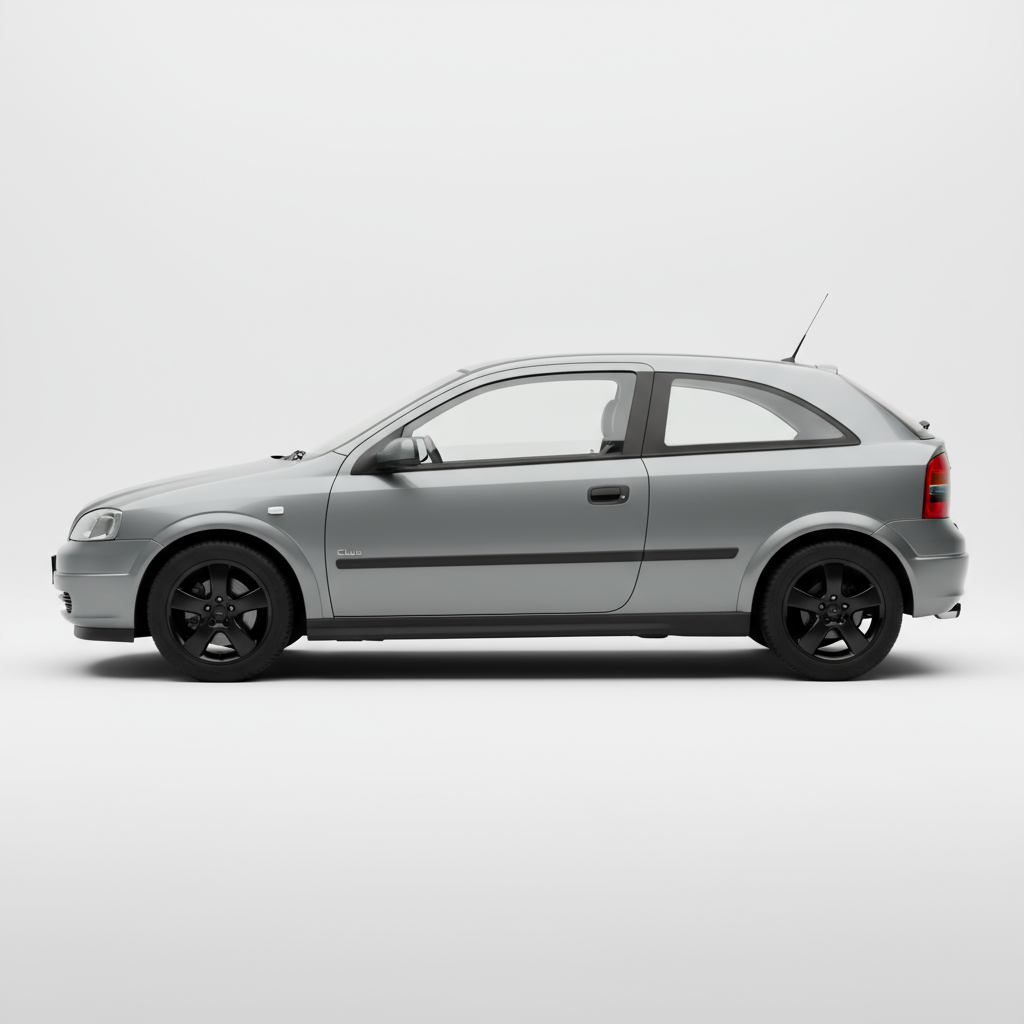
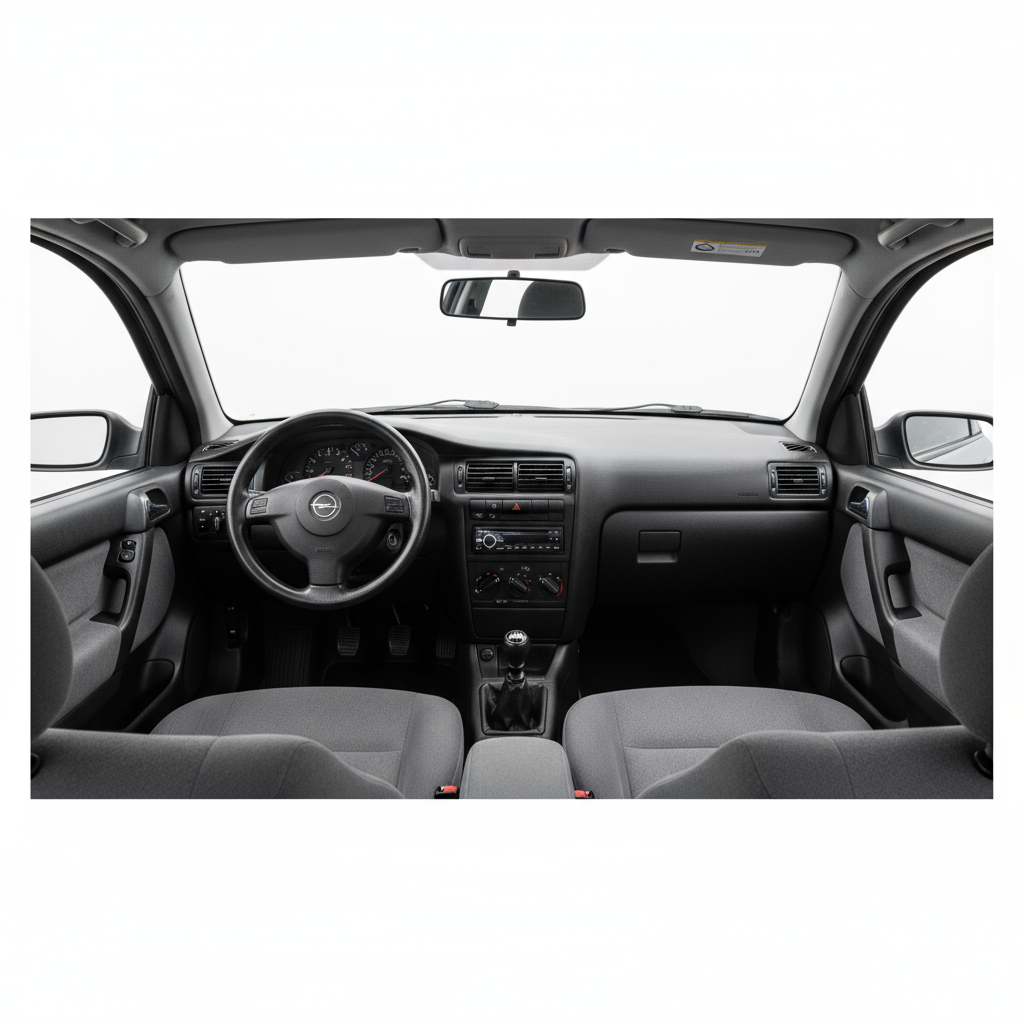
The design of the 1998 Opel Astra three-door was a reflection of late 90s aesthetics: clean lines, a compact silhouette, and a youthful air. The Sport version accentuated this sportiness with specific details, without being garish. Its contained dimensions, with 4110 mm long and 1709 mm wide, gave it visual and practical agility in urban traffic. The 16-inch wheels with 205/50 R16 V tires completed a robust and athletic image, suggesting its dynamic potential. The interior, although functional, focused on the driver, with clear instrumentation and seats that offered good lateral support.
Technology and features
In terms of technology, the 1998 Astra 3p Sport 2.2 16V represented the vanguard of its time. Its 2.2-liter, 16-valve gasoline engine, with an aluminum block and cylinder head, was an example of advanced engineering for the era, seeking lightness and efficiency. Indirect injection was the standard, and although it lacked systems like Stop&Start, its mechanics were robust and proven. The 280 mm ventilated front disc brakes and 264 mm rear discs ensured effective braking. The rack-and-pinion steering, without variable assistance, offered a direct connection to the road, something valued by enthusiasts. In terms of safety, it had the usual passive elements, but far from the profusion of current driving aids.
Competition
At the time, the Opel Astra 3p Sport 2.2 16V faced tough competition in the sporty compact segment. Its main rivals included models such as the Volkswagen Golf GTI, the Ford Focus ST, the Renault Mégane Coupé 2.0 16V, or the Peugeot 306 GTI. Each offered its own interpretation of sportiness, but the Astra stood out for its balance between performance, design, and a competitive price of 19,880 euros in 2003, which made it a very attractive option for those looking for a fun and passionate car without sacrificing the practicality of a compact.
Conclusion
The 1998 Opel Astra 3p Sport 2.2 16V is a car that, despite the passage of time, still evokes a golden age for sporty compacts. Its combination of a powerful engine, an agile chassis, and an attractive design made it an exciting proposition. It was a car to enjoy behind the wheel, to feel the road, and for those who valued mechanical connection over electronic sophistication. Today, it represents a piece of automotive history, a reminder of when the passion for driving was the main engine of engineering.