
Especificaciones y análisis del Opel Astra
Power
136HP
Torque
188Nm
Consumption
8.5l/100
Emissions
-g/km
0-100 km/h
9s
Top Speed
208km/h
Weight
1254kg
Price
16,239€
Technical summary
Gasolina
Manual 5v
FWD
5 / 3 doors
370 L
52 L
100 kW
Current
Technical specifications
Engine
Capacities
Detailed analysis of the Opel Astra 3p Sportive 2.0 16v · 136 CV (2000)
General description
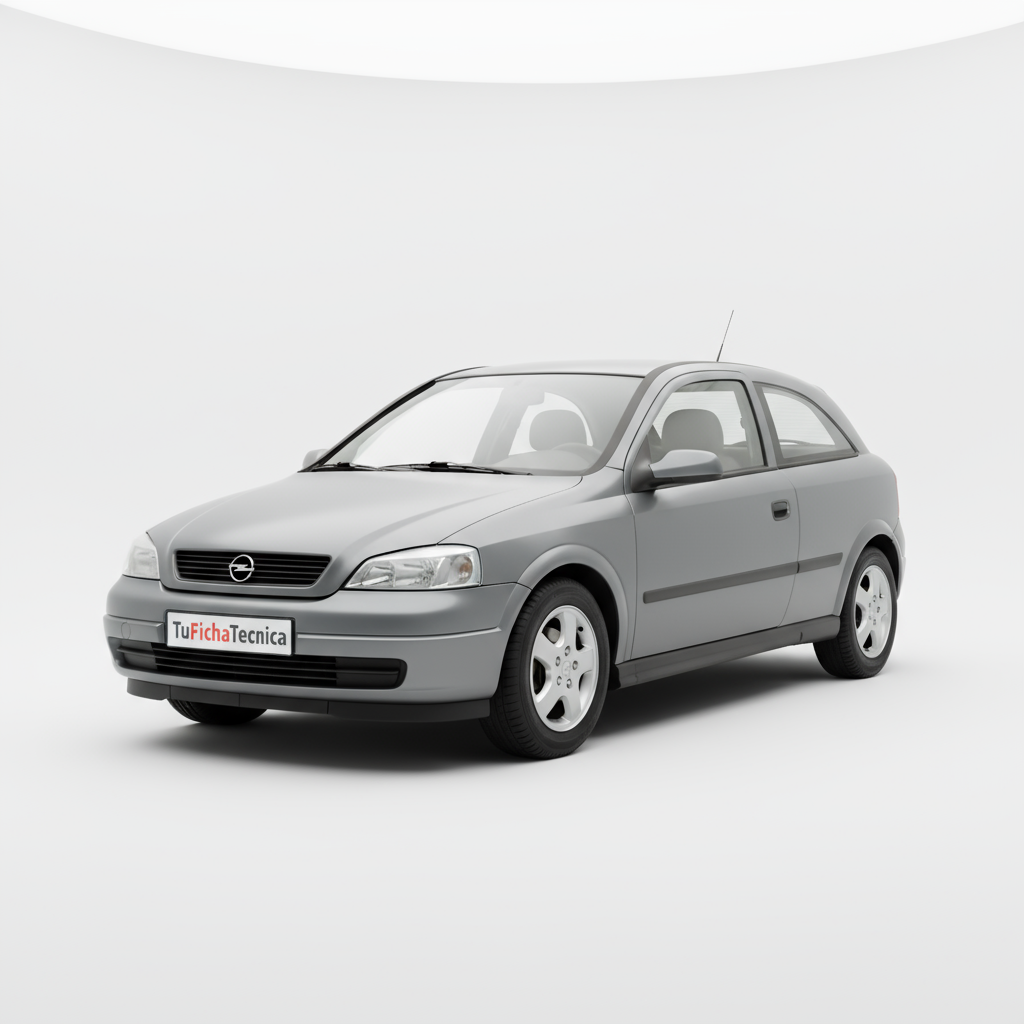
The 1998 Opel Astra 3-door Sportive 2.0 16v is a car that evokes an era of driving passion. With its 136 hp gasoline engine and sporty aesthetics, this Astra promised excitement behind the wheel and a direct, rewarding driving experience. It was a vehicle designed for those who sought more than just a simple means of transport, a car with character and a touch of spice.
Driving experience
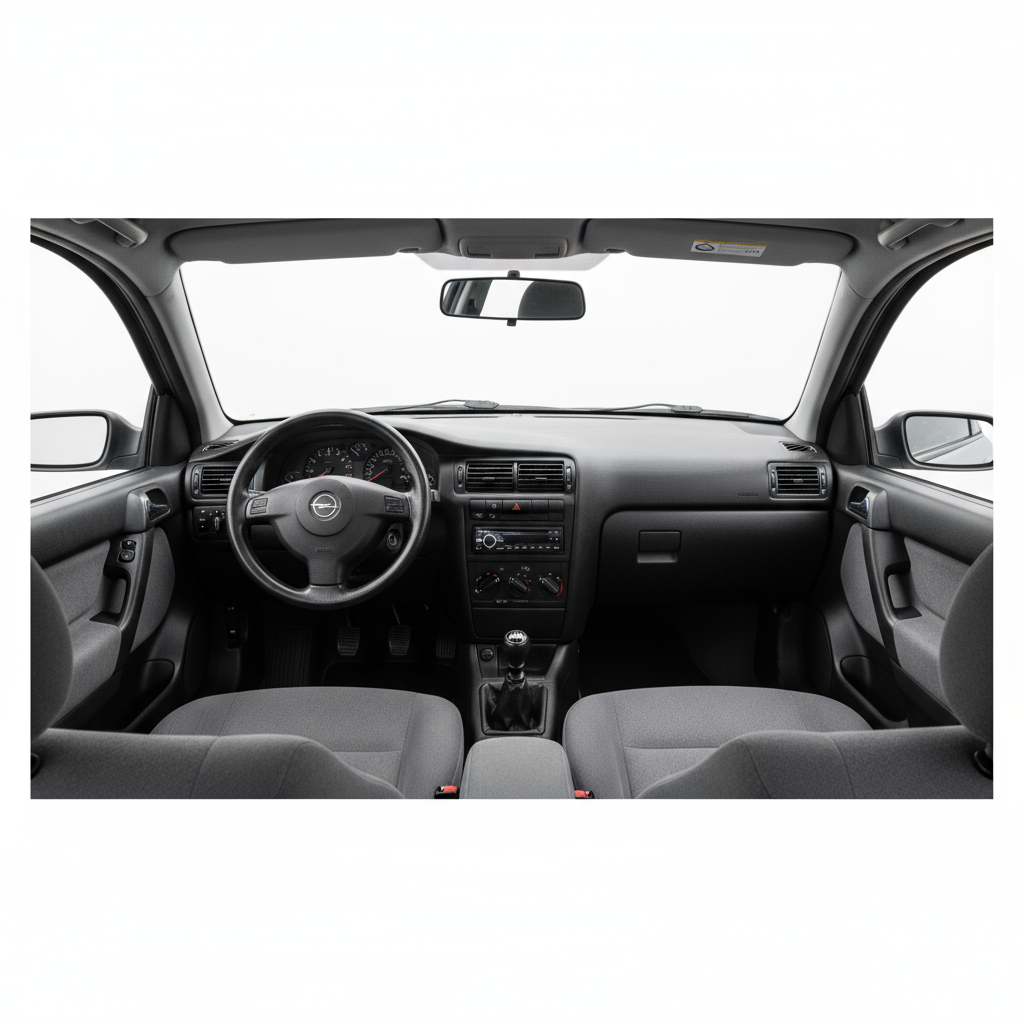
Behind the wheel of this Astra, the sensations are pure and direct. The 2.0-liter, 136 hp engine responds with energy, delivering its power linearly and with a sound that invites revving. Acceleration from 0 to 100 km/h in 9 seconds and a top speed of 208 km/h are respectable figures for its time, translating into agile and fun driving. The suspension, McPherson type at the front and trailing arm with torsional element at the rear, offers a good balance between comfort and firmness, allowing you to enjoy curves with confidence. The rack-and-pinion steering, although without variable assistance, faithfully transmits what is happening under the wheels, connecting the driver with the road in a way that is difficult to find today. It's a car that makes you feel part of the machine, an adventure companion on every journey.
Design and aesthetics
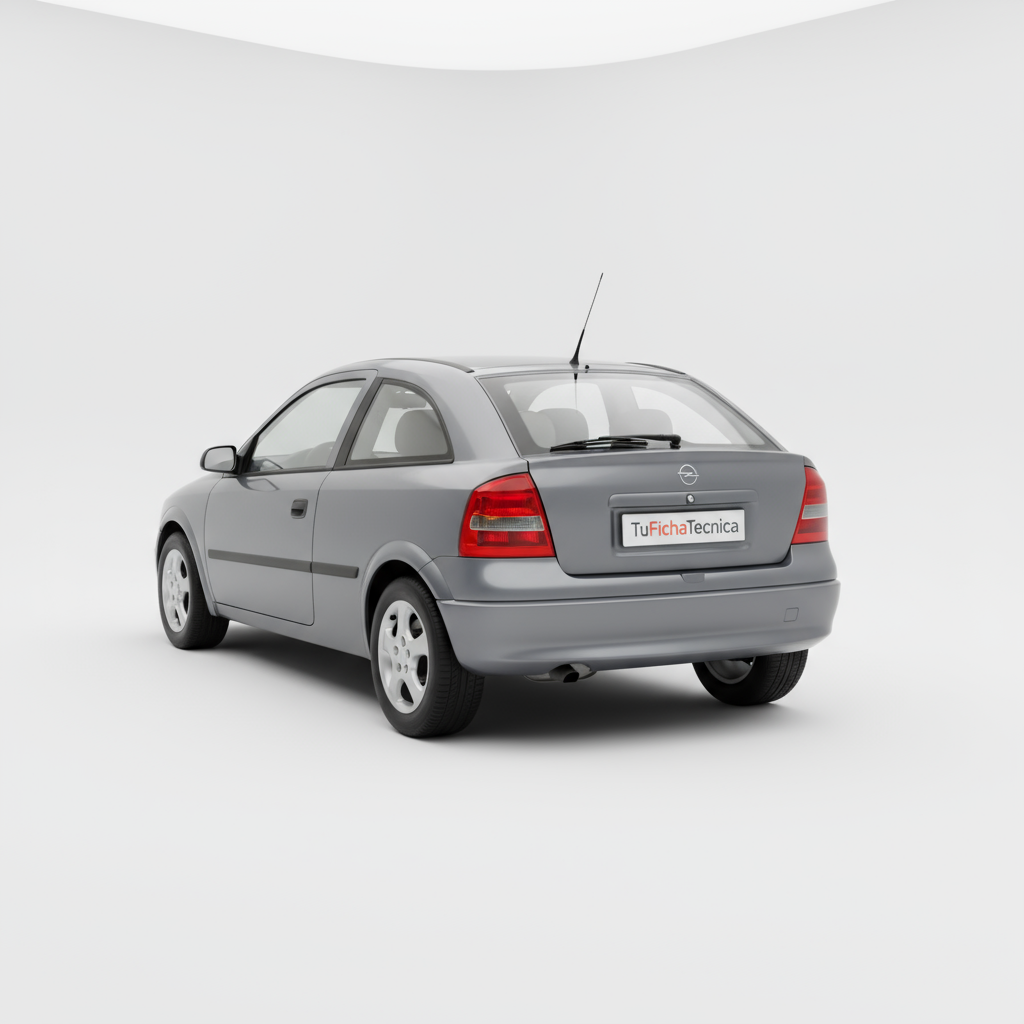
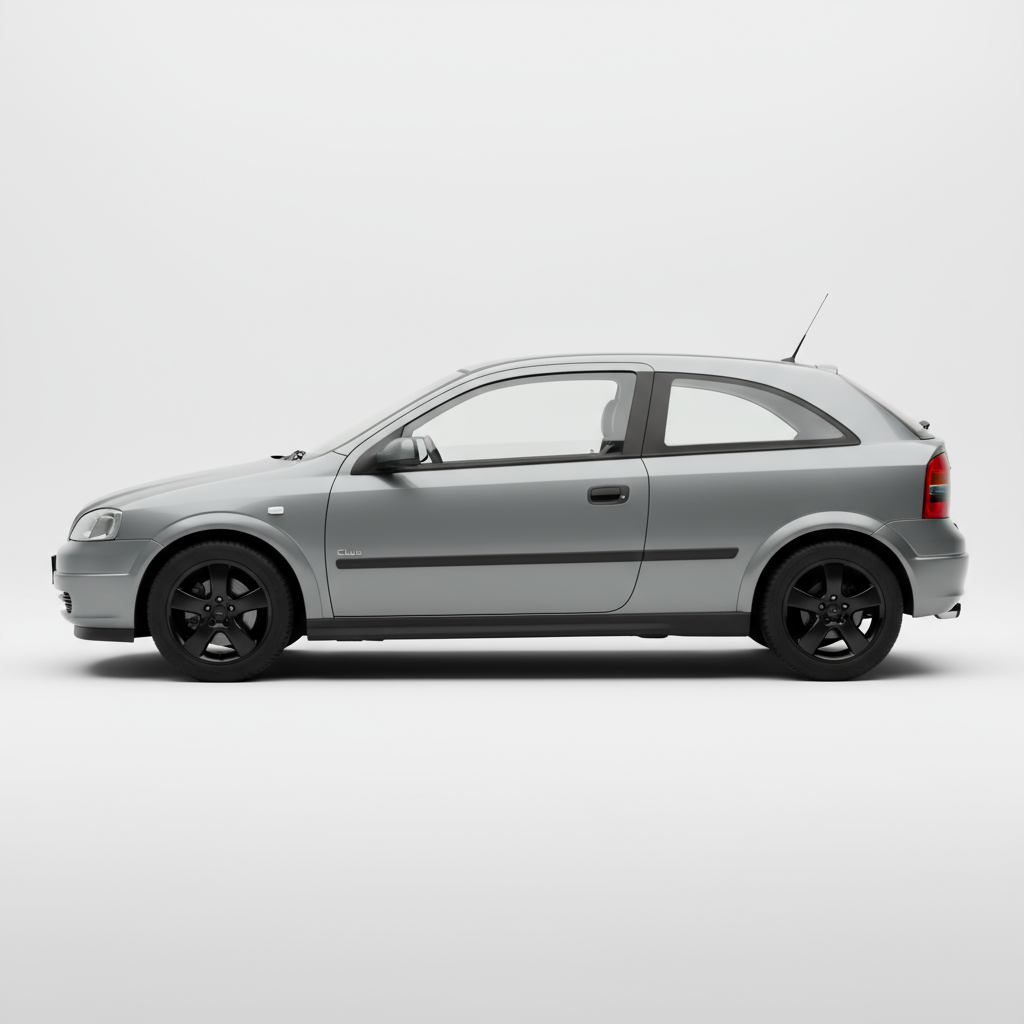
The design of the 1998 Opel Astra, in its 3-door version, is a reflection of late 90s automotive aesthetics. Its lines are clean and functional, with a sporty touch accentuated in the Sportive version. The 16-inch wheels with 205/50 R16 V tires give it a more aggressive stance and a road presence that does not go unnoticed. Despite its compact dimensions (4110 mm long, 1709 mm wide, and 1425 mm high), the design achieves a balance between sportiness and practicality, offering a cabin for five occupants and a 370-liter trunk, sufficient for daily use or weekend getaways. It is a design that, although classic, maintains its appeal and its sporty essence.
Technology and features
In terms of technology, the 1998 Opel Astra 3-door Sportive 2.0 16v is placed in the context of its time. Its 1998 cc gasoline engine with indirect injection and 4 valves per cylinder was a sample of advanced engineering for the era, offering a good balance between performance and efficiency. The 5-speed manual transmission, although simple, was robust and precise, allowing the driver to make the most of the engine's capabilities. In terms of safety, it had ventilated front disc brakes and rear discs, a configuration that guaranteed effective braking. While it lacked the sophisticated driving aids of today, its technology focused on mechanics and driving dynamics, offering a pure and unfiltered experience.
Competition
At the time, the Opel Astra 3-door Sportive 2.0 16v faced tough competition in the sporty compact segment. Its main rivals were models such as the Volkswagen Golf GTI, the Ford Focus ST, the Renault Mégane Coupé, or the Honda Civic VTi. Each of them offered its own interpretation of sportiness, but the Astra stood out for its overall balance, its powerful engine, and its dynamic behavior. It was an attractive option for those looking for a fun-to-drive car, with a touch of exclusivity and a competitive price.
Conclusion
The 1998 Opel Astra 3-door Sportive 2.0 16v is a car that, despite the passage of time, still retains its charm. It is a vehicle that represents a golden age for sporty compacts, where the connection between the driver and the machine was paramount. Its energetic engine, timeless design, and direct driving sensations make it a modern classic, a car that even today can bring a smile to anyone who gets behind its wheel. It is a piece of automotive history that deserves to be remembered and, for the lucky ones who still own it, enjoyed.