
Especificaciones y análisis del Opel Astra
Power
82HP
Torque
185Nm
Consumption
6.7l/100
Emissions
-g/km
0-100 km/h
15.5s
Top Speed
170km/h
Weight
1334kg
Price
15,025€
Technical summary
Gasóleo
Automático 4v
FWD
5 / 3 doors
370 L
52 L
60 kW
Current
Technical specifications
Engine
Capacities
Detailed analysis of the Opel Astra 3p Comfort 2.0 DI 16v Aut. · 82 CV (2000)
General description
The 1998 Opel Astra 3p Comfort 2.0 DI 16v Aut. is a compact car that, despite its age, still evokes an era of robustness and functionality. With its 82 hp diesel engine and automatic transmission, it was presented as a practical option for everyday use, without great sporting pretensions but with the reliability expected from the German brand at the time. Its three-door design gave it a youthful and dynamic touch, ideal for those looking for a compact car with a touch of distinction.
Driving experience
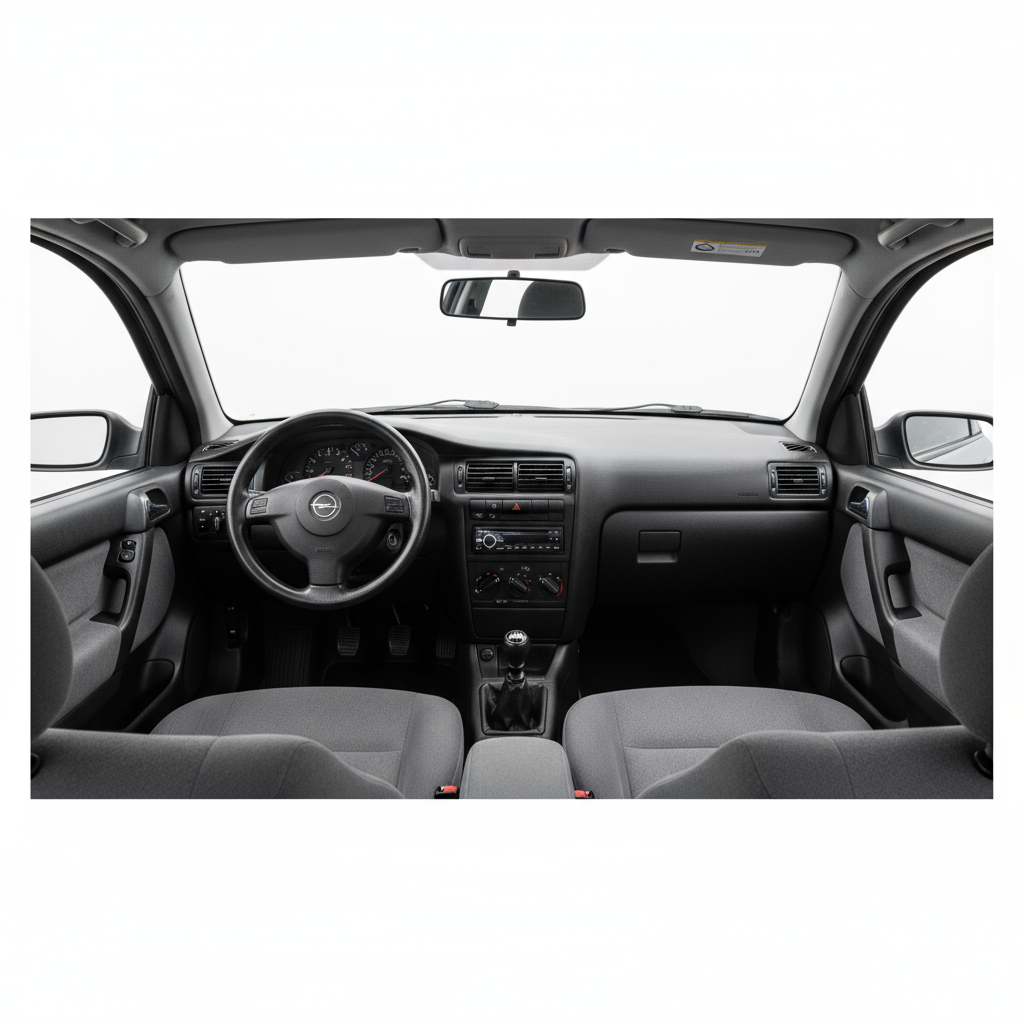
Behind the wheel of this Astra, the predominant feeling is one of solidity. The diesel engine, although not a powerhouse with its 82 hp, fulfills its function with a torque delivery of 185 Nm at 1800 rpm, allowing for relaxed and efficient driving. The acceleration from 0 to 100 km/h in 15.5 seconds and a top speed of 170 km/h remind us that it is not a car for thrills, but for comfortable and uneventful journeys. The 4-speed automatic transmission contributes to a smooth driving experience, ideal for urban traffic and unhurried road trips. The combined consumption of 6.7 l/100km was quite reasonable for the time, offering good autonomy thanks to its 52-liter tank.
Design and aesthetics
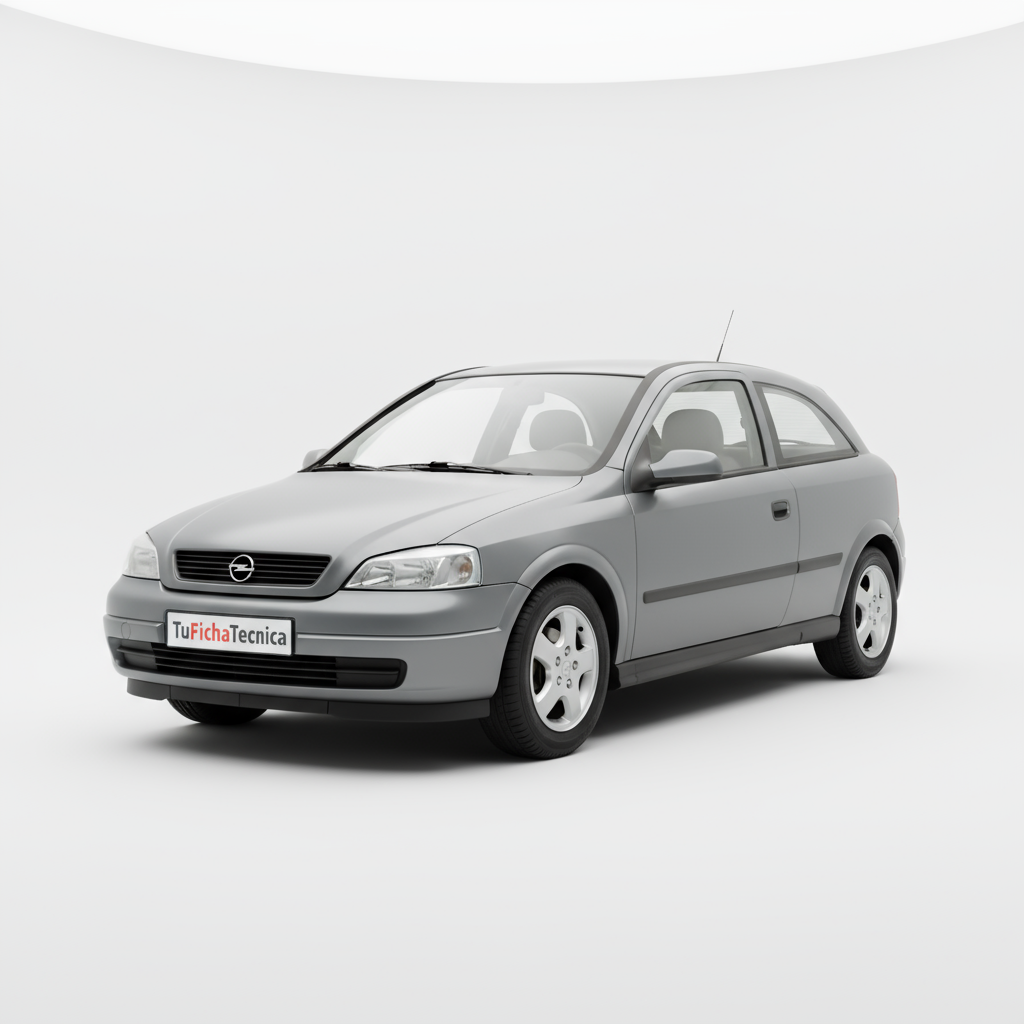
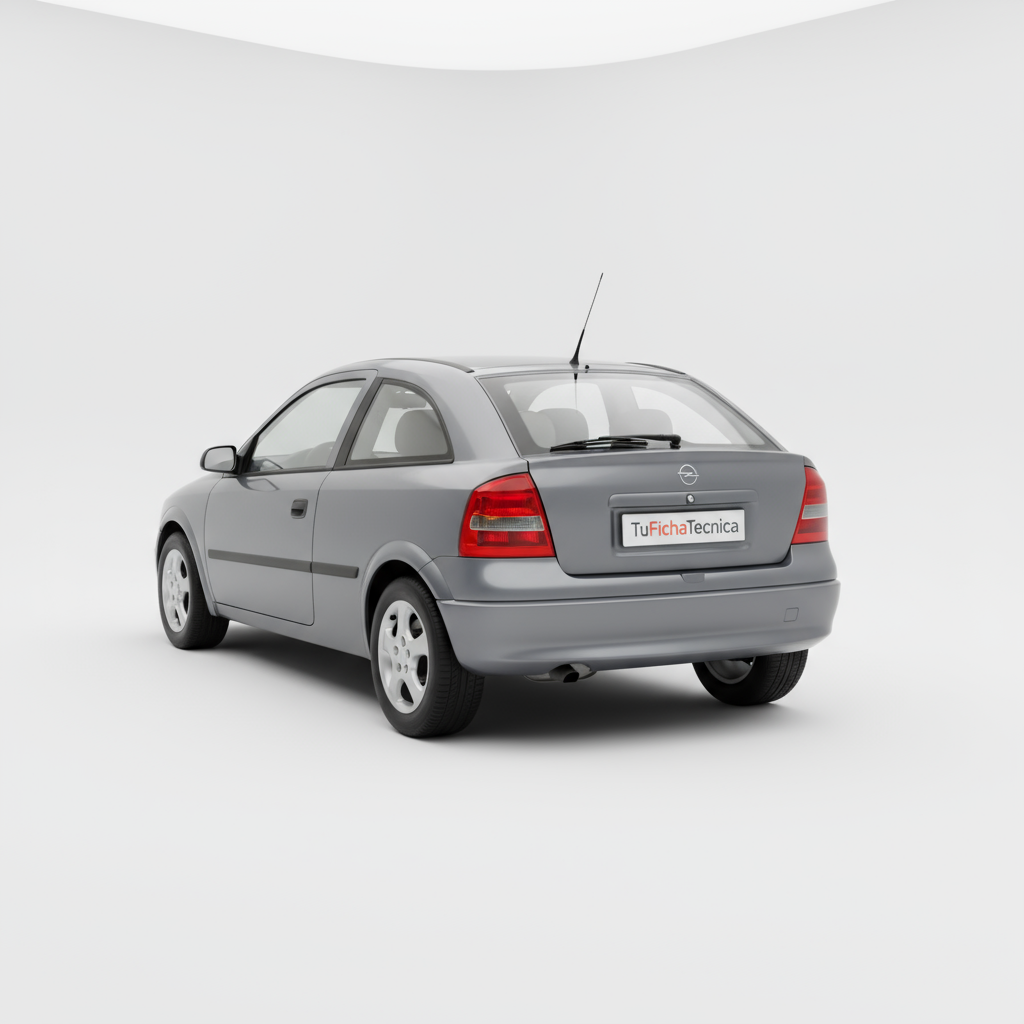
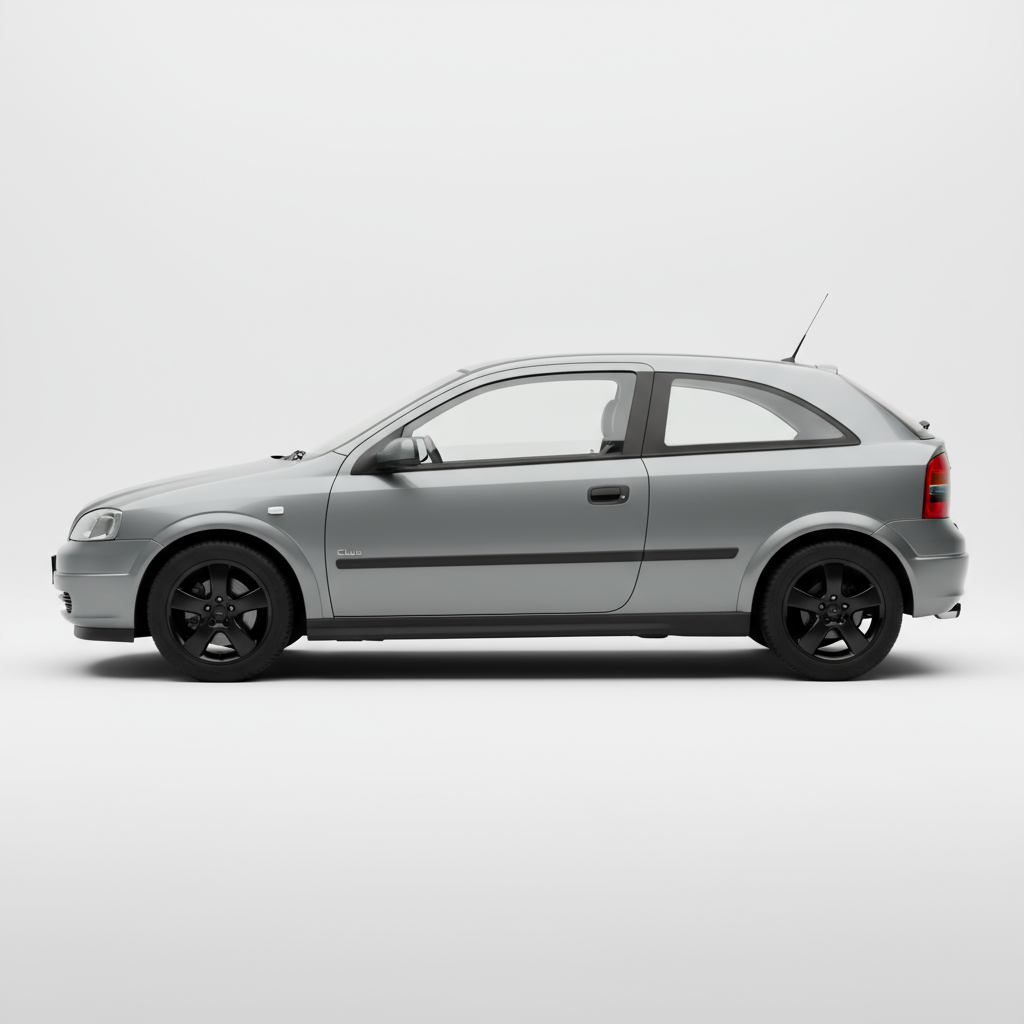
The design of the 1998 Opel Astra, in its 3-door version, is characterized by clean and functional lines, typical of the late 90s aesthetic. With a length of 4110 mm, a width of 1709 mm, and a height of 1425 mm, its proportions are balanced and compact. The three-door body gives it a sportier and more youthful appearance compared to the five-door versions. The generously sized headlights and the discreet grille are harmoniously integrated into the front. The 15-inch wheels with 185/65 R15 T tires complete a package that, without being revolutionary, is timeless and practical.
Technology and features
In terms of technology, the 1998 Opel Astra incorporated what was considered standard for its segment at the time. Its 2.0-liter 16-valve diesel engine with direct injection and turbo was a testament to Opel's engineering to offer efficiency and adequate performance. The 4-speed automatic transmission, although it may seem limited today, offered driving comfort. As for the suspension, it featured a McPherson strut in the front axle and a torsion beam with a trailing arm in the rear, a common configuration that sought a balance between comfort and stability. The ventilated front disc brakes and rear disc brakes ensured adequate braking capacity. The rack-and-pinion steering contributed to a good sense of control.
Competition
At the time, the Opel Astra 3p Comfort 2.0 DI 16v Aut. faced tough competition in the diesel compact segment. Its main rivals included models such as the Volkswagen Golf TDI, the Ford Focus TDCi, the Renault Mégane dCi, and the Peugeot 306 HDi. Each of them offered their own virtues, whether in terms of design, equipment, or performance. The Astra positioned itself as a balanced option, with Opel's reputation for reliability and a good compromise between comfort and efficiency, although it might not have stood out for exceptional dynamism compared to some of its more agile competitors.
Conclusion
The 1998 Opel Astra 3p Comfort 2.0 DI 16v Aut. is a car that, despite its age, remains a testament to Opel's practical and reliable engineering. It does not aim to be the fastest or the most luxurious, but an honest and efficient travel companion. Its timeless design, its fuel-efficient diesel engine, and its automatic transmission make it an interesting option for those who value durability and functionality above pure performance. It is a car that, with proper maintenance, can still offer many miles of service, demonstrating that the build quality of yesteryear is still a value to consider.