
Especificaciones y análisis del Opel Astra
Power
101HP
Torque
150Nm
Consumption
8.2l/100
Emissions
-g/km
0-100 km/h
13.5s
Top Speed
178km/h
Weight
1204kg
Price
13,974€
Technical summary
Gasolina
Automático 4v
FWD
5 / 3 doors
370 L
52 L
74 kW
Current
Technical specifications
Engine
Capacities
Detailed analysis of the Opel Astra 3p Comfort 1.6 16v Aut. · 101 CV (2000)
General description
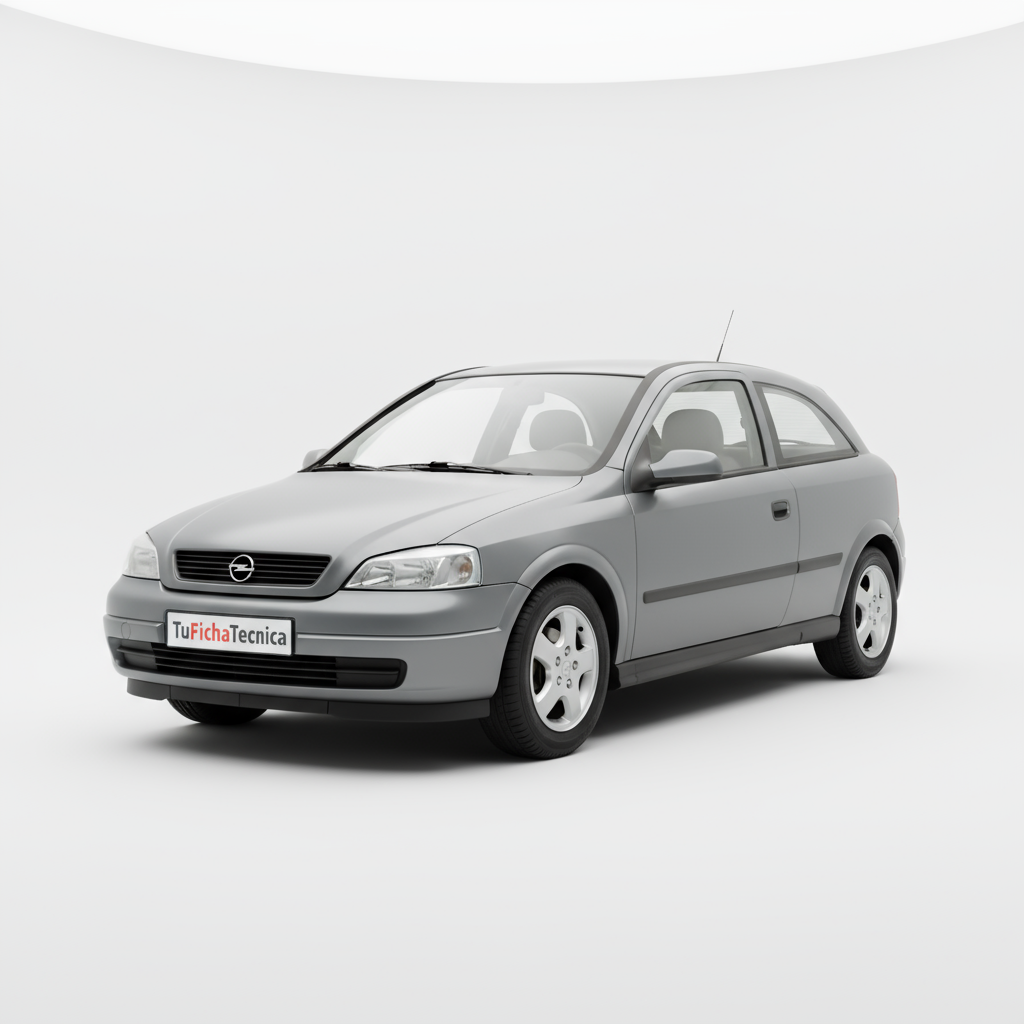
The 1998 Opel Astra, in its 3-door Comfort 1.6 16v Automatic version, presents itself as a compact and functional option for its time. With a 101 hp gasoline engine and a 4-speed automatic transmission, this model aimed to offer comfortable and uncomplicated daily driving. Its design, although discreet, integrated well into the automotive landscape of the late 90s, promising a practical and accessible vehicle for a wide audience.
Driving experience
Behind the wheel of the 1998 Astra, the predominant sensation is one of smooth and relaxed driving, especially thanks to its automatic transmission. The 101 hp of the 1.6 16v engine offer adequate response for most urban and road situations, although dazzling acceleration is not expected (13.5 seconds from 0 to 100 km/h). The McPherson front and trailing arm rear suspension contributes to acceptable ride comfort, absorbing road irregularities. The rack-and-pinion steering, without variable assistance, provides a direct connection to the road, although it may require a little more effort in low-speed maneuvers. Overall, it is a car that invites calm and uneventful driving, ideal for those seeking practicality over sporty emotions.
Design and aesthetics
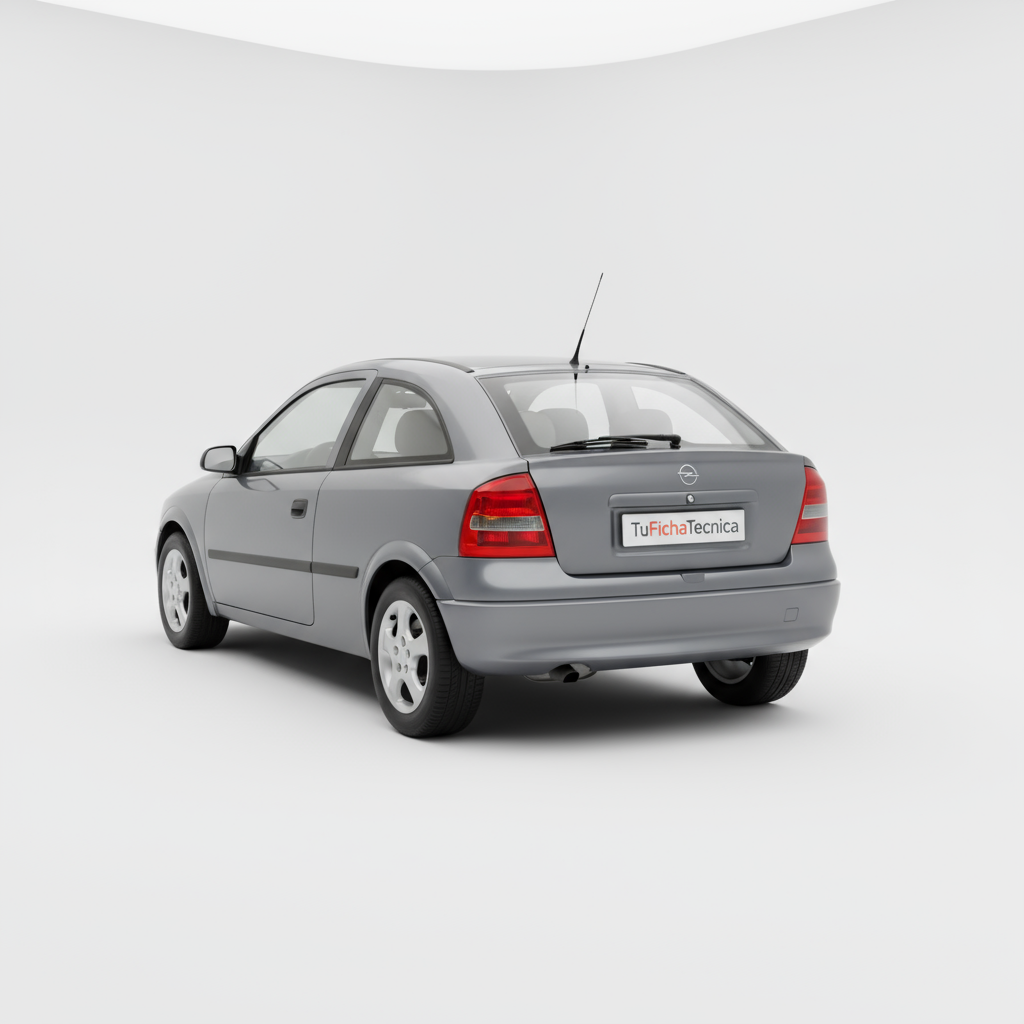
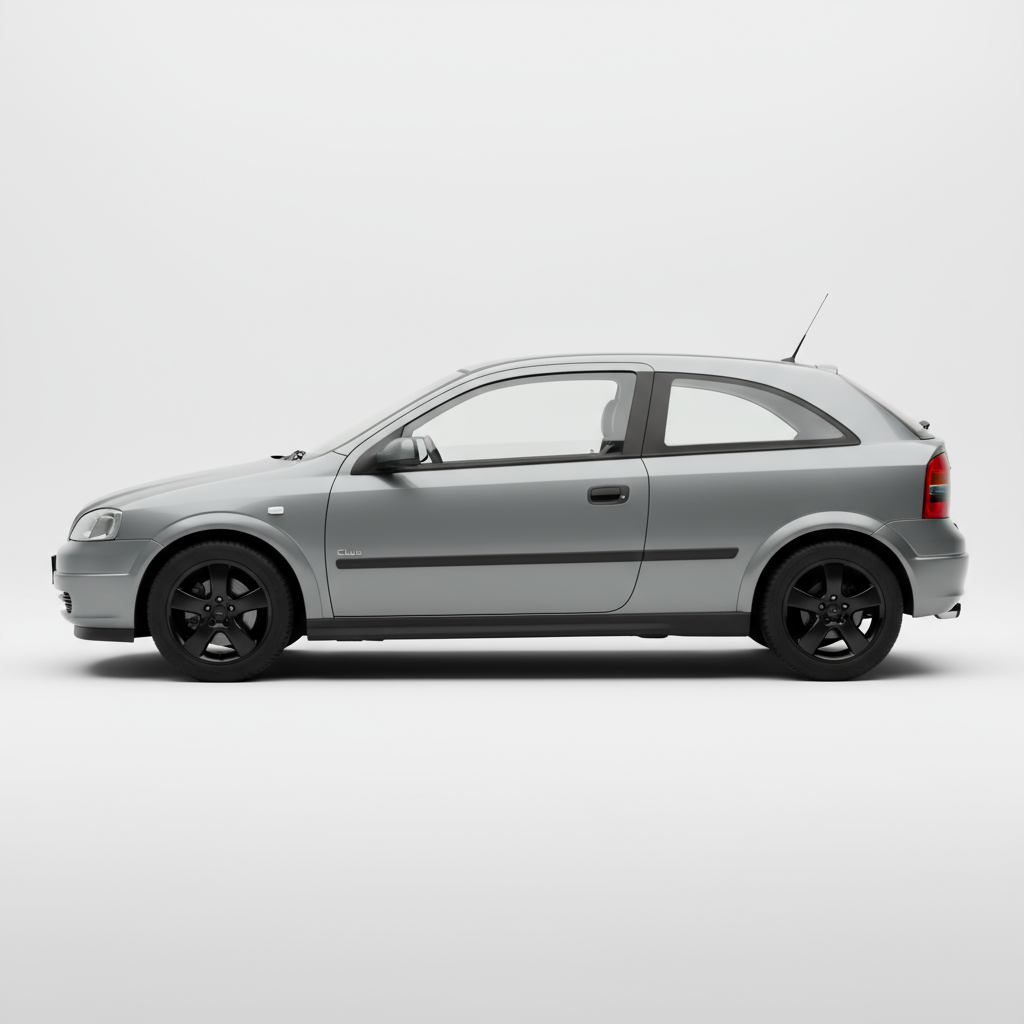
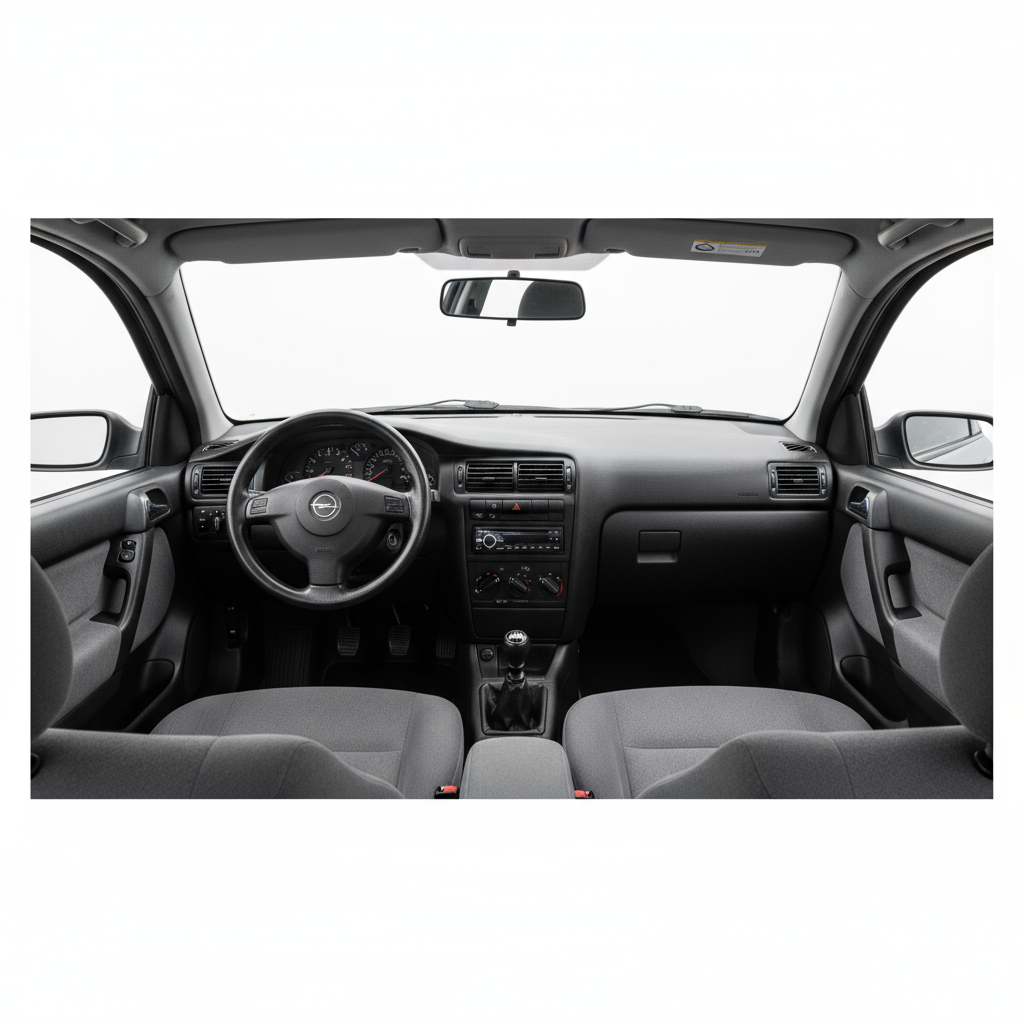
The design of the 1998 Opel Astra, in its 3-door variant, reflects the automotive aesthetic of the late 1990s. Its lines are clean and functional, without great aesthetic flourishes, but with a solid and recognizable presence. The 3-door body gives it a more youthful and dynamic appearance compared to the 5-door versions, without sacrificing practicality. The generous-sized headlights are harmoniously integrated into the front, while the rear is simple and well-proportioned. Inside, the layout of the elements is ergonomic and the materials, although not luxurious, are durable and fulfill their function. It is a design that prioritizes functionality and timelessness, seeking to please a wide audience without falling into eccentricities.
Technology and features
In terms of technology, the 1998 Opel Astra incorporated the usual solutions for its segment at the time. Its 1.6-liter 16-valve gasoline engine, with indirect injection, was a proven and efficient configuration. The 4-speed automatic transmission, although not as sophisticated as current ones, offered significant comfort in daily driving. In terms of safety, it had ventilated disc brakes on the front axle and drums on the rear, a standard configuration. Rack-and-pinion steering and independent front suspension contributed to predictable dynamic behavior. Although it lacked modern driving aids, its technology was aimed at offering a reliable and accessible driving experience.
Competition
At the time, the 1998 Opel Astra faced tough competition in the compact segment. Its main rivals included models such as the Volkswagen Golf, Ford Focus, Renault Mégane, and Peugeot 306. Each of them offered their own strengths, whether in design, equipment, or driving dynamics. The Astra positioned itself as a balanced option, with a good compromise between comfort, reliability, and cost, seeking to attract buyers who valued the practicality and solidity of the Opel brand.
Conclusion
The 1998 Opel Astra, in its 3-door Comfort 1.6 16v Automatic configuration, represents an important chapter in the history of compact cars. It was a car designed to be a faithful daily companion, offering comfortable and uncomplicated driving thanks to its 101 hp engine and automatic transmission. Its functional design and proven technology made it an attractive option for many. Although it did not stand out for sporty performance or luxuries, its overall balance and reliability consolidated it as a solid alternative in a very competitive segment. It is a vehicle that, despite the passage of time, still evokes the essence of practical and accessible motoring of the late 20th century.