
Especificaciones y análisis del Nissan Qashqai
Power
141HP
Torque
196Nm
Consumption
8.4l/100
Emissions
199g/km
0-100 km/h
10.6s
Top Speed
190km/h
Weight
1490kg
Price
28,150€
Technical summary
Gasolina
Manual 6v
AWD
5 / 5 doors
352 L
65 L
104 kW
Current
Technical specifications
Engine
Capacities
Detailed analysis of the Nissan Qashqai 4x4 2.0 Tekna · 141 CV (2008)
General description
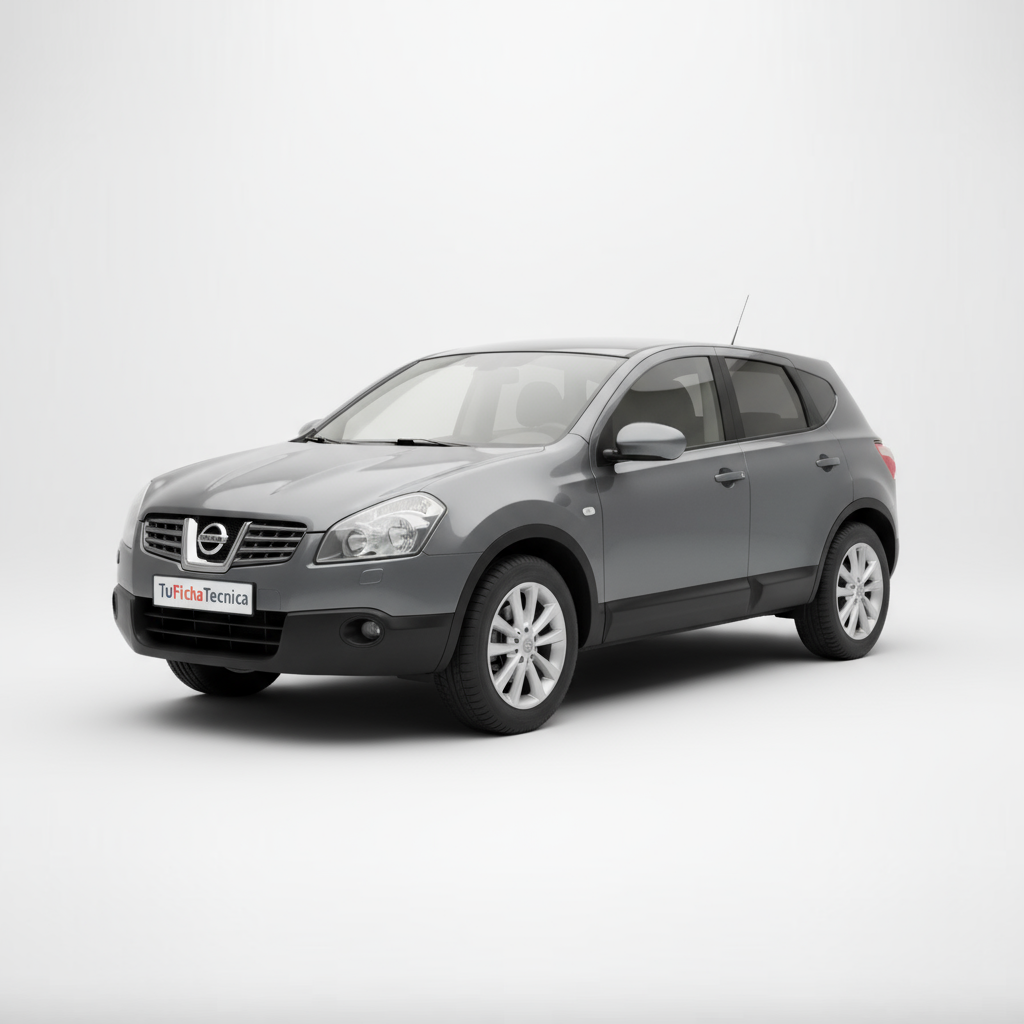
The 2007 Nissan Qashqai, in its 4x4 2.0 Tekna version, marked a before and after in the automotive market. This pioneering crossover, with its 141 hp gasoline engine and all-wheel drive, presented itself as a fresh and versatile alternative, combining the robustness of an SUV with the agility of a passenger car. Its arrival represented a revolution, creating a new segment and attracting those looking for a practical car, with an adventurous aesthetic and dynamic behavior for everyday use.
Driving experience
Behind the wheel of the Qashqai 4x4 2.0 Tekna, the feeling is one of control and safety. Its 141 hp engine, although not an overabundance of power, offers an adequate response for most situations, allowing acceleration from 0 to 100 km/h in 10.6 seconds. The 6-speed manual gearbox is precise and contributes to a pleasant driving experience. The all-wheel drive provides extra confidence in low-grip conditions, while the suspension, with McPherson at the front and deformable parallelogram at the rear, filters out road irregularities well, offering a good balance between comfort and stability. In the city, its contained size facilitates maneuvers, and on the road, it is poised and predictable, inviting you to enjoy every journey.
Design and aesthetics
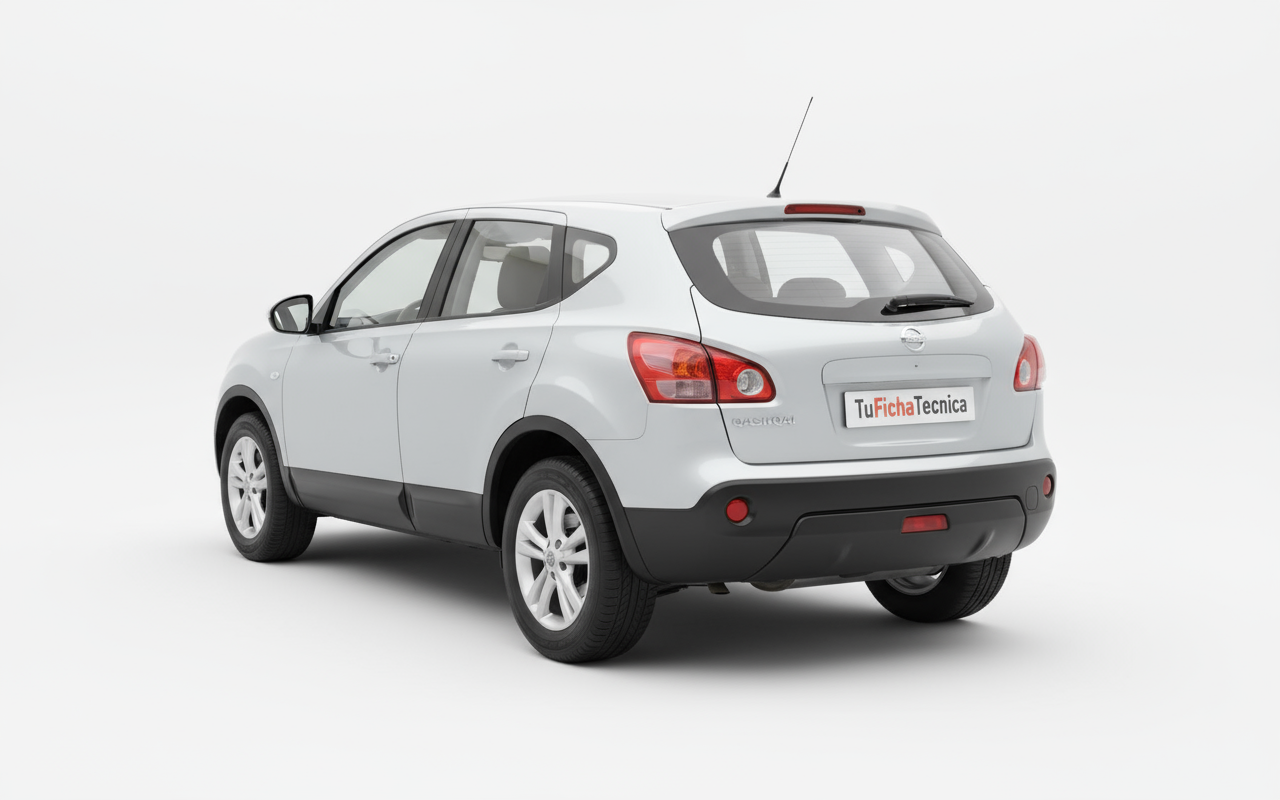
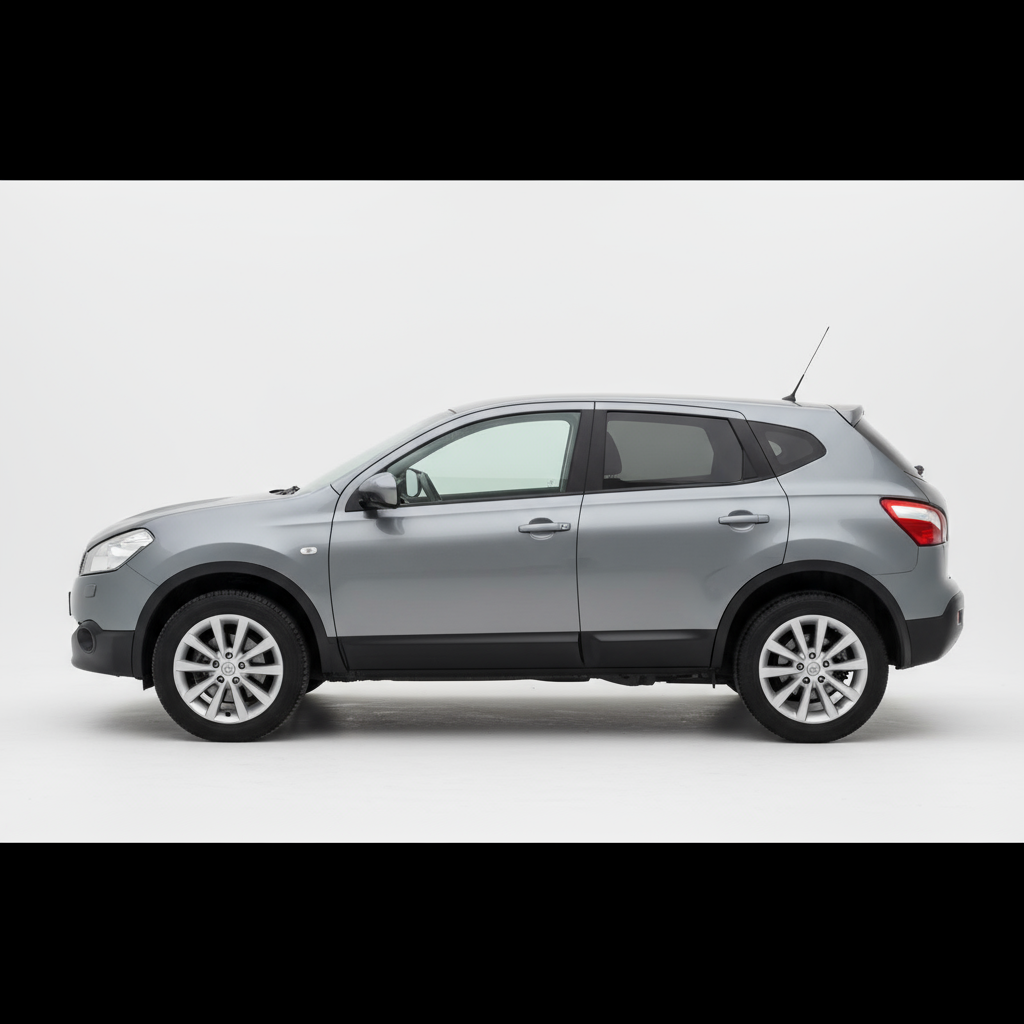
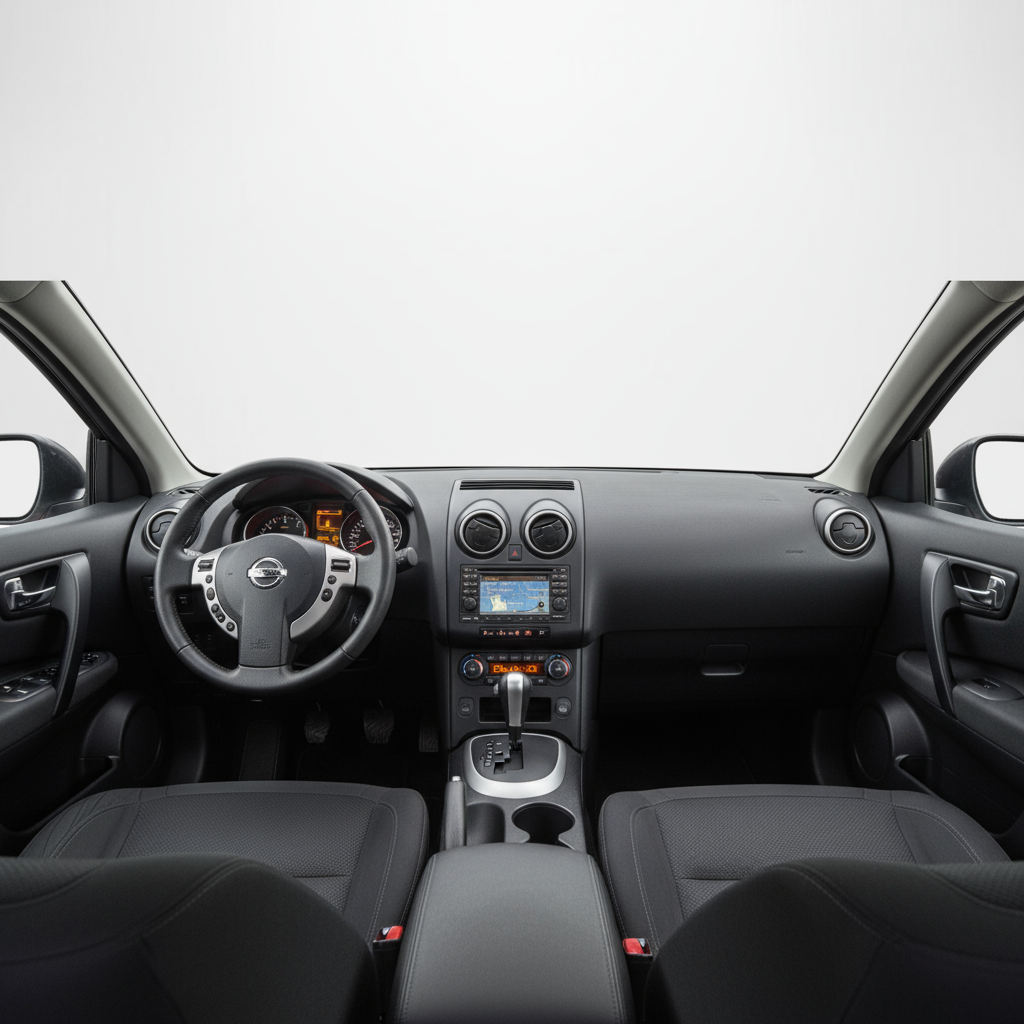
The design of the 2007 Nissan Qashqai was, without a doubt, one of its strong points. It broke with traditional schemes, merging the robustness of an SUV with the elegance and fluid lines of a passenger car. Its 5-door body, with a raised height and marked wheel arches, gave it an adventurous and modern image. Inside, the cabin was functional and well-organized, with acceptable quality materials for the time and a design that prioritized ergonomics. The Tekna version, in addition, added details that enhanced its appeal, such as 17-inch wheels and more complete equipment, which made it stand out in the urban landscape.
Technology and features
In terms of technology, the 2007 Qashqai 4x4 2.0 Tekna incorporated elements that, although they may seem basic today, at the time represented a good level of equipment. It had a 1997 cc gasoline engine, indirect injection, and a power of 141 hp, associated with a 6-speed manual transmission and an all-wheel drive system. In terms of safety, it had ventilated front disc brakes and rear discs, and a well-resolved suspension to offer dynamic behavior. Although it did not stand out for disruptive innovations, its technology was aimed at offering a safe and comfortable driving experience, with a combined consumption of 8.4 l/100km and CO2 emissions of 199 g/km.
Competition
When the Nissan Qashqai burst onto the market, it faced a landscape where traditional SUVs dominated. However, its crossover concept positioned it as a direct rival to models such as the Hyundai Tucson, Kia Sportage, or Toyota RAV4, albeit with a more compact and asphalt-oriented proposal. It also competed with larger compact cars, offering an alternative with greater height and versatility. Its success lay in offering the best of both worlds, attracting an audience looking for something different and more adapted to urban and leisure needs, without giving up a robust aesthetic.
Conclusion
The 2007 Nissan Qashqai 4x4 2.0 Tekna is a car that left an indelible mark. It was the architect of a new category, the crossover, and knew how to win over an audience looking for a versatile vehicle, with an attractive design and dynamic behavior. Its balance between performance, comfort, and ability to tackle different terrains made it a benchmark. Despite the years, it remains a car with a special charm, a pioneer who showed that it was possible to innovate and succeed in such a competitive market. It is a car that, without being perfect, knew how to connect with the emotions of its owners and mark a before and after in automotive history.