
Especificaciones y análisis del Nissan Qashqai
Power
141HP
Torque
196Nm
Consumption
8.2l/100
Emissions
199g/km
0-100 km/h
10.1s
Top Speed
192km/h
Weight
1431kg
Price
20,480€
Technical summary
Gasolina
Manual 6v
FWD
5 / 5 doors
352 L
65 L
104 kW
Current
Technical specifications
Engine
Capacities
Detailed analysis of the Nissan Qashqai 4x2 2.0 Acenta · 141 CV (2007-2008)
General description
The 2007 Nissan Qashqai, in its 4x2 2.0 Acenta version, marked a before and after in the automotive market. This pioneering crossover, with its 141 HP gasoline engine and 6-speed manual gearbox, arrived to offer a fresh and versatile alternative to traditional compacts and more voluminous SUVs. Its proposal was clear: combine the agility of a passenger car with the robustness and elevated driving position of an SUV, all at a competitive price of 20,480 euros at its launch. It was a vehicle that knew how to connect with the needs of a new generation of drivers, seeking practicality, style, and a different driving experience.
Driving experience
Behind the wheel of the Qashqai 2.0 Acenta, the predominant sensation is one of balance. The 141 HP engine, although not an abundance of power, offers adequate response for daily use and road trips, allowing acceleration from 0 to 100 km/h in 10.1 seconds and a top speed of 192 km/h. The 6-speed manual gearbox is precise and contributes to a combined consumption of 8.2 l/100km, reasonable for its time. The suspension, McPherson type at the front and deformable parallelogram at the rear, filters road irregularities well, providing notable comfort without excessively sacrificing stability in curves. The steering, although lacking the sportiest feedback, is smooth and facilitates maneuvers in the city. The elevated driving position inspires confidence and improves visibility, making every journey a pleasant and safe experience.
Design and aesthetics
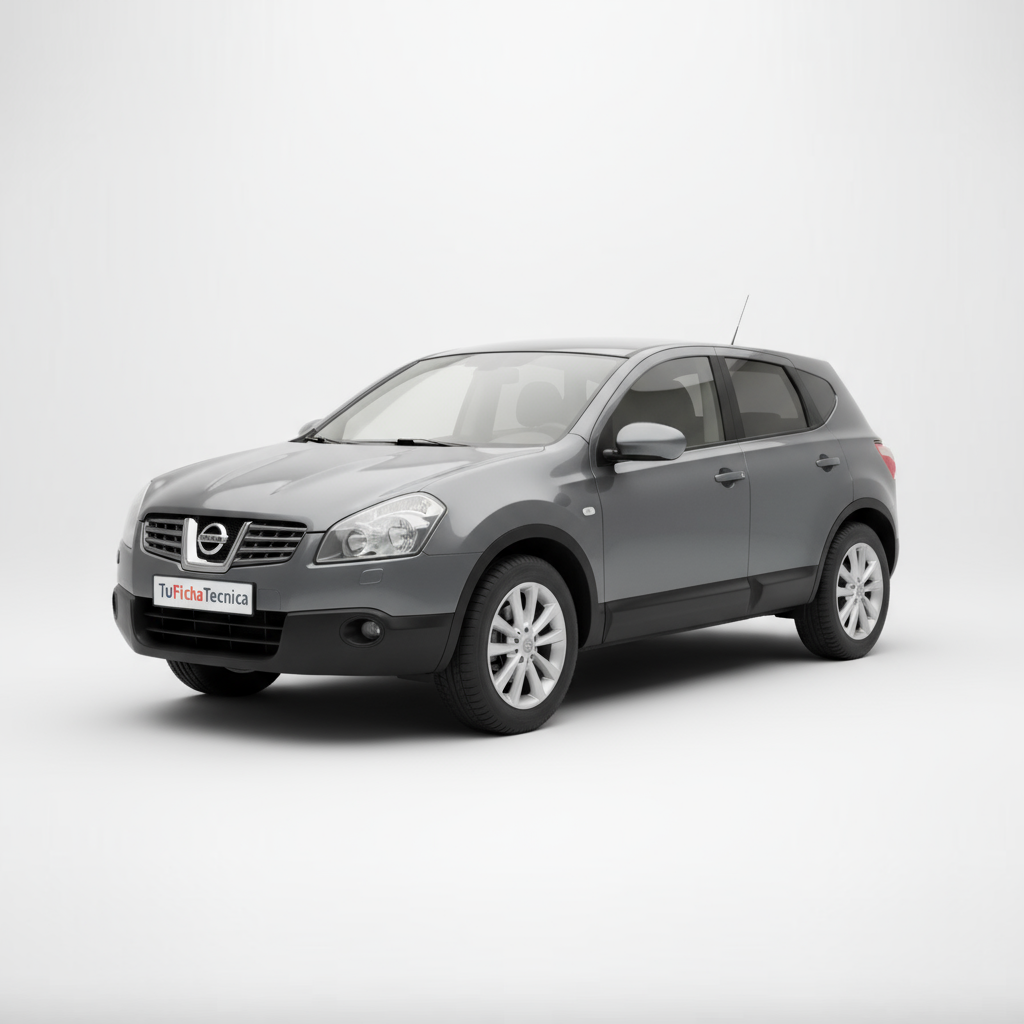
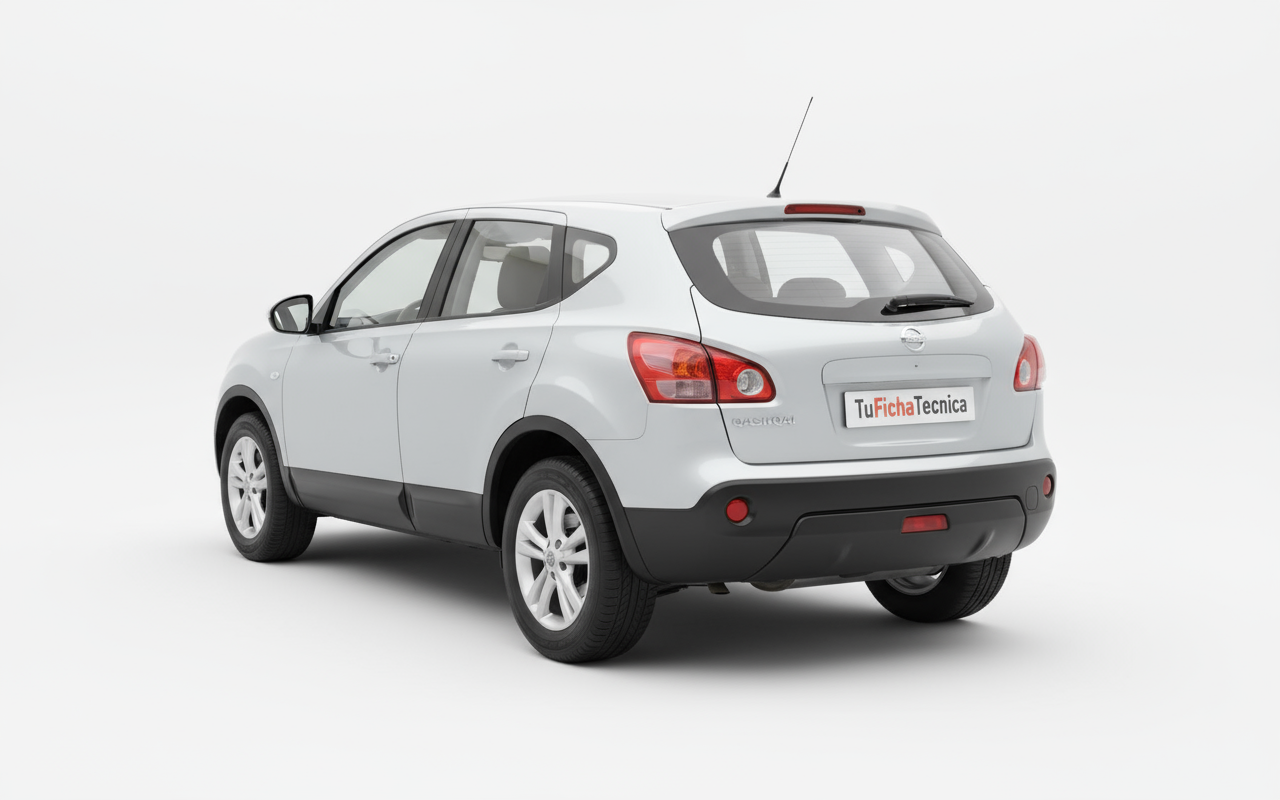
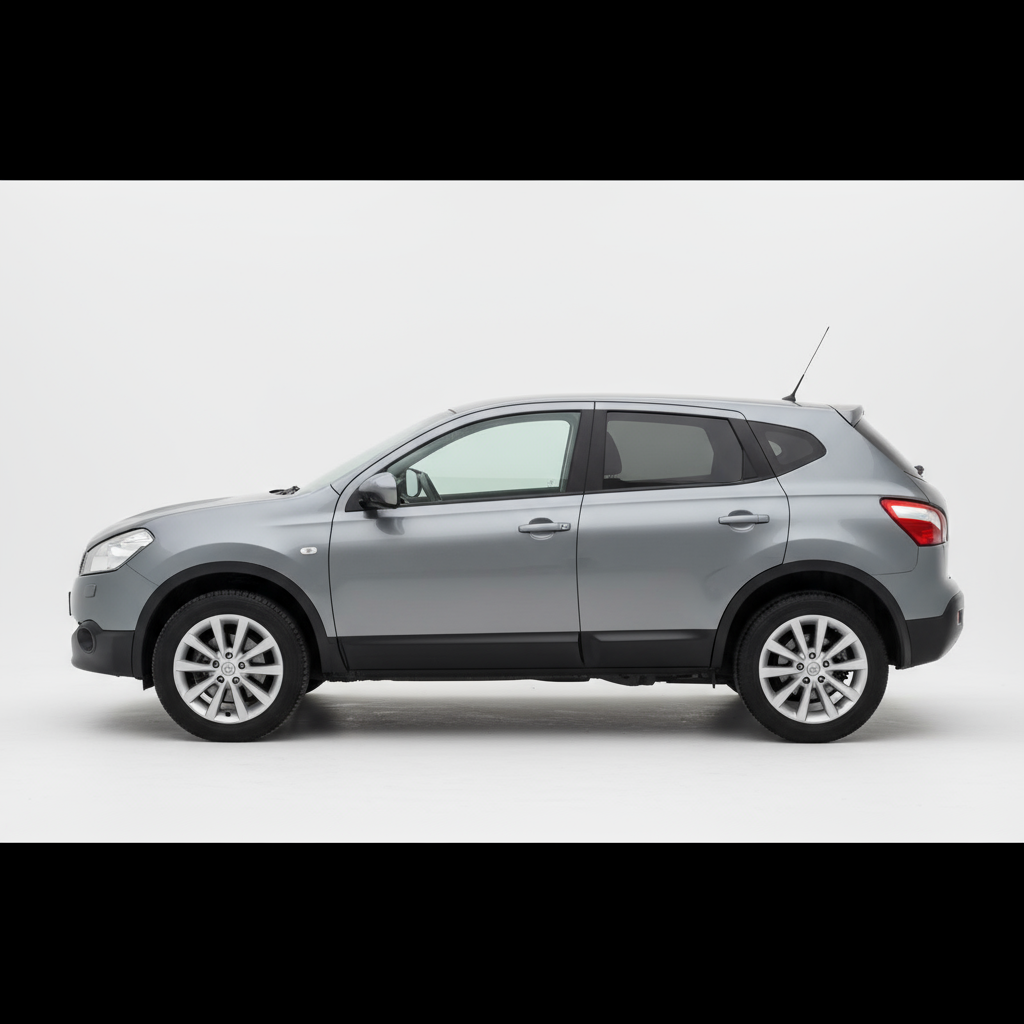
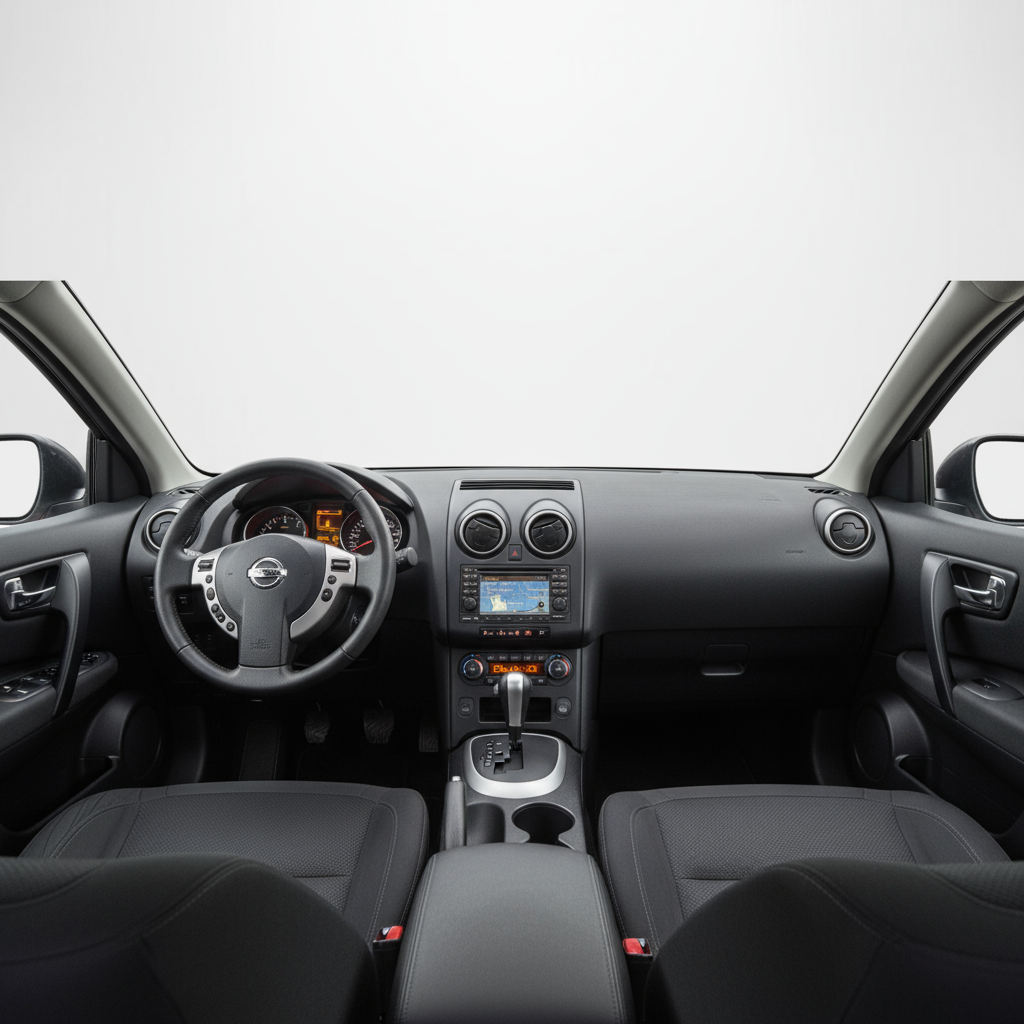
The design of the 2007 Nissan Qashqai was, without a doubt, one of its strong points and the key to its success. It broke molds with an aesthetic that fused the elegance of a passenger car with the robustness of an SUV. Its fluid and dynamic lines, along with a slightly higher ground clearance, gave it a distinctive presence on the road. The elongated headlights, the characteristic Nissan front grille, and the marked wheel arches contributed to a modern and attractive image. Inside, the design was functional and ergonomic, with acceptable quality materials for its segment and an intuitive layout of controls. Despite its compact dimensions (4315 mm long, 1783 mm wide, and 1606 mm high), it offered a spacious cabin and a 352-liter trunk, ideal for family needs.
Technology and features
In 2007, the Nissan Qashqai 2.0 Acenta incorporated technology that, while not revolutionary, was practical and functional. Its 1997 cc gasoline engine with indirect injection and 16 valves, built in aluminum, was a reliable and efficient powertrain. The 6-speed manual transmission was a standard at the time to optimize consumption and performance. In terms of safety, it featured ventilated front disc brakes and rear discs, and it is expected that it included the basic active and passive safety systems for the time. Although it did not have the advanced driving aids of today, its equipment was designed to offer a safe and comfortable driving experience, with elements such as power steering and a well-calibrated suspension system to absorb road imperfections.
Competition
When the Nissan Qashqai burst onto the market in 2007, it faced an automotive landscape in full evolution. Its main rivals were, on the one hand, traditional compacts such as the Volkswagen Golf, the Ford Focus, or the Renault Mégane, which it surpassed in versatility and driving height. On the other hand, it competed with larger and often more expensive SUVs, such as the Toyota RAV4 or the Honda CR-V, offering a more compact and accessible alternative. Its success lay in creating a new niche, that of compact crossovers, which would soon be imitated by many other manufacturers. Its value proposition, combining the best of both worlds, positioned it as a benchmark and a formidable competitor in an emerging segment.
Conclusion
The 2007 Nissan Qashqai 4x2 2.0 Acenta was much more than a car; it was a visionary that redefined the concept of a family vehicle. Its combination of attractive design, practical versatility, and a balanced driving experience catapulted it to success, creating a new category of vehicles that today dominates the market. With a launch price of 20,480 euros, it offered exceptional value for those looking for a car capable of adapting to urban life and weekend getaways. Its legacy endures, and its influence is felt in every crossover we see on our roads today. It was a car that knew how to connect with the emotions and needs of an era, leaving an indelible mark on automotive history.