
Especificaciones y análisis del Nissan Qashqai
Power
141HP
Torque
196Nm
Consumption
8.1l/100
Emissions
192g/km
0-100 km/h
10.1s
Top Speed
192km/h
Weight
1431kg
Price
22,100€
Technical summary
Gasolina
Manual 6v
FWD
5 / 5 doors
352 L
65 L
104 kW
Current
Technical specifications
Engine
Capacities
Detailed analysis of the Nissan Qashqai 4x2 2.0 Tekna · 141 CV (2008)
General description
The 2007 Nissan Qashqai, in its 4x2 2.0 Tekna version, marked a before and after in the automotive market. This compact SUV, with its 141 hp gasoline engine and 6-speed manual gearbox, was presented as a fresh and versatile alternative, combining the robustness of an off-road vehicle with the agility of a passenger car. Its arrival marked the birth of a segment we now know as crossover, conquering those who sought a practical car for everyday use without sacrificing an adventurous aesthetic.
Driving experience
Behind the wheel of the Qashqai, the feeling is one of control and comfort. Its 2.0-liter, 141 hp engine offers adequate response for most situations, with a 0 to 100 km/h acceleration in 10.1 seconds which, while not dazzling, is sufficient for agile movement. The six-speed manual gearbox allows for precise handling and helps optimize consumption, which stands at 8.1 l/100km in combined cycle. The suspension, McPherson type at the front and deformable parallelogram at the rear, filters out road irregularities well, providing a smooth and pleasant ride. The steering, although not the most communicative, fulfills its function, and the ventilated front disc brakes and rear discs offer safe stopping. In general, the Qashqai conveys a sense of solidity and confidence, ideal for daily use and occasional getaways.
Design and aesthetics
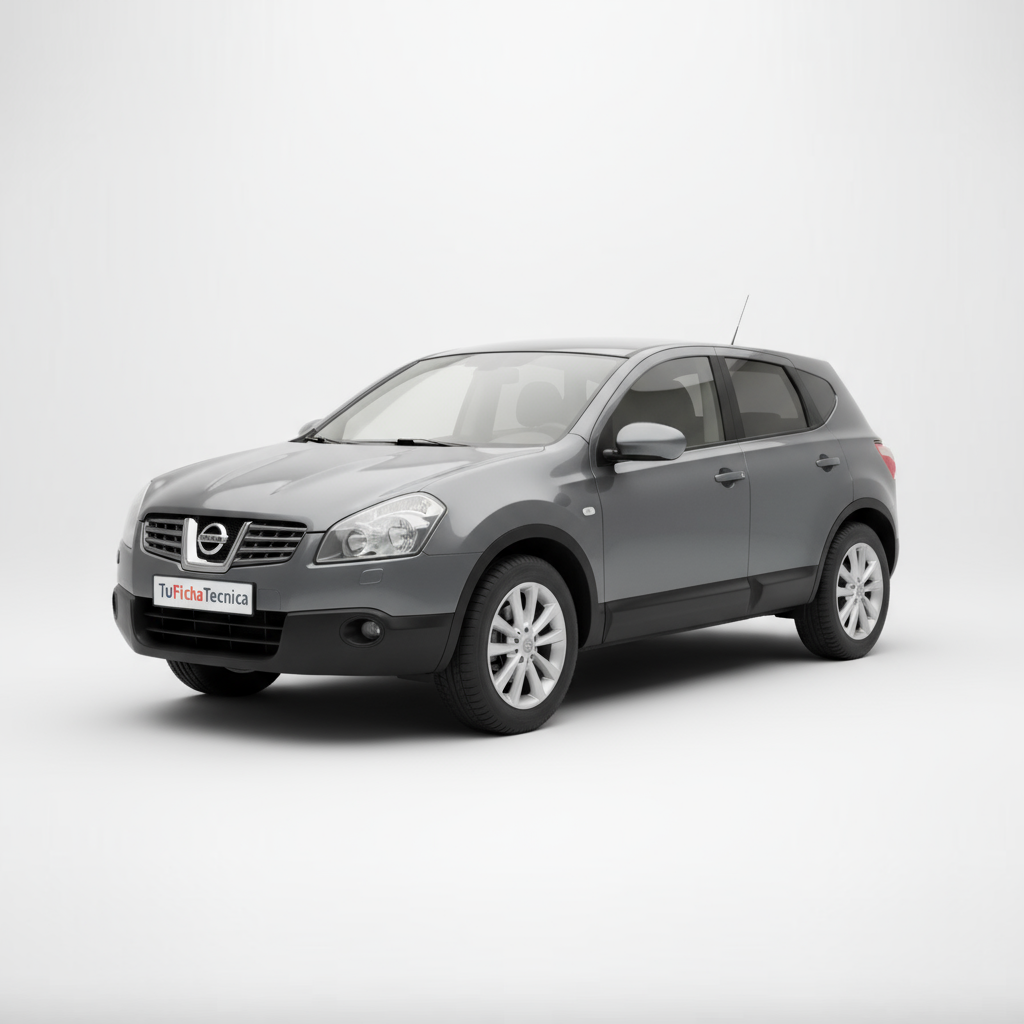
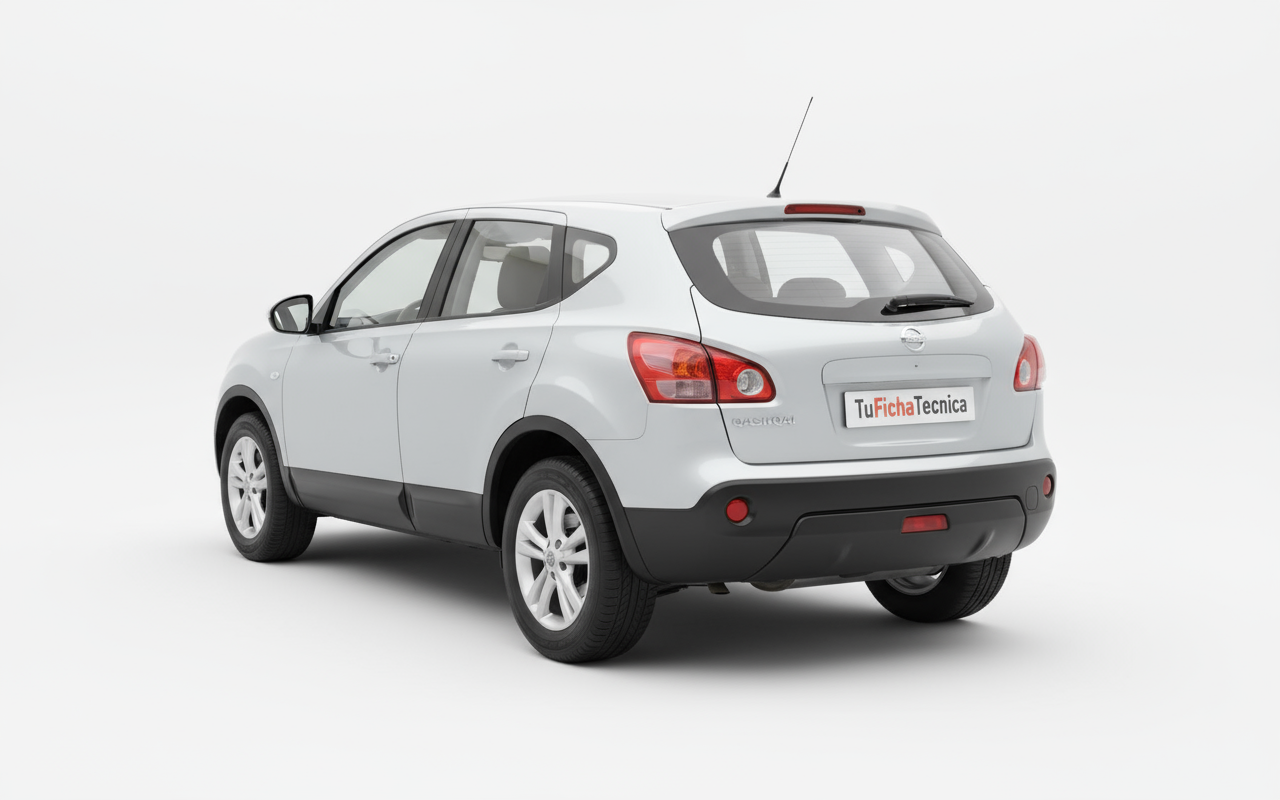
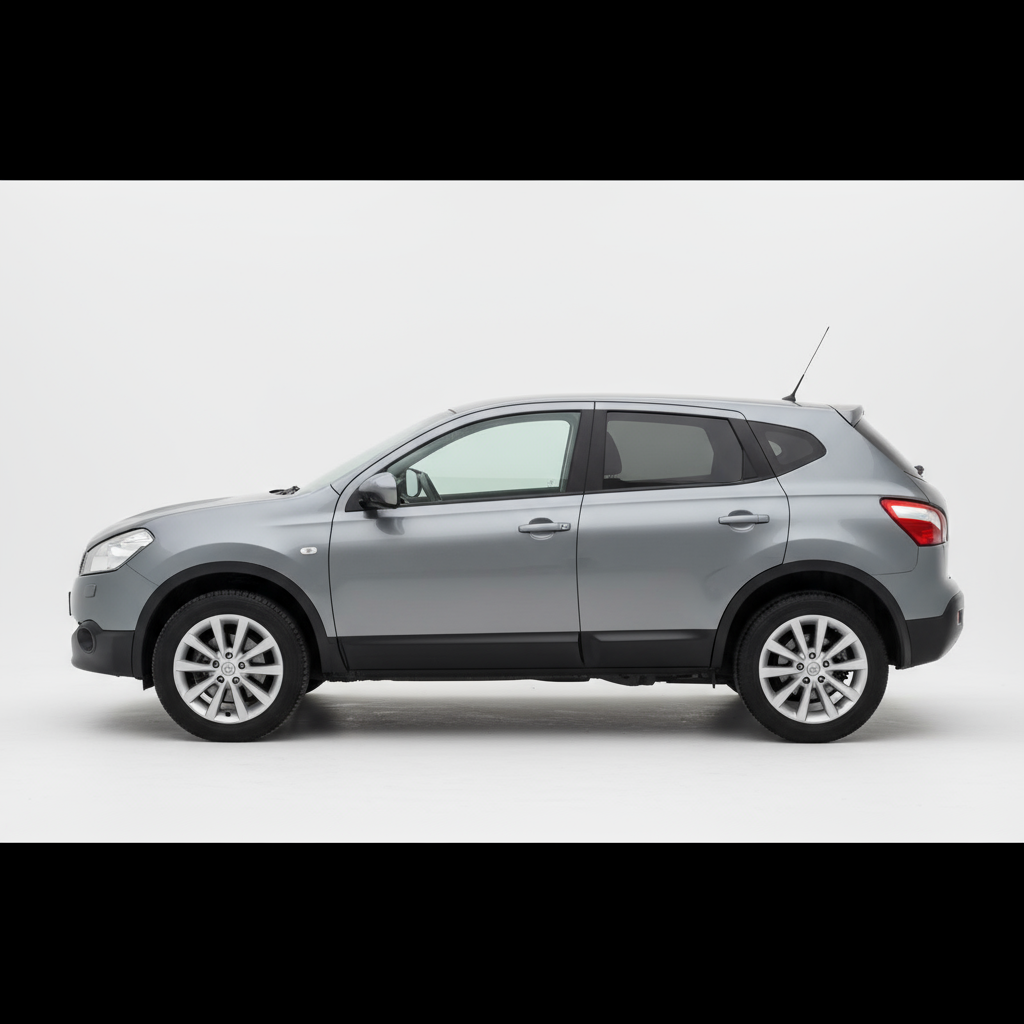
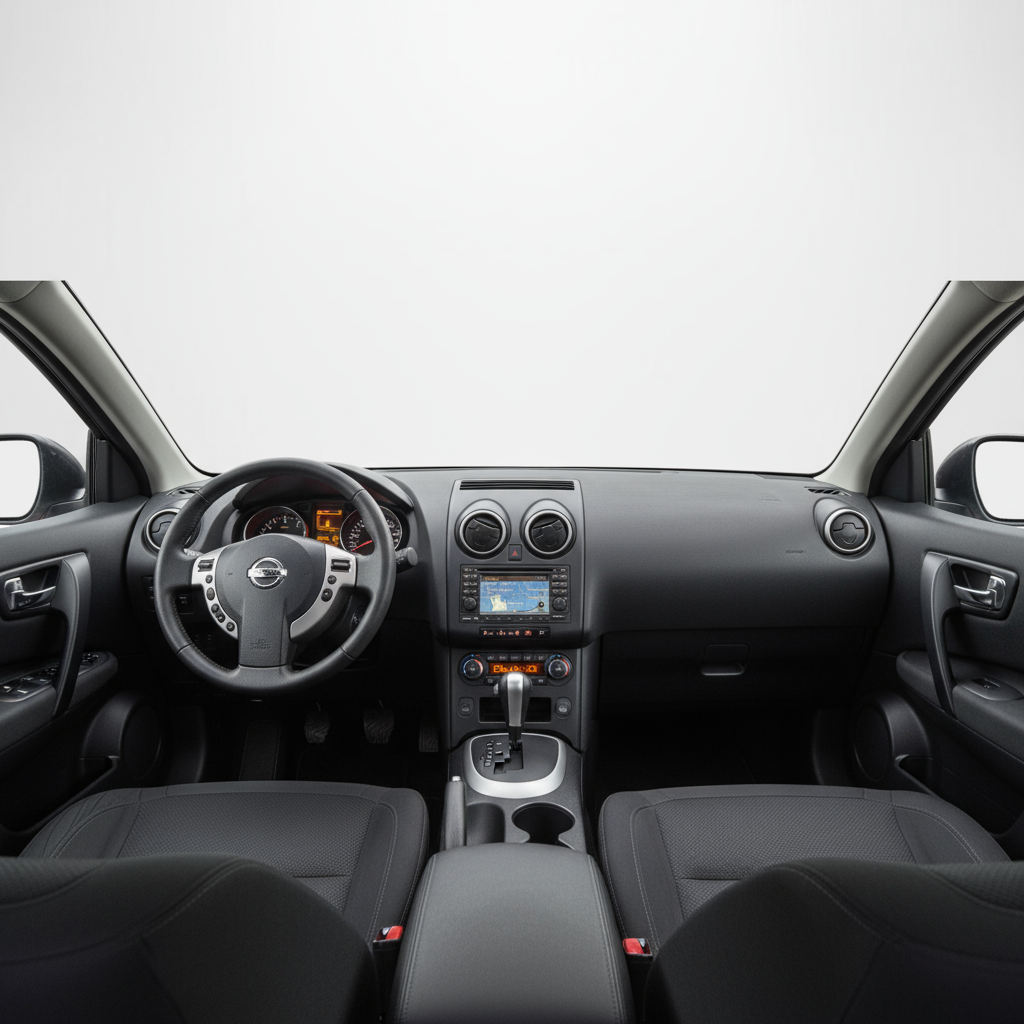
The design of the 2007 Nissan Qashqai was, without a doubt, one of its strong points and the key to its success. With dimensions of 4315 mm long, 1783 mm wide, and 1606 mm high, it presented a robust yet elegant silhouette. Its fluid lines and elevated height gave it an imposing presence on the road, clearly differentiating it from conventional passenger cars. The front, with its slanted headlights and distinctive grille, gave it a modern and dynamic character. Inside, the design was functional and ergonomic, with good quality materials for the time and a well-organized dashboard. The seats, comfortable and with good support, invited long journeys. The aesthetics of the Qashqai were a success, achieving a perfect balance between the practicality of an SUV and the sophistication of a passenger car.
Technology and features
In terms of technology, the 2007 Nissan Qashqai incorporated elements that placed it at the forefront of its segment. Although it did not have current touch screens and connectivity systems, it offered complete equipment for its time. The 1997 cc gasoline engine, with indirect injection and a compression ratio of 10.2, stood out for its efficiency and reliability. The 6-speed manual transmission allowed precise control over power. In terms of safety, it had ABS brakes, stability control, and multiple airbags, elements that contributed to safe driving. The suspension system, with McPherson at the front and deformable parallelogram at the rear, guaranteed good dynamic behavior and remarkable ride comfort. Although technology has evolved a lot since then, the Qashqai laid the foundations for what we expect from a modern crossover today.
Competition
When the Nissan Qashqai burst onto the market in 2007, it faced an automotive landscape in full transformation. Its main rivals were models such as the Toyota RAV4, the Honda CR-V, or the Hyundai Tucson, SUVs that already had a consolidated trajectory. However, the Qashqai managed to differentiate itself with a more compact proposal, a more urban design, and a competitive price, creating a new market niche: that of crossovers. Its success lay in offering the best of two worlds: the versatility and aesthetics of an off-road vehicle, with the agility and consumption of a passenger car. This combination quickly made it a benchmark and a tough competitor for established models, forcing other brands to redefine their strategies and launch their own proposals in this emerging segment.
Conclusion
The 2007 Nissan Qashqai, in its 4x2 2.0 Tekna version, was a car that marked an era. Its innovative design, its balance between performance and consumption, and its practical approach made it a sales success and the pioneer of a segment that is now one of the most popular. It offered a pleasant driving experience, a spacious interior, and complete equipment for its time. Although years have passed and technology has advanced, the first-generation Qashqai is still a highly valued car in the used car market, demonstrating the solidity of its concept and Nissan's vision in creating it. It was, without a doubt, a car that knew how to connect with the needs and desires of drivers, leaving an indelible mark on automotive history.