
Especificaciones y análisis del Nissan Qashqai
Power
141HP
Torque
196Nm
Consumption
8.4l/100
Emissions
204g/km
0-100 km/h
10.6s
Top Speed
190km/h
Weight
1490kg
Price
23,380€
Technical summary
Gasolina
Manual 6v
AWD
5 / 5 doors
352 L
65 L
104 kW
Current
Technical specifications
Engine
Capacities
Detailed analysis of the Nissan Qashqai 4x4 2.0 Acenta · 141 CV (2007-2008)
General description
The 2007 Nissan Qashqai, in its 4x4 2.0 Acenta version, marked a before and after in the automotive market. This pioneering crossover, with its 141 hp gasoline engine and all-wheel drive, arrived to offer a fresh and versatile alternative to traditional compacts and SUVs. Its proposal combined the agility of a passenger car with the robustness and elevated driving position of an SUV, quickly conquering a public looking for something different and practical for daily use and weekend getaways.
Driving experience
Behind the wheel of the 2007 Qashqai, the feeling is one of control and safety. The elevated driving position offers excellent visibility, while its 2.0-liter, 141 hp engine, associated with a six-speed manual gearbox, responds competently in most situations. Although it is not a sports car, its acceleration from 0 to 100 km/h in 10.6 seconds and its top speed of 190 km/h are more than adequate for family use. The 4x4 traction provides extra confidence in low-grip conditions, and its suspension, McPherson type at the front and deformable parallelogram at the rear, filters out road irregularities well, offering remarkable ride comfort. In the city, its compact size facilitates maneuvers, and on the road, it is stable and predictable.
Design and aesthetics
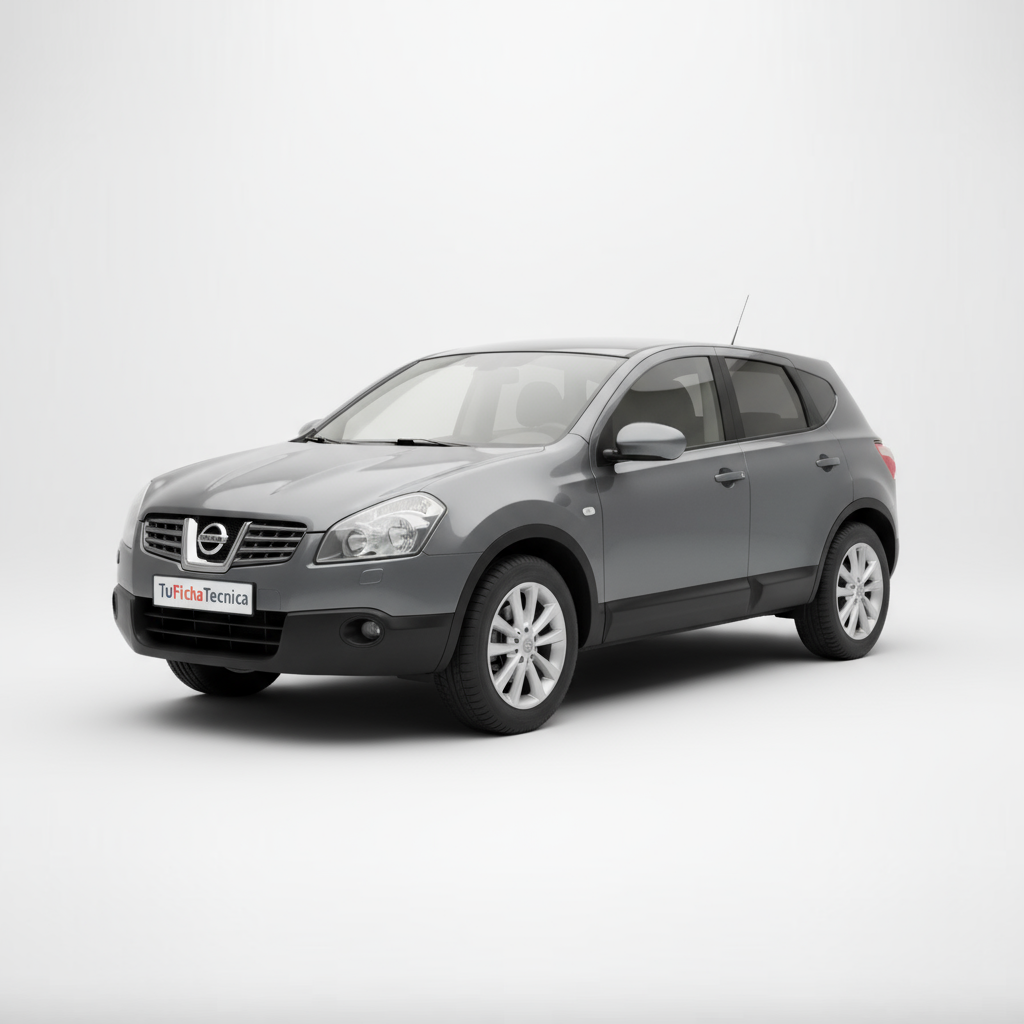
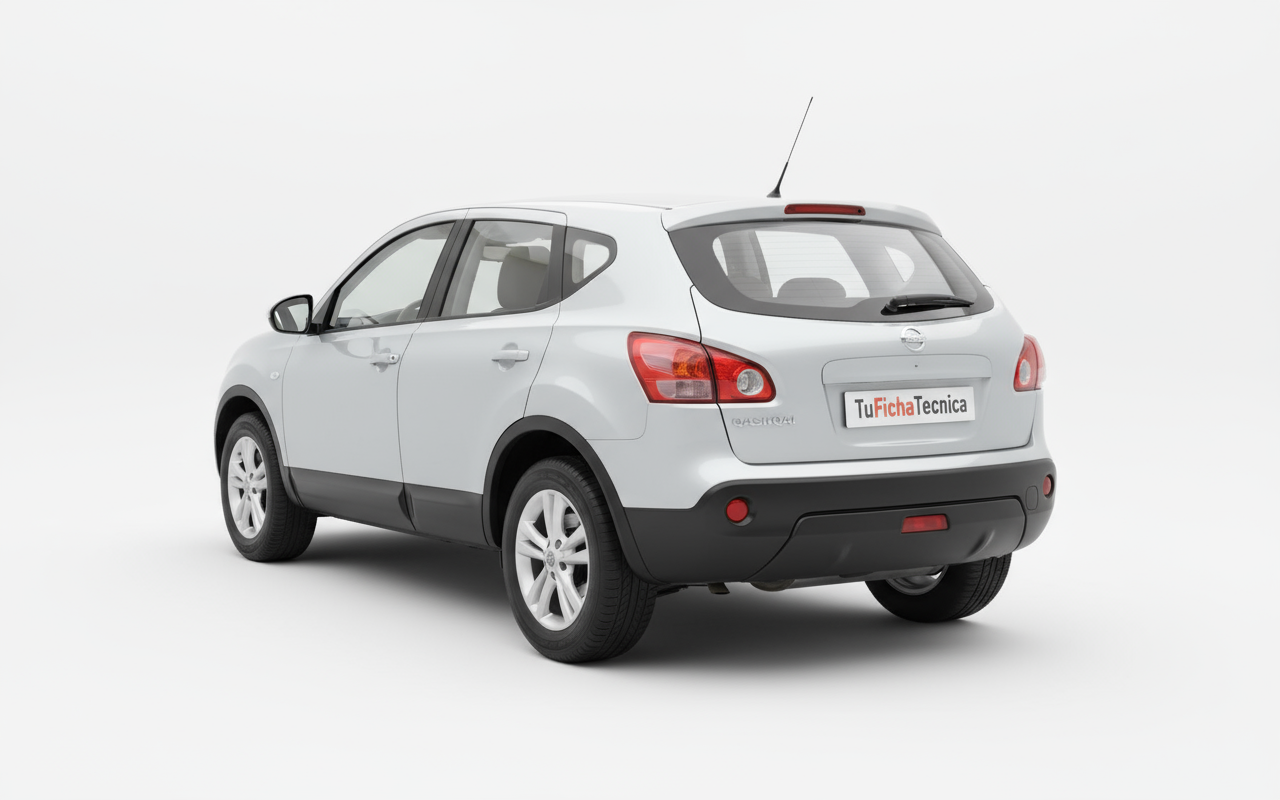
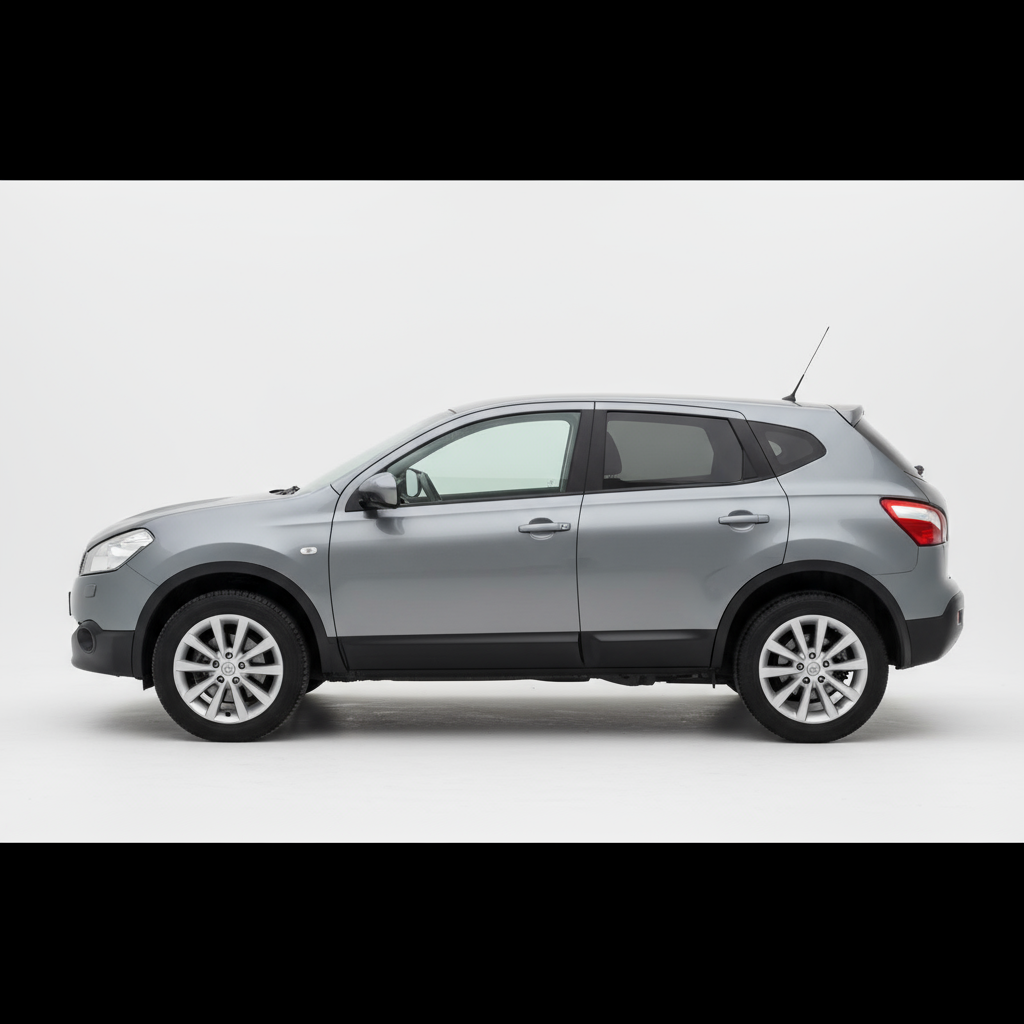
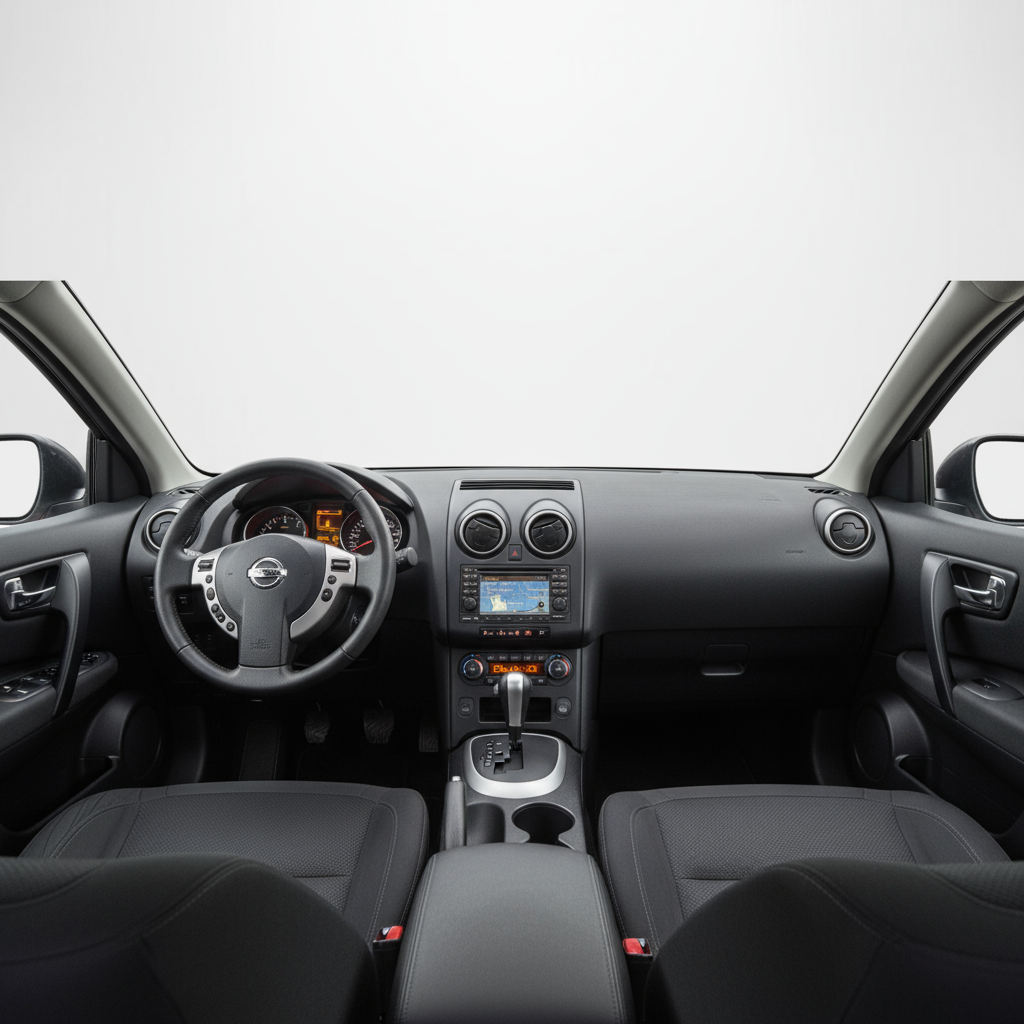
The design of the 2007 Nissan Qashqai was revolutionary for its time. With its fluid and muscular lines, it broke with the more square aesthetic of traditional SUVs, approaching the elegance of a passenger car. Its distinctive front, with elongated headlights and a prominent grille, gave it a strong personality. The marked wheel arches and ground clearance suggested its off-road capabilities, while its compact and balanced silhouette made it attractive to an urban public. The interior, although functional, presented a sober and ergonomic design, with acceptable quality materials and a good arrangement of controls, creating a welcoming and practical environment for its occupants.
Technology and features
In 2007, the Nissan Qashqai 4x4 2.0 Acenta offered technology focused on comfort and safety. Its 1997 cc gasoline engine with indirect injection and 141 hp, along with all-wheel drive, were the heart of its mechanical proposal. In terms of equipment, the Acenta version included elements such as air conditioning, electric windows, central locking, and an audio system. Safety was reinforced with ventilated front disc brakes and rear discs, and a well-calibrated suspension. Although it did not have the latest connectivity innovations of today, its technology was solid and reliable for the time, prioritizing functionality and the driving experience.
Competition
At the time of its launch, the Nissan Qashqai faced rivals such as the Hyundai Tucson, the Kia Sportage, and the Toyota RAV4, all compact SUVs that already had their market share. However, the Qashqai stood out by offering a concept closer to a crossover, with a more urban aesthetic and a dynamic behavior more similar to that of a passenger car, which allowed it to attract a new segment of buyers looking for the versatility of an SUV without giving up the agility of a compact. Its success laid the groundwork for the proliferation of this type of vehicle in the following years.
Conclusion
The 2007 Nissan Qashqai 4x4 2.0 Acenta was a vehicle that anticipated market trends, creating a segment that is now one of the most popular. Its combination of attractive design, versatility, comfort, and a competent engine made it a very interesting option for families and people looking for a practical car with an adventurous touch. Despite its combined consumption of 8.4 l/100km and CO2 emissions of 204 g/km, which might seem high today, at the time it represented an adequate balance between performance and efficiency for a vehicle of its characteristics. It is a car that left an important mark on automotive history.