
Especificaciones y análisis del Nissan Qashqai
Power
141HP
Torque
196Nm
Consumption
8.1l/100
Emissions
192g/km
0-100 km/h
10.1s
Top Speed
192km/h
Weight
1431kg
Price
19,200€
Technical summary
Gasolina
Manual 6v
FWD
5 / 5 doors
352 L
65 L
104 kW
Current
Technical specifications
Engine
Capacities
Detailed analysis of the Nissan Qashqai 4x2 2.0 Acenta · 141 CV (2008-2009)
General description
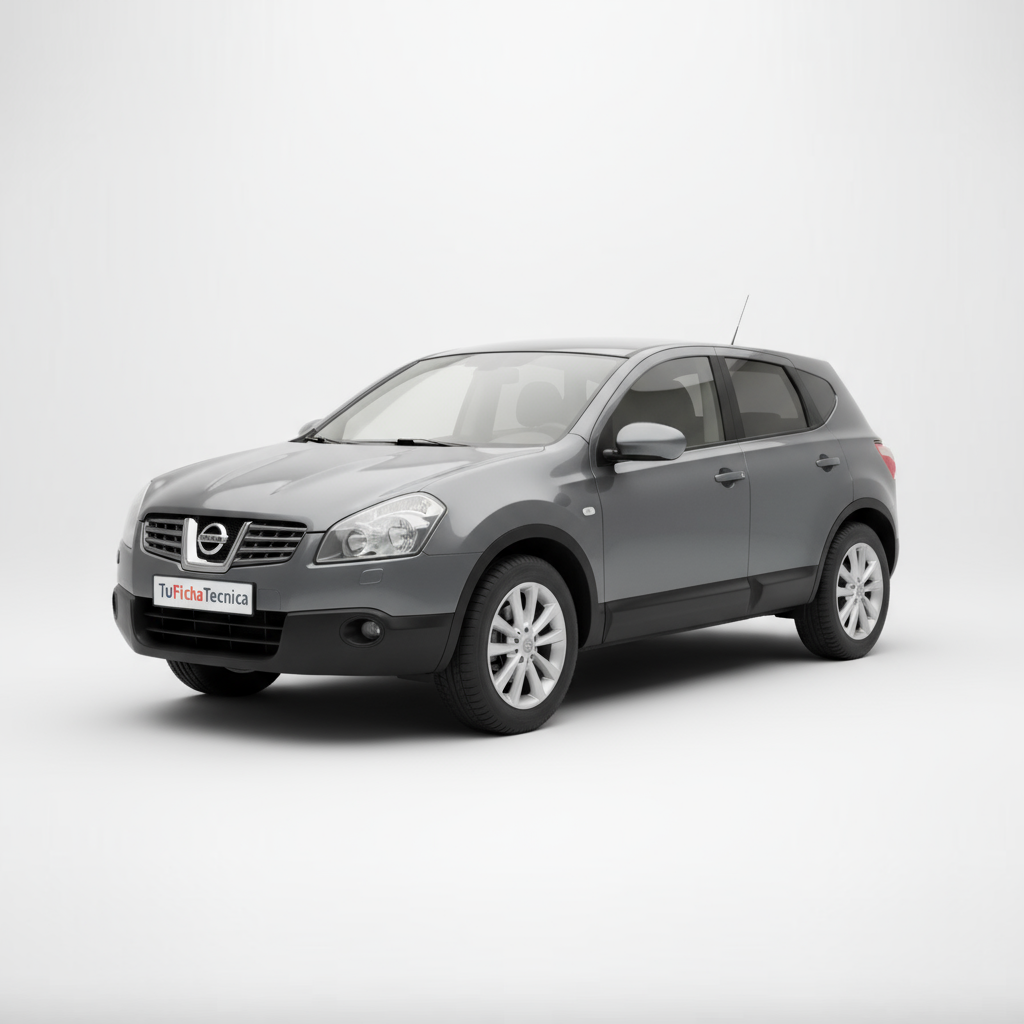
The 2007 Nissan Qashqai 4x2 2.0 Acenta marked a before and after in the compact SUV segment. With its 141 hp gasoline engine and front-wheel drive, this model positioned itself as an attractive option for those seeking the versatility of an SUV without sacrificing the agility of a passenger car. Its launch was a breath of fresh air, combining robust aesthetics with surprisingly dynamic behavior for its category.
Driving experience
Behind the wheel of the Qashqai, the sensation is one of control and comfort. The steering, although not the most communicative, offers adequate assistance for daily use. The 2.0-liter engine responds capably, delivering its 141 hp linearly and allowing acceleration from 0 to 100 km/h in 10.1 seconds, which is more than sufficient for most situations. The McPherson front suspension and deformable parallelogram rear suspension work in harmony to offer a remarkable balance between comfort and stability, absorbing road irregularities without sacrificing confidence in corners. It's a car that invites you to enjoy every journey, whether in the city or on road trips.
Design and aesthetics
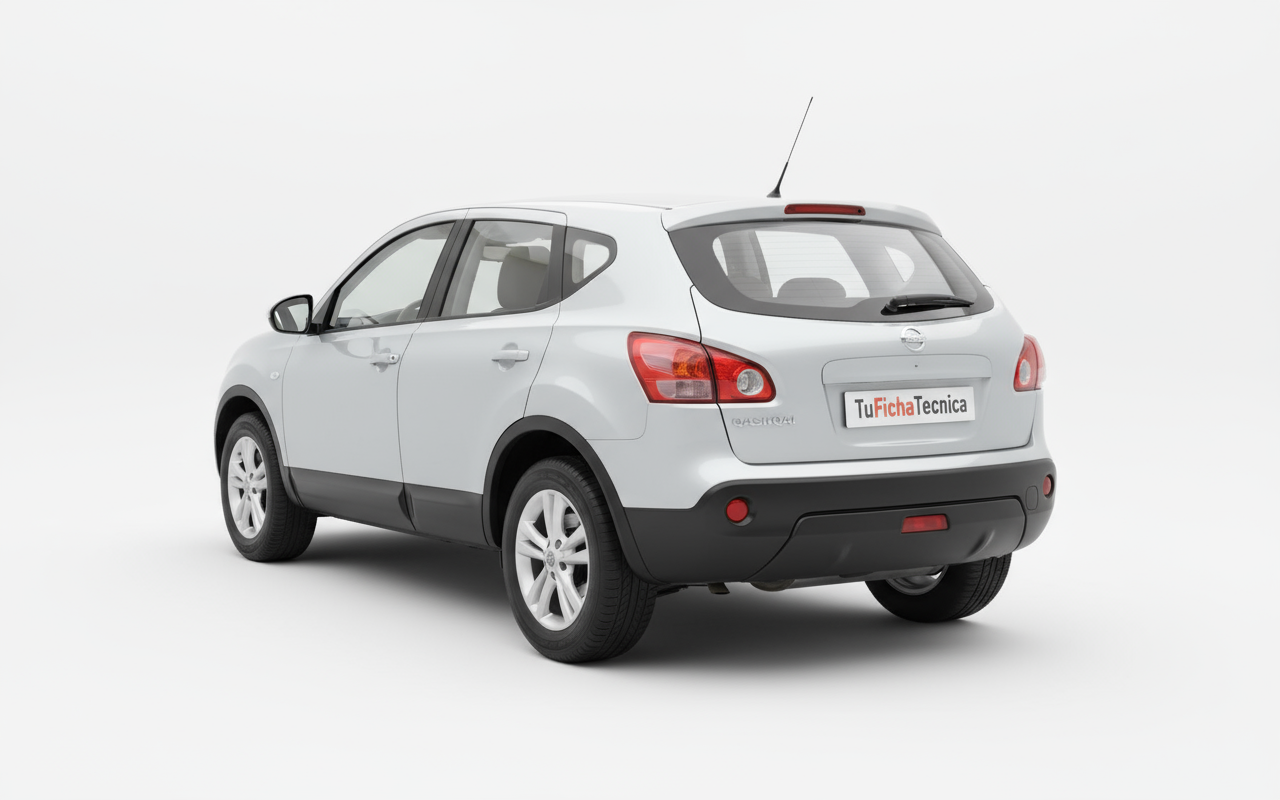
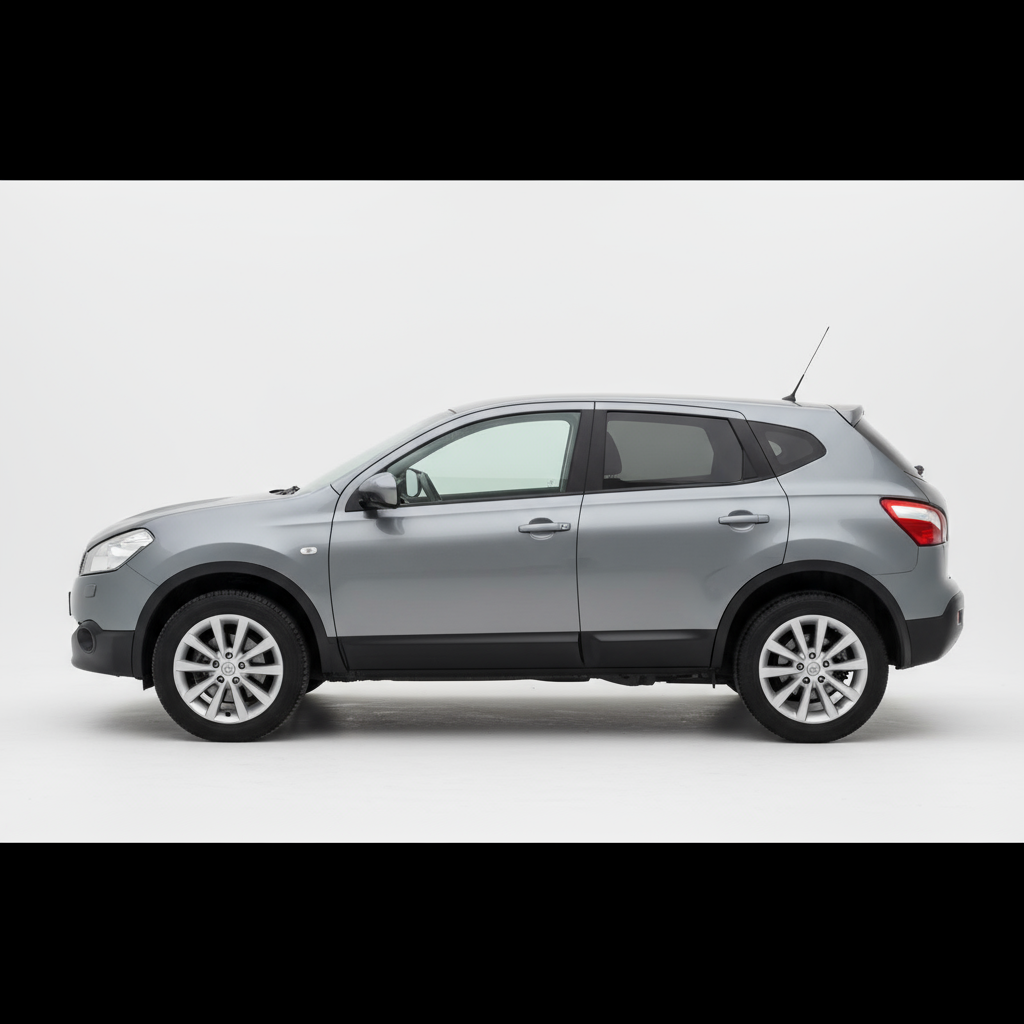
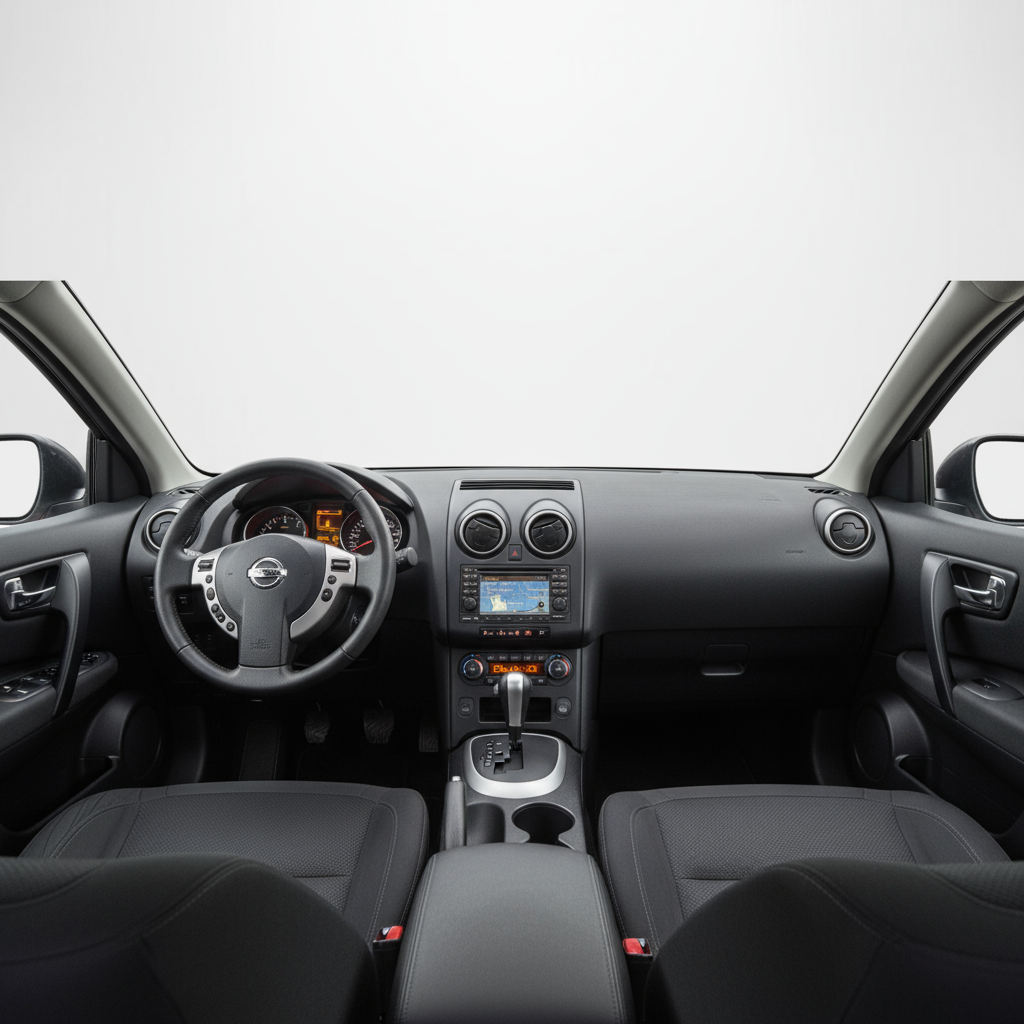
The design of the 2007 Nissan Qashqai was revolutionary. Its fluid lines and elevated stance gave it an imposing presence, but without falling into the aggressiveness of other SUVs. Its compact dimensions (4315 mm long, 1783 mm wide, and 1606 mm high) made it manageable in urban environments, while its robust aesthetic suggested capability for adventures. The interior, though functional, featured a clean and ergonomic design, with materials that, while not luxurious, conveyed solidity and durability. Details such as the 16-inch wheels with 215/65 R16 tires complemented its adventurous and modern image.
Technology and features
At the time, the Nissan Qashqai 4x2 2.0 Acenta offered practical and well-integrated technology. The 1997 cc gasoline engine, with indirect injection and an aluminum cylinder head and block, was an example of efficiency and performance. The 6-speed manual transmission allowed precise control over power delivery. Although it did not have the latest innovations in connectivity or driving assistance that we see today, its equipment focused on the essentials for a pleasant and safe driving experience. The independent suspension on both axles and the ventilated front and solid rear disc brakes ensured dynamic behavior and effective braking.
Competition
In the competitive compact SUV segment, the Nissan Qashqai faced tough rivals such as the Volkswagen Tiguan, the Ford Kuga, and the Toyota RAV4. Each with its own strengths, but the Qashqai managed to differentiate itself by its balance between design, comfort, and an attractive price. Its proposal of a crossover that combined the best of a passenger car and an SUV made it a benchmark and a sales success, paving the way for many of the models that would follow.
Conclusion
The 2007 Nissan Qashqai 4x2 2.0 Acenta is a vehicle that left an indelible mark. Its combination of attractive design, balanced dynamic behavior, and generous habitability made it a very popular option. It is a car that, despite the passage of time, remains a sensible choice for those looking for a reliable and versatile compact SUV. Its success was no coincidence, but the result of a well-executed formula that knew how to connect with the needs and desires of drivers of its time.