
Especificaciones y análisis del Nissan Qashqai
Power
141HP
Torque
196Nm
Consumption
8.2l/100
Emissions
199g/km
0-100 km/h
10.1s
Top Speed
192km/h
Weight
1431kg
Price
22,480€
Technical summary
Gasolina
Manual 6v
FWD
5 / 5 doors
352 L
65 L
104 kW
Current
Technical specifications
Engine
Capacities
Detailed analysis of the Nissan Qashqai 4x2 2.0 Tekna · 141 CV (2007-2008)
General description
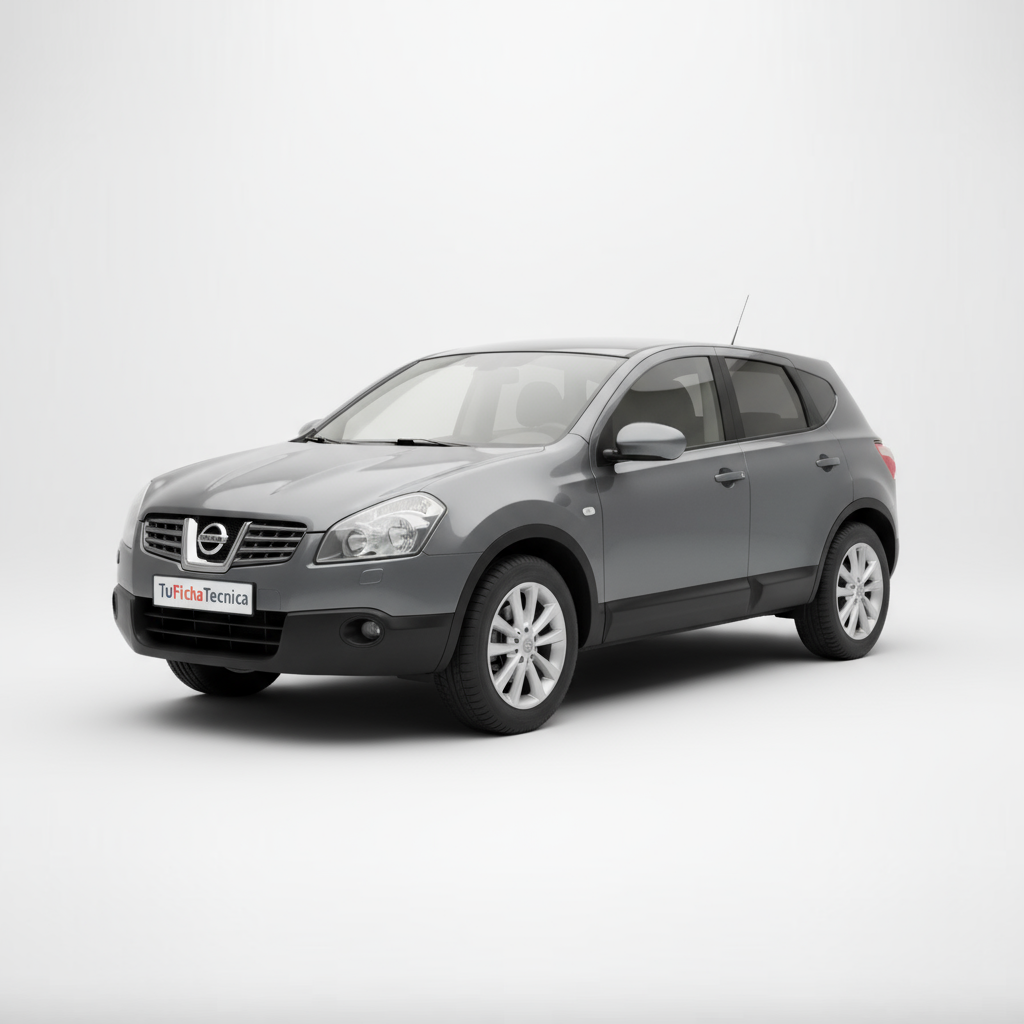
The 2007 Nissan Qashqai 4x2 2.0 Tekna marked a before and after in the automotive market, consolidating itself as the pioneer of compact crossovers. With its combination of SUV aesthetics and the agility of a passenger car, this 141 HP front-wheel-drive model presented itself as a fresh and versatile option for those looking for something different from traditional compacts or minivans. Its arrival was a breath of fresh air, offering a proposal that quickly won over a wide audience, eager for a practical car with a high driving position and an attractive design.
Driving experience
Behind the wheel of the Qashqai 2.0 Tekna, the sensation is one of control and comfort. The 141 HP gasoline engine, while not an abundance of power, offers adequate response for daily use and road trips, with an acceleration from 0 to 100 km/h in 10.1 seconds. The six-speed manual gearbox allows for agile handling and good use of the engine. The suspension, McPherson type at the front and deformable parallelogram at the rear, effectively filters out road irregularities, providing a smooth and comfortable ride. The steering, although not the most communicative, fulfills its function in urban environments and on the road, offering a relaxed and predictable driving experience. Its combined consumption of 8.2 l/100km is reasonable for the time and type of vehicle.
Design and aesthetics
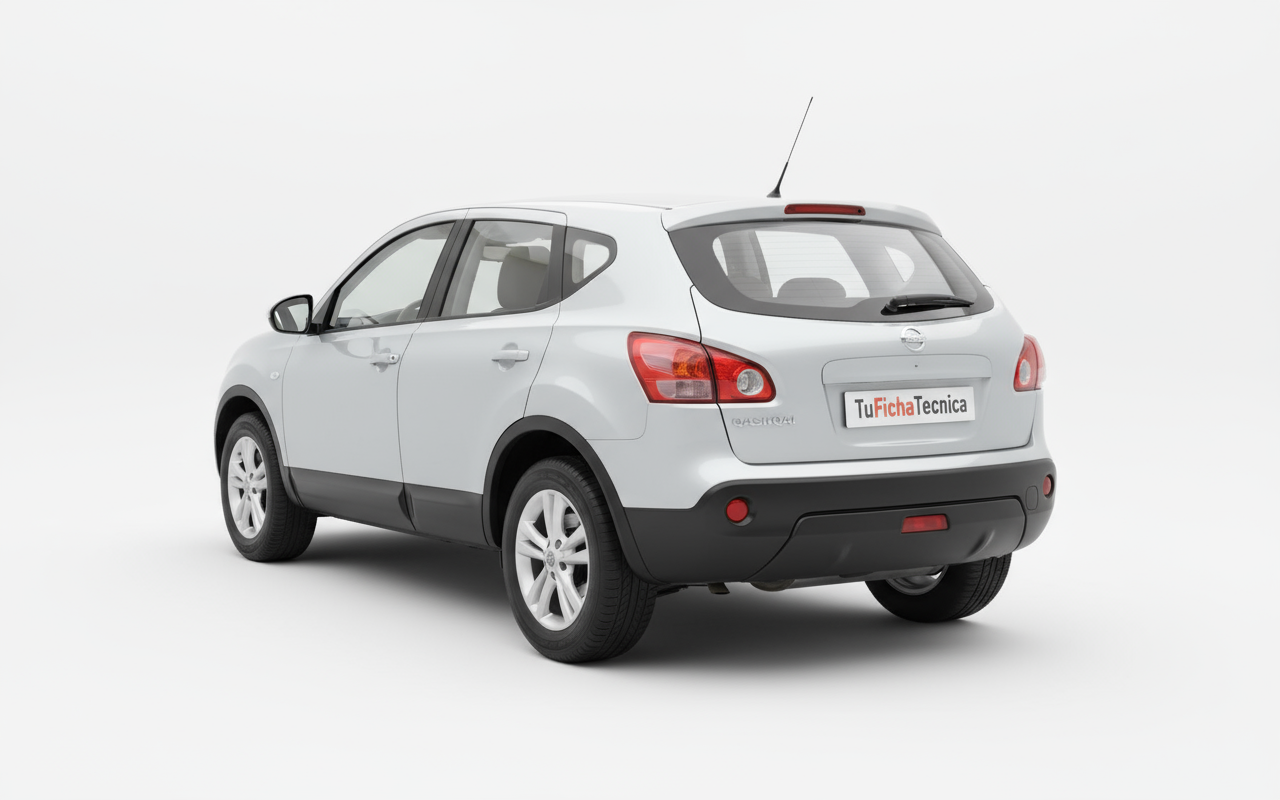
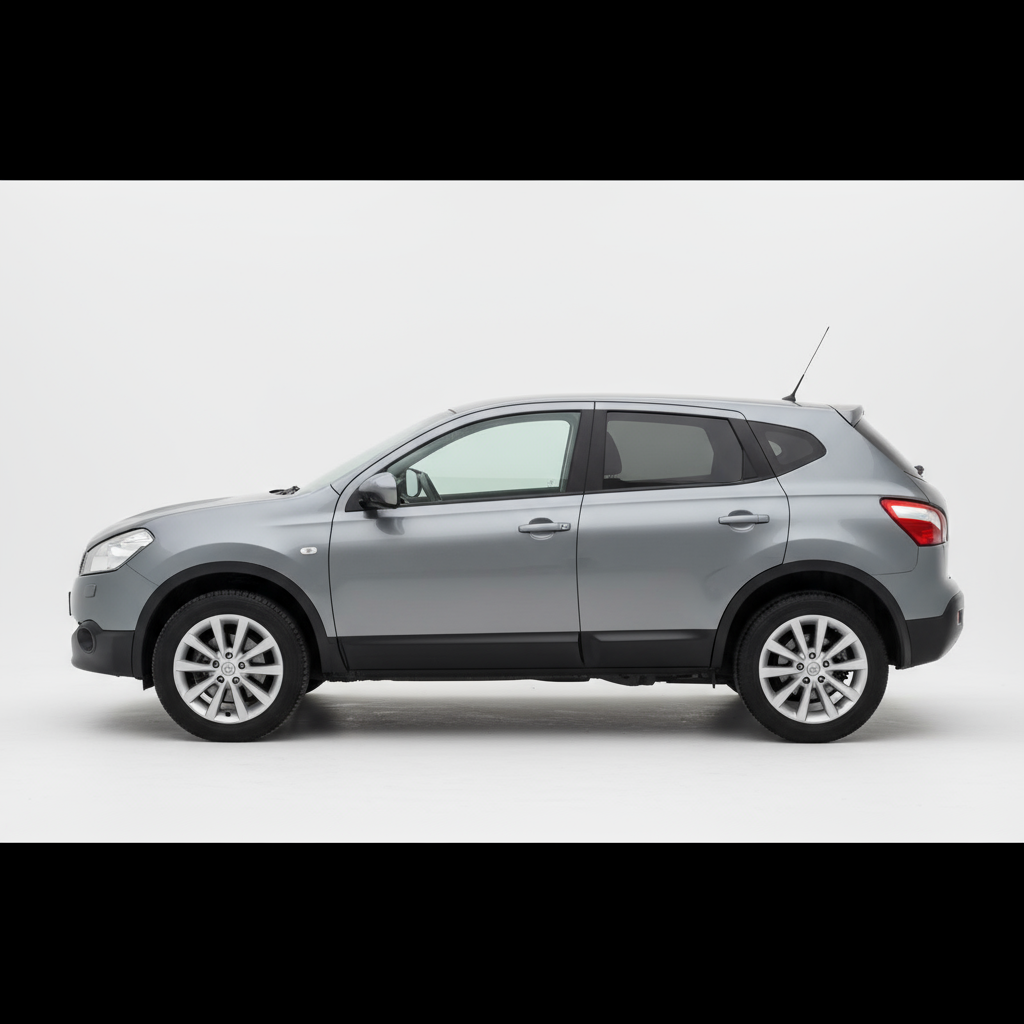
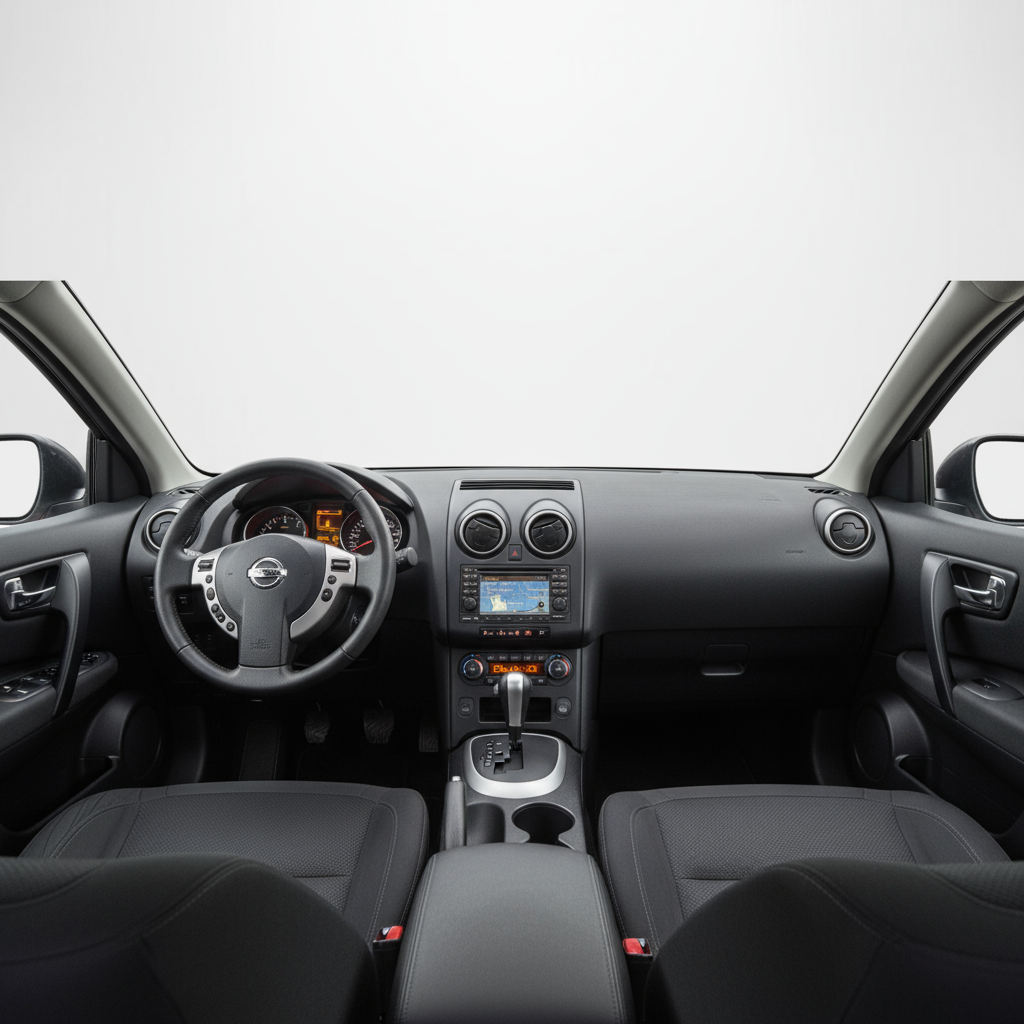
The design of the 2007 Nissan Qashqai was its great asset. It broke molds with an aesthetic that fused the robustness of an SUV with the dynamic lines of a passenger car. Its 5-door body, with a length of 4315 mm and a height of 1606 mm, gave it an imposing presence without being excessively bulky. The marked wheel arches, the distinctive Nissan grille, and the 17-inch wheels (215/60 R17) contributed to its adventurous and modern image. Inside, the design was functional and ergonomic, with materials that, without being luxurious, conveyed solidity and durability. The elevated driving position, characteristic of SUVs, offered excellent visibility and a sense of security. The trunk, with 352 liters, was sufficient for the needs of a small family, although it did not stand out for its spaciousness.
Technology and features
In terms of technology, the 2007 Qashqai 2.0 Tekna incorporated elements that placed it on par with its competitors. Although it was not a showcase of the latest technology, it offered what was necessary for a modern and safe driving experience. It featured a 1997 cc, 4-cylinder, 16-valve gasoline engine with indirect injection, delivering 141 HP at 6000 rpm and a torque of 196 Nm at 4800 rpm. Front-wheel drive (FWD) and a 6-speed manual transmission ensured good performance. In terms of safety, it had ventilated disc brakes at the front and disc brakes at the rear, and a well-balanced suspension. Although infotainment details are not specified, the Tekna version usually included comprehensive equipment for the time, aiming to offer basic comfort and connectivity to its occupants.
Competition
When the Nissan Qashqai arrived on the market in 2007, it faced an automotive landscape in full transformation. Its main rivals were traditional compacts like the Volkswagen Golf or the Ford Focus, and minivans like the Renault Scénic or the Citroën C4 Picasso, to which it offered a more adventurous alternative with higher ground clearance. However, it found its true niche competing with the few compact SUVs existing at that time, such as the Toyota RAV4 or the Honda CR-V, which it surpassed in price and, in many cases, in a fresher and more urban design. The Qashqai managed to create its own category, attracting customers who sought the versatility of an SUV without the dimensions or consumption of larger models, and who were not attracted by the aesthetics of minivans.
Conclusion
The 2007 Nissan Qashqai 4x2 2.0 Tekna was a vehicle that anticipated market trends, creating a segment that is now one of the most popular. Its success lay in an intelligent combination of attractive design, comfortable driving, and versatility that made it ideal for both city and travel. Although its 141 HP engine did not offer sporty performance, it more than met the needs for daily use, and its Tekna equipment provided a good level of comfort and technology for the time. It was a car that democratized the SUV concept, making it accessible and desirable for a much wider audience. Its legacy is undeniable, and its influence is still seen in the multitude of crossovers that populate our roads today.