
Especificaciones y análisis del Nissan Qashqai
Power
141HP
Torque
196Nm
Consumption
8.3l/100
Emissions
198g/km
0-100 km/h
11.3s
Top Speed
178km/h
Weight
1529kg
Price
29,150€
Technical summary
Gasolina
Automático 6v
AWD
5 / 5 doors
352 L
65 L
104 kW
Current
Technical specifications
Engine
Capacities
Detailed analysis of the Nissan Qashqai 4x4 2.0 Tekna CVT · 141 CV (2008)
General description
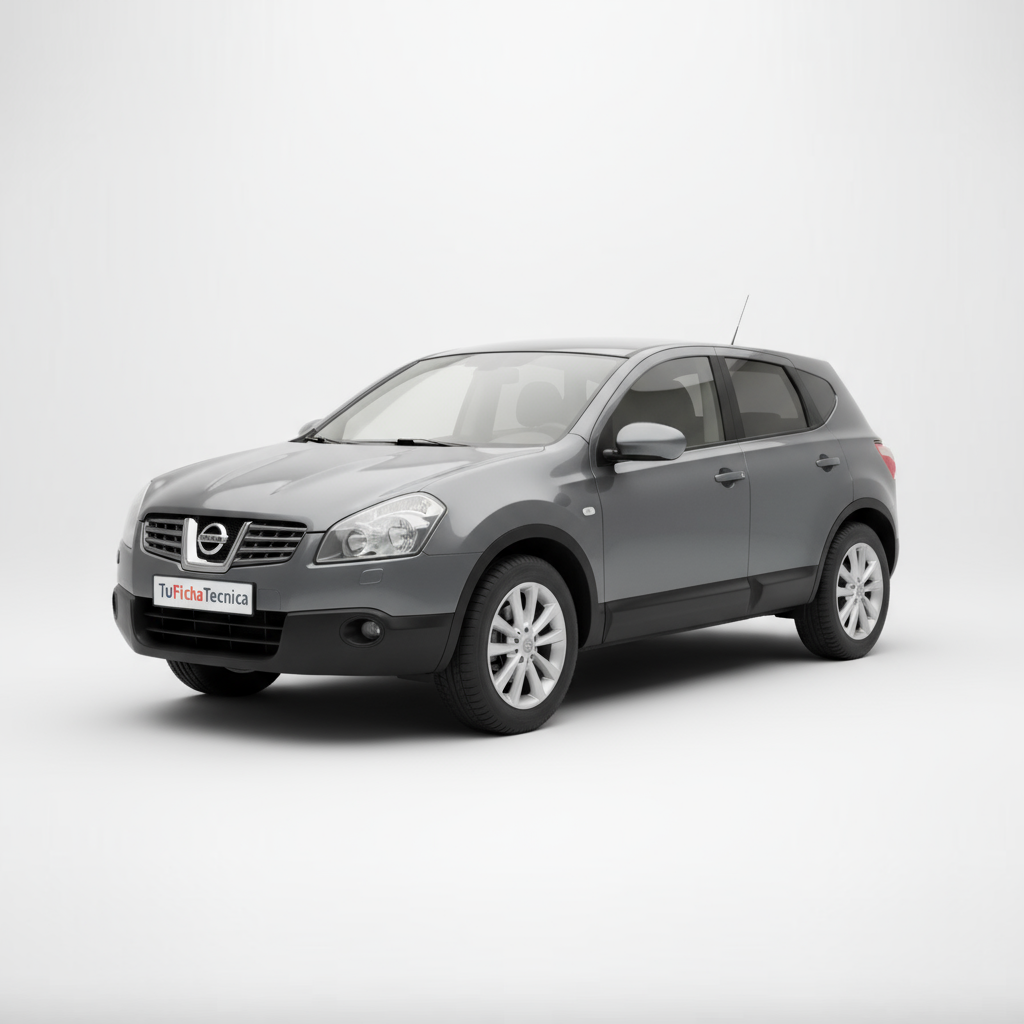
The 2007 Nissan Qashqai, in its 4x4 2.0 Tekna CVT version, was presented as a bold and fresh proposal in the crossover segment. Priced at 29,150 euros, this model sought to combine the versatility of an SUV with the agility of a passenger car, offering an attractive alternative for those looking for something more than a conventional car. Its 141 hp gasoline engine and all-wheel drive positioned it as a capable vehicle both in the city and on off-road excursions, marking the beginning of an era for Nissan in this popular segment.
Driving experience
Behind the wheel of the Qashqai 4x4 2.0 Tekna CVT, the sensation is one of control and comfort. The automatic CVT transmission, although it can generate a perception of linear and less direct acceleration for some, offers a smoothness of ride that is appreciated in daily use. The 141 hp gasoline engine, with a torque of 196 Nm, allows for acceleration from 0 to 100 km/h in 11.3 seconds and a top speed of 178 km/h, adequate figures for general use. The suspension, McPherson type at the front and deformable parallelogram at the rear, along with anti-roll bars, provides a good balance between comfort and stability, absorbing road irregularities without sacrificing confidence in curves. All-wheel drive adds an extra layer of safety and capability in low-grip conditions, conveying a sense of robustness and versatility.
Design and aesthetics
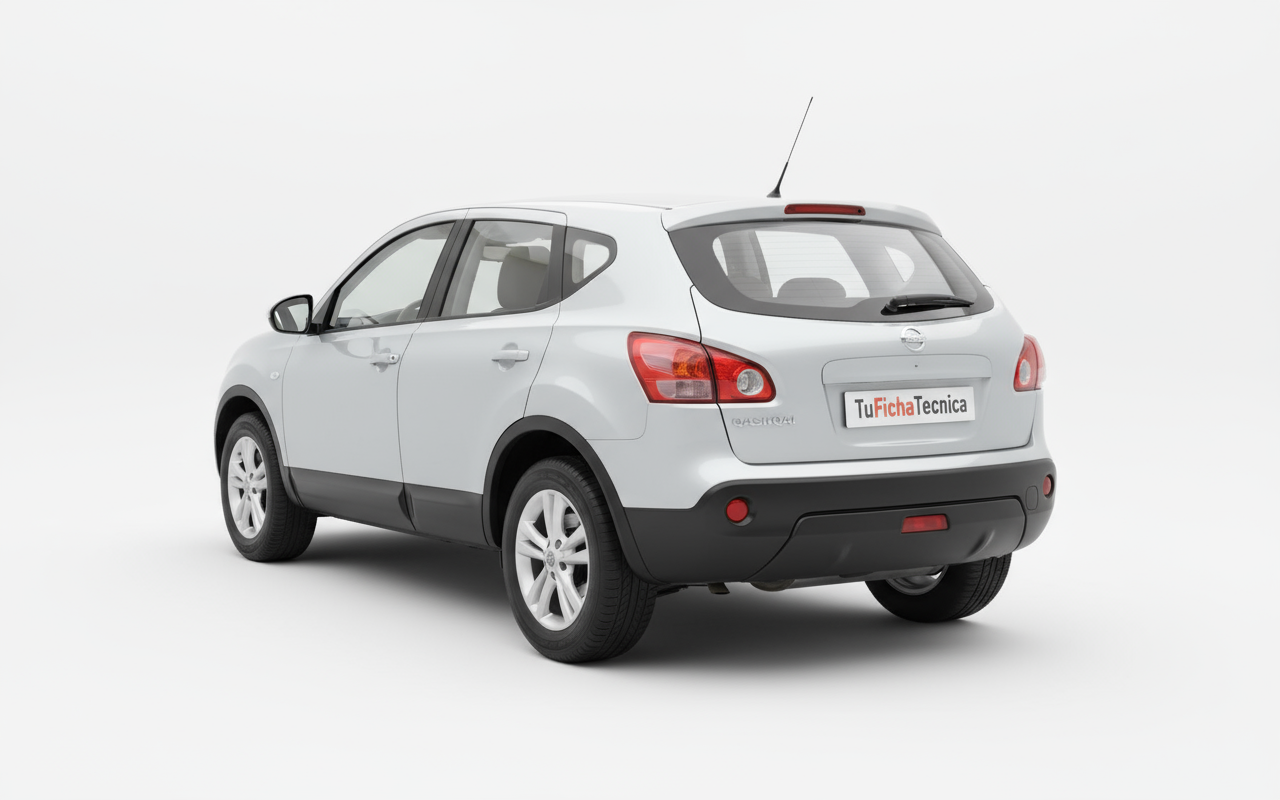
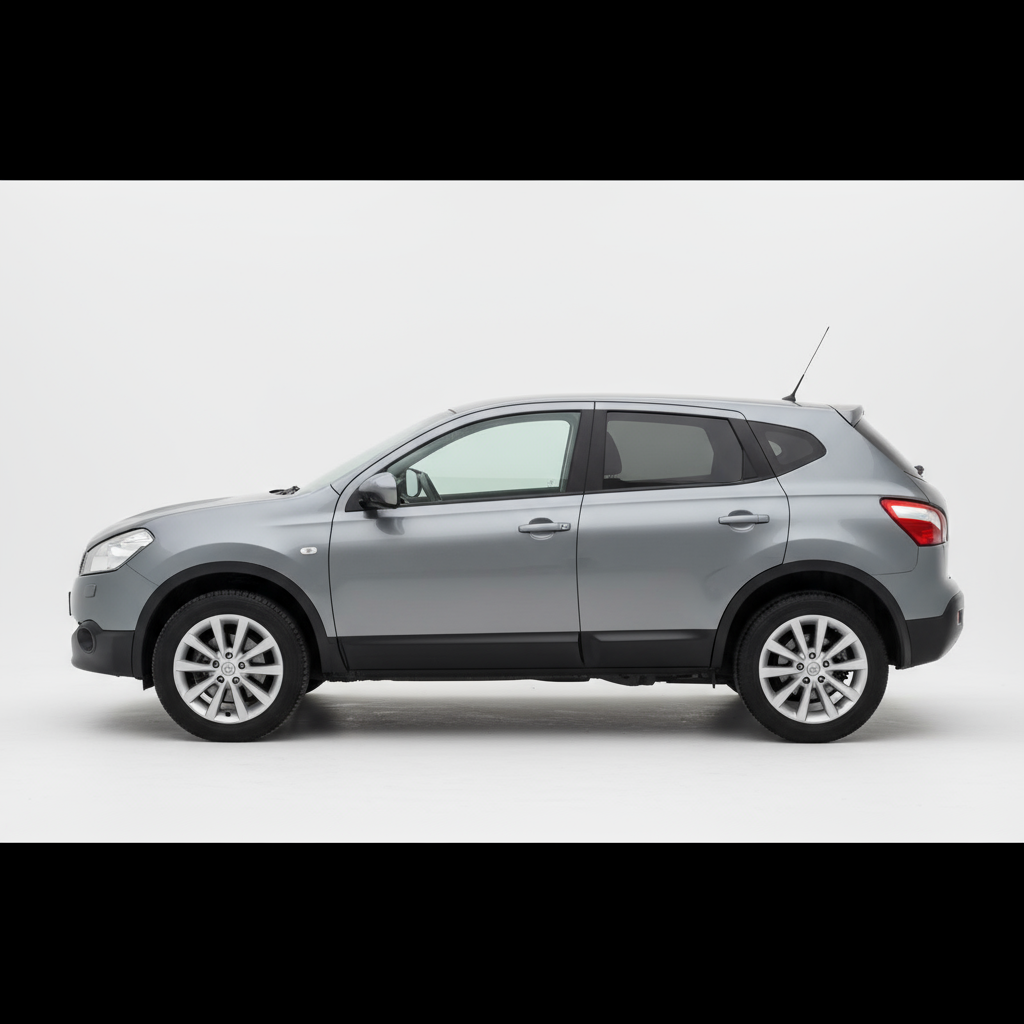
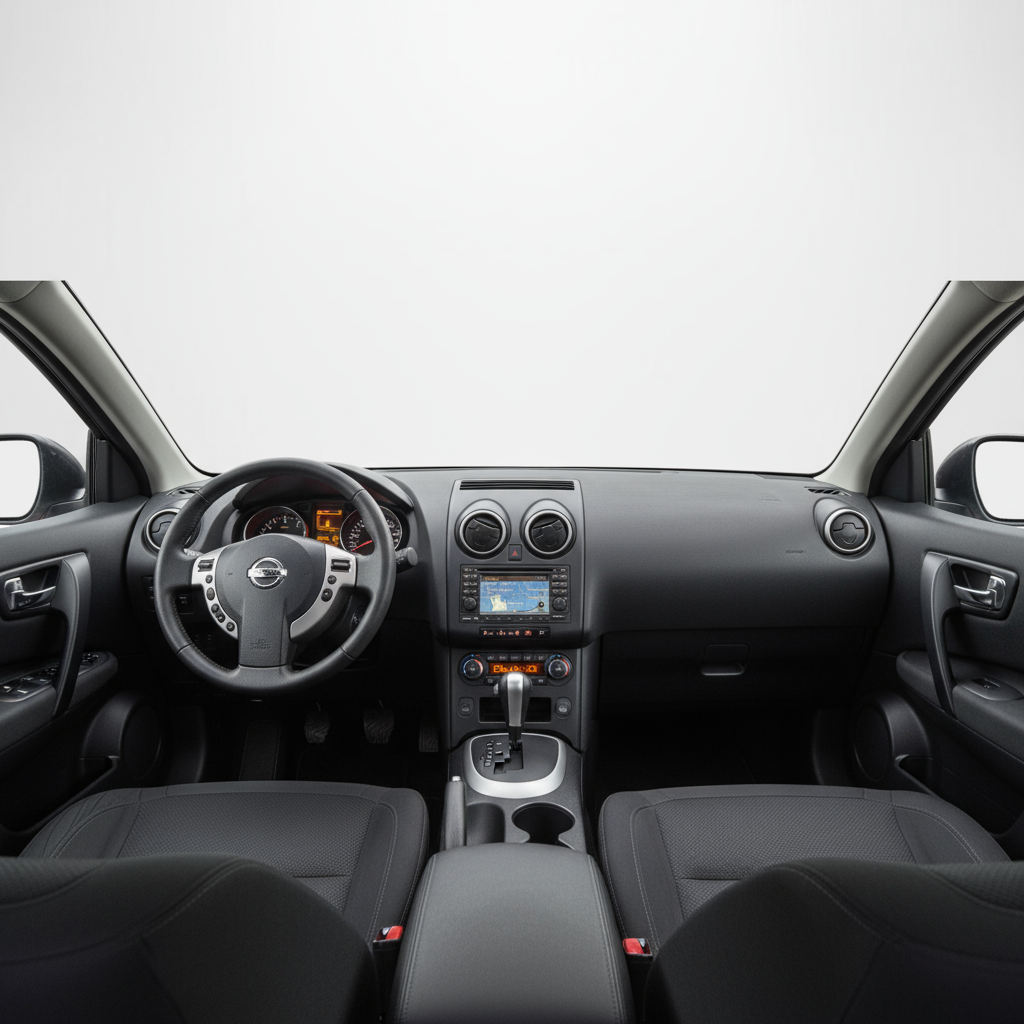
The design of the 2007 Nissan Qashqai was, without a doubt, one of its strong points. With compact dimensions for its category (4315 mm long, 1783 mm wide, and 1606 mm high), it presented a robust and modern aesthetic, with fluid lines that gave it a distinctive presence. The 5-door body and 17-inch wheels with 215/60 R17 tires contributed to its image as an urban and adventurous crossover. The interior, although functional, offered a pleasant and well-equipped environment in the Tekna trim, with a 352-liter trunk that, although not the largest, was sufficient for daily needs. Its design set a trend and was key to its commercial success.
Technology and features
In terms of technology, the 2007 Qashqai 4x4 2.0 Tekna CVT incorporated elements that made it competitive in its segment. The 1997 cc gasoline engine, with indirect injection and an aluminum cylinder head and block, offered good efficiency for its time. The 6-speed automatic CVT transmission was one of its distinctive features, providing a smooth driving experience. In terms of safety, it had ventilated disc brakes at the front and disc brakes at the rear, and a well-calibrated suspension. Although it did not have the advanced driving aids we see today, its standard equipment in the Tekna version was complete, including basic comfort and connectivity elements for the era.
Competition
At the time of its launch, the Nissan Qashqai faced growing competition in the nascent crossover segment. Its main rivals included models such as the Hyundai Tucson, Kia Sportage, Toyota RAV4, and Honda CR-V. Compared to them, the Qashqai positioned itself as a more compact option with a more urban focus, but without sacrificing the capabilities of a light SUV thanks to its 4x4 traction. Its innovative design and its balance between performance, consumption, and price made it stand out in an increasingly crowded market, attracting an audience looking for an alternative to traditional passenger cars and more voluminous SUVs.
Conclusion
The 2007 Nissan Qashqai 4x4 2.0 Tekna CVT was a pioneering vehicle and a resounding success for Nissan, laying the foundations for what we now know as the crossover segment. Its combination of an attractive design, a functional interior, a 141 hp gasoline engine with all-wheel drive, and a smooth CVT transmission made it a very popular option. Although its combined consumption of 8.3 l/100km and its emissions of 198 g/km of CO2 reflect the standards of the time, its value proposition was undeniable. It was a car that knew how to connect with the needs of a new generation of drivers, offering versatility and style in a balanced and accessible package. Its legacy endures, being a benchmark in the segment it helped define.