
Especificaciones y análisis del Nissan Qashqai
Power
141HP
Torque
196Nm
Consumption
8.3l/100
Emissions
198g/km
0-100 km/h
11.3s
Top Speed
178km/h
Weight
1529kg
Price
27,950€
Technical summary
Gasolina
Automático 6v
AWD
5 / 5 doors
352 L
65 L
104 kW
Current
Technical specifications
Engine
Capacities
Detailed analysis of the Nissan Qashqai 4x4 2.0 Tekna CVT · 141 CV (2008-2009)
General description
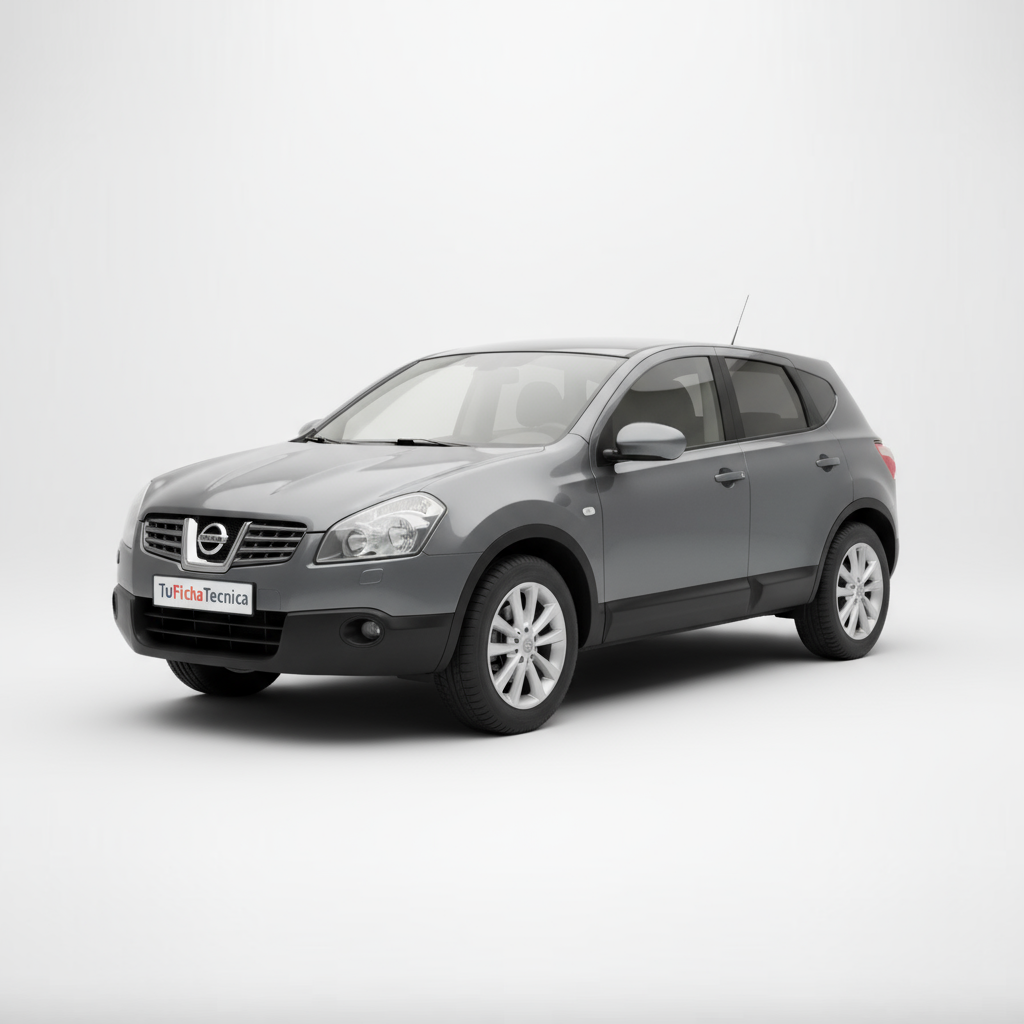
The 2007 Nissan Qashqai, in its 4x4 2.0 Tekna CVT version, marked a before and after in the automotive market. This compact SUV, with its 141 HP gasoline engine and all-wheel drive, was presented as a fresh and versatile alternative, combining the robustness of an off-road vehicle with the agility of a passenger car. Its arrival represented a revolution, creating a new segment and attracting those looking for a practical car with an adventurous aesthetic and a good level of equipment.
Driving experience
Behind the wheel of the Qashqai 4x4 2.0 Tekna CVT, the sensation is one of comfort and ease of handling. The 141 HP engine, associated with the automatic CVT transmission, offers a smooth and progressive response, ideal for daily city driving and long trips. Although it is not a car with great sports performance, its acceleration from 0 to 100 km/h in 11.3 seconds and its top speed of 178 km/h are sufficient for most situations. The all-wheel drive provides an extra sense of security and confidence in low-grip conditions, while the suspension, McPherson type at the front and deformable parallelogram at the rear, effectively filters out road irregularities, offering a good balance between comfort and stability. The combined consumption of 8.3 l/100km is reasonable for a vehicle of its category and year.
Design and aesthetics
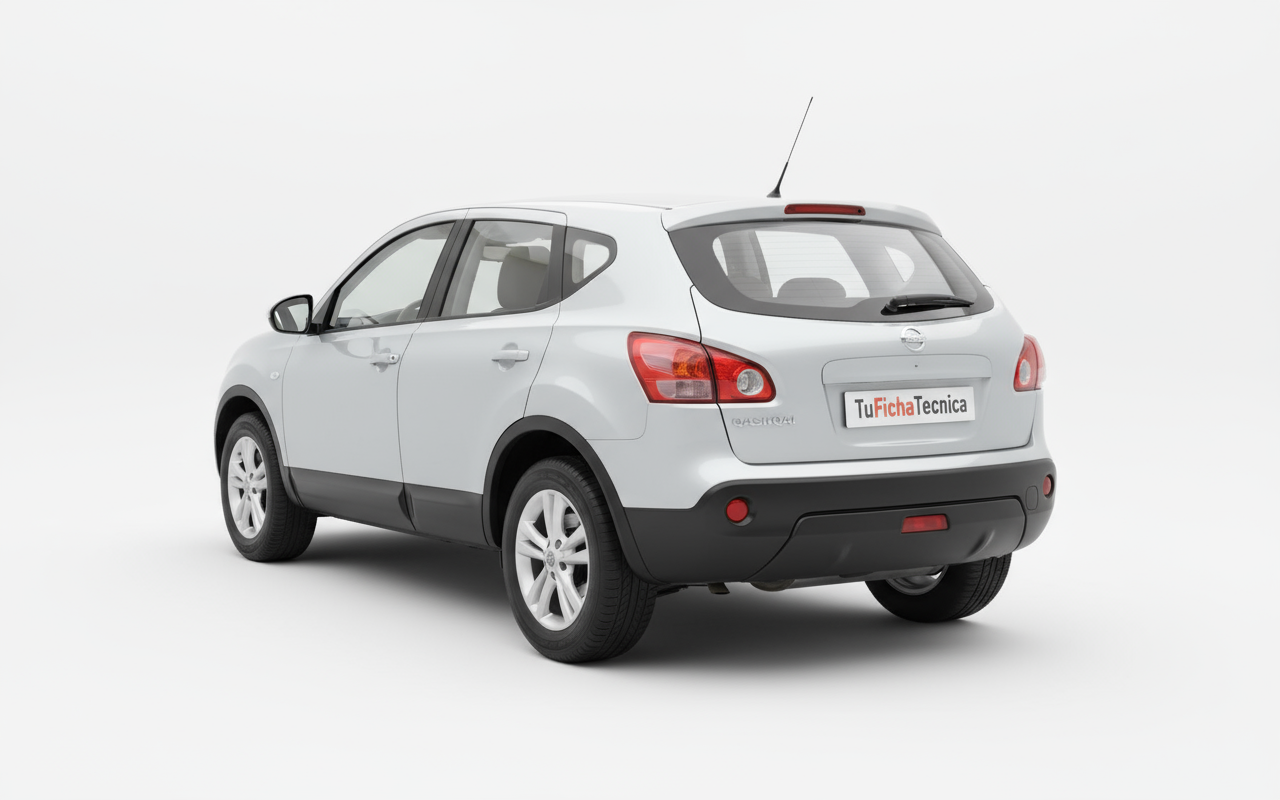
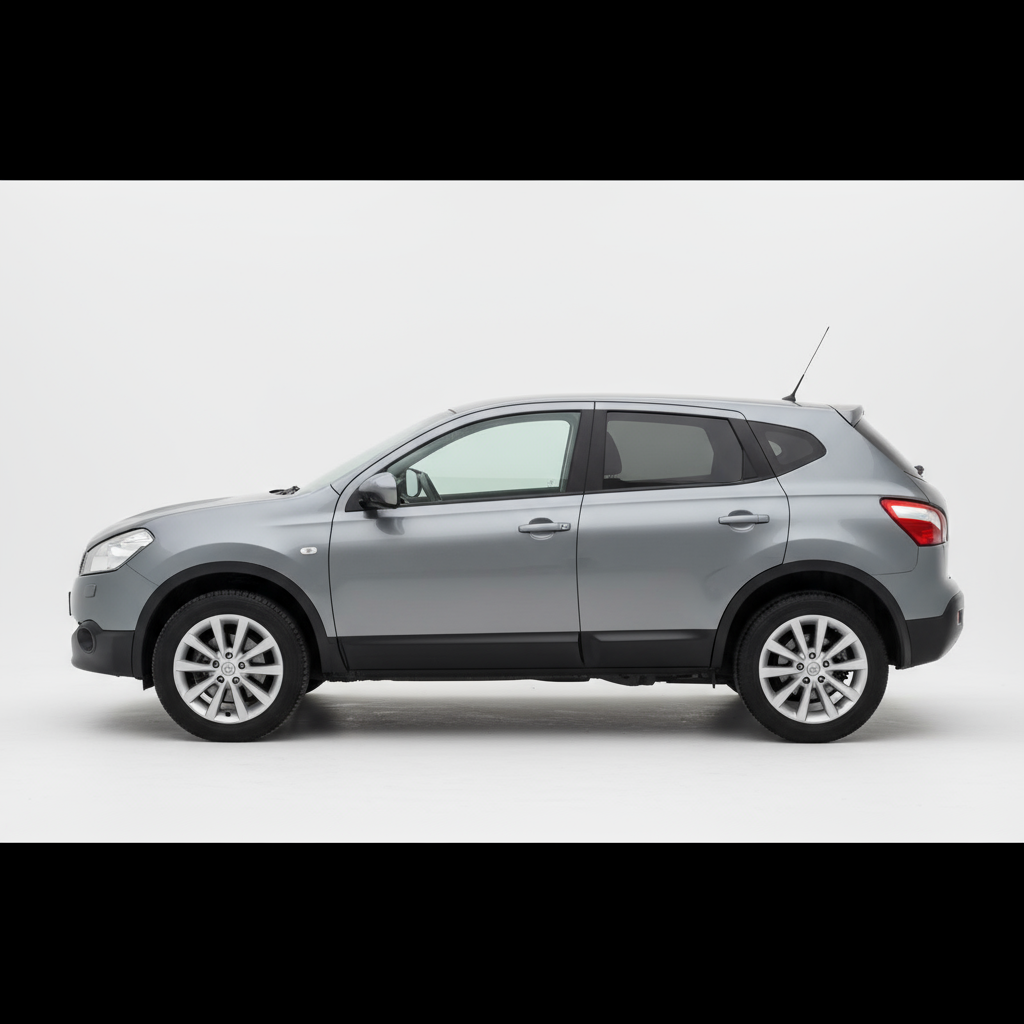
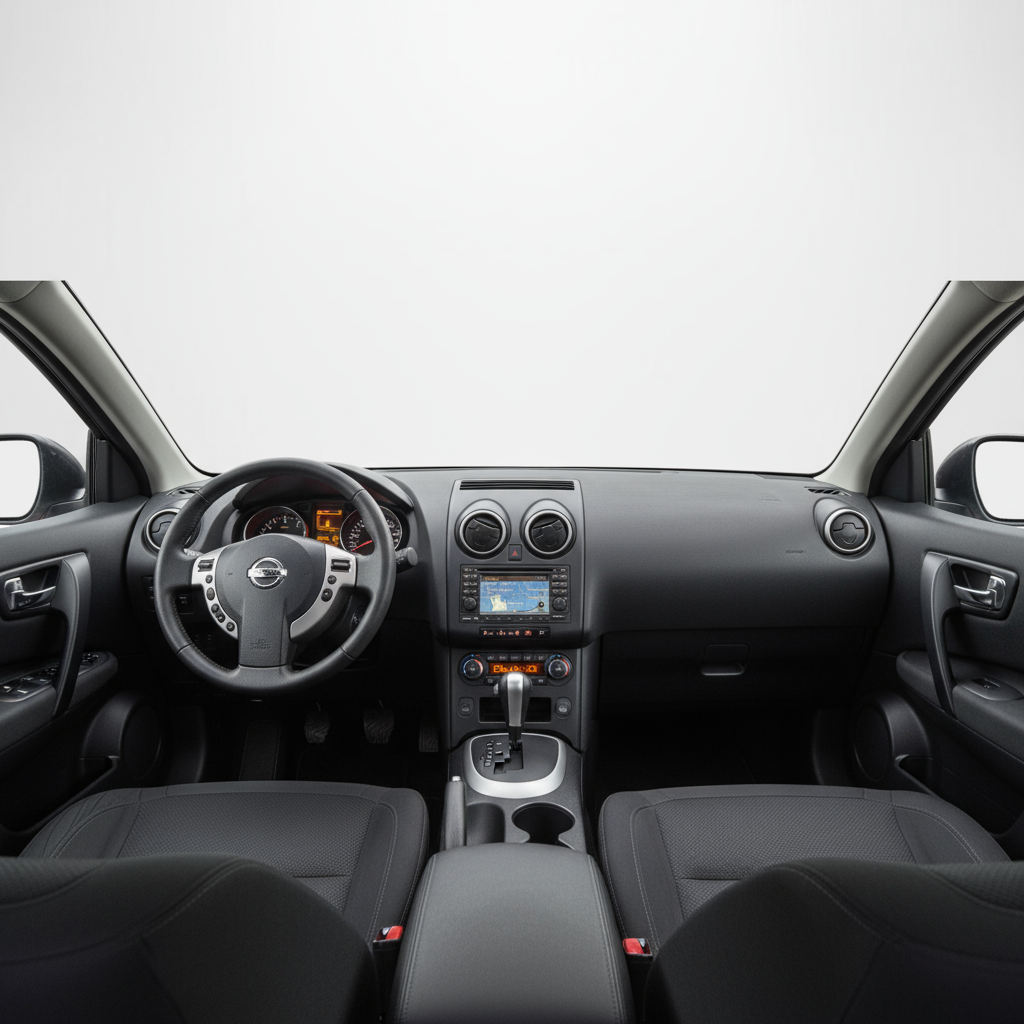
The design of the 2007 Nissan Qashqai was one of its strong points. With a robust and modern aesthetic, it stood out from traditional SUVs and conventional compact cars. Its fluid lines, elevated height, and marked wheel arches gave it a dynamic and adventurous image. The interior, for its part, stood out for its functionality and good quality finishes for the time. The materials used, although not luxurious, were pleasant to the touch, and the dashboard design, with clear and well-organized instrumentation, contributed to a pleasant driving experience. Its compact dimensions (4315 mm long, 1783 mm wide, and 1606 mm high) made it manageable in urban environments, without sacrificing sufficient interior space for five occupants and a 352-liter trunk, expandable by folding down the rear seats.
Technology and features
In terms of technology, the 2007 Qashqai 4x4 2.0 Tekna CVT offered complete equipment for its segment. It featured elements such as the 6-speed automatic transmission, AWD all-wheel drive, and a 1997 cc gasoline engine with indirect injection. In terms of safety, it incorporated ventilated disc brakes at the front and disc brakes at the rear, as well as stabilizers on both axles. Although it did not have the latest innovations in driving assistance that we see today, its equipment was competitive at the time, providing a safe and comfortable driving experience. Power steering and well-calibrated suspension contributed to predictable and pleasant handling.
Competition
When the Nissan Qashqai arrived on the market in 2007, it faced rivals such as the Toyota RAV4, the Honda CR-V, and the Hyundai Tucson. However, the Qashqai managed to differentiate itself by offering a concept closer to that of a raised passenger car, with a more urban design and a competitive price. Its success lay in its ability to combine the best of both worlds, attracting customers who sought the versatility of an SUV without the dimensions or fuel consumption of a pure off-road vehicle. Its value proposition quickly made it a benchmark and a model for many manufacturers to follow.
Conclusion
The 2007 Nissan Qashqai 4x4 2.0 Tekna CVT was a pioneering vehicle that redefined the compact SUV segment. Its combination of attractive design, driving comfort, complete equipment, and versatility made it a sales success and a benchmark for the industry. Despite its fuel consumption, which today might seem high, and performance that does not seek sportiness, its value proposition remains relevant. It is an ideal car for those looking for a reliable and practical companion for daily use and weekend getaways, with the added safety provided by all-wheel drive. A true icon that left an indelible mark on the automotive landscape.