
Especificaciones y análisis del Nissan Qashqai
Power
106HP
Torque
240Nm
Consumption
5.2l/100
Emissions
139g/km
0-100 km/h
12.2s
Top Speed
174km/h
Weight
1482kg
Price
20,350€
Technical summary
Gasóleo
Manual 6v
FWD
5 / 5 doors
352 L
65 L
78 kW
Current
Technical specifications
Engine
Capacities
Detailed analysis of the Nissan Qashqai 4x2 1.5 dCi Acenta · 106 CV (2008-2009)
General description
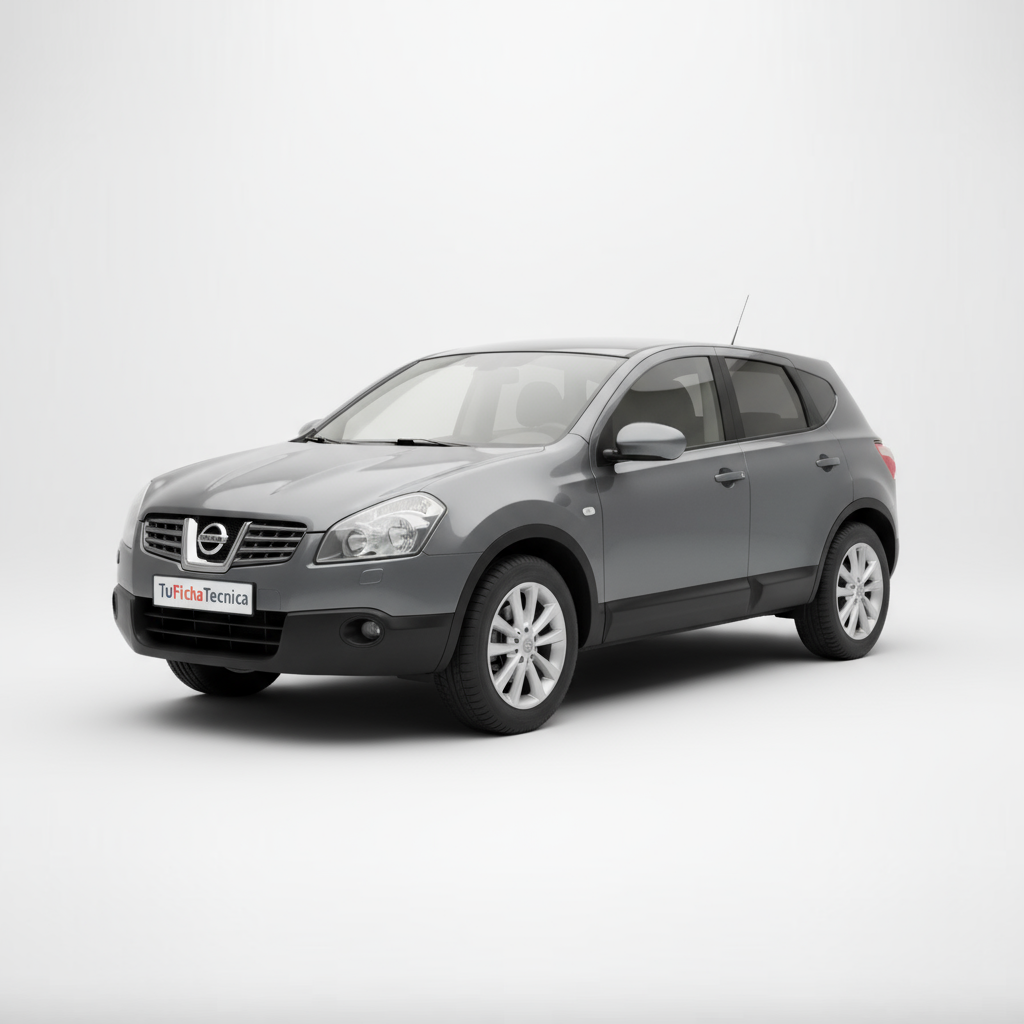
The 2007 Nissan Qashqai, in its 4x2 1.5 dCi Acenta version, marked a before and after in the automotive market. This pioneering crossover, with its 106 hp diesel engine and front-wheel drive, arrived to offer a fresh and versatile alternative to traditional compacts and more voluminous SUVs. Its proposal was clear: combine the agility of a passenger car with the robustness and elevated driving position of an SUV, all at a competitive price of 20,350 euros at its launch. It was a vehicle that knew how to connect with the needs of a new generation of drivers, seeking practicality, style, and efficiency in one package.
Driving experience
Behind the wheel of the Qashqai 1.5 dCi Acenta, the predominant sensation is one of balance. Its 106 hp, although not promising breathtaking performance (it accelerates from 0 to 100 km/h in 12.2 seconds and reaches 174 km/h), are sufficient to move its 1482 kg with ease in daily use, especially in urban and peri-urban environments. The diesel engine, with its 240 Nm of torque at 2000 rpm, offers a pleasant response and very contained consumption, with an average of 5.2 l/100km. The 6-speed manual gearbox is precise and contributes to efficient driving. The suspension, McPherson type at the front and deformable parallelogram at the rear, filters out road irregularities well, providing remarkable ride comfort. The steering, although not the most communicative, fulfills its function, and the elevated driving position provides excellent visibility, which inspires confidence and safety.
Design and aesthetics
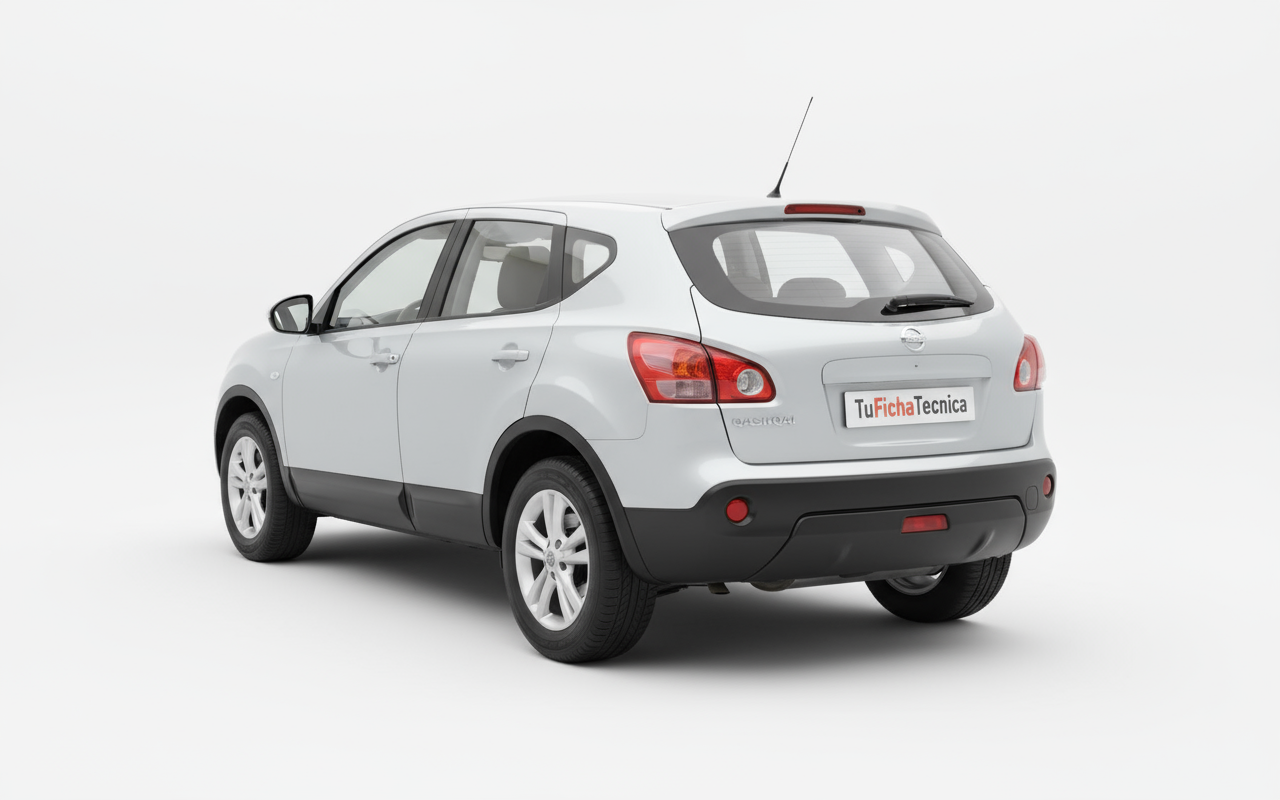
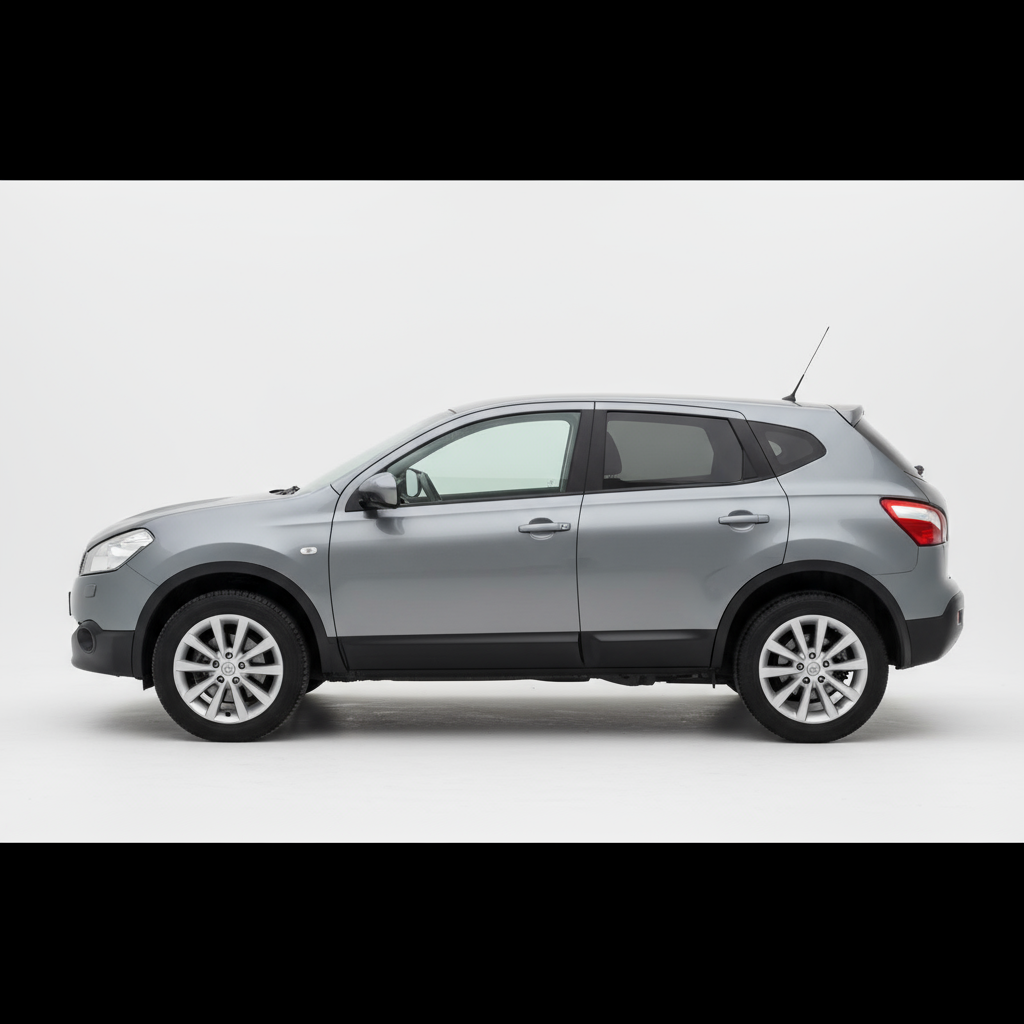
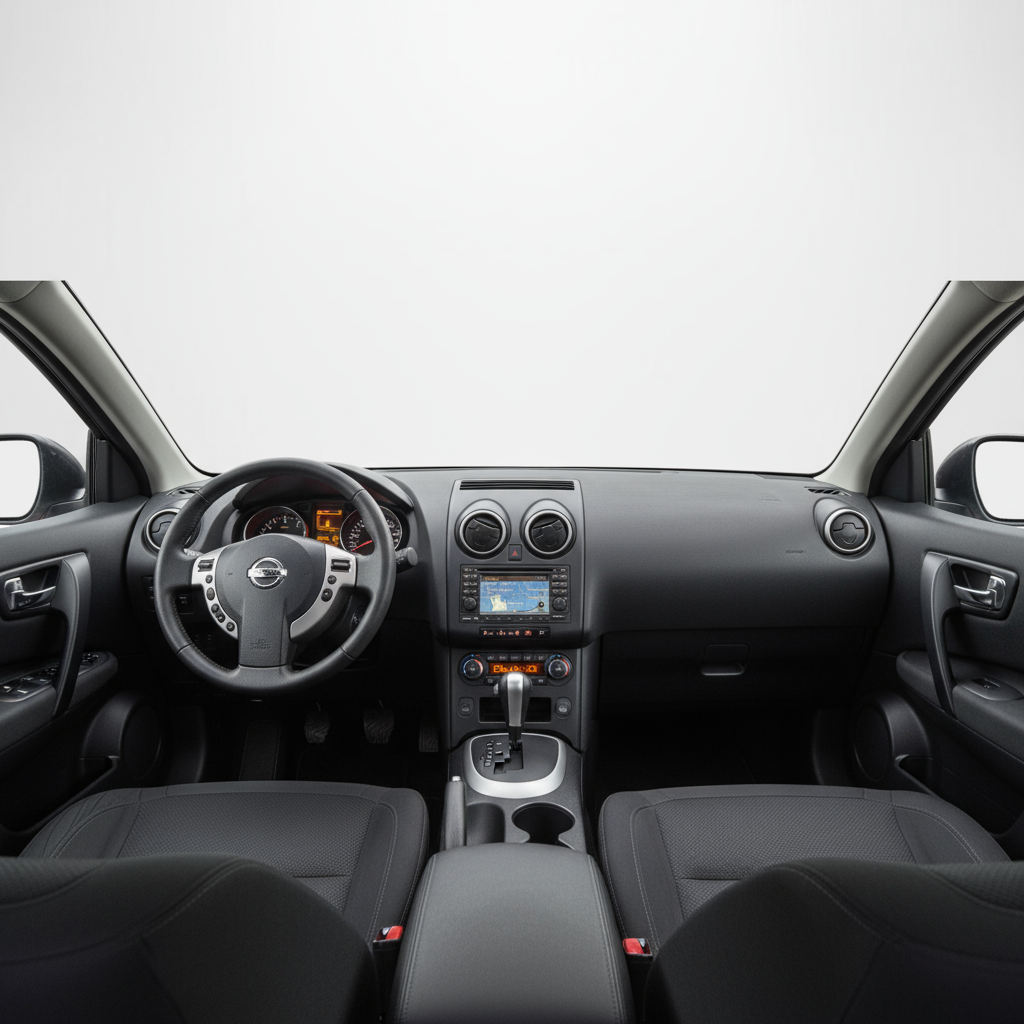
The design of the 2007 Nissan Qashqai was one of its great strengths. It broke molds with an aesthetic that fused the elegance of a passenger car with the robustness of an SUV. Its fluid and dynamic lines, along with a higher ground clearance than a compact, gave it a distinctive presence. The elongated headlights, the characteristic Nissan front grille, and the marked wheel arches contributed to its modern and adventurous image. Inside, the design was functional and ergonomic, with materials that, without being luxurious, conveyed solidity and durability. The habitability was good for four occupants, and the 352-liter trunk offered enough space for daily luggage. It was a design that aged with dignity and laid the foundation for the success of subsequent generations.
Technology and features
In 2007, the Nissan Qashqai 1.5 dCi Acenta offered technology focused on functionality and efficiency. Its common rail direct injection diesel engine, turbo with variable geometry and intercooler, was an example of engineering for its time, seeking to optimize performance and reduce consumption. Although it did not have advanced driving assistance systems that are common today, it did incorporate essential elements such as ventilated front disc brakes and rear discs, and a well-calibrated suspension for good dynamic behavior. Power steering and passive safety systems were what would be expected in a vehicle of its segment and year. Its DGT 'B' label reflected its commitment to efficiency at the time.
Competition
When the Nissan Qashqai 1.5 dCi Acenta entered the market, it faced a diverse landscape. Its main rivals were traditional compacts such as the Volkswagen Golf, Ford Focus, or Renault Mégane, which it surpassed in height and versatility. It also competed with more established SUVs, such as the Toyota RAV4 or Honda CR-V, offering a more compact and affordable alternative. Other nascent crossovers, such as the Hyundai Tucson or Kia Sportage, were also contenders. However, the Qashqai managed to find its own niche, offering a unique combination of design, practicality, and price that clearly differentiated it from its competitors and catapulted it to success.
Conclusion
The 2007 Nissan Qashqai 4x2 1.5 dCi Acenta was a revolutionary vehicle that redefined the compact SUV segment. Its success was no accident, but the result of a well-thought-out proposal that combined attractive design, balanced driving, and an efficient diesel engine. It was the car that democratized the crossover concept, making it accessible to a wider audience and laying the groundwork for a new era in the automotive industry. To this day, it remains a benchmark for reliability and practicality, a car that marked an era and left an indelible mark on the hearts of many drivers.